Dr. Ripp has developed an extraordinary and innovative longitudinal ultrasound (US) curriculum that is being integrated in pre-clinical and clinical years for medical students at the University of Global Health Equity (UGHE) in Rwanda. This curriculum teaches medical students both the fundamentals of ultrasound during their pre-clinical years, and the practical use and interpretation of ultrasound during their clinical years. My role will be to evaluate this innovative curriculum and to directly teach the medical students. My time in Rwanda would include teaching preselected content of their pediatric core didactic curriculum, pediatric bedside teaching, and point-of-care ultrasound (POCUS), with focus on lung ultrasound. Additionally, I would partner with Dr. Ripp and local Rwandan physicians to assess the quality, effectiveness, and satisfaction with the US curriculum based on medical students’ knowledge retention, confidence, and feedback.
We seek to evaluate the overall impact of a longitudinal US curriculum and specifically how lung POCUS affects trainee confidence and diagnostic accuracy for PNA in children under 5 years of age in low and middle-income countries (LMICs). This project will provide a comprehensive assessment of how a low-cost, portable, radiation-sparing diagnostic tool can enhance clinical decision making in resource limited settings (RLS), addressing critical gaps in pediatric PNA care.
We anticipate this will make a difference in improving medical students’ US knowledge and skills, improve diagnostic accuracy, and reduce radiation exposure in patients. Ultimately, we hope this will empower future Rwandan physicians to be proficient in and expert users of POCUS, improve outcomes for patients in Rwanda and eventually other LMICs, and decrease antibiotic resistance by assisting in practicing safe antibiotic stewardship.
This project will be beneficial for soon-to-be local physicians and patients. Additionally, as a Pediatric Emergency Medicine Fellow, I am focused on the sustainable improvement of health of children globally, especially in LMICs. PNA is one of the leading causes of under 5 years of age mortality rate (U5MR) globally, with the burden disproportionately affecting children in LMICs. Timely and accurate diagnosis of PNA remains a challenge in RLS. Early diagnosis and appropriate management of PNA are critical to improving U5MR outcomes globally. This is why my focus is provider in LMICs taking care of children in respiratory distress.
Pediatric respiratory distress comprises a large volume of pediatric presentation to healthcare facilities. Providers are overburdened with pediatric respiratory illnesses that range from a simple cold to bronchiolitis, to pneumonias. Providers at UGHE do their best to avoid mortality, including treating undifferentiated respiratory distress with antibiotics. Our hope is that by empowering budding local physician to use US they will more accurately diagnose patients, minimize exposure to radiation, and minimize inappropriate use of antibiotics.
Our interventions would have the most lasting effects by focusing on both medical students and children. Medical students can integrate US skills for their lifetime of practice, including teaching new practitioners. Additionally, not only are children the most vulnerable population to both respiratory illnesses and to radiation, but they also have the most potential for recovery and have the longest relative life-expectancy. Therefore, focusing on the health of children will hopefully help decrease the burden of U5MR globally and is likely have the most significant long-term positive health effects from a population level.
The impact we expect to achieve is the development of training frameworks and implementation strategies that empower frontline providers with sustainable and effective diagnostic tools. By implementing a longitudinal US curriculum and by leveraging lung POCUS to bridge the diagnostic gap in PNA care, we aim to introduce a transformative approach that improves health outcomes for children in LMICs, including but not limited to higher accuracy in diagnosis of PNA, lower exposure to radiation, decreased use of unnecessary antibiotics, and ultimately lower mortality from PNA.
Furthermore, evaluating the implementation a longitudinal US curriculum for medical students in LMICs is the first step in building capacity for the large-scale implementation of this curriculum globally. Learnings from this project will allow feedback to be incorporated to improve this integrated US curriculum and its large-scale implementation across LMICs. I am hopeful that these interventions, will carry forward through the sustainability of this integrative course into the medical school curriculum given the collaborative efforts from UGHE clerkship directors, pediatric course director, and University Dean. Furthermore, the survey tools we develop can be used by other universities to evaluate the implementation of this US curriculum in their own universities and clinical practices based on their needs and populations. I am encouraged for the sustainability of these efforts because a gap in knowledge was identified by a local provider, each step of the project was developed with local stakeholder buy-in and advice, and the curriculum effectiveness and usefulness will continually be assessed based on medical student feedback. I hope to continue to collaborate with UGHE, and other universities in LMIC to pursue the large-scale implementation of this curriculum based on local needs assessments and interests.
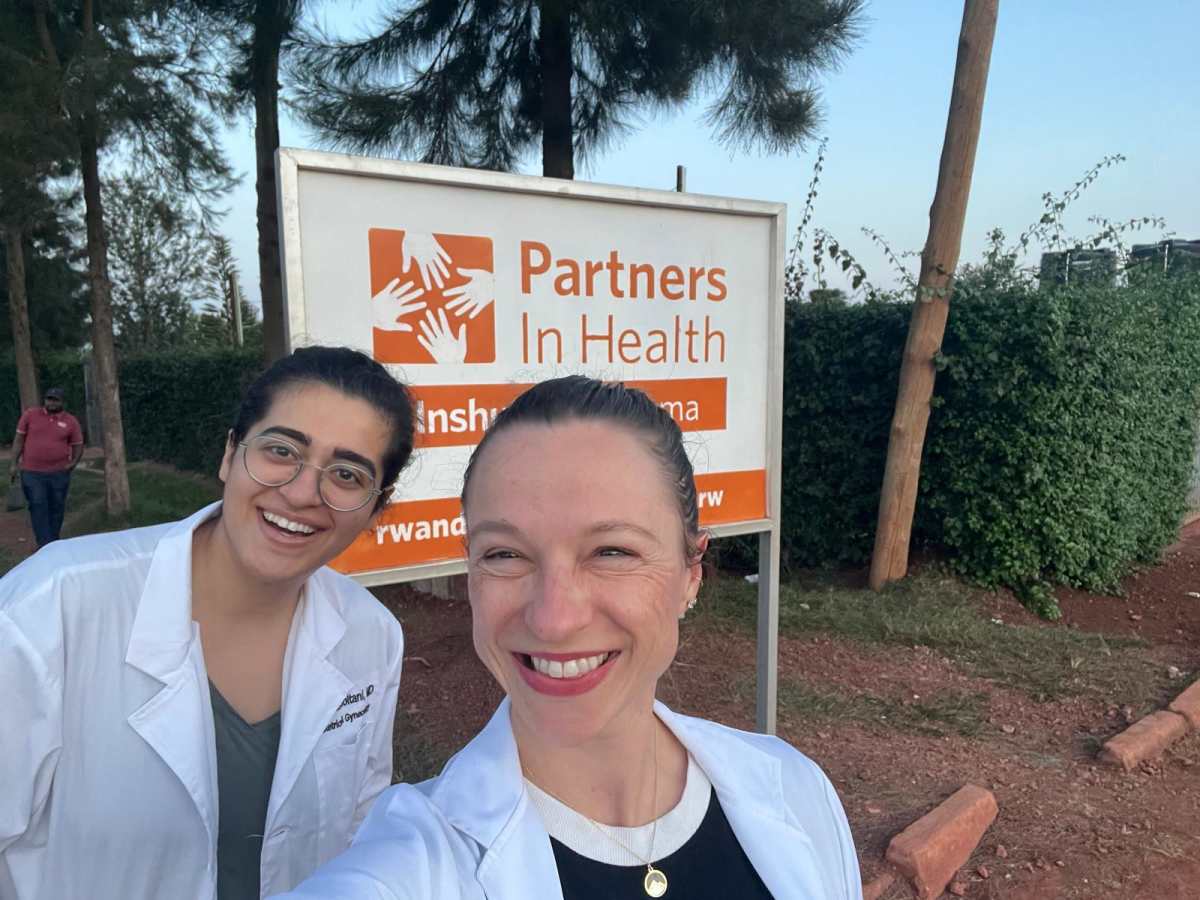
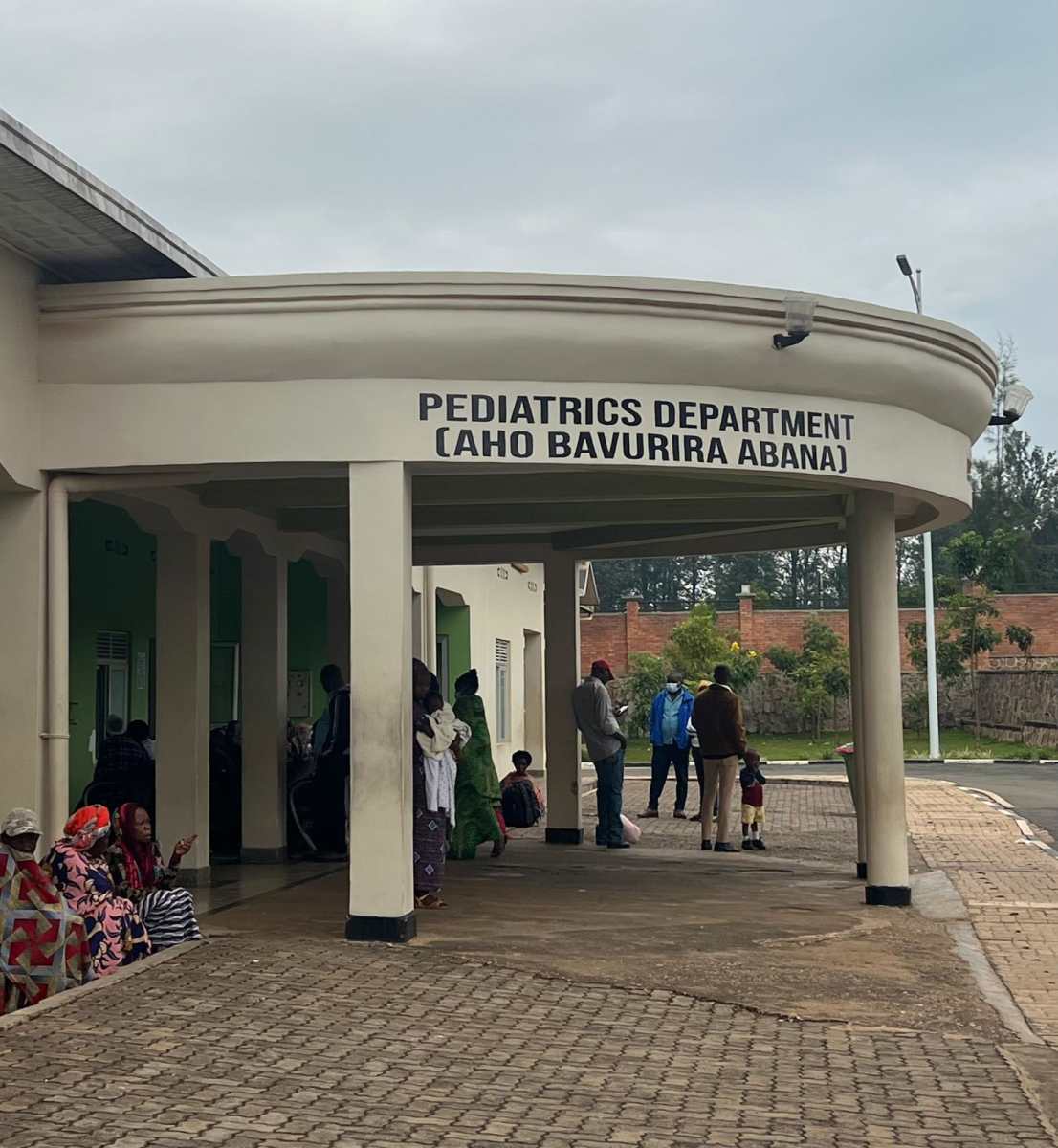
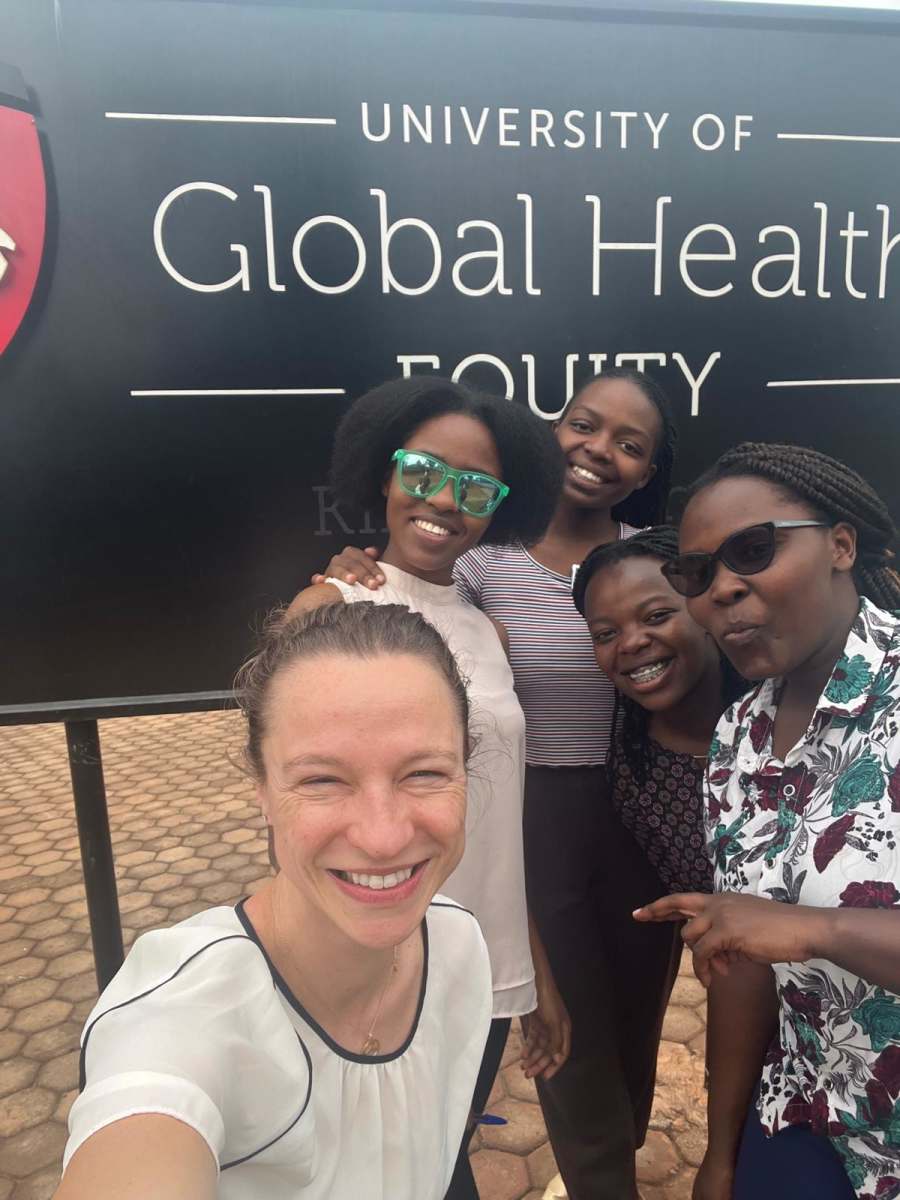
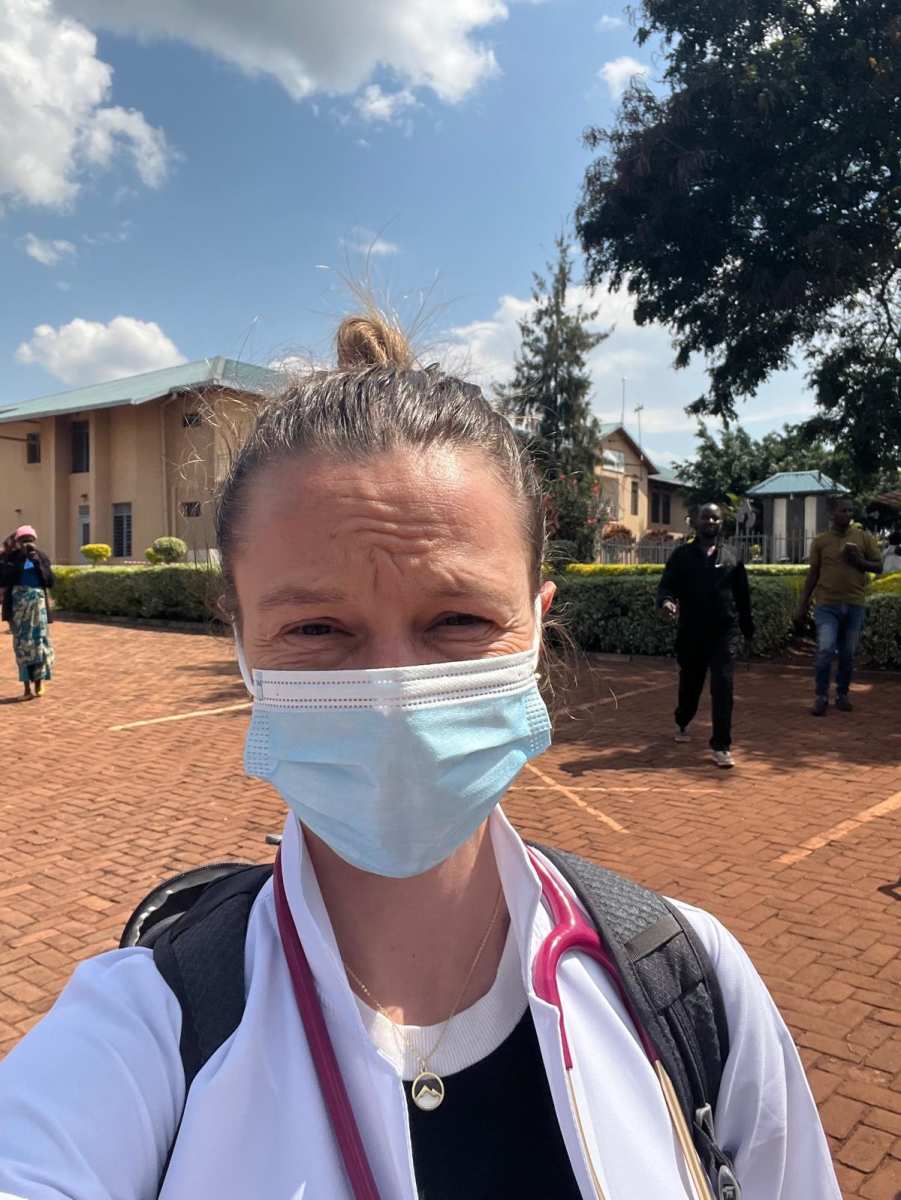
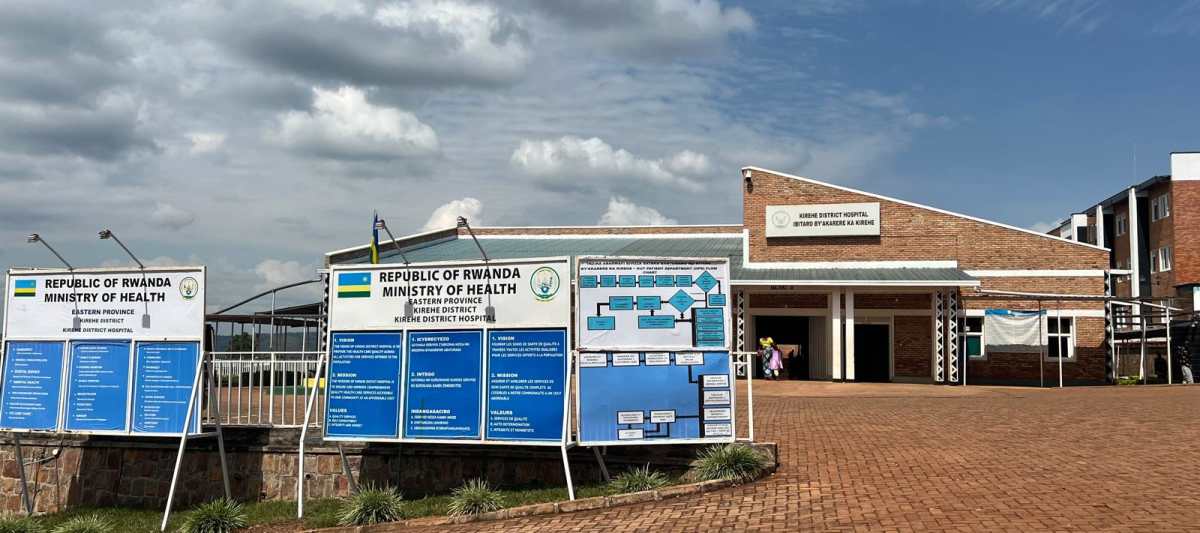
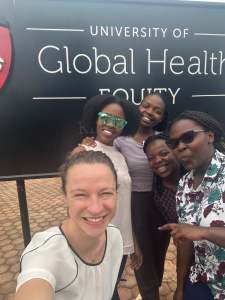
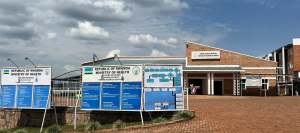
My trip to Rwanda through the Doximity Foundation Grant has been the opportunity of a lifetime.
I truly believe that our project is equipping graduating physicians with uniquely important skills, including point-of-care ultrasound proficiency, to provide exceptional medical care to their communities for years to come. And what’s more, I see the sustainable and lasting impact that UGHE has had on this community, and I am extremely grateful to be even a small part of that. UGHE’s local faculty commitment, diligence, and investment in the rigorous education of East African physicians is producing remarkable fruits. Among these is graduating and retaining truly impressive physicians who will undoubtedly improve the health and the lives of their communities.
The impressive capacity-building, system level impact of UGHE goes much beyond contributions I could make. However, it is the personal stories that stand out to me presently. At the end of my time in Rwanda, I was deeply moved by the messages I received from some of UGHE’s medical students. More than remembering the CSF results for cerebral malaria that we discussed in our case-based-learnings (which they did remember!), their messages were about noticing a deep care for patients during rounds. They were about asking creative questions to address system-level challenges affecting patient outcomes. They were messages about taking ownership and personal investment in the patient in front of us. What impacted medical students most during my visit, weren’t the structured didactic teachings- although these are indispensable- but it was the “hidden” curriculum. They noticed the way one functions when we are keenly aware that as physicians, we hold the care of patients as this precious yet fragile gift we have been entrusted with. The medical students noticed everything. Ultimately, it was the messages from medical students telling me they were now considering Pediatrics for their residency that made me feel most impactful. For each medical students that considers going into Pediatrics, can you imagine how many patients’ and families’ lives they would impact in their lifetime? What an honor!