
I am currently a gastroenterology fellow with a strong interest in global health. I spent a year in medical school (2018-2019) doing a Fogarty fellowship in Lima, Peru and am interested in continuing to collaborate with mentors and colleagues here to improve access to GI care.
During this trip to Lima, one goal is to help with building a multicenter prospective registry for Helicobacter pylori. Based on the European Report on H. Pylori, this registry is part of a larger initiative (Hp LATAM Reg) that is a multinational collaboration seeking to document the clinical practices of Latin American gastroenterologists regarding H. Pylori infection. H. pylori remains a significant public health concern in Peru and contributes to high rates of gastric cancer-the 7th leading cause of death in the country per the World Health Organization (WHO). One of the strategies to improving rates and outcomes of gastric cancer is the eradication of H. Pylori. Therefore, updated data on eradication practices, safety, and outcomes in different regions of the country are crucial to improving current practices and reducing morbidity and mortality. I plan to go to sites currently collecting registry data and assist with building the database.
Another goal of this trip is to conduct a needs assessment of endoscopic capacity in a tertiary care center in Lima. As mentioned above, I hope to forge long-term institutional partnerships in Lima, and this assessment will help lay the groundwork for future collaborative projects.
The H. Pylori initiative aims to benefit the general population of Peru and Latin America. There are currently 3 large hospitals and 2 private clinics in Lima registering data. Studying H. Pylori is particularly relevant to Peru, as estimated prevalence of H. Pylori is as high as 80%. Being able to understand disease patterns and management throughout the country can have impact on outcomes for many people. Furthermore, improving H. Pylori eradication has particular implications for those who suffer from gastric cancer as a consequence of persistent infection. Gastric cancer has the highest mortality of all cancers in Peru and is often found in advanced stages with poor survival rates. Therefore, treating H. Pylori, a well-known cause of gastric cancer, can reduce this disease burden.
In regards to the endoscopic needs assessment, endoscopic capabilities are required for management of various GI illnesses, including but not limited to life-threatening gastrointestinal bleeding, recognition of gastric cancer and gastric premalignant lesions, and culture of H. Pylori for antibiotic susceptibility testing. Therefore, building endoscopic capabilities will help improve both patients access and physician capability to provide comprehensive GI care in Peru.
The expected impact of this trip is to contribute towards an updated database of H. Pylori practices among gastroenterologists in Lima. The long-term expected impact will be to provide updated information regarding the safety and efficacy of current H. Pylori management practices in order to design the best strategy to achieve high eradication rates of H. Pylori, reduce gastric cancer rates, and improve survival. I hope to continue to be a part of this initiative, as more data is gathered and we are able to use this information to tailor initiatives to each region of the country.
As mentioned above, I am interested in incorporating global health into my career as a gastroenterologist. My hope is that evaluating endoscopic needs will help lay the foundation for long-term partnership efforts and guide subsequent projects in Peru.
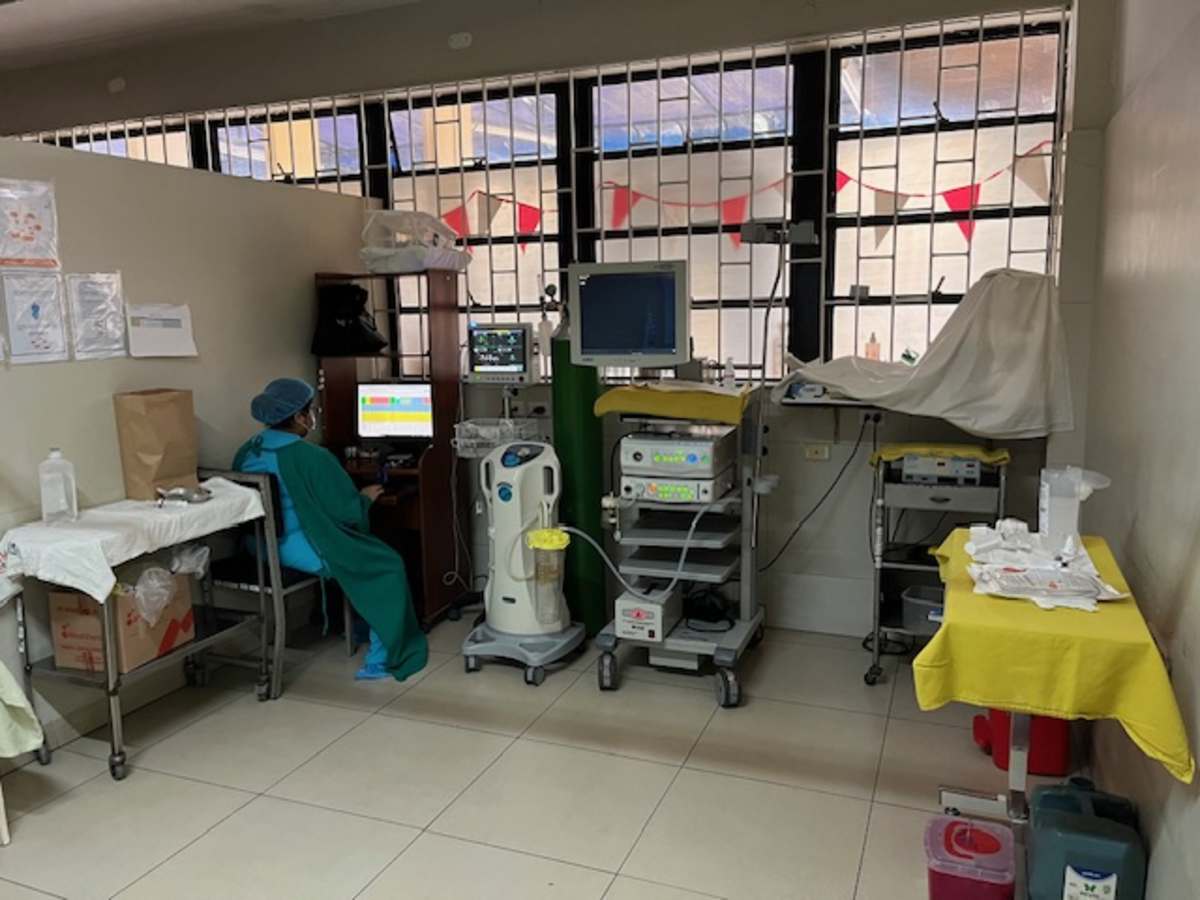

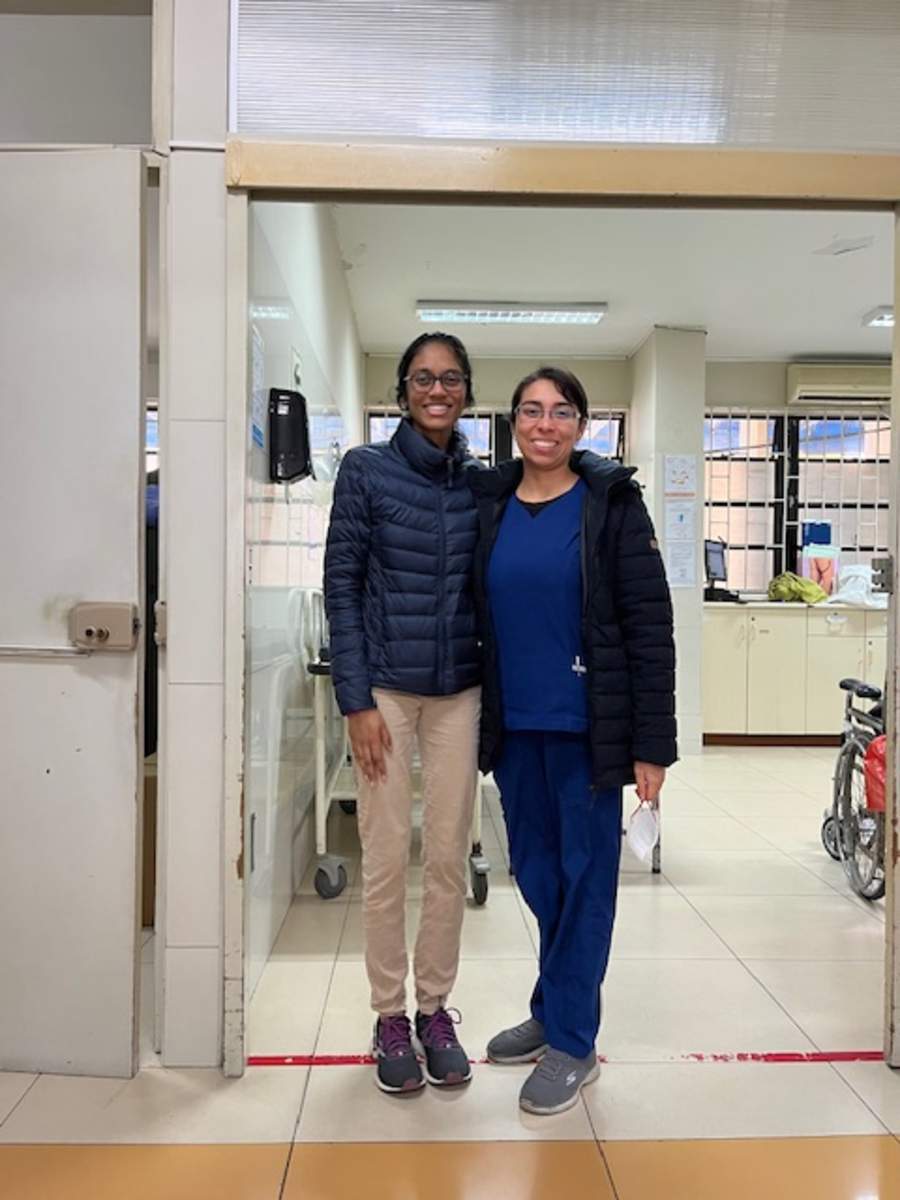
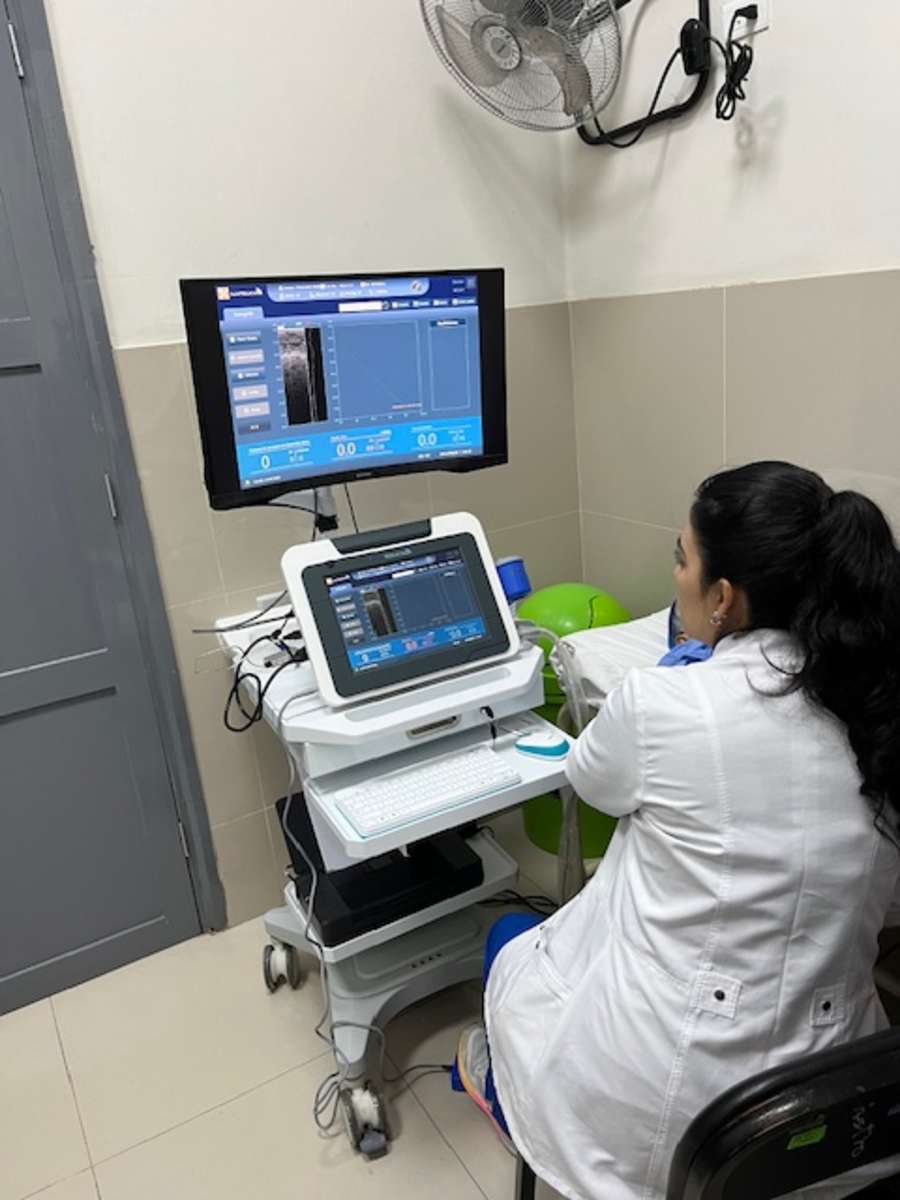



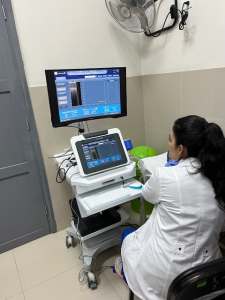

During my trip, I met with gastroenterologists at three hospitals in Lima, Peru to understand their practices and workflow, diseases they commonly encountered, and endoscopic access and capacity. Everyone I met was extremely kind and welcoming.