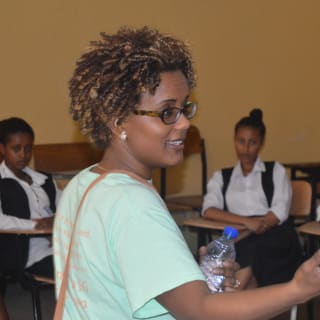
This project represents a collaborative effort to advance pulmonary and critical care in Ethiopia through direct patient services, healthcare workforce training, and the establishment of a specialized pulmonary clinic. Sponsored by the Doximity Foundation travel fund and rooted in the mission of Global Health Equity Partners (GHEP) this trip aims to:
- Launch a dedicated pulmonary clinic in Addis Ababa, Ethiopia.
- Train local physicians in the diagnosis and management of critical respiratory illnesses, including hands-on teaching in mechanical ventilation and critical care principles.
- Lay the foundation for an Interventional Pulmonology (IP) training program in collaboration with local institutions.
This trip will combine direct care delivery with sustainable education by equipping local clinicians with clinical skills, protocols, and diagnostic tools adaptable to low-resource settings. Educational workshops will emphasize context-relevant mechanical ventilation training, recognizing and managing hypoxemic respiratory failure, and procedural guidance for IP techniques.
he primary population served will include patients in urban and semi-urban Ethiopian communities suffering from respiratory illnesses, such as asthma, COPD, tuberculosis-related complications, and post-infectious lung damage. This includes both adults and adolescents with limited access to pulmonary specialists or diagnostic services.
Additionally, the project will serve local healthcare providers—particularly early-career physicians, nurses, and respiratory therapists—who often manage complex pulmonary conditions with limited resources or formal critical care training. By mentoring and equipping these frontline workers, we aim to improve long-term healthcare outcomes far beyond the duration of a single trip.
This trip is expected to create both immediate and lasting impact:
Establish the operational and clinical groundwork for the first GPP pulmonary clinic, offering bronchoscopy, diagnostic services, and patient-centered care.
Train at least 15–20 local clinicians through workshops and bedside mentorship, ensuring skills transfer in mechanical ventilation and critical care.
Formalize a pathway to launch Ethiopia’s first IP training program by early 2027, in collaboration with international and Ethiopian academic institutions.
Collect feedback and clinical data that will inform future capacity-building trips and optimize implementation in low-resource environments.
The project is designed to be scalable and sustainable, with ongoing mentorship, equipment donation plans, and embedded quality improvement initiatives ensuring the benefits extend well after the team returns.


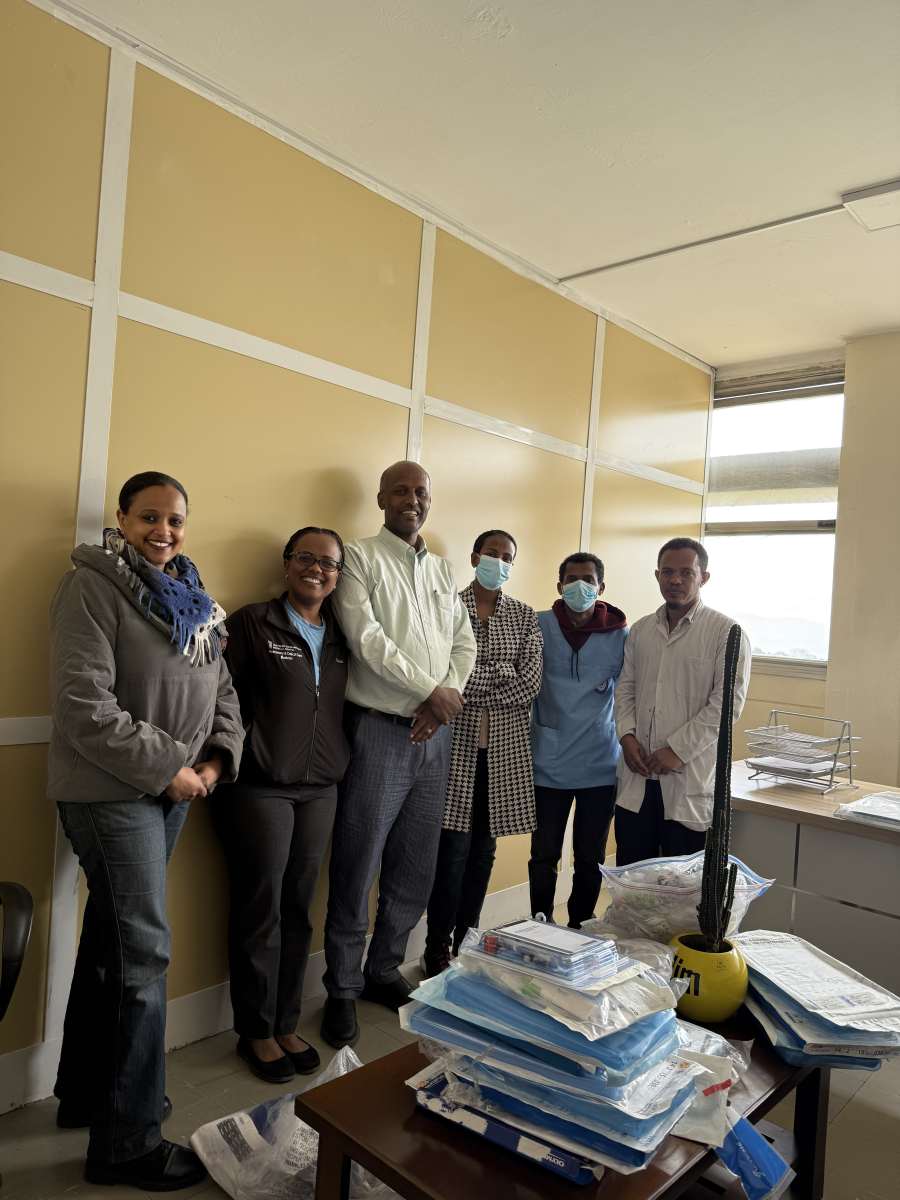
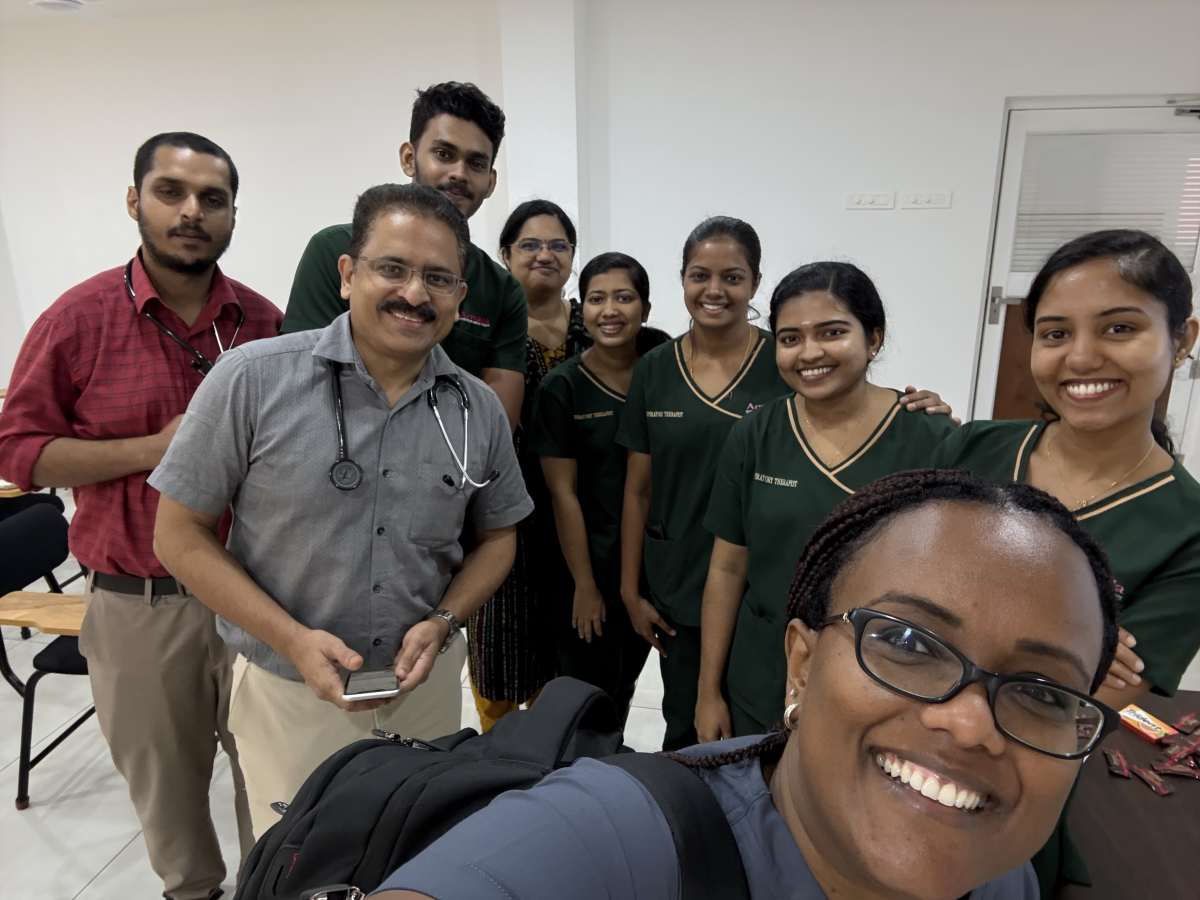


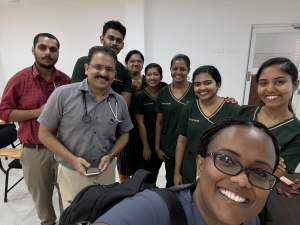
My recent trip to Ethiopia marked a significant step forward in strengthening pulmonary and critical care services in the region. In addition to successfully completing the planned goals of launching clinical groundwork, delivering hands-on mechanical ventilation and critical care training, and advancing plans for the first Interventional Pulmonology (IP) pathway, this trip opened an unexpected and transformative door: a new partnership with a leading public teaching hospital in Addis Ababa that will serve as the site for Ethiopia’s future advanced bronchoscopy and IP training program. Through collaborative discussions, simulation sessions, and needs-assessment meetings, we established a shared vision for building a sustainable, locally led training infrastructure that will elevate respiratory care for years to come. I also strengthened international support by connecting with a hospital in India that has committed to providing mentoring, advanced procedural training, and guidance on program design-an invaluable resource as Ethiopia moves toward developing its first comprehensive IP curriculum.
This trip laid a strong, tangible foundation for the country’s first advanced pulmonary and interventional training model, and none of this progress would have been possible without the generous support of Global Health Equity Partners (GHEP) and the Doximity Foundation Travel Fund. Their commitment to improving respiratory health in low-resource settings enabled the delivery of high-impact training, mentorship, and capacity-building that will continue to expand long after this trip. I am deeply grateful for their investment in this mission and for believing in the future of pulmonary care and medical education in Ethiopia.