During the surgical mission trip to Ecuador, our team of surgeons, nurses, and volunteers will be traveling to Riobamba, in the Chimborazo province of the central Andes mountains. Here, we are working with Partners for Andean Community Health (PACH), a US based nonprofit that supports and runs the operations for Hospital FIBUSPAM. This is a growing primary and subspecialty care hospital increasing access to care for the local and regional population of the area, where our team will screen adults and children with strabismus and oculoplastics related conditions that impact vision, health, and quality of life. Oculoplastics conditions include disorders of the eyelids, lacrimal system, and orbit - the periocular region - and parts of the face. Examples of the types of cases we see are blocked tear ducts, adults and children with mechanical eyelid problems that impact vision and protection of the eyes, as well as trauma and tumors of the orbit and periocular region. Strabismus is an ocular misalignment disorder that can result in permanent visual deficits in children, and functional vision problems for adults. Following screening, our team will perform approximately 25 to 30 surgeries on adults and children impacted with these conditions. Postoperative care will be carefully conducted by our team on site, as well as with close collaboration and telehealth approaches following completion of the surgical mission.
Our surgical mission will increase access to care for the underserved of the Chimborazo province, which demographically remains the lowest income region of the country. Here, we will see the local population of Riobamba, as well as the surrounding Quechua population in the rural and mountain areas. This population has ties to ancient groups of the region, including the Inca people from the south. Traditionally, due to their geographic location in remote areas, they have had a long-standing history of limitations to accessing subspecialty and vision care. For this reason, we have been assisting PACH and Hospital FIBUSPAM with advanced specialty and surgical care for this population.
Our immediate expected impact is to improve the quality of life, vision restoration and preservation for the oculoplastics and strabismus patients that will be direct recipients of our care. Furthermore, we are working directly with two staff Ophthalmologists of the hospital that are on full-time faculty, and will continue to learn and advance their surgical skills and techniques from our training. Our team staff and volunteers will also be working with the hospital staff on matching skills and knowledge bilaterally. Of course, over many years of doing surgical missions and developing global programs, we have seen that we learn as much as we teach as these programs grow year on year. Instruction from our time there will carry forward after the surgical mission, as more patients from the region with similar conditions will continue to be treated and receive surgical care throughout the year. Using telehealth approaches, we will continue to collaborate and provide advice and direction during this time. From a community standpoint, PACH and Hospital FIBUSPAM are closely tied with the regional rural communities in supporting health caravans and education for community health workers, which will further improve access to care over time. We hope to continue to grow this program which has demonstrated consistency and sustainability.
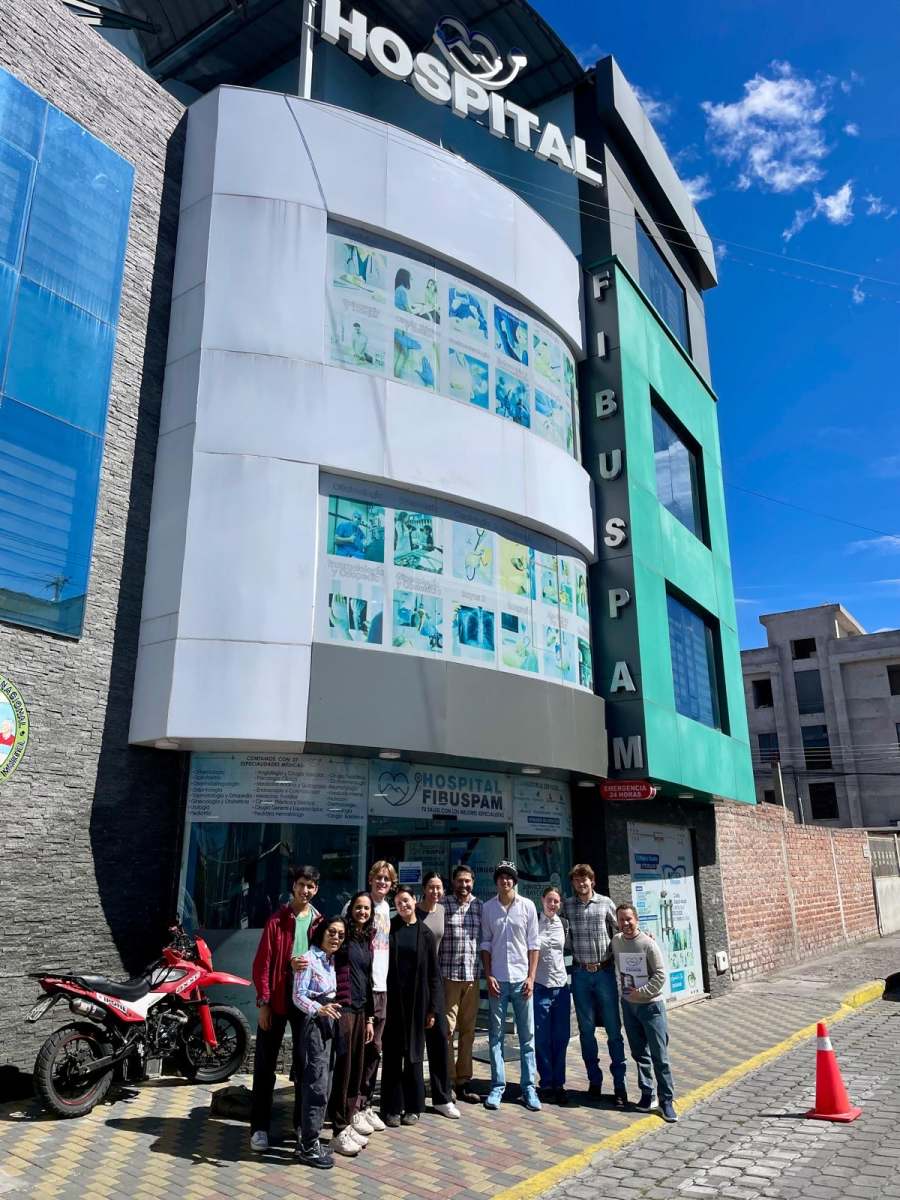
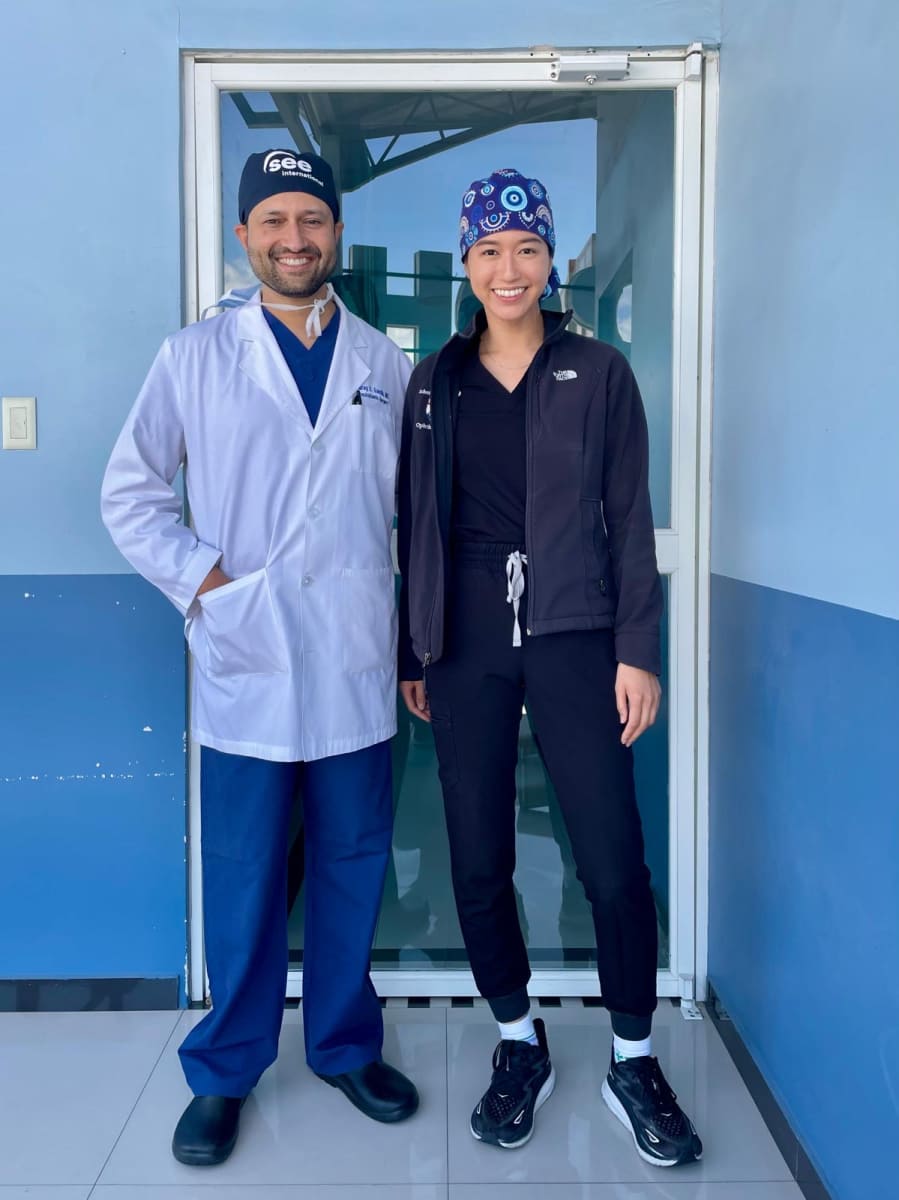

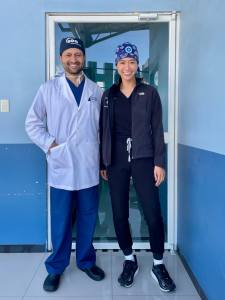

In July 2025, I joined Dr. Parag Gandhi and a multidisciplinary team on a surgical mission to Riobamba, Ecuador, in partnership with Partners for Andean Community Health and Hospital FIBUSPAM. Nestled in the central Andes, Riobamba serves remote mountain communities where access to subspecialty eye care is limited. Our focus was oculoplastics and strabismus- conditions that, if untreated, can cause chronic pain, vision loss, and social stigma.
Over the week, our oculoplastics team operated on sixteen patients, addressing lacrimal obstruction, eyelid malpositions, and periocular tumors. Each case carried challenges we rarely face at home- limited instruments, no frozen section pathology, and patients who had waited years for care. One woman with a large medial canthal carcinoma required a complex multi-flap reconstruction after wide resection, made possible through resourcefulness and collaboration with local surgeons. Her recovery reminded me how transformative access to surgical care can be.
Working alongside Ecuadorian ophthalmologists and staff highlighted the power of partnership and mutual learning. Their creativity and adaptability in the face of limited resources were inspiring. Despite language barriers and long hours, the gratitude of our patients- many traveling hours from rural villages- was profoundly moving.
Leaving Riobamba, I felt renewed gratitude for the tools and training we often take for granted. This experience deepened my commitment to global ophthalmology and to helping expand access to reconstructive and vision-restoring surgery in underserved settings. I am deeply thankful to the organizations that made this mission possible and hope to return to Ecuador to continue this work.