
As a part of the established relationship between the University of North Carolina Anesthesiology department and the Kamuzu Central Hospital in Lilongwe, Malawi, I plan to implement the "training the trainer" course and lead daily educational sessions at UNC Project Malawi, a location with an established relationship of over twenty years. Furthermore, the relationship fostered between these two institutions is helping to educate myself, a soon-to-be PGY-5 Anesthesiology fellow in the United States, and the "Trained Anesthesia Clinical Officers" or TACOs in Malawi, by expanding our knowledge of what typical anesthetic agents look like and do. With this knowledge, I will continue to serve underserved populations at home, through my obstetric anesthesiology fellowship serving high-mortality and high-acuity obstetric populations, and abroad, including a hopeful longstanding commitment to Malawi anesthesia and other global endeavors.
My hope is that by participating in this established relationship between sister institutions across the world, I can continue to contribute to broadening the horizons of anesthetic management and knowledge. I will be educating TACOs daily in the skills and knowledge I have learned in a first world country, and I will be actively participating in morning operating room management to learn the challenges and intricacies of anesthetic management in a resource-poor environment. I owe my education to those that came before me -- for their contributions to medicine and their willingness to serve -- and I plan to give back by learning with an open mind, honing teaching skills, and committing to a longitudinal devotion to the next generation of "anesthesia officers," no matter where they are on the globe.
Malawi is one of the poorest countries in the world due to its struggle with high poverty rates and economic vulnerability. It is a landlocked country in Southeast Africa that is highly reliant on agriculture for income. It is considered a third-world or "Least Developed" country by the World Bank. Unsurprisingly, this economic disadvantage is associated with an overwhelming need for more healthcare providers per capita, and anesthesiologists and anesthesia training officers are no exception. The UNC Malawi Project is focused on the established relationship with Kamuzu Central Hospital in Lilongwe, Malawi, because of this exceptional need to train more anesthesia clinical officers. As my role will be primarily to teach and train TACOs and the TACO trainers, I will be focusing on establishing a self-perpetuating culture of educating providers that will remain in the area they know to provide safe anesthesia to the hundreds of thousands (over one million) citizens that call Lilongwe home.
This rotation will continue an already-established relationship to equip and empower the next generation of anesthesia providers in Malawi. I will be expanding on this program to provide obstetric anesthesia training, continued educational sessions, and a new "train the trainer" course so that simulation sessions may continue in our absence. Additionally, learnings will continue both abroad and when we return through QI data gathering (for education to our department and impact on return to the US), education delivered to the training clinical officers, and access to donated equipment to increase safety measures and support the Malawian clinical officers (and other healthcare providers in the system) with the tools they need to provide tailored anesthetic management for years to come.

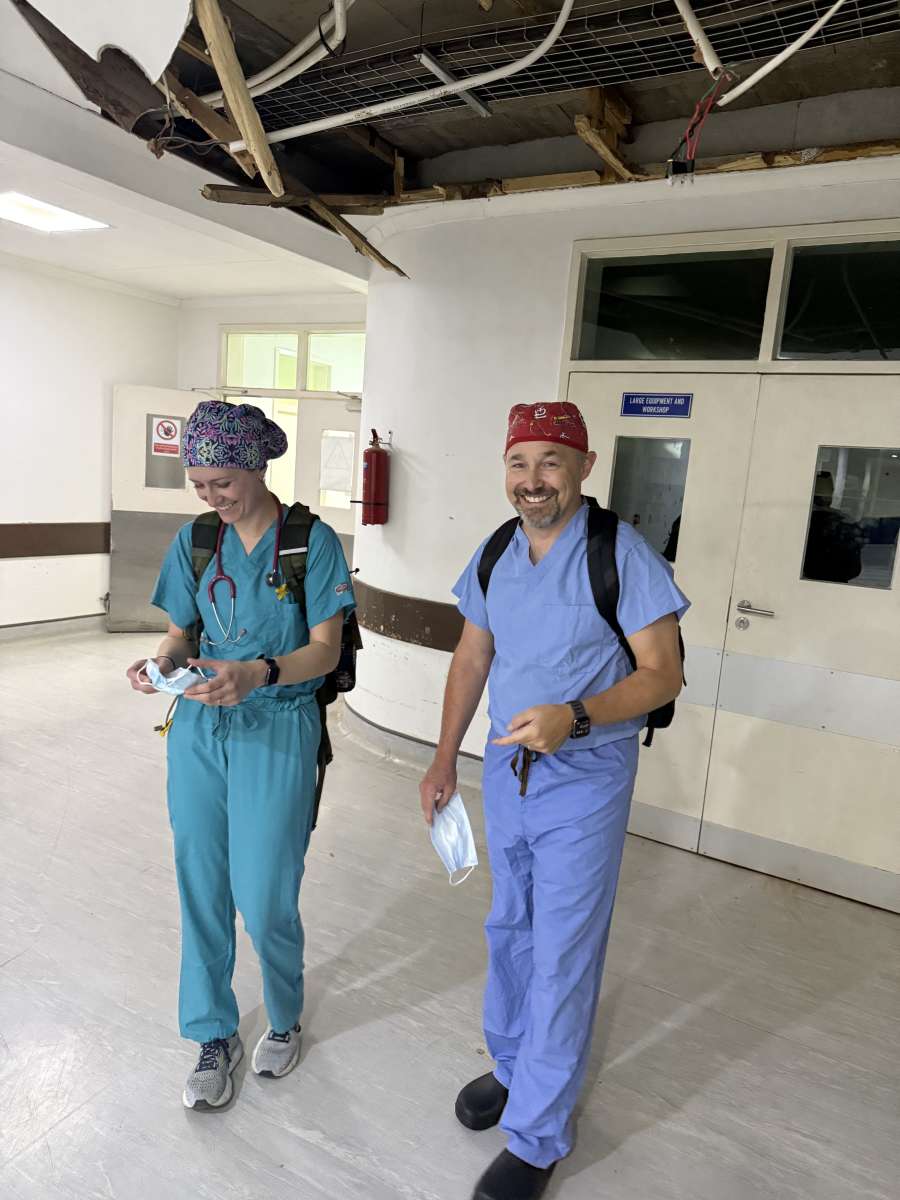
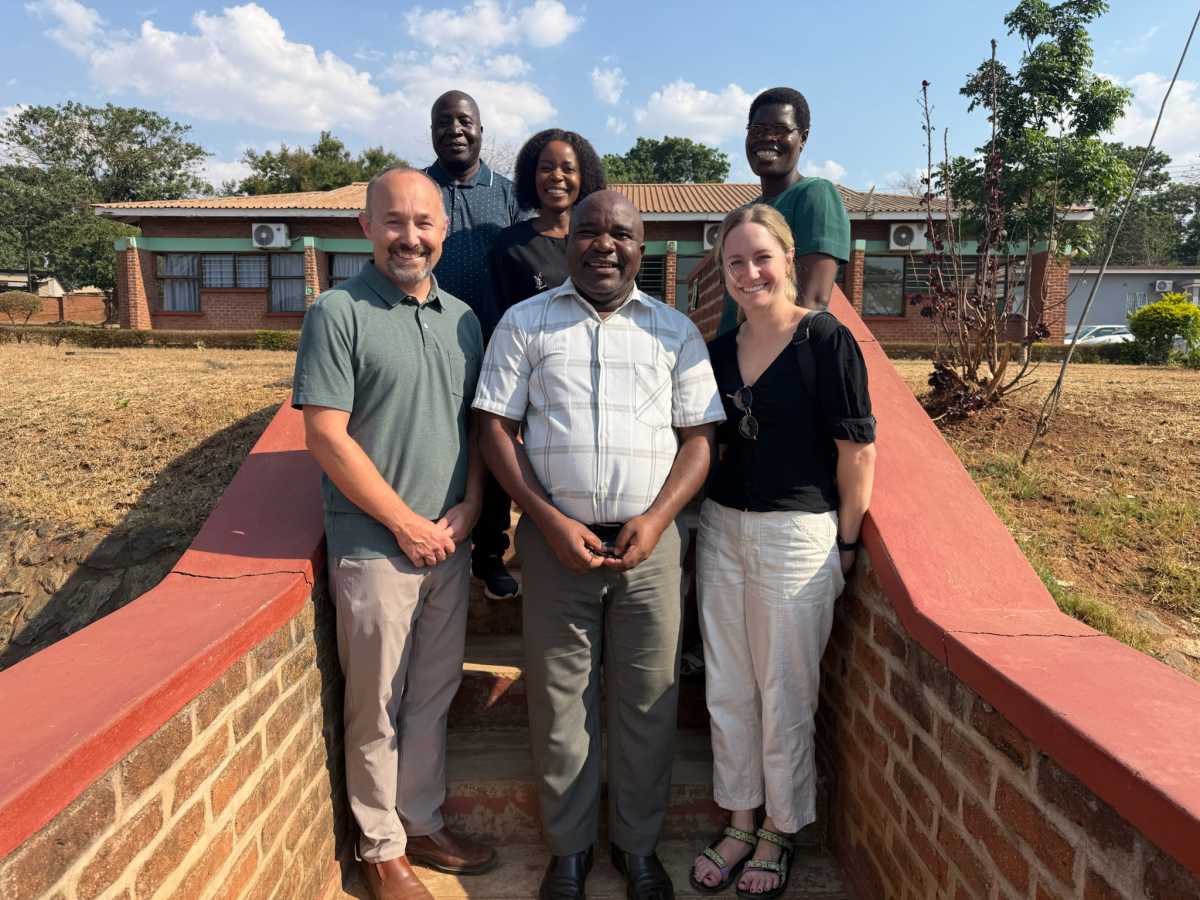

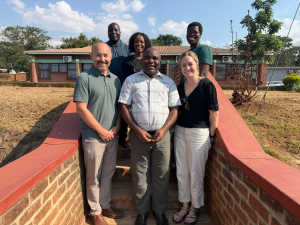
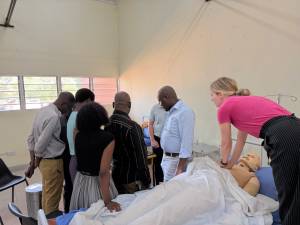
During my two-week medical mission to Malawi, I had the opportunity to work alongside dedicated healthcare professionals striving to strengthen anesthesia education and patient care. Although unforeseen weather conditions prevented our planned outreach to train anesthesia clinical officers at Kamuzu Central Hospital, the mission pivoted meaningfully toward teaching medical anesthesia residents and senior anesthesia clinical officers in several hospital settings at KCH, including ICU regional experience and clinical "shop talks" tailored to local resources.
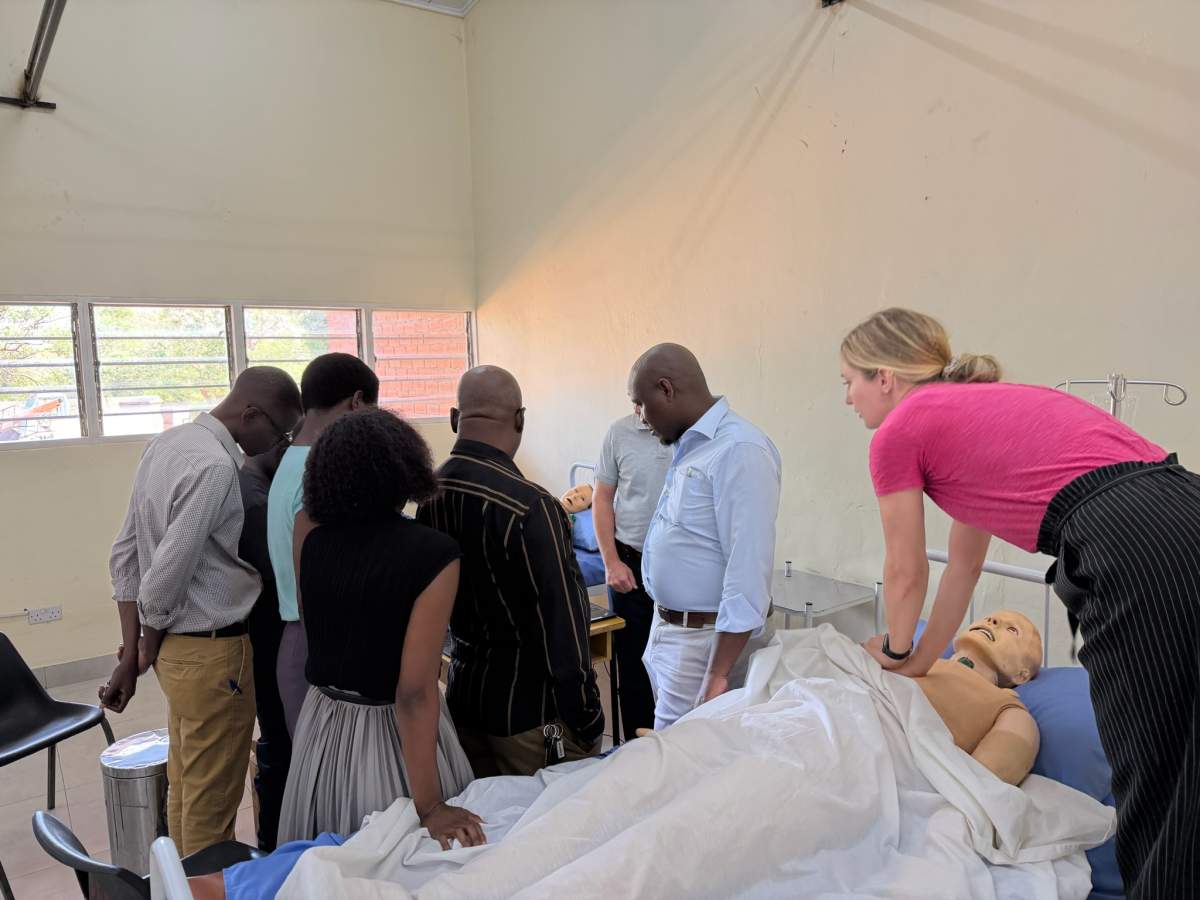
One of the highlights of our trip was leading a “train-the-trainer” course focused on the use of a high-fidelity anesthesia simulator. Our team trained anesthesiologists, internists, nurse educators, and senior anesthesia clinical officers to use this powerful educational tool, which will now serve hundreds of students and trainees in Lilongwe. Seeing their enthusiasm and commitment to advancing their teaching methods was deeply rewarding and underscored the long-term sustainability of our efforts.
The work was not without its challenges. Limited resources, intermittent power, and high patient volumes were daily reminders of the realities our Malawian colleagues face. Yet the resilience, teamwork, and compassion demonstrated in every clinical encounter were truly inspiring. The joy of collaboration and shared learning outweighed every obstacle.
Through teaching, observing, and listening, I gained a renewed appreciation for adaptability and the global interconnectedness of medicine. The experience reshaped my perspective on patient care—reminding me that excellence in medicine transcends technology and relies on empathy, creativity, and dedication.
This mission not only allowed me to contribute to sustainable medical education but also profoundly influenced my growth as a clinician and educator. I left Malawi with immense gratitude—for the lessons learned, the relationships built, and the shared commitment to improving anesthesia care for patients everywhere.