There is a critical shortage of access to plastic surgical care in low- and middle-income countries (LMICs), including Kenya. The Lancet Commission on Global Surgery has identified workforce development as a key priority in advancing global surgical care (Weiser et al., 2008). My project supports this mission by contributing to education and capacity-building efforts through a partnership between Vanderbilt University Medical Center and AIC Kijabe Hospital. I will spend two weeks on-site with the goals of reducing surgical workload for the hospital, supporting technical training for local residents, and initiating future research collaborations.
The training gap is significant: while the U.S. has over 120 plastic surgery residency programs for 330 million people, COSECSA’s 14 countries share just 13 for over 1 billion. In 2019, only 104 plastic surgeons graduated across this entire region (Stoehr et al., 2021). I will work alongside Dr. Peter Nthumba, a Kenyan plastic surgeon and educator, supporting his residency program which currently trains four residents from Ethiopia, Kenya, and Cameroon. These trainees work over 80 hours weekly to meet high demand for reconstructive services, including burns, clefts, and limb salvage. Each day, I will assist in surgeries, offer intraoperative teaching, and deliver lectures on essential plastic surgery topics.
Additionally, I aim to curate online learning resources to address the need—reported by 75% of regional educators—for digital curricula (Elmaraghi et al., 2023). By sharing how I conduct research at Vanderbilt, I hope to promote evidence-based practice and foster sustainable academic exchange between our institutions.
AIC Kijabe Hospital is a tertiary-care mission hospital about an hour from Nairobi. It serves a wide population, including many patients presenting with advanced surgical disease. It is also a regional training hub for Kenyan surgeons through programs in general surgery, neurosurgery, OB-GYN, and plastic surgery. These trainees are the primary beneficiaries of this project. The hospital provides care across Kenya and to neighboring countries like Burundi, Malawi, South Sudan, and Somalia. With just one plastic surgeon per 1 million Kenyans, the demand for reconstructive care—including burn treatment, cleft repairs, and trauma—is overwhelming.
The longstanding partnership between Vanderbilt University Medical Center and AIC Kijabe, active for over 20 years, exemplifies capacity building in global surgery—empowering local providers to care for their own communities without dependence on foreign oversight. Dr. Peter Nthumba has developed a sustainable, independent plastic surgery program and residency. When I work there for two weeks, I will enhance resident education through intraoperative teaching and exposure to new techniques, while supporting—not replacing—their clinical autonomy.
As a U.S.-based plastic surgery resident, I will collaborate with Kenyan residents and faculty in both operative and classroom settings. By sharing evidence-based practices and technical skills, I aim to enrich their training while learning how to manage complex cases in a low-resource setting. I’ll also join outpatient care and post-op follow-up to better understand challenges like transportation, financial barriers, and long-term care.
This collaboration strengthens a self-sustaining system, rooted in education—not short-term care. In a region facing critical shortages of specialists and equipment (Albutt et al., 2019), building human capacity is the most sustainable solution.
This experience will shape me into a more skilled, culturally sensitive, and reflective surgeon. At AIC Kijabe Hospital, I will deepen my understanding of surgical decision-making in resource-constrained settings—developing diagnostic acumen and therapeutic judgment where imaging and technology may be limited. I will learn to weigh operative vs. non-operative options within local constraints and see how excellent care is still possible through creativity and collaboration.
As a guest and learner-observer alongside Dr. Nthumba and his team, I will practice cultural humility, guided by the principle that every interaction—with faculty, staff, patients, and families—requires respect and thoughtful communication. Gaining trust across language and cultural differences will deepen the impact of this collaboration and prepare me to better serve immigrant and underserved populations in the U.S.
This experience will also influence my academic growth. I will keep a reflective journal throughout the rotation to record insights that inform my future practice. Observing how Kijabe Hospital—faith-based and embedded in the national system—coordinates with rural clinics, government hospitals, and NGOs like PEPFAR will broaden my view of systems-based care and follow-up challenges that resonate globally.
Professionally, I hope to build lasting relationships with Kenyan residents and faculty, much like the partnerships I built in Nicaragua as a Peace Corps volunteer. Just as I share learning tools with U.S. co-residents, I will continue to exchange resources with my Kenyan colleagues after this rotation. This bidirectional collaboration may also create future opportunities to host Kenyan trainees in the U.S., extending the reach and reciprocity of this global partnership.


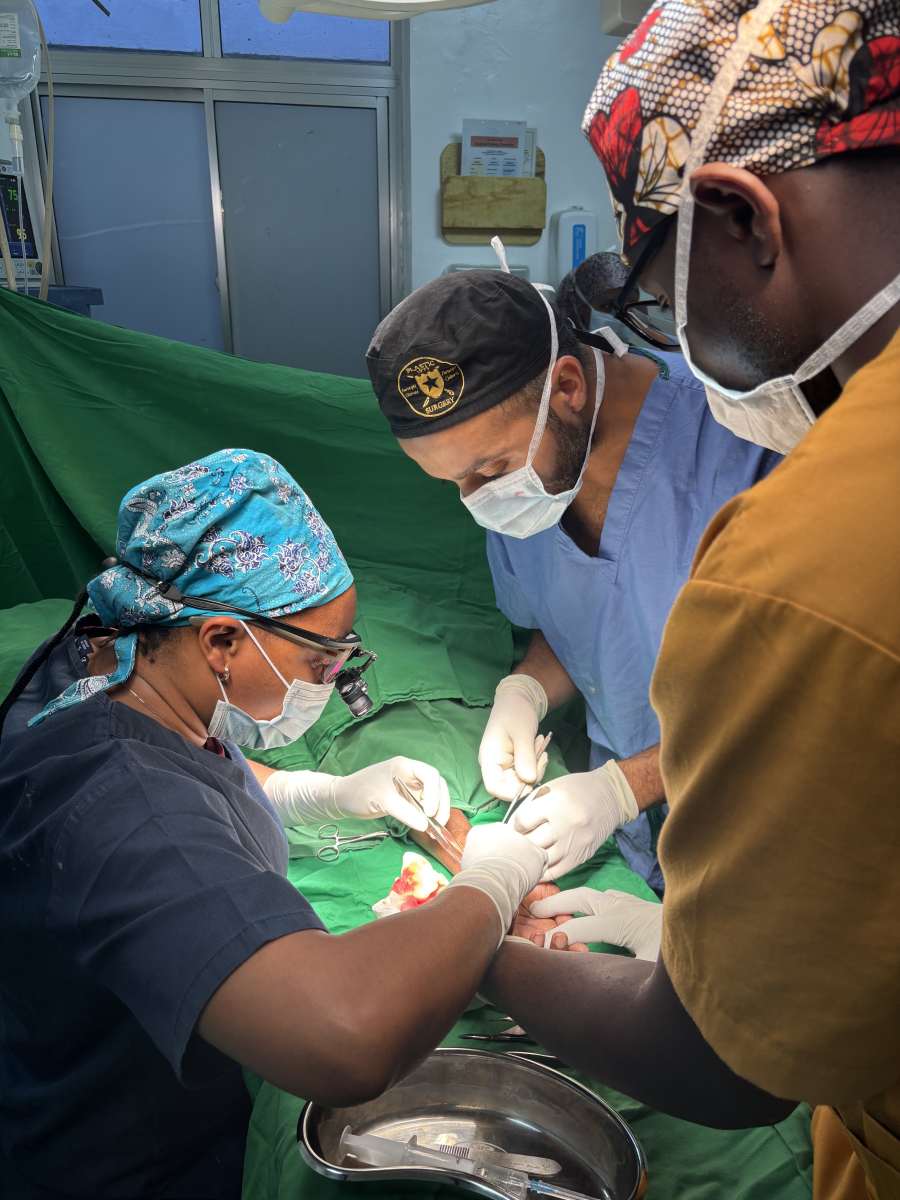
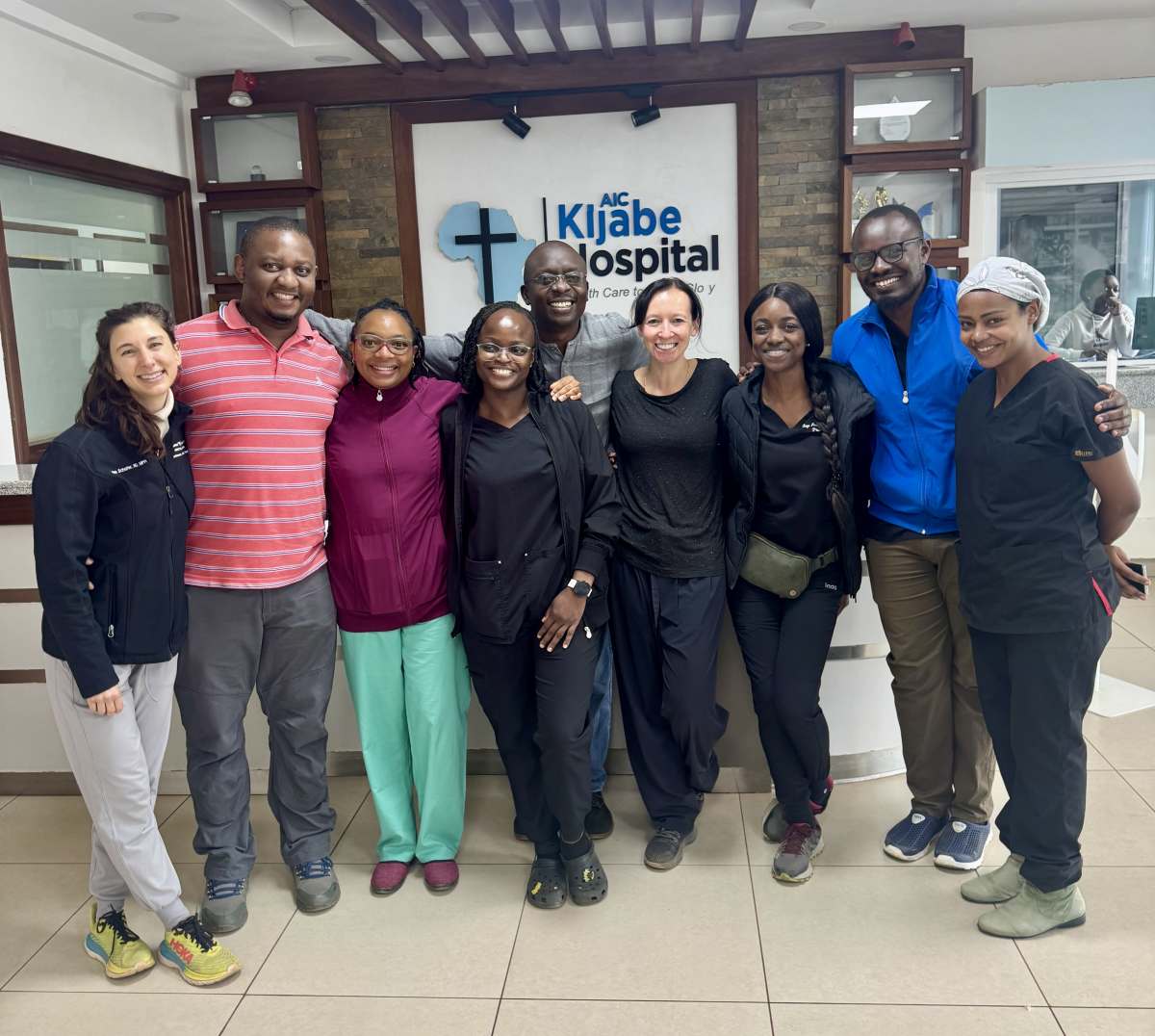


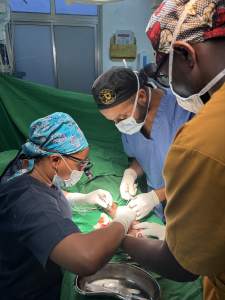
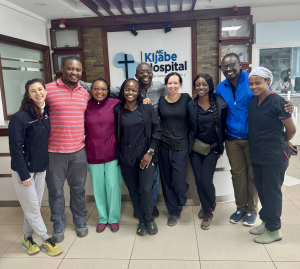

My time serving in Kijabe, Kenya, was profoundly impactful. I worked closely with a highly skilled Kenyan plastic surgery consultant, Dr. Peter Nthumba. Through his partnership with Vanderbilt, he has developed the infrastructure of the plastic surgery program at AIC Kijabe Hospital and now trains plastic surgery residents of his own. I worked alongside Dr. Nthumba and his residents in a truly collaborative environment—we exchanged lectures, taught one another new surgical techniques, and shared educational resources. Together, we cared for more than 25 patients with cleft lip and palate, as well as patients with burns and traumatic injuries. This experience was one of mutual learning and growth. Thank you to the Doximity Foundation for helping make this opportunity possible.