
We are a small group of emergency physicians (attendings and senior residents) passionate about global health equity who have developed a 3-month introductory Emergency Medicine (EM) seminar for senior medical students in Phnom Penh, Cambodia. As EM is still an emerging specialty in Cambodia, we partnered with the Dean of the University of Puthisastra to offer this course as an elective aligned with their accreditation standards (comparable to ACGME). The course follows the Clerkship Directors of Emergency Medicine (CDEM) curriculum and includes 29 live webinar sessions (1.5 hours each), scheduled three times a week from September 4 to November 19, 2025.
This grant proposal supports our 3-day in-person capstone in Phnom Penh, during which my co resident, our associate program director and I will teach clinical skills and lead simulated patient encounters using an OSCE format. Junior medical students will act out classic EM cases to allow senior students to practice history-taking, physical exams, and clinical reasoning. On the final day, students will complete a written exam (40%) and OSCE (60%) to assess their learning. We will also collect feedback to refine future iterations of the course.
Although the physicians involved are affiliated with Harbor-UCLA, this is an independent, self-funded initiative. All participants are volunteering their own vacation time for travel and teaching.
As Emergency Medicine is not a developed specialty in Cambodia, this course will provide medical students with early exposure to the specialty and help equip them to manage patients with life-threatening or urgent conditions. In the 1970s Cambodia experienced a genocide and war that lasted until the early 1990s and the country is still recovering from that tumultuous period. The healthcare system in Cambodia is still undergoing reform and based on my review only one large public university provides postgraduate training in critical care medicine. In an observational study of adults seeking emergency care at two public hospitals in Cambodia, researchers found a high admission-to-death ratio and limited application of diagnostic techniques. Additionally, a cross-sectional survey assessing the capacity of the Cambodian emergency care system highlighted education as a key factor in bridging performance gaps. As such, educational interventions represent a critical area for growth and development of emergency and critical care medicine in Cambodia.
Our goal is to improve participants’ confidence and competence in caring for critically ill patients. The curriculum is designed to build foundational knowledge and practical skills in five key areas:
- Foundational knowledge of Emergency Medicine
- Initial approach to the emergency patient
- Diagnostic testing and interpretation
- Emergency stabilization and resuscitation
- Emergency procedures.
To ensure the course addresses local needs, we are developing a needs assessment to identify knowledge gaps, available resources, and how we can best support the students. The hands-on procedural training during the capstone visit will be a critical component to their critical care education. In partnership with their Dean’s Office, we will assess learner outcomes through written evaluations and OSCEs during the in-person portion. These will be compared to baseline data collected via a pre-course survey.
Using student feedback, assessment results, and overall learner experience, we will revise and adapt this curriculum in collaboration with our partners at the University of Puthisastra. This pilot serves as the foundation as we develop a reproducible model that we hope will eventually be led by local faculty to ensure sustainable growth and long-term impact.
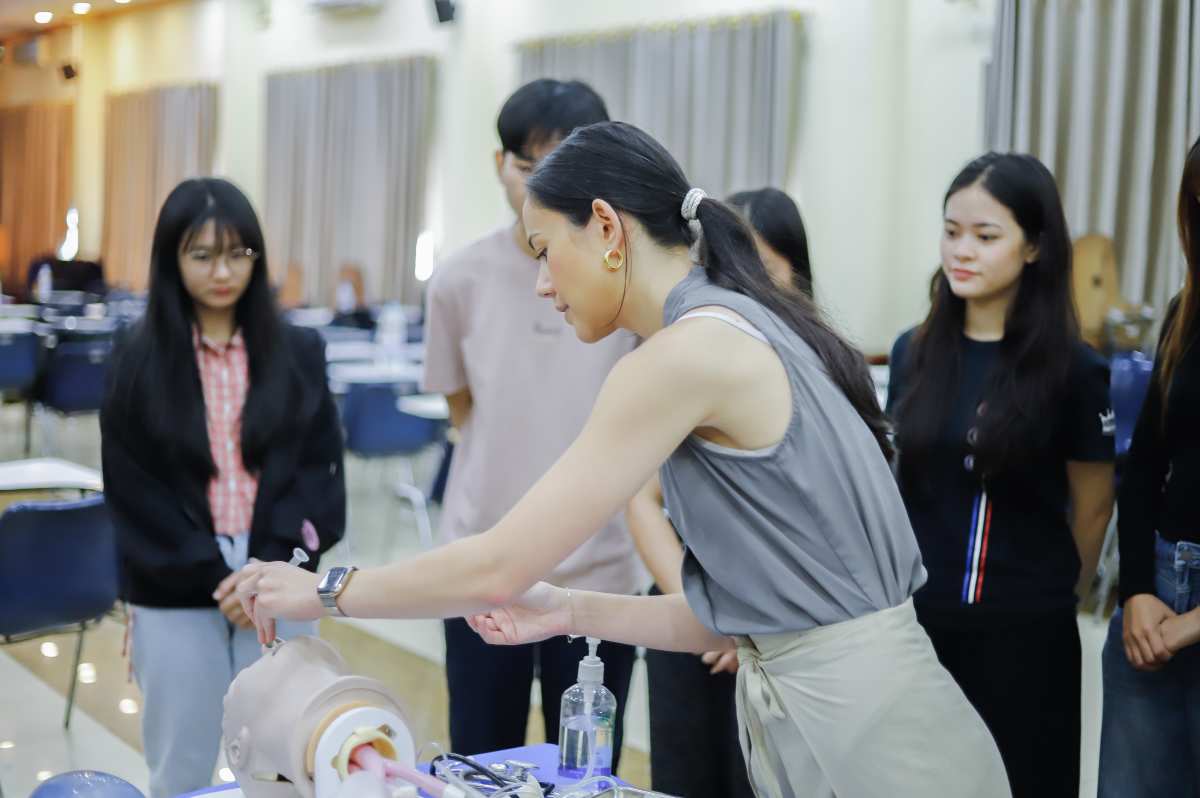

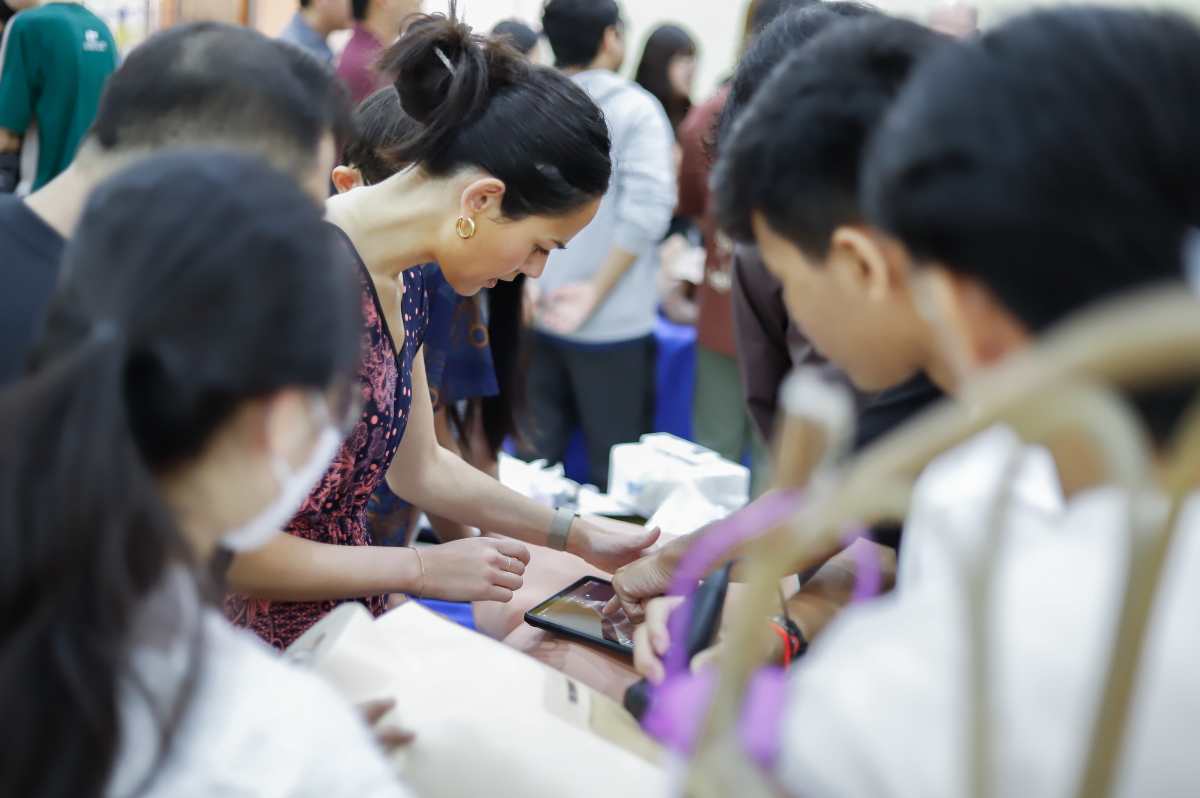
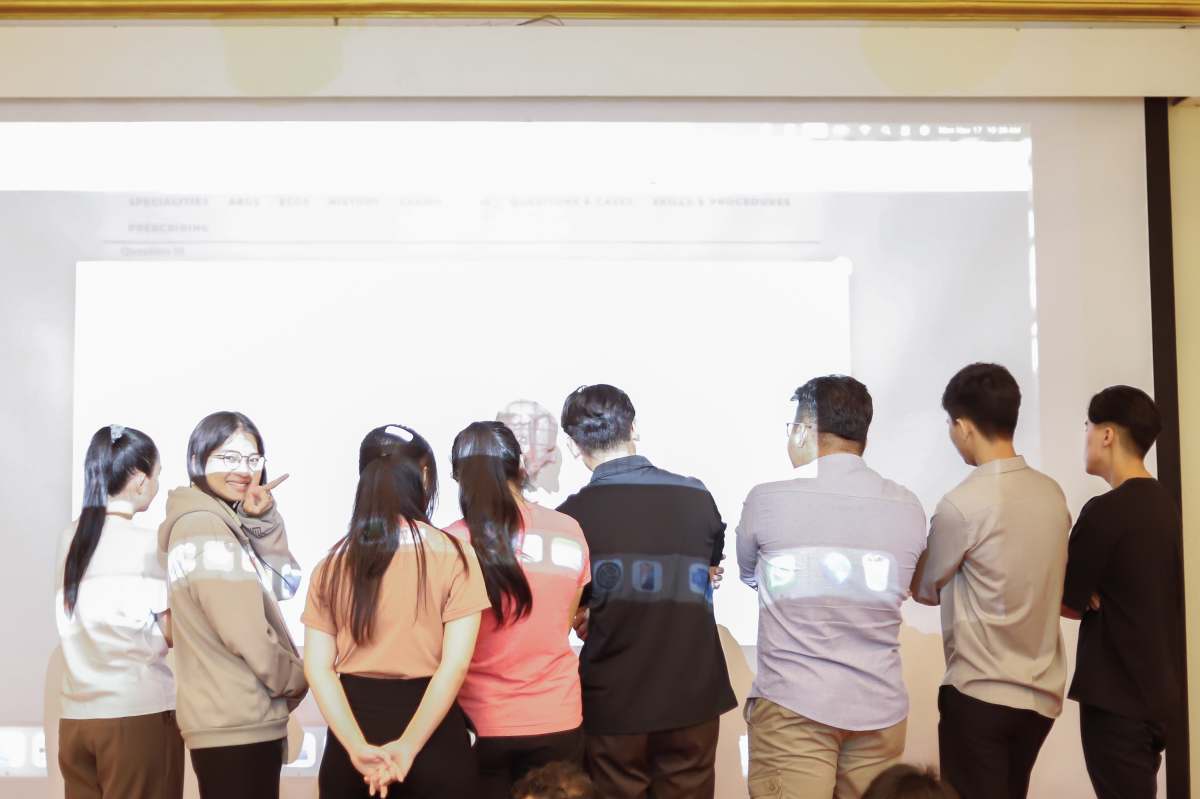
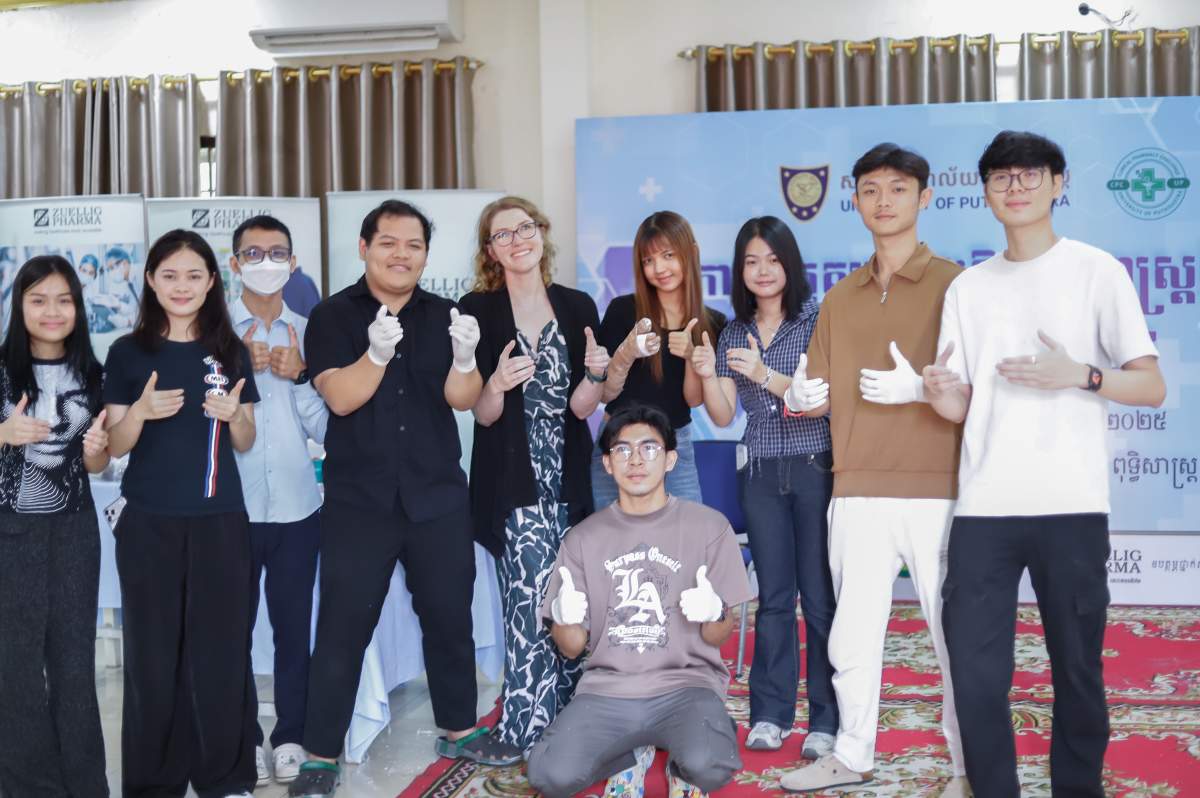

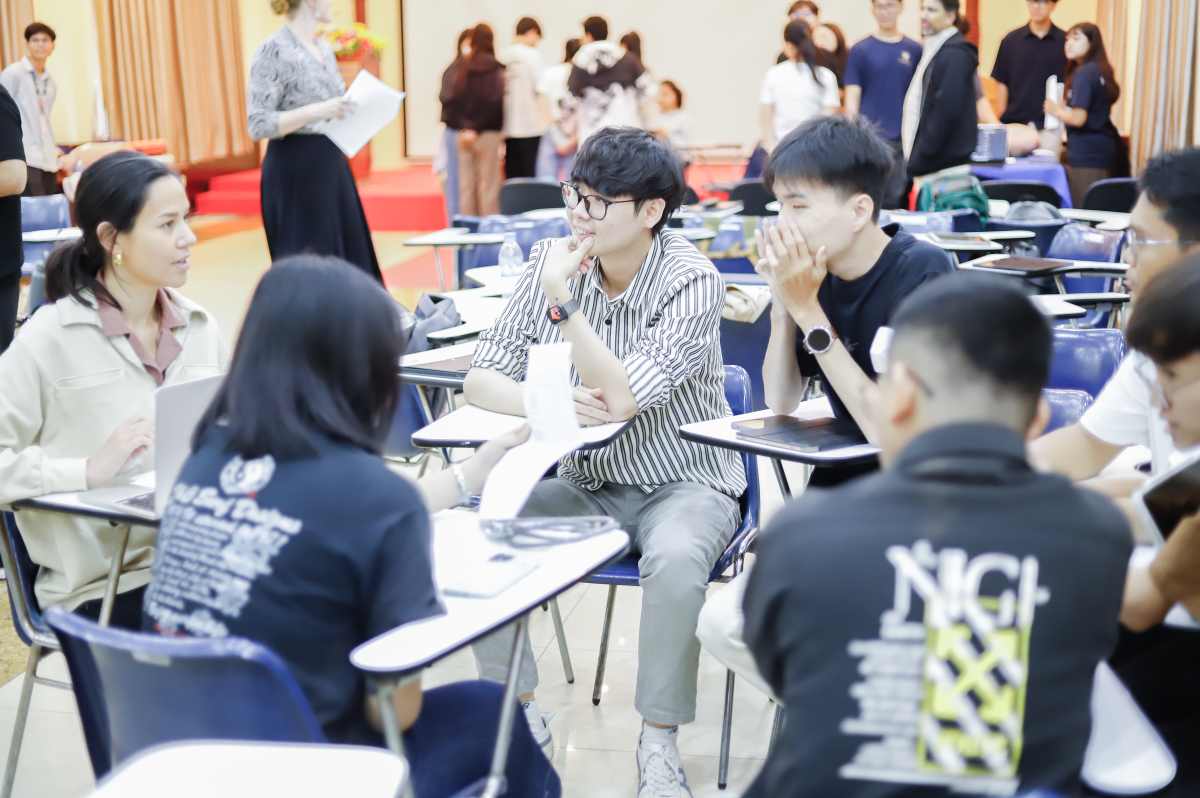
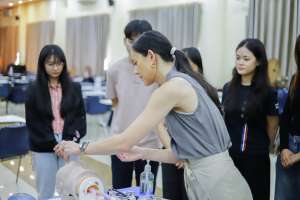
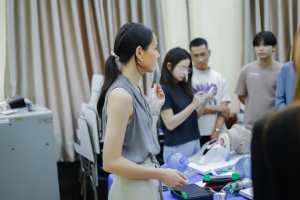
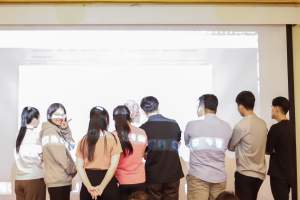
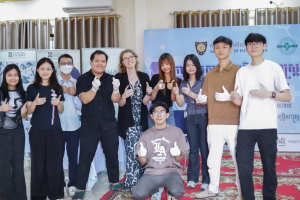

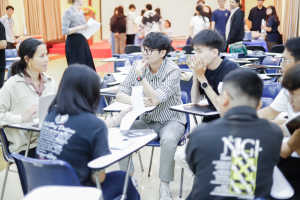
I participated in a meaningful educational trip to Cambodia, where I worked closely with local medical students to support their training in emergency medicine, a field that is not yet established as a formal specialty in the country. It was especially meaningful to work with Cambodian medical students who were highly enthusiastic, quick to learn, and deeply appreciative of the opportunity. Through structured teaching sessions and hands-on learning experiences, this work aimed to expand access to specialty-level education in a resource-limited setting while fostering cross-cultural collaboration and capacity building.