
As part of my OBGYN residency at the University of Minnesota, I will complete a four-week global health elective at Terrewode Women’s Community Hospital in Uganda—a renowned center for fistula care. My rotation will include clinical work in both outpatient and surgical settings, participation in community-based outreach for women’s health, and collaboration on a needs assessment for surgical instrument maintenance and repair.
In addition to gaining clinical experience in a low-resource setting, I will support sustainability efforts through the SHARP (Surgical Honing Assessment Repair Program) initiative. This involves evaluating the center’s surgical tools and helping design a training module for staff on proper maintenance and repair. The program aims to improve surgical safety and longevity of tools, enhancing long-term care capacity at the hospital.
This rotation will not only enrich my global urogynecology training but also contribute to the center's mission, laying groundwork for future collaborations and elective opportunities for other residents interested in fistula care and global surgery.
This project will directly benefit women in Eastern Uganda suffering from pelvic floor disorders, particularly obstetric fistula and childbirth-related injuries. These conditions disproportionately affect women in low-resource settings due to limited access to timely, skilled obstetric care. Many of these women experience long-term physical, emotional, and social consequences from untreated pelvic floor injuries.
By participating in clinical care, community outreach, and capacity-building efforts at Terrewode Women’s Community Hospital, my work will help support the ongoing treatment and empowerment of this underserved population. The hospital staff will also benefit from the proposed surgical tool maintenance and training initiative, designed to promote safer, more effective surgical care and sustainability over time.
This project is deeply personal to me. I was born in Liberia and raised in Sierra Leone and Nigeria, regions where access to specialized pelvic floor care is similarly limited. My long-term goal is to become an academic urogynecologist with a focus on improving pelvic floor health globally, especially in low-resource settings like those I come from. This experience will not only strengthen my clinical and surgical skills in managing complex pelvic floor conditions, but also help me build the cultural competency, global partnerships, and program development experience I’ll need to support sustainable health solutions in the future.
The expected impact of this project is twofold: immediate and long-term. In the short term, it will support the care and empowerment of women in Eastern Uganda suffering from pelvic floor disorders by contributing to clinical services, public health outreach, and training initiatives at Terrewode Women’s Community Hospital. The introduction of a surgical instrument maintenance and repair training program will also help improve the safety and sustainability of surgical care, directly benefiting the hospital’s ability to serve its community over time.
Upon returning, I plan to share what I’ve learned through presentations, case discussions, and global health forums at the Dox Foundation, University of Minnesota and beyond. This experience will enrich my training as a future urogynecologist, equipping me with a deeper understanding of care delivery in resource-limited settings, global health systems, and culturally responsive practices. These learnings will shape my future efforts in building global partnerships, leading educational initiatives, and designing sustainable women’s health programs in underserved areas, especially in the countries where I grew up.

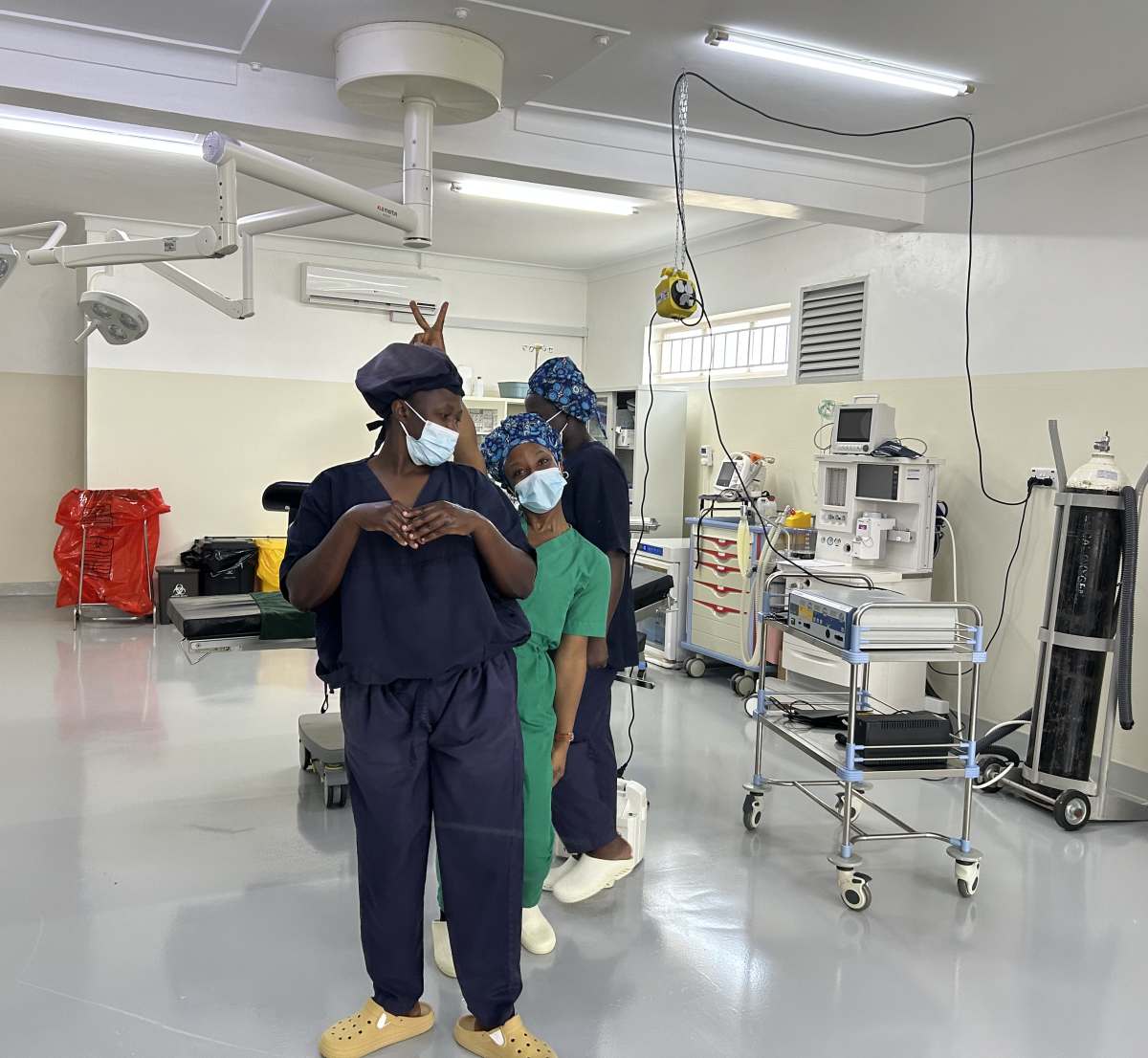




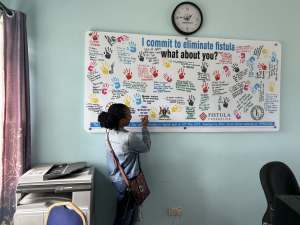

The Doximity Foundation–sponsored trip to Uganda allowed me to work directly with women who have been profoundly impacted by preventable and treatable obstetric and gynecologic conditions. During my six-week elective rotation at Terrewode Women’s Community Hospital in Soroti, Uganda (a specialized fistula and pelvic floor center) I encountered patients whose lives had been altered not only by physical injury, but also by social isolation, psychological trauma, and economic hardship.
The primary individuals impacted by this trip were women living with unrepaired pelvic floor injuries, including third- and fourth-degree perineal lacerations, obstetric fistulas, and congenital genital malformations. Many of these conditions are rare in high-resource settings but remain tragically common in low-resource environments where access to timely obstetric care is limited. These women often live with chronic flatus, stool, or urinary incontinence for years or decades, resulting in shame, abandonment, and exclusion from their communities.
One woman I met sustained a fourth-degree perineal laceration during her first delivery in her late teens and lived with flatus and stool incontinence for over 40 years. Because of the stigma associated with her condition, she was isolated from her family and lived alone in a small hut behind her compound. Her story was not unique, many women arrived at Terrewode having endured decades of suffering in silence before finally accessing care.
I also cared for women who developed iatrogenic injuries during childbirth that led to vesicovaginal fistulas and continuous urinary incontinence. One such patient, CN, was a young woman who had recently married and was in the process of starting a boutique business. She developed preeclampsia with severe features, underwent a cesarean delivery for an unclear indication, and tragically lost her child. Shortly thereafter, she developed a 3 cm vesicovaginal fistula. Within one month, she lost her business and her husband left her. CN cried almost daily during rounds as her surgical repair was repeatedly postponed due to persistently severe blood pressures. Her hope was simple yet heartbreaking: that repair of her fistula might allow her husband to return. When asked about future pregnancies, she expressed deep fear of becoming pregnant again but also anxiety about how she could maintain her marriage if she could not bear children.
In addition to acquired injuries, I met women born with congenital genital malformations such as cloacal malformation and transverse vaginal septum, many of whom had undergone multiple failed repairs before arriving at Terrewode. One woman with a transverse vaginal septum ultimately underwent septum resection, neovagina creation using her labia minora, vaginal dilation, and fulguration of endometrial implants in her bladder. While hospitalized, she experienced her first menstrual cycle in over a year, an emotional milestone representing both physical healing and restored dignity. Another woman with cloacal malformation achieved stool and flatus continence following a posterior sagittal anorectoplasty.
Beyond surgical care, I witnessed how Terrewode’s holistic model profoundly impacts patients’ lives. The center addresses not only medical and surgical needs, but also the psychological, social, and economic consequences of these conditions. Women receive counseling, participate in skills-based vocational training, and engage in community reintegration programs designed to restore dignity and independence. Terrewode also provides seed funding to help women restart small businesses and regain financial stability. Patients are followed for a minimum of two years to ensure long-term recovery and reduced risk of recurrence.
This experience also profoundly impacted me as the recipient of the Doximity Foundation award. Clinically, I gained exposure to complex pelvic floor conditions that are rare in high-resource settings, strengthening my diagnostic reasoning, surgical understanding, and appreciation for multidisciplinary care. More importantly, witnessing the intersection of medical illness with social vulnerability, gender inequity, and mental health reshaped how I understand women’s health. I learned that meaningful care does not end with surgical repair, it requires sustained investment in mental well-being, economic empowerment, and community support.
Importantly, this experience has inspired me to serve as a bridge between the University of Minnesota and Terrewode Women’s Community Hospital. I am committed to helping establish and strengthen a collaborative relationship that will allow future UMN obstetrics and gynecology residents to rotate at Terrewode, learn from its dedicated providers, and engage with the resilient community of women it serves. By sharing my experience with colleagues and program leadership, I hope to help create sustainable pathways for future trainees to gain exposure to global women’s health, complex urogynecologic care, and culturally grounded, patient-centered models of healing.
Through this collaboration, future resident physicians will be impacted by the same lessons that shaped my own training—learning not only advanced clinical skills, but also humility, cultural sensitivity, and the importance of advocacy for underserved populations. The Doximity Foundation’s support thus extends beyond my individual experience, creating a ripple effect that will influence patients, providers, and trainees for years to come.