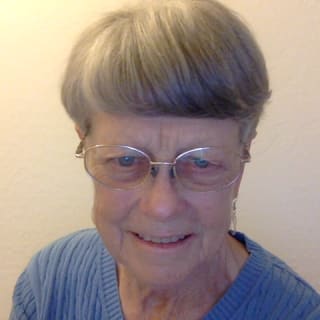
I will accompany surgeons and anesthesiologists on an educational trip. I will be focusing on patient safety, primarily in the areas of preoperative evaluation and postoperative care
Pediatricians, Surgeons and Anesthesiologists, including trainees, with benefit to those they serve.
The intent is to provide practitioners with skills in evaluating children for surgical procedures, and in providing evidence based postoperative care, including pain control.


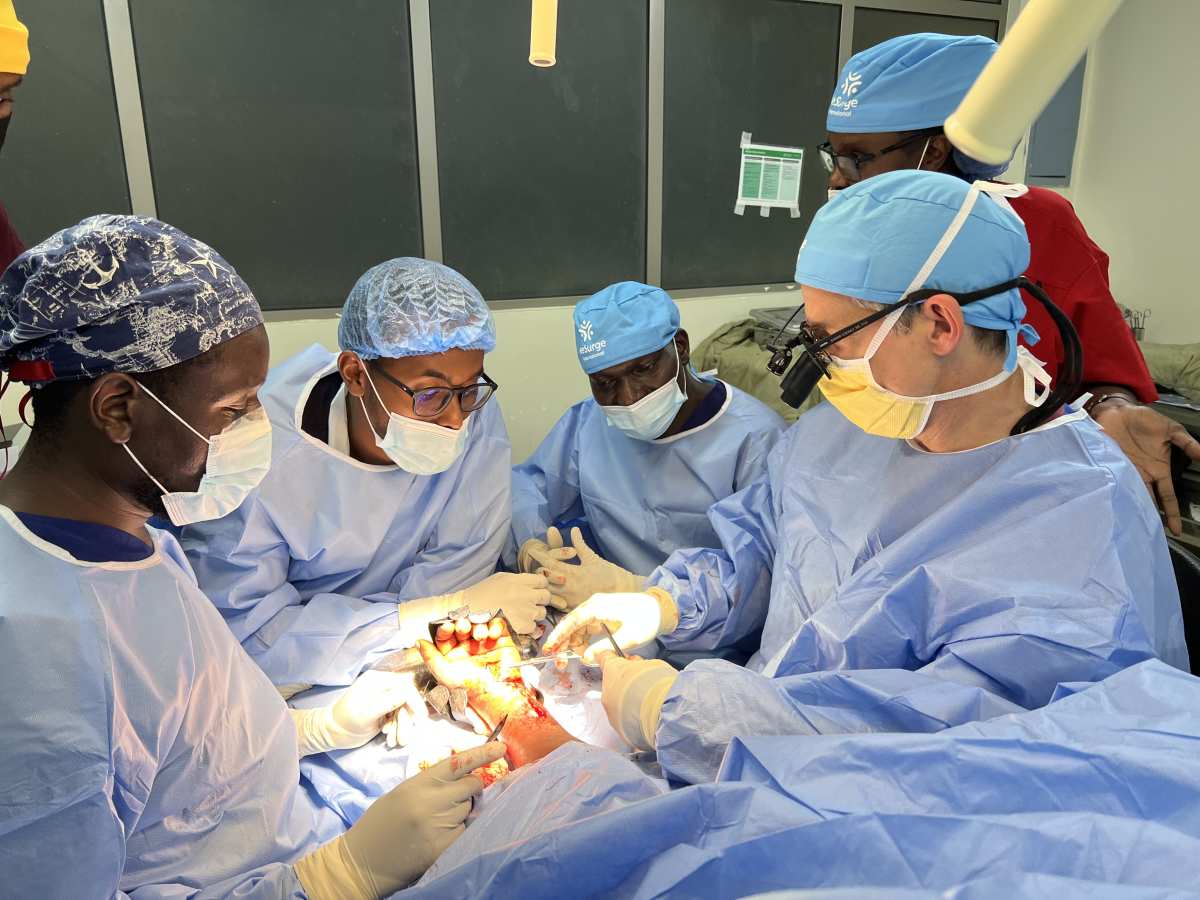


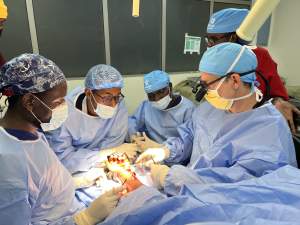

This was a teaching mission. The organization with which I serve, (Resurge International), is focused on training medical professionals in order to increase the capacity of low resource
countries to provide care for their citizens. As the Pediatrician, I was involved early in patient evaluation; seeing each patient who was selected for surgery to ascertain that the patient did not have medical contraindications to the proposed surgery, and that they were in sufficiently good general health that the surgery could safely proceed. We kept a log of the patients cleared for surgery, and modeled a system of patient identification, and a presurgical check list including name, medical record number, weight, proposed surgery and site, any allergies, current medications, as well as any chronic health problems and pertinent laboratory values so that this information was readily available to the anesthesiologist, and the rest of the surgical team. This had not been standard practice at this site previously. The local team picked up and began to adopt some of these practices. Of note was the adoption of the WHO surgical safety checklist by the operating room nurses and anesthesiologists.
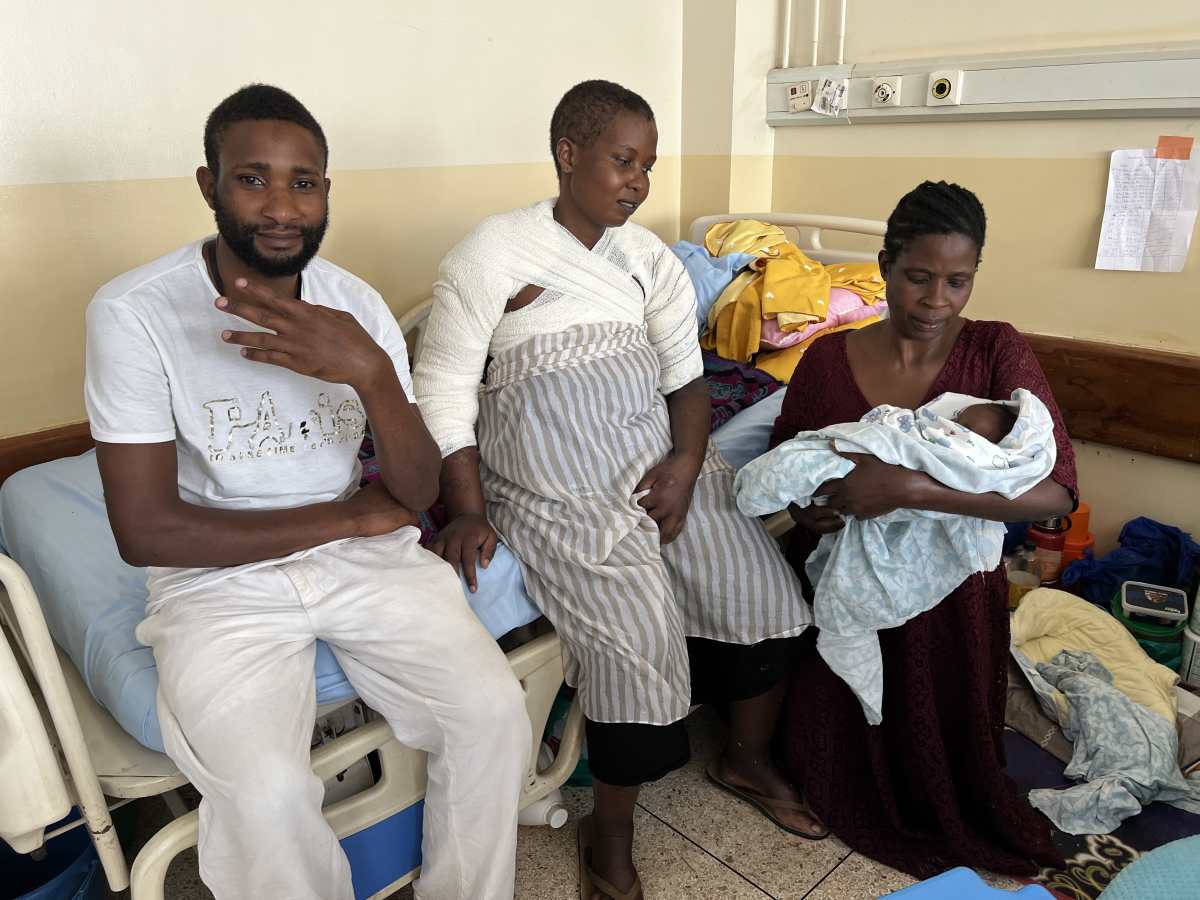
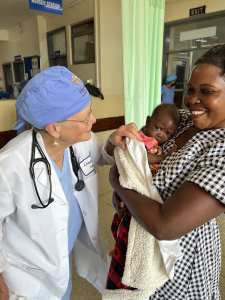
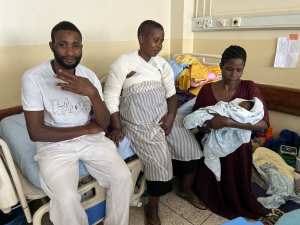
While there, I was also asked to consult on the premature infant of a mother who had been badly burned during the pregnancy. There was no Pediatric service in this particular hospital, so I examined the infant and set up a feeding program and surveillance suggestions for him, as well as supported the maternal grandmother who was providing care for the baby. As is frequently the case in many resource limited countries, the family provided a good deal of the patients care, and in this case the baby was "boarding" in the hospital so that the family could care for the mother. The maternal grandmother was grateful for the feeding plan and suggestions and for being recognized as a motivated and savvy caregiver for the infant.
Because this was a teaching mission, all participants had been asked to prepare talks. Unfortunately the head nurse , who had requested talks on some specific topics, was unable to arrange time for her staff and for the residents to be free to attend. I was able to present on the topic of pediatric pain control during one morning slot before rounds, and reviewed some of the other topics on a one to one basis, which was it helpful.
I had the privilege of spending some time with one of the medical interns who provided much of the day to day care of the patients on the burn who were recovering from acute burns, or were post surgical following surgery for mitigation of burn scar contractors. We spent some of her precious "free time" discussing the work she was doing, and her plans for her medical career. She educated me on the medical training system in Uganda, and I was able to introduce her to some resources which are readily available for teaching patients and staff. She appreciated the interaction, as did I.
It is often difficult to know what impact one has in a mission such as this one. It was limited to 5 days of actual time in the hospital, with a small team. I would like to believe that I left some of the medical professionals with whom I had contact, some ideas on patient care, and specifically with regard to patient centered care and respect. Several patients who were waiting for, or hopeful to access surgical care felt that they were unnoticed and not informed about logistics. I was able to intervene on their behalf, and the host medical professionals responded kindly and tried to keep the patients better informed with regard to time schedules, OR schedules, etc.
Our team acted as a unit, with communication between members and respect for input from all. Such interactions are not easily counted as metric, but can make a significant difference. Thank you for making this opportunity possible.