
We are planning an Anesthesia Safety Workshop in Kenya preceding the international CANECSA anesthesia conference, with support from the non-profit Resurge International. The structure of our workshop will be as follows: our morning sessions will be focused on case-based discussions (PBLDs) covering common Resurge operations, such as cleft lip/palate and burns. These would be followed by afternoon rotations through smaller, interactive, hands-on workshops covering key practical skills, including:
-Advanced airway management (especially pediatric scenarios like laryngospasm)
-Point-of-care ultrasound (POCUS) for line placement and regional
-Clinical decision-making using cognitive aids (eg, Stanford's Emergency Manuals)
-Vital Signs Directed Therapy protocols in the OR and PACU
The topics were chosen with input from the African anesthesia providers. These small group interactive teaching will enable the anesthesia providers to improve patient safety and improve perioperative outcomes.
This anesthesia safety workshop will train approximately 15 African anesthesia providers affiliated with ReSurge operation sites.
The countries the providers are from include: Tanzania, Ethiopia, Uganda, Zimbabwe, Zambia, and Malawi.
The project aims to improve perioperative patient outcomes at ReSurge global operating sites by enhancing anesthesia safety standards, reducing morbidity and mortality, and improving the quality of anesthesia care provided by local practitioners through targeted education.
We plan to livestream and recording our sessions on YouTube to broaden our reach and help the attendees take the teaching home to their colleagues.
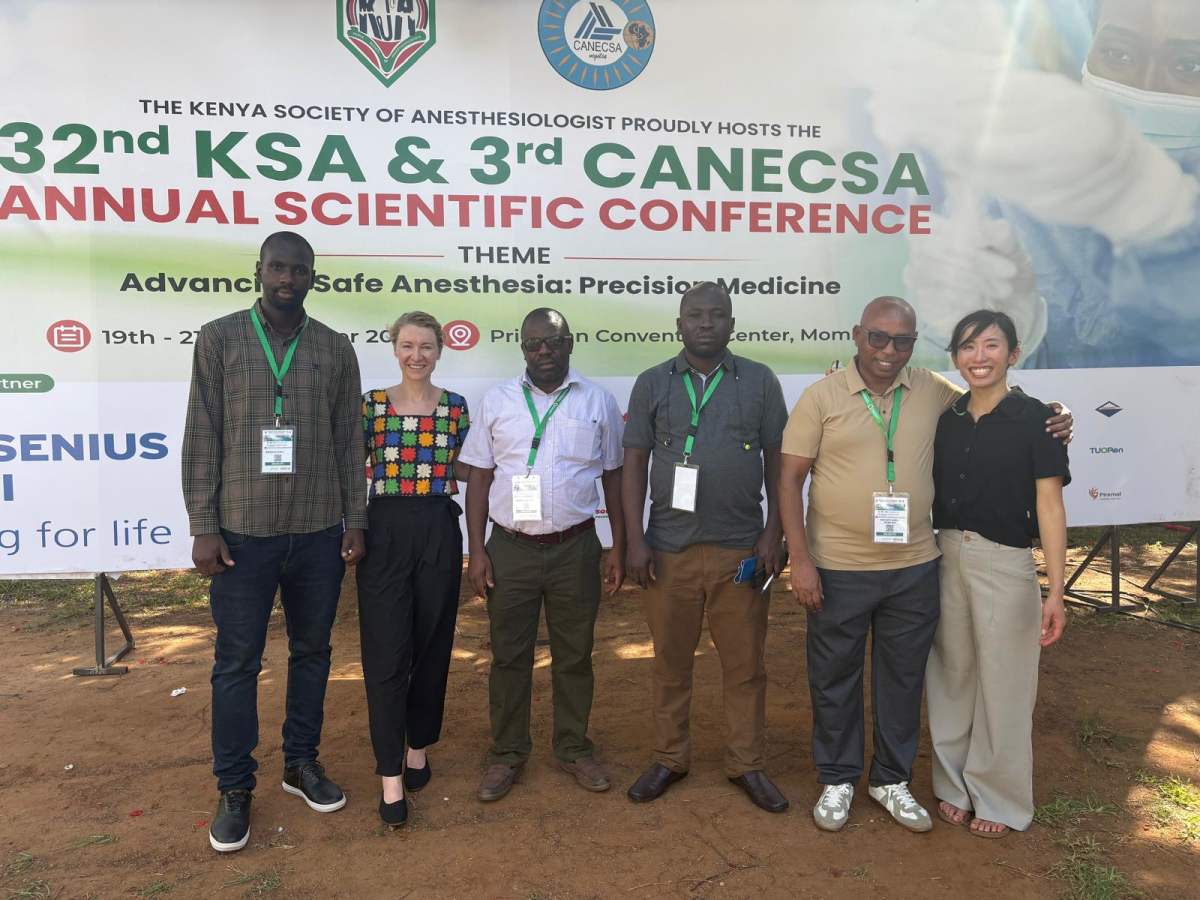

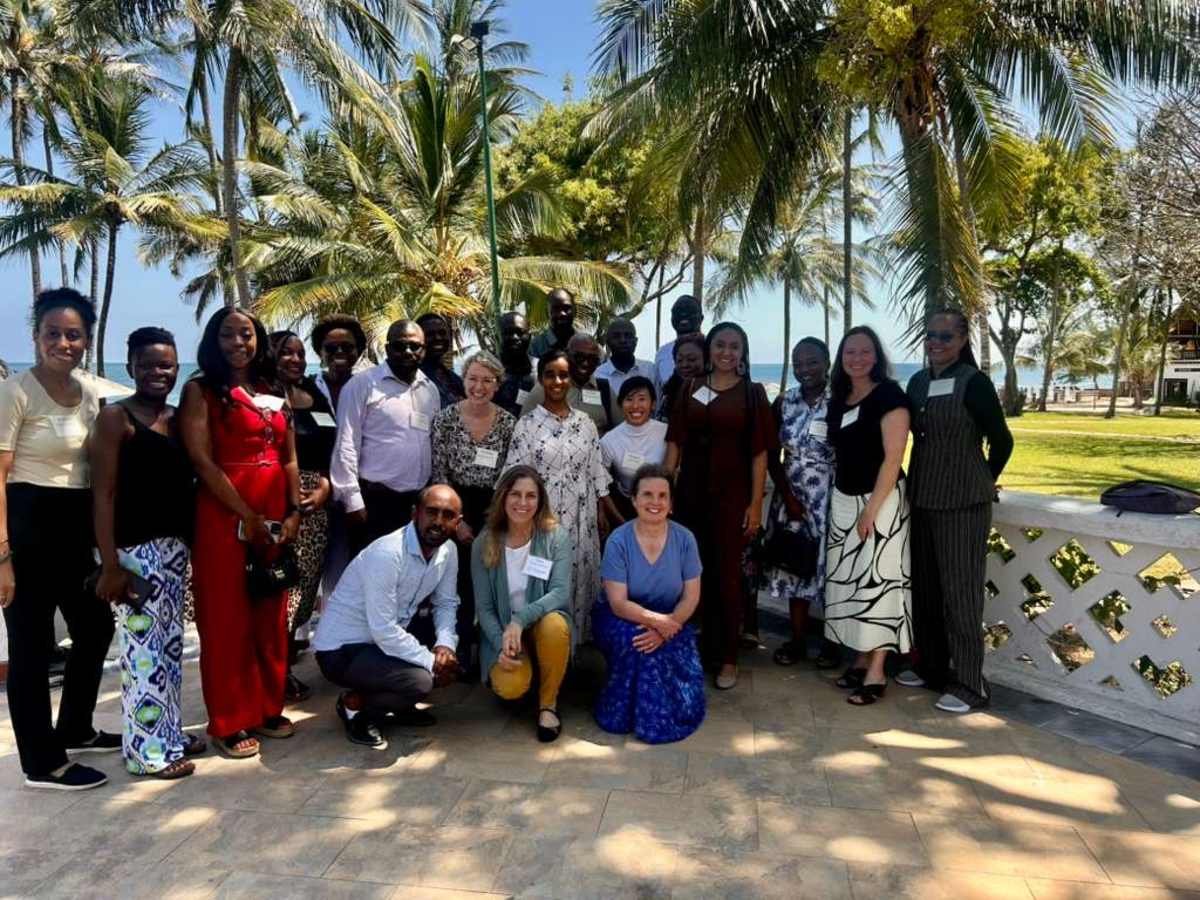


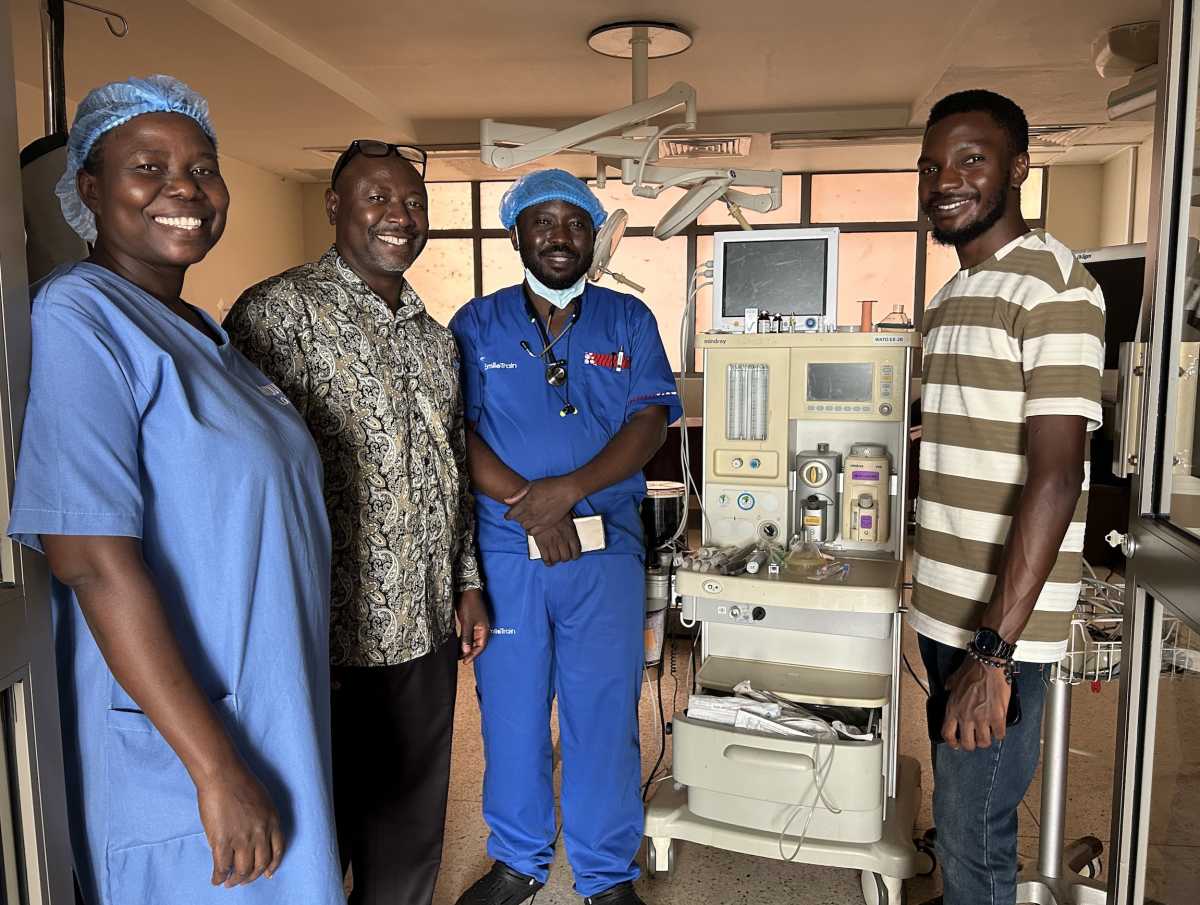



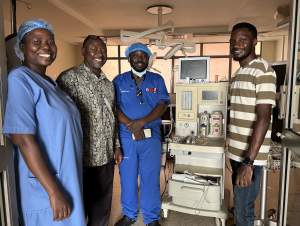
This year, I joined Resurge as the newly appointed Anesthesia Safety Officer. This trip to Uganda and Kenya–with the airfare generously sponsored by Doximity–was my first trip in this role. My journey began at Kirrudu Hospital in Kampala, Uganda, the national burn referral center. Observing the front lines of care there—where the operating rooms are managed almost exclusively by anesthesia nurses and the ICU relies on just two ventilators for the entire hospital—provided a sobering and essential needs assessment. I spent my time establishing vital relationships with the primary nurse anesthesia providers and evaluating how we could adapt advanced safety protocols to a setting where equipment, such as pulse oximeters, end-tidal CO2, and other monitors, is a rare luxury.
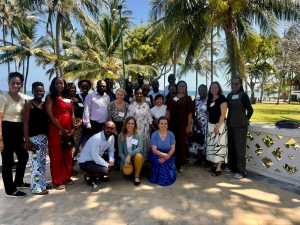
I next traveled to Mombasa, Kenya, where I helped organize a two-day Anesthesia Safety Symposium in Mombasa, Kenya, in coordination with the CANECSA Annual Scientific Conference. I have the true privilege of teaching alongside two Stanford and one Yale anesthesiologist. Supported by ReSurge International, we trained 18 anesthesia providers traveling from seven different countries, including Ethiopia, Zimbabwe, Uganda, and Malawi. The curriculum was specifically curated to address the high-stakes reconstructive surgeries that Resurge helps support in their home regions, such as cleft palate repairs and major burn reconstructions. We moved beyond traditional didactics, utilizing small-group, interactive workshops to teach advanced airway management, Point-of-Care Ultrasound (POCUS), and the use of cognitive aids like Stanford’s Emergency Manuals. As very few of the anesthesia providers had routine access to ultrasounds, I delivered a lecture and two breakout sessions on ultrasound. My teaching covered topics including ultrasound foundations and physics, probe handling, needling, identifying vasculature, and regional anesthesia.
The relationships I made with the African anesthesia providers was the most profound element of the trip. I was struck by their hunger to learn and their dedication to improve the standard of care for their patients. Throughout the session, the drive for improvement was palpable; I recall Wilfred, an anesthesia nurse, who spent every conference break pulling our team aside to practice regional blocks. This level of motivation confirms that our efforts are being met by a workforce ready to lead change in their respective countries.
I also greatly appreciated the impact of this professional development opportunity for our conference participants. While we US-based academic anesthesiologists have all had the privilege of attending conferences sponsored by our institutions, most of our participants had not had this luxury previously. About three-quarters of our participants had never traveled internationally prior to this trip. One anesthesiologist shared a photo of her at the airport prior to departing Zambia: nearly twenty family members who had gathered at the airport at 2:00 AM to see her off—a traditional send-off that highlighted the collective pride and importance placed on this international training opportunity.
The impact of this work is designed to be both immediate and sustainable. By training these 18 providers, we are directly enhancing the safety standards at ReSurge operation sites across Africa, reducing preventable morbidity and mortality. Just as paramount, we are supporting the capacity of anesthesia care directly through investing in the education of local providers. To broaden our reach, we recorded our sessions via Zoom, allowing the attendees to bring this teaching back to their colleagues at home who could not attend. I am incredibly grateful for the support from Doximity that made this exchange of knowledge possible.