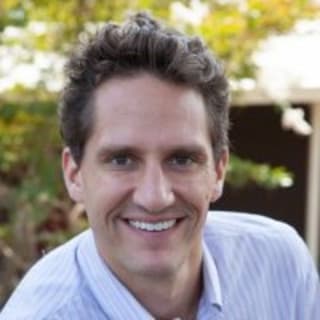
I will be leading a group of burn care providers to facilitate improving critical care delivery for the burn center at Kirtipur Hospital.
Great Kathmandu metropolitan area serving 4 million people.
ReSurge has a decades long relationship with the Burn Center at Kirtipur Hospital in Kathmandu. They have worked to build and support the modern version of this center. My job is to critically evaluate their acute burn capabilities and enact policies/protocols to guide them towards best practices. Specifically, I will be working on their critical care capacity and helping train their staff (nurses, physicians, therapists) in delivering high-quality care in the burn ICU. This include burn resuscitation, smoke inhalation injury, and multi-system organ failure from burn and burn related complications. The fact that an ICU exists at all at this center is a testament to ReSurge’s dedication and success in supporting international medical mission work. I will be working on the most recent iteration which is based on the historical success between this center and ReSurge.

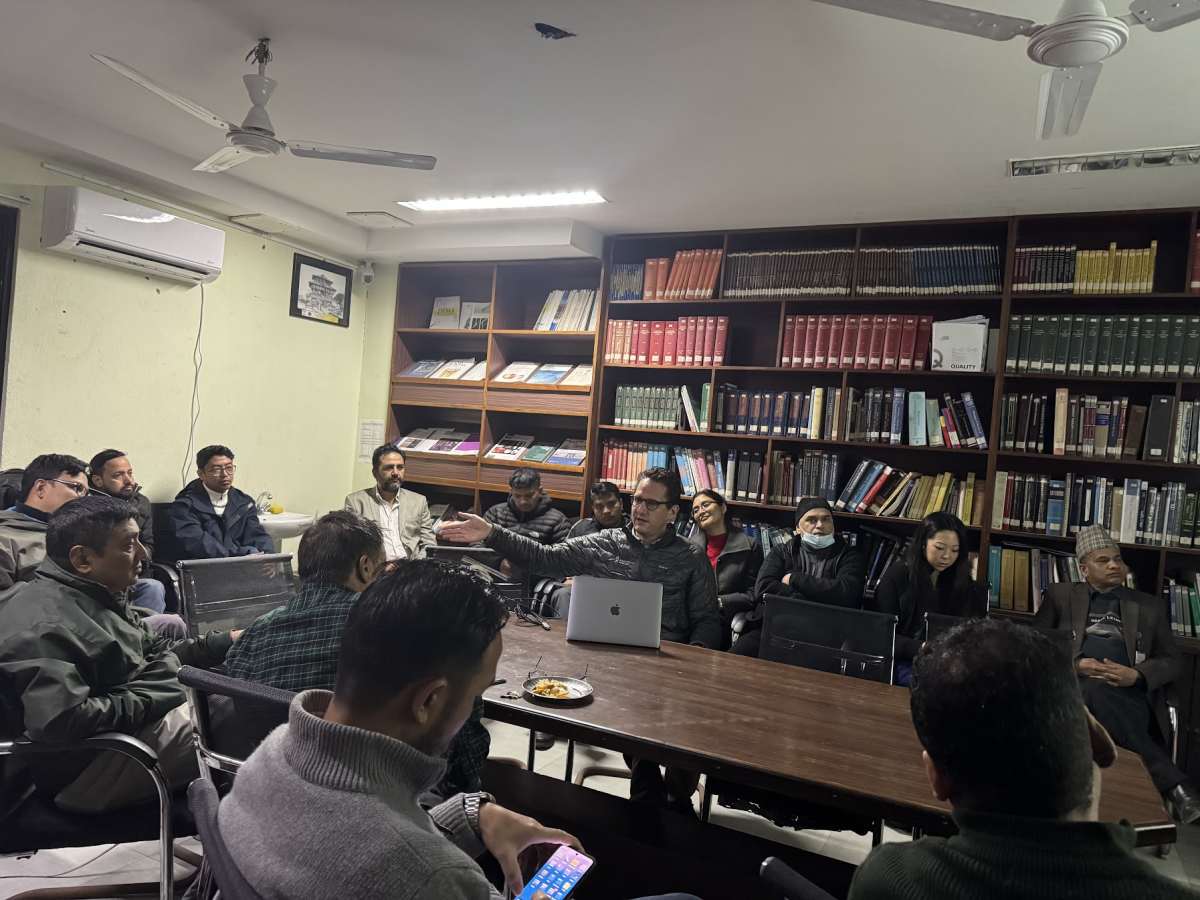



I was very fortunate to be welcomed into the Burn Center at Kirtipur Hospital Kathmandu, which is the only organized burn center for the entire country of Nepal. I am burn surgeon, surgical intensivist, and reconstructive surgeon from Stanford University and Santa Clara Valley Medical Center. Every morning started with a 45 minute lecture I delivered to the burn team (15-20 surgeons and intensivists) on topics that included the spectrum of burn critical care and reconstructive burn surgery. I then joined for ICU rounds where we discussed patients and reviewed best practices in critical care medicine adapted to a lower resource setting. We rounded on the remainder of burn patients and saw pertinent wounds. The daily census ranged from 40-47 admitted patients. We then went to the operating theatre where 7-9 cases were scheduled per day. With my addition to the team, they were able to run two rooms concurrently which sped things along and allowed for treating a high volume of patients. I was very impressed with the technical skill and ability of the local surgeons. We had traditional Nepali lunch every day including fried chicken and momos (dumplings). After full days in the operating theatre we rounded on sick patients and established surgery plans for the next day. On a few days I performed reconstructive surgery on the face and eyelids of burn survivors from prior years. Our evenings included a variation of eating local food near our hotel along with dinners hosted by our amazing sponsors. We drank traditional local honey ginger hot tea every night. By the end of the trip I delivered 7 lectures, participated in over 40 operations, and evaluated around 50 patients. I was inspired by the will and compassion of the local surgeons and nurses to care for patients who were so poor. Every piece of gauze, unit of blood, medication, and intervention had be approved by patient families including the cost. Though the cost of everything was a fraction of what we pay in the US, for people who have so little, it was immense. In addition to the local surgeons, I also felt a deep sense of gratitude from the patients who greeted me with the hands in prayer and "namaste," followed by thank you, "dhanyavad." What an amazing trip! Thank you to the Doximity Foundation for sponsoring my travel costs and allowing me this adventure.