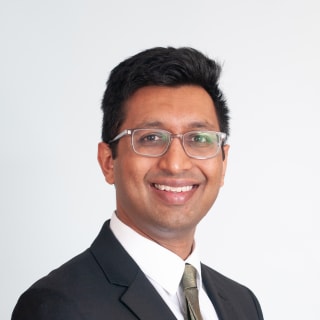
I plan to go to Bolivia with ReSurge International and work with the local hand surgeon to increase the number of patients he can care for during that week. Leading up to the trip we will have a virtual meeting to help screen patients. The week I am there I will operate in a parrallel room and gives lectures to the local trainees.
The population of Bolivia is extremely hard working and has a multitude of hand injuries. There is only one hand surgeon serving the entire country. We will be doing pre-screening before the trip so that patients can travel in if they are appropriate candidates for surgical correction of traumatic injuries or congenital differences. This population is underserved and we have an oppertunity to train the local surgeons and provide a long term impact.
The only hand surgeon in the entire country is Dr. Jorge Terrazas Callisperis. He is unable to effectively treat the whole population of the country. I will help to teach his local trainees and operate with them for the week. This will help to alleviate the burden while teaching the local team to care for the patients. Dr. Callisperis and his local team will care for the patients after I leave.


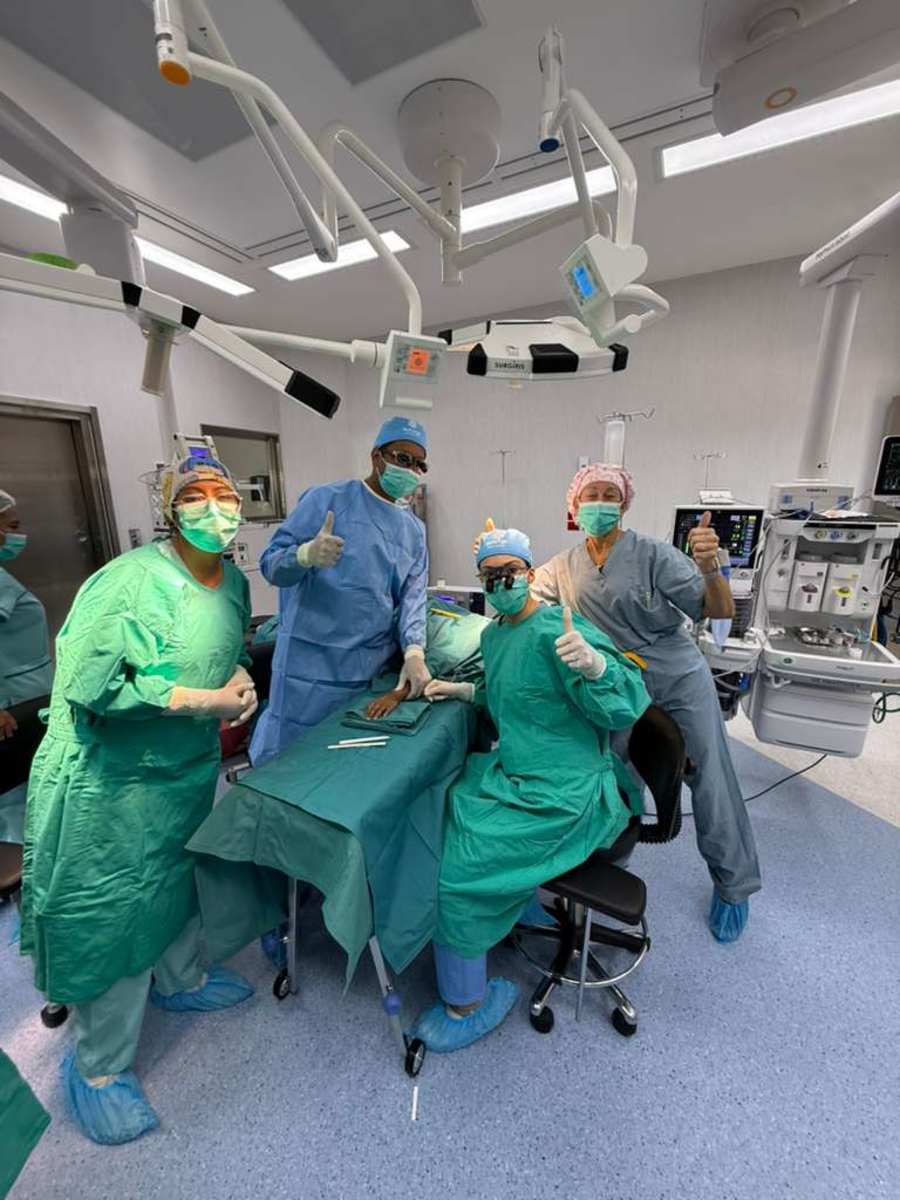




In October of this year, I had the privilege of traveling to Sucre, Bolivia for a one-week mission focused on improving long-term hand surgery and hand therapy care in an underserved region. Thanks to the generous support of your organization, our team was able not only to treat patients in need, but—more importantly—to train local surgeons, residents, and therapists in clinical evaluation, surgical management, and postoperative rehabilitation of complex hand conditions. This trip marked a meaningful step toward sustainable, locally led care for patients who otherwise have limited access to specialized services.
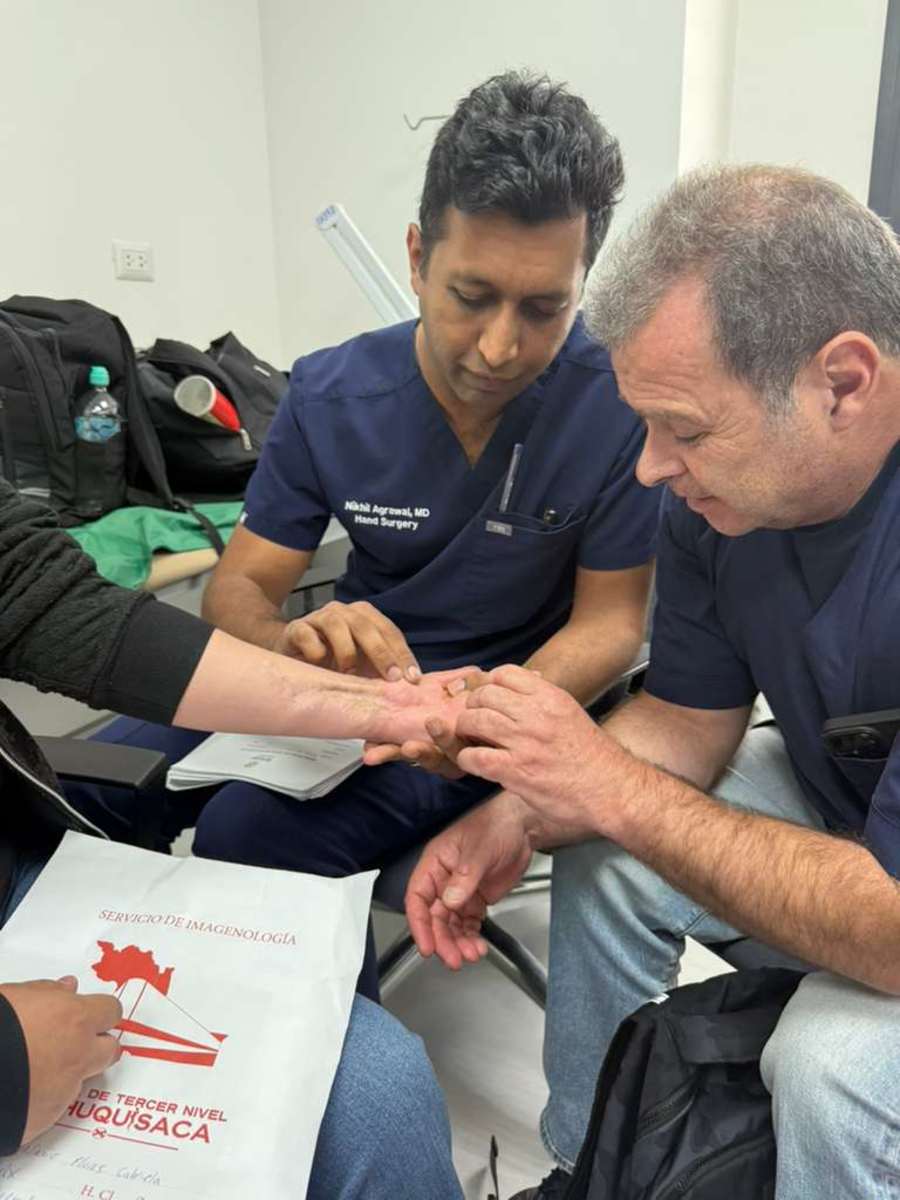
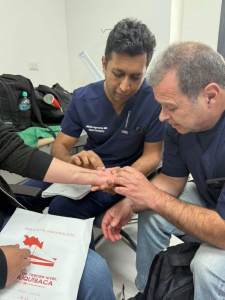
Our mission officially began on Sunday, which we dedicated entirely to outpatient evaluation. Patients traveled from Sucre and surrounding rural areas, many waiting hours or even days for an opportunity to be seen. During this clinic day, we evaluated a wide spectrum of hand and upper-extremity conditions: congenital abnormalities, chronic tendon injuries, untreated fractures, nerve injuries, post-burn contractures, and late complications of prior trauma. Some of these conditions were ones local providers see frequently but may not have specialized training to address surgically. Others were extremely complex cases that had not received care for years due to limited resources.
A central goal of the clinic day was not only to triage surgical candidates, but to use each patient encounter as a teaching opportunity. I worked side-by-side with local surgeons and therapists, reviewing each patient’s history, walking through structured physical examination techniques, and teaching them how to analyze deformities with an eye toward functional goals. We discussed differential diagnoses, decision-making pathways, and how to prioritize cases based on urgency and complexity. For many trainees, this was their first exposure to a systematic way of approaching hand pathology, and they were eager to absorb each detail. By the end of the clinic, we had screened dozens of patients and developed a structured operative schedule for the week ahead.
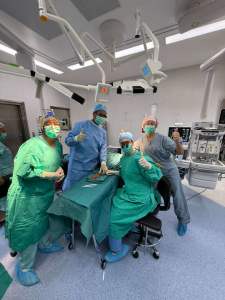
From Monday through Friday, our mission shifted into the operating room for five full days of surgery. Each day began with case review and preoperative teaching. Before each operation, I gathered the local surgeons, residents, and therapists to review the anatomy, the surgical plan, possible intraoperative challenges, and postoperative care protocols. The goal was to equip them not just to observe the surgery, but to truly understand the principles behind our decisions.
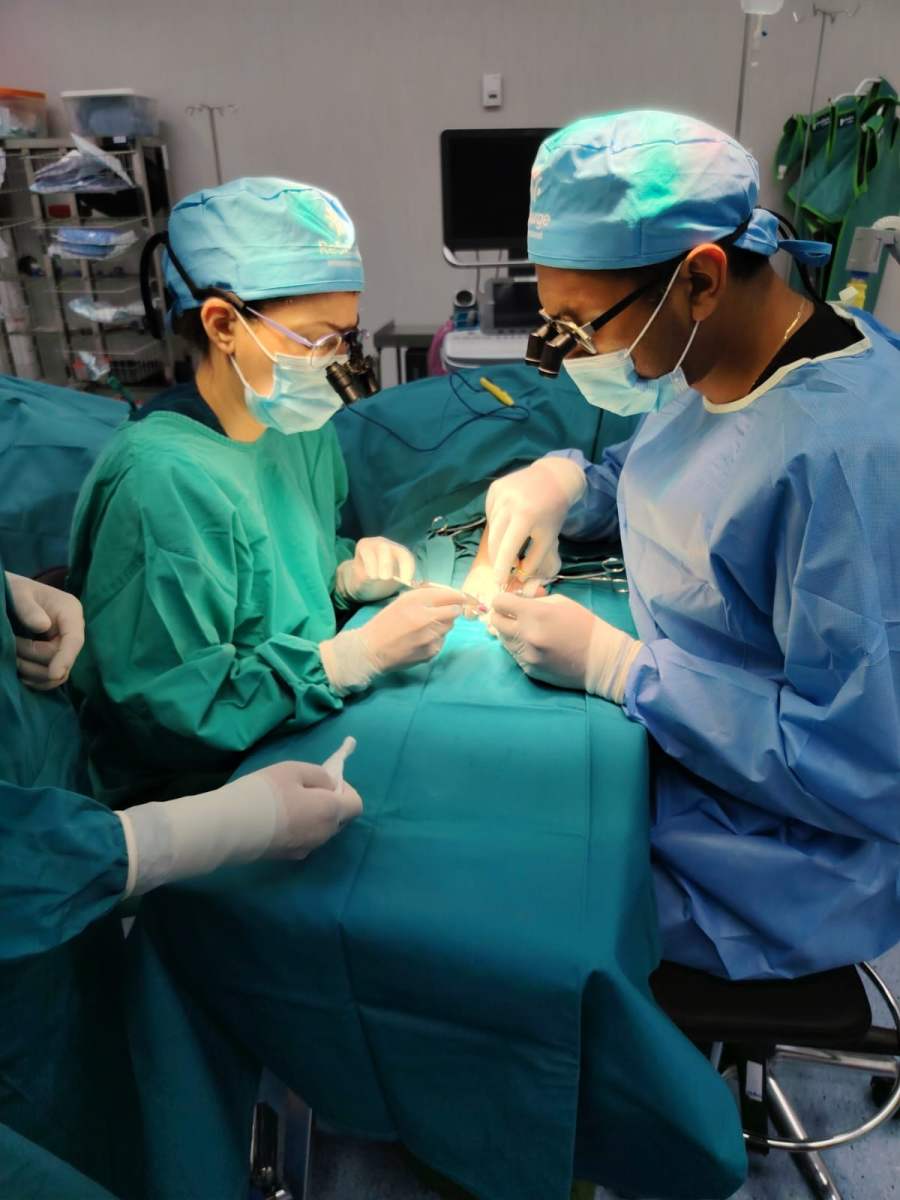
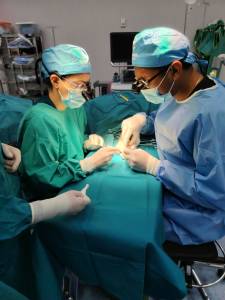
Throughout the week I scrubbed in alongside local surgeons, coaching them through each critical step—incision placement, tissue handling, fracture reduction, tendon transfers, nerve repair, and release of complex contractures. Rather than performing the surgeries myself with others watching, I purposefully placed the local surgeons in the primary operating role whenever possible. This hands-on experience was essential; they learned how to execute operations safely and confidently within the constraints of their local setting. I guided them on how to think strategically during surgery, how to adapt techniques based on available instruments, and how to troubleshoot unexpected findings.
The cases covered a wide range of conditions, reflecting the unmet surgical needs of the community. We treated tendon ruptures, performed nerve decompressions and repairs, corrected congenital deformities, released burn contractures that had severely limited patients’ function, and addressed neglected fractures and dislocations. For many patients, these surgeries represented a life-changing restoration of hand mobility and independence. For the local surgeons, each case reinforced principles that they can now apply to future patients long after our team has gone.
Hand therapists were equally involved throughout the week. After every surgery we reviewed the postoperative rehabilitation plan, emphasizing early motion protocols, splinting techniques, and ways to maintain function while protecting the repair. I conducted bedside teaching in the recovery area and held mini-workshops in the therapy department on topics such as tendon-gliding exercises, edema control, scar management, and fabrication of custom orthoses with limited materials. The therapists were deeply committed to learning and were eager for guidance on how to optimize outcomes for surgeries that previously had no standardized rehabilitation pathway.
A major theme of the mission was sustainability. The impact of a single week of surgery, while meaningful, is small compared to the lasting value of empowering local providers. Early in the week, we established a collaborative partnership model in which local surgeons assumed progressively more responsibility with each passing day. By the end of the trip, they were independently performing key portions of operations that had initially required extensive guidance. We also created a structured post-mission plan to support continued growth, including case-based virtual teaching sessions, remote postoperative follow-ups, and opportunities for local providers to consult on difficult cases through telemedicine.
Beyond the medical and educational components, the mission strengthened the relationship of trust with the community. Patients expressed deep gratitude—not only for the surgeries, but for the knowledge that their own local surgeons are now better equipped to care for them. One family told us that they had been waiting years for a chance for their child’s congenital hand deformity to be addressed, and that knowing the local team could now manage these conditions gave them hope for future generations. This reinforced the central philosophy of the mission: the goal is not to create dependence on visiting teams, but to build durable capacity within the community.
The support provided by your organization made this mission possible. Your grant funded travel, equipment, teaching materials, and surgical supplies that directly enabled both patient care and provider training. The impact of this investment extends far beyond the 1-week trip: it empowers surgeons and therapists in Sucre to continue performing high-quality hand surgery year-round, expanding access for hundreds of patients who would never otherwise meet a visiting team. Your contributions helped create a ripple effect that will influence care in the region for years to come.
In summary, this mission achieved its goals of treating patients in need, providing structured and hands-on training to local providers, and laying a foundation for long-term sustainability in hand surgery and hand therapy in Sucre. The experience reaffirmed the profound importance of capacity-building in global health. On behalf of myself, our team, and the many patients whose lives were touched by this work, I want to extend my sincere gratitude for your support. Your commitment to advancing access to high-quality surgical care made this mission not only possible, but impactful in a lasting and meaningful way.