I am traveling to Rwanda with a multi disciplinary group to perform essential surgeries in Kigali. We plan to screen, organize, and execute 30 goiter removal surgeries for the at need population. We will work with local nurses and doctors to round on these patients and monitor for postoperative complications prior to departure. We plan to immerse ourselves in local culture and within the health system of Kigali, Rwanda. The patients that have goiters require specialized surgeons to perform complex surgeries and improve their lives. The multi disciplinary team is compromised of ENT surgeons, CRNAs, RNs, and a NP (myself).
We will be serving around 30 children in Kigali and from surrounding areas. This population of patients require complex surgery that we are happy to bring to them. This population is chosen due to collaborative effort by local medical providers who have identified qualifying children that need this surgery. We have local contacts within Kigali as well for continued management and potential planning for future need.
I believe we will provide positive impact to the area in multiple ways. 1. We are providing a essential need that they have. 2. We will form positive relationships with medical staff at the local hospital. We are working within their medical system rather than setting up our own clinic. I believe the impact will provide education to the local staff, but also to us by working together. It will be a positive collaborative effort with longstanding relationships.



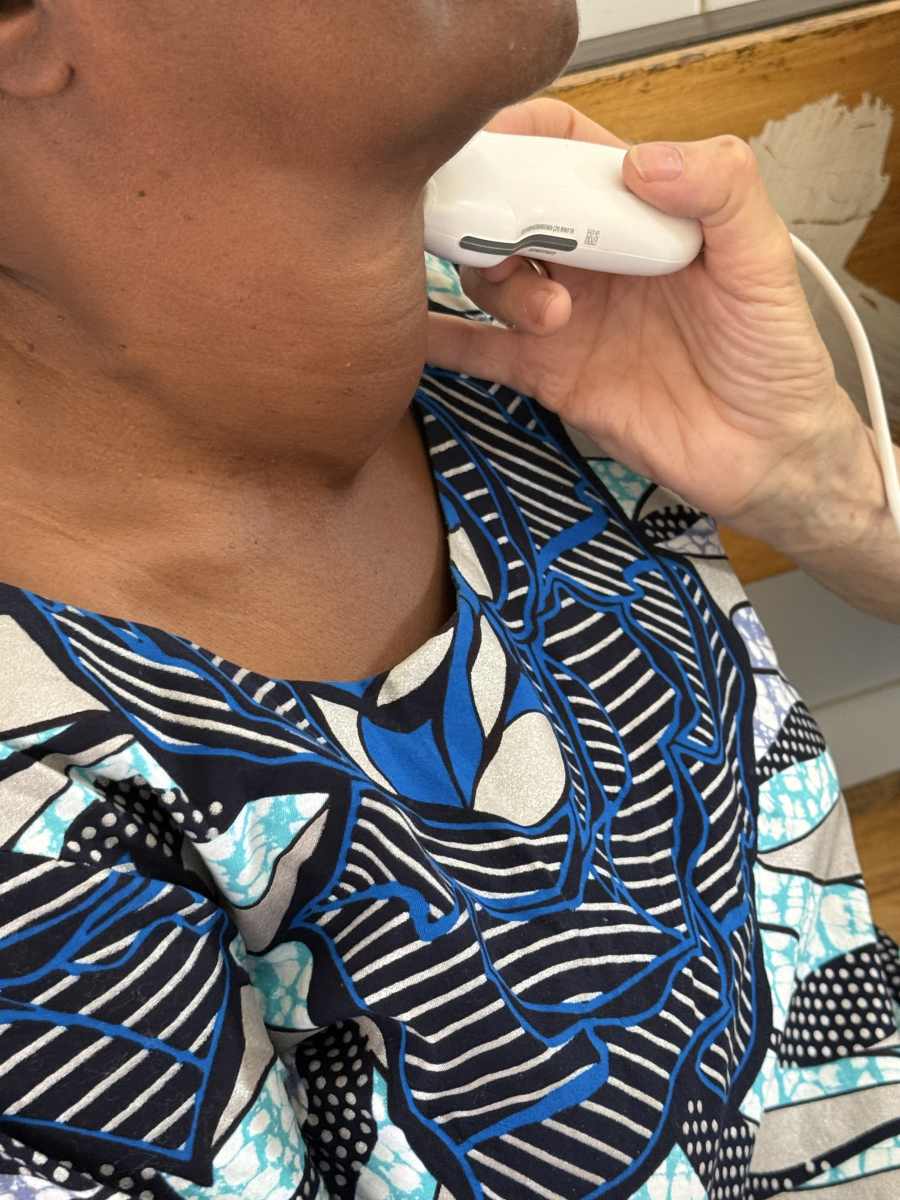

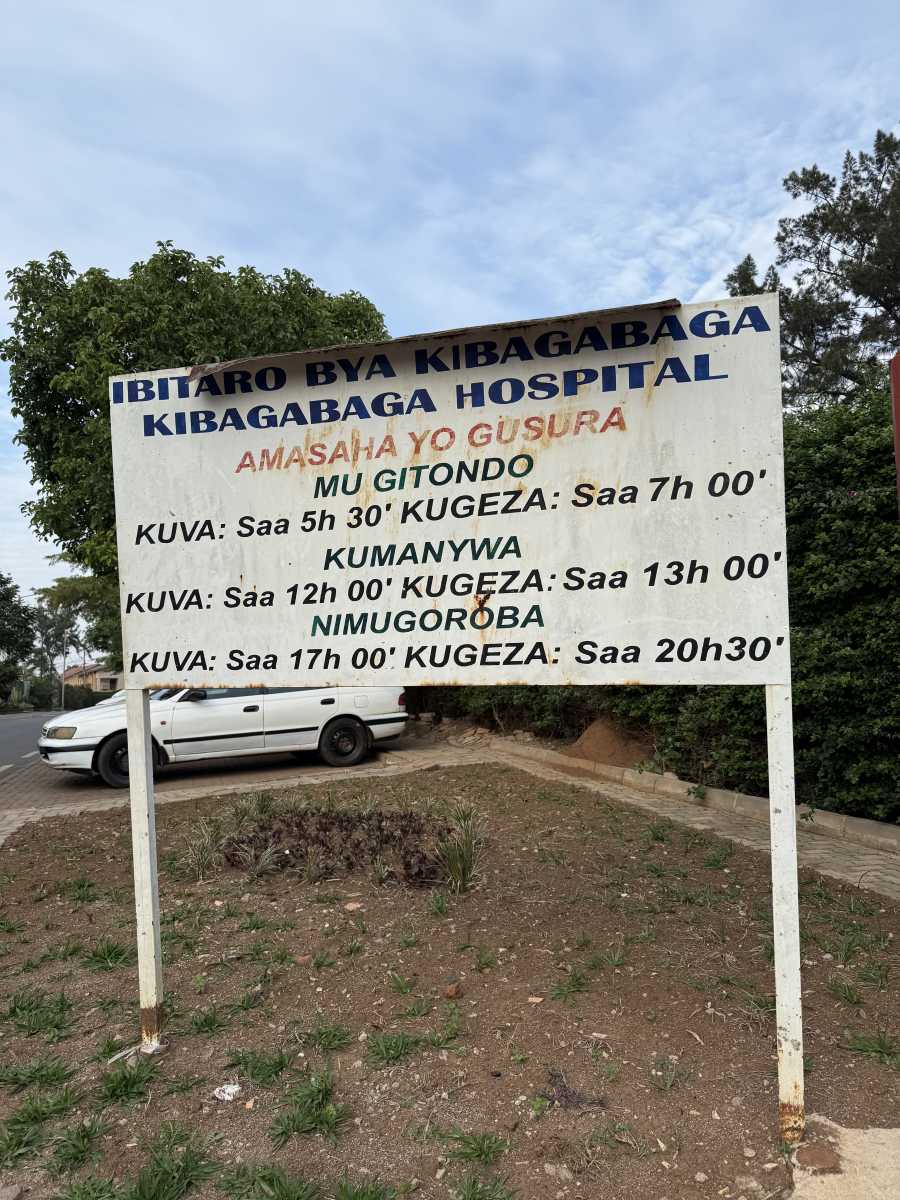


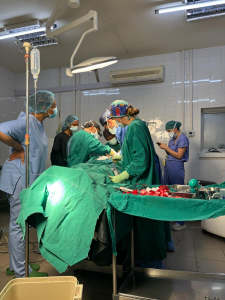
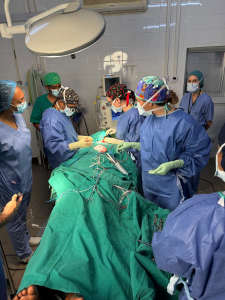




The Rwanda Goiter Mission was an amazing Global Health Experience for all involved. Goiters are prevalent in the sub-Saharan populations in Africa due to lack of iodine. The soil where most crops are grown is depleted of essential nutrients. In more developed countries, these minerals are supplemented into our diet. Having a goiter in Rwanda is shameful and there is major stigma attached to having one.
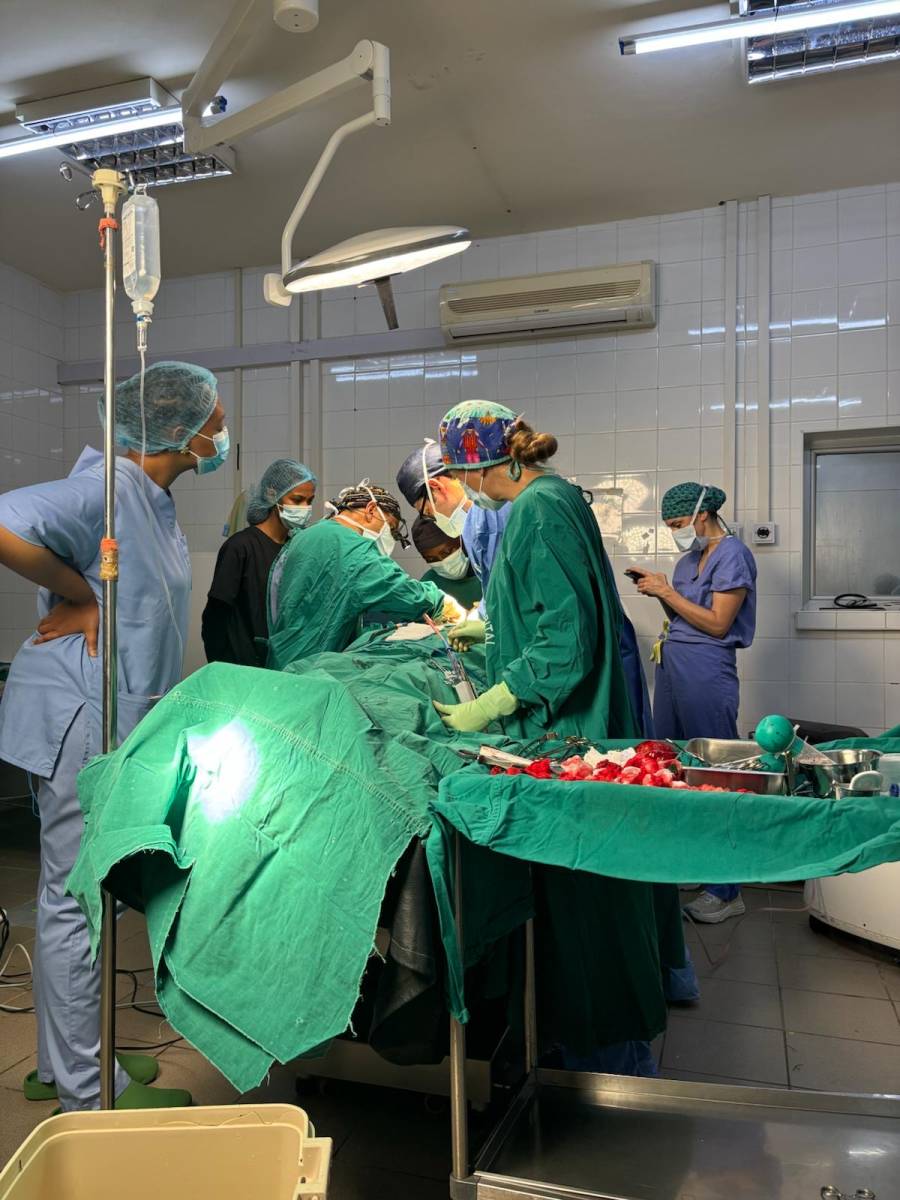
A group of nurses, ENT surgeons, ENT fellows, DNP, CRNA, and Anesthesiologist traveled to Rwanda to operate on patients with goiters free of charge. This was a mission to treat patients, but also to educate upcoming surgeons in Rwanda as well as training medical students from other countries in Africa.
We were able to successfully operate and remove 24 goiters on patients from various locations in Rwanda. This included preop evaluations, surgery, and postoperative care. We also participated in lectures at the local medical school.
The trip was not only about working. It promoted cultural respect and provided chances for real human connection with staff at the hospital we worked at. I was able to connect with the OR nurses and treat them to dinner prior to my departure. Our conversations were important. We discussed change that needs to happen within their healthcare system. We also discussed what they were doing very well. This experience helped shape my understanding of their health care system.
We also had some challenges during our outreach work. One of the operating rooms had a failed AC unit. We were forced to operate in less than ideal conditions. We had to work together as a team to promote hydration and ensure safety. One of the anesthesia machines quit working and we were able to connect with a different hospital who was kind enough to lend one so we could continue our important work.
I was also able to donate over 50 soccer balls to a local school. We further immersed ourselves by learning of the Genocide that still to this day impacts their country.
Donors can tangibly make a difference by assisting the hospital in purchasing updated equipment. They can also continue to support those who wish to donate their time by traveling to Rwanda to provide this highly specialized surgical intervention. There will be many more goiter missions in the future. Having the Doximity Foundation assist with my flight cost majorly improved my burden of not being able to work and having other costs associated with such volunteerism. I will gladly work with the foundation in the future if the opportunity arises.