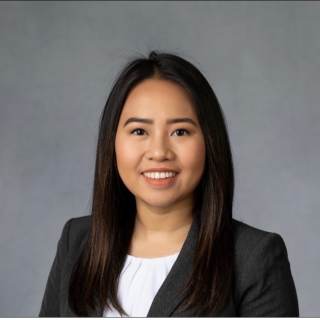
I will be traveling to Karatu, Tanzania, with one of my anesthesiology co-residents and anesthesiology attending to support the Foundation for African Medicine & Education (FAME) Medical Center. In 2002, FAME began as a mobile clinic delivering healthcare services to rural Tanzania. Over the past twenty years, the organization has grown into a large district hospital with facilities that include an outpatient clinic, inpatient ward, surgery suite, maternity center, emergency department, and diagnostic lab. The area of rural Tanzania where FAME now stands previously had no medical care; now, it serves a population of nearly 3 million people.
FAME has grown significantly since its inception and continues to expand its impact. Volunteers are central to FAME’s mission. I will spend several weeks as a member of the on-campus volunteer program, assisting in providing quality medical services using the knowledge and skills I have developed as a current CA-3/PGY-4 anesthesiology resident and future obstetric anesthesiology fellow. In planning for FAME’s future, one of their main goals is to strengthen their surgery, emergency, and maternal/fetal services. A common hurdle for rural communities like Karatu is limited access to specialists. Encouraging collaboration through a robust volunteer program is one way FAME addresses this gap. My plan is to immerse myself in the day-to-day operations of FAME Medical Center to better understand the community’s needs and assist in the practical application of available resources. My hope is to utilize my experience in the operating room managing trauma activations, high-risk obstetric scenarios, and general surgery cases to contribute to improving the services FAME provides and to help the organization advance its future goals.
When access to safe and affordable surgical and anesthesia care is limited, easily treatable conditions can become fatal. FAME’s medical services were created for Tanzanians and are largely provided by Tanzanian staff—99% of the staff at FAME are Tanzanian. Sharing my anesthesia knowledge and skills during my global health trip will help increase surgical intervention services at FAME, ultimately benefiting Tanzanian patients, such as those from the Rift Valley Children’s Village (home to over 100 orphaned and marginalized children in a remote corner of northern Tanzania), as well as the dedicated FAME staff who provide sustainable healthcare for their community daily.
My interest in global health stems from being born in the developing country of the Philippines. I feel incredibly fortunate to have grown up in the United States, where I have benefited from education and medical training in a resource-rich country. When my family moved to the U.S., I never imagined I would become a doctor, much less an anesthesia provider with broad experience—from caring for healthy young adults needing a cholecystectomy to patients with refractory heart failure requiring a heart transplant or obstetric patients with Fontan physiology. I was moved by the story of FAME’s founders, Frank Artress and Susan Gustafson, and even more impressed by the impact they have had since establishing their mobile clinic in Tanzania. I believe FAME is an exemplary model of providing long-term care that fosters self-sustaining capacity within a region.
My global health trip will have both immediate and lasting impacts. In the short term, it will foster new relationships among my colleagues and the FAME team. My team and I will share our knowledge and insights on anesthesia practice, while the FAME team will help deepen our understanding of providing care in resource-limited settings. By continuing to support FAME’s on-campus volunteer program, the long-term impact includes capacity building that could expand access to surgery, emergency services, and maternal-child health, directly reducing preventable deaths and improving the quality of life for people in Tanzania. FAME trains Tanzanian clinicians, nurses, and staff, ensuring that skills stay within the community. International volunteers share expertise and empower local providers to lead, creating sustainable healthcare systems.
This trip will also have a lasting influence on my future practice as an anesthesiologist. To date, my clinical experience has mostly been in large U.S. academic centers with advanced technologies and therapies. I know I will learn a great deal from seeing how medicine is practiced in a rural community within a developing country. While I cannot anticipate everything I will learn, I expect to gain valuable knowledge in resource allocation, adapting to cultural beliefs different from my own, and understanding which interventions have the greatest impact. This will be my deepest immersion in global health practice thus far—the timing could not be better as I consider how to shape my career after residency. I am excited for the relationships this trip may foster, the improvements I can contribute, and the lasting lessons FAME will impart on me.

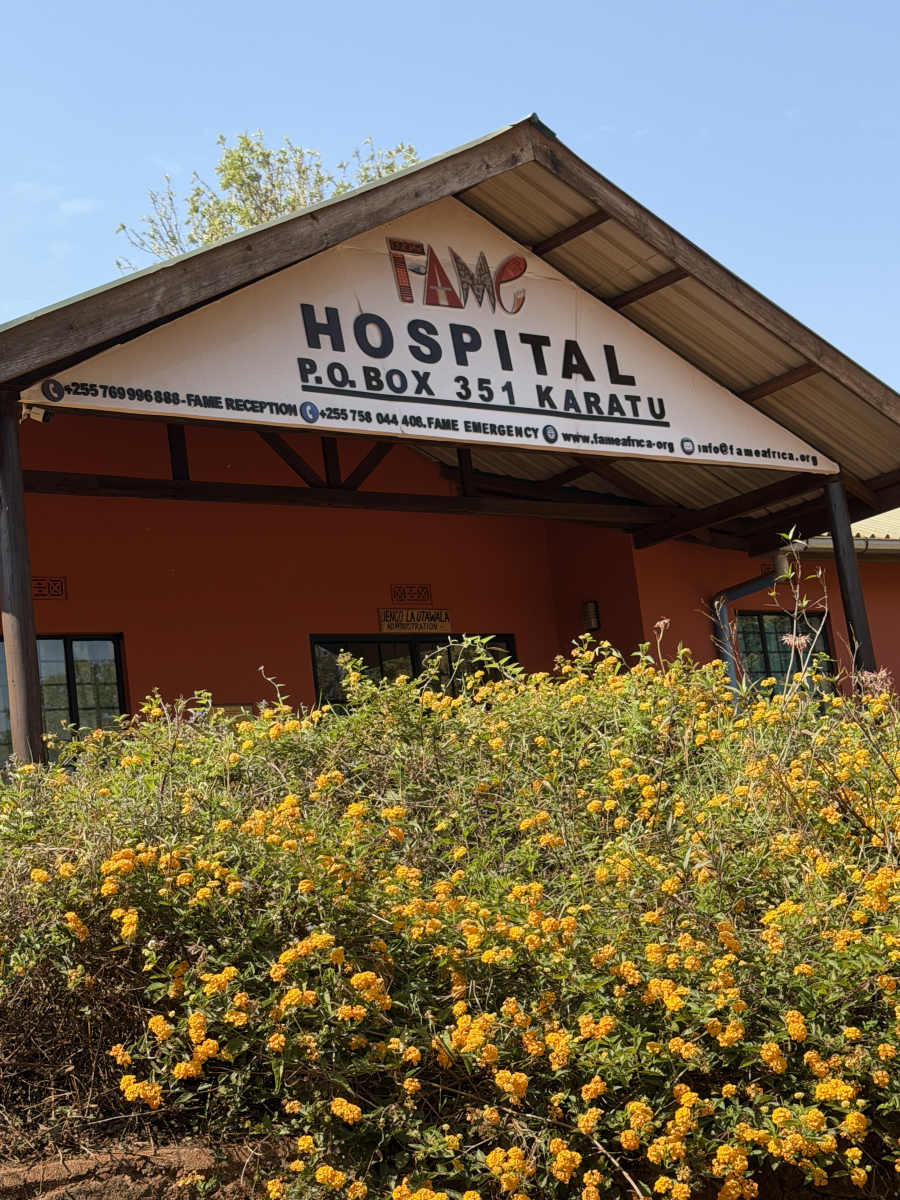
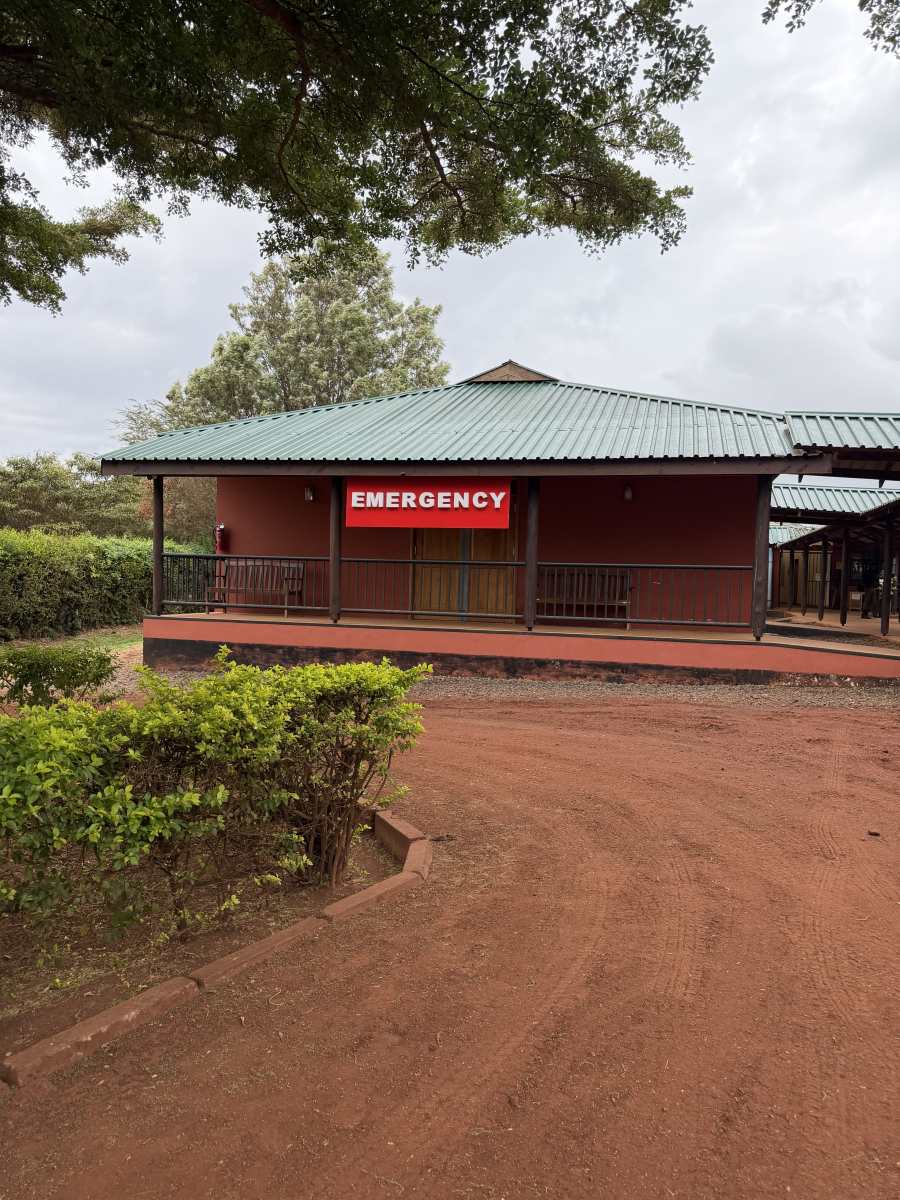
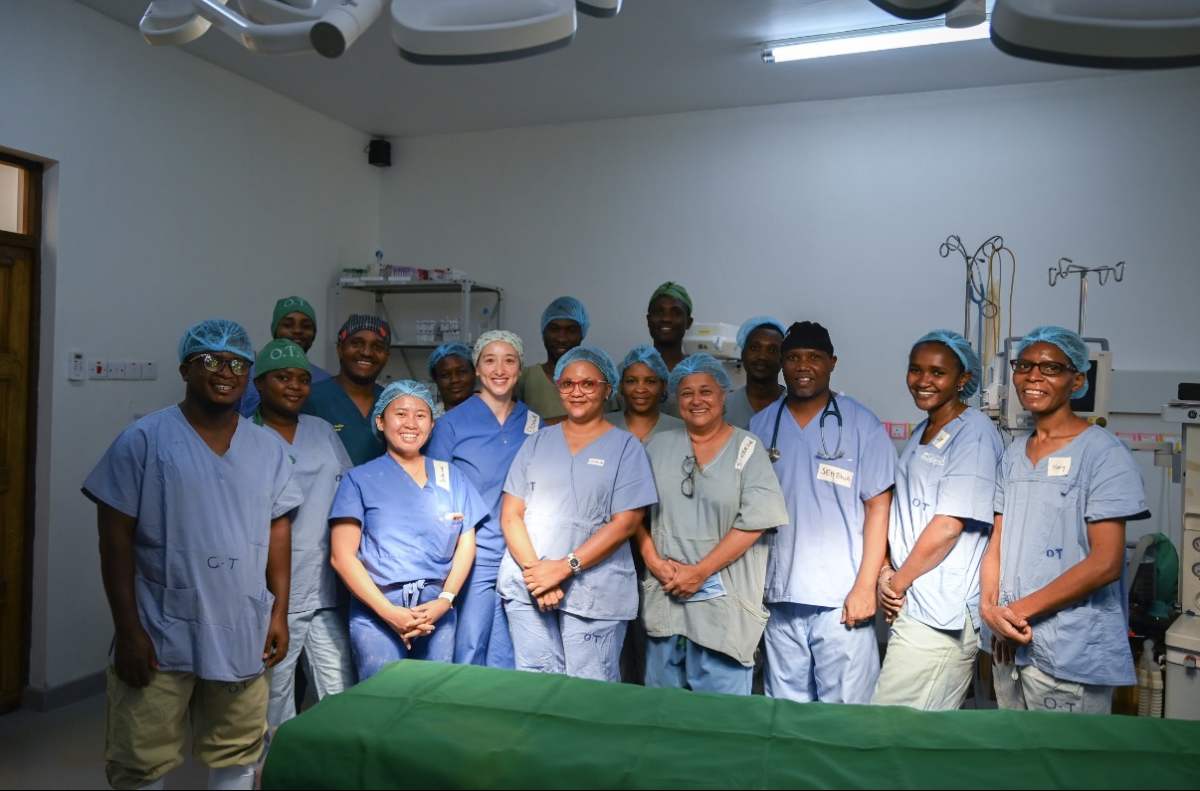
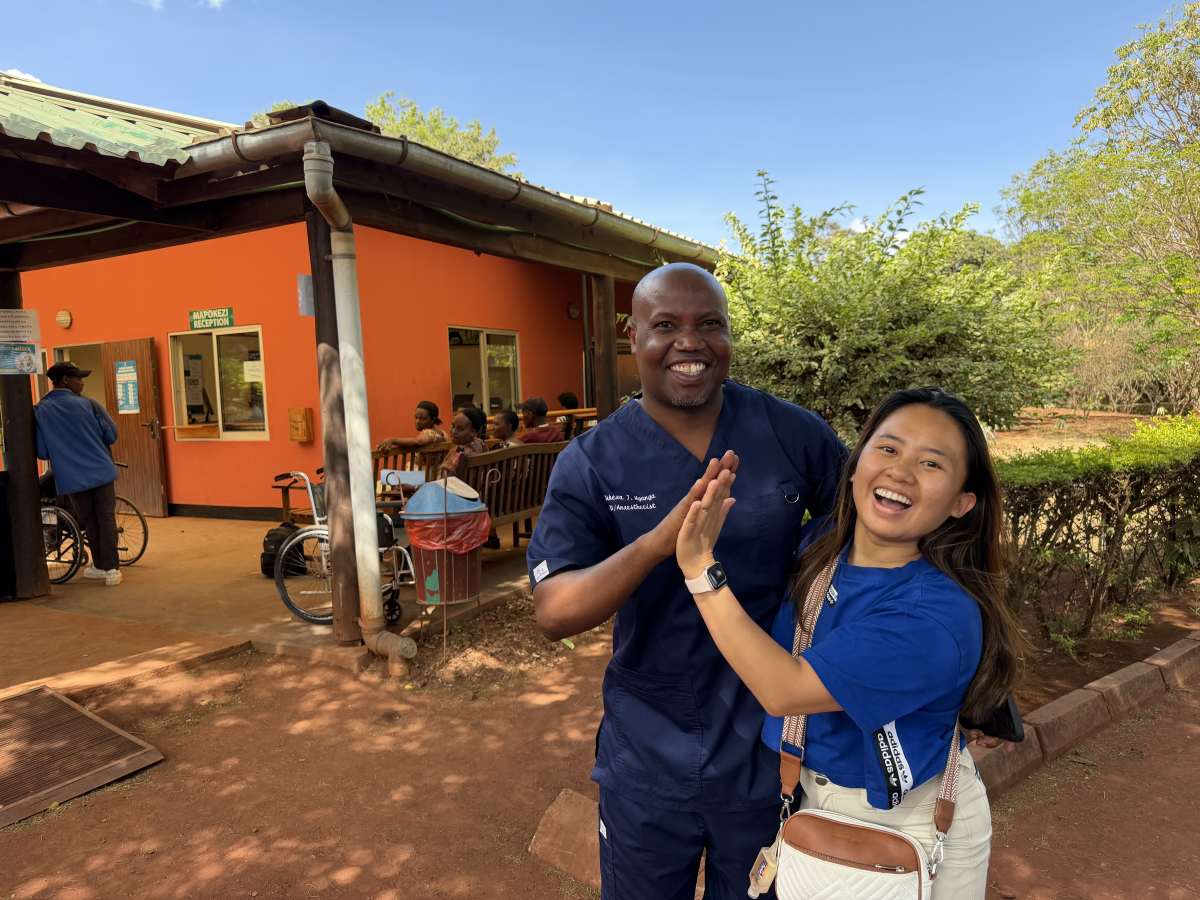
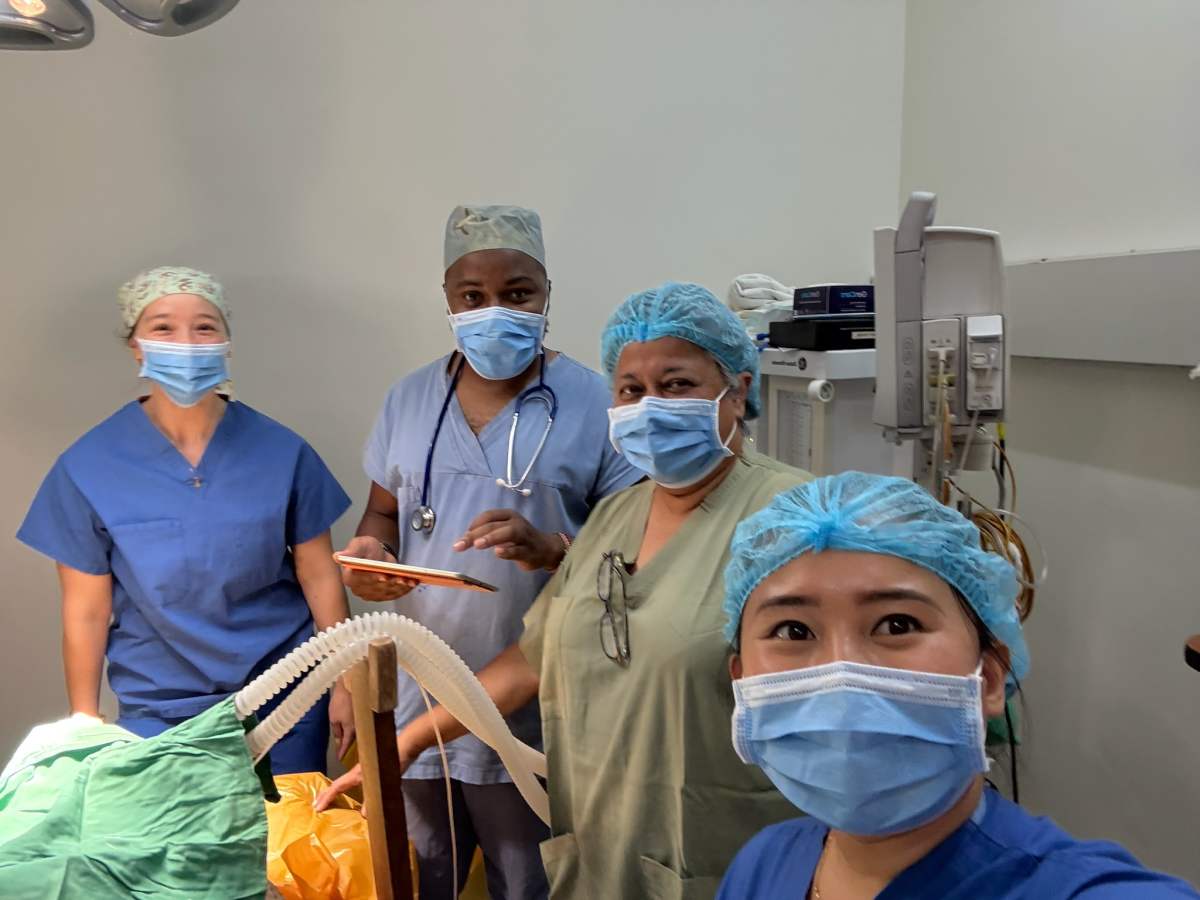

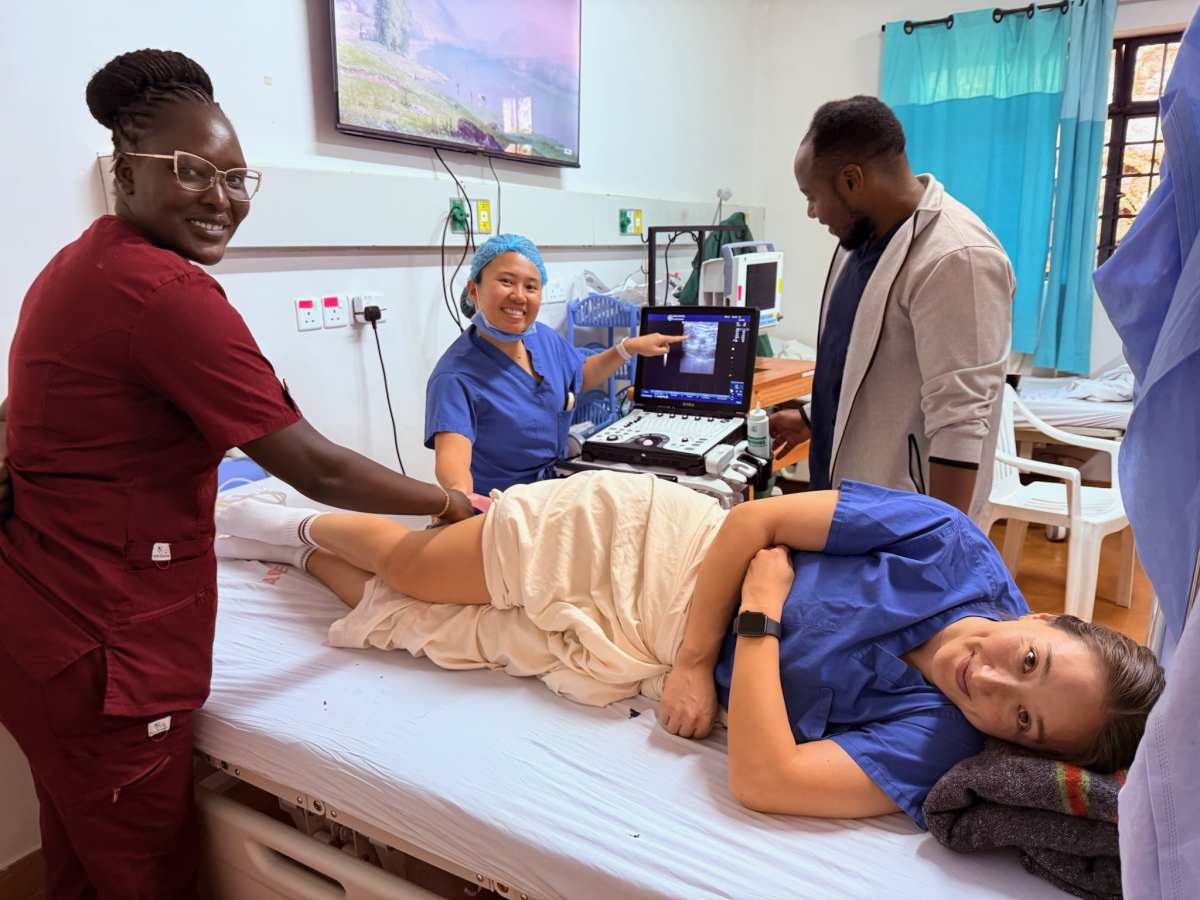
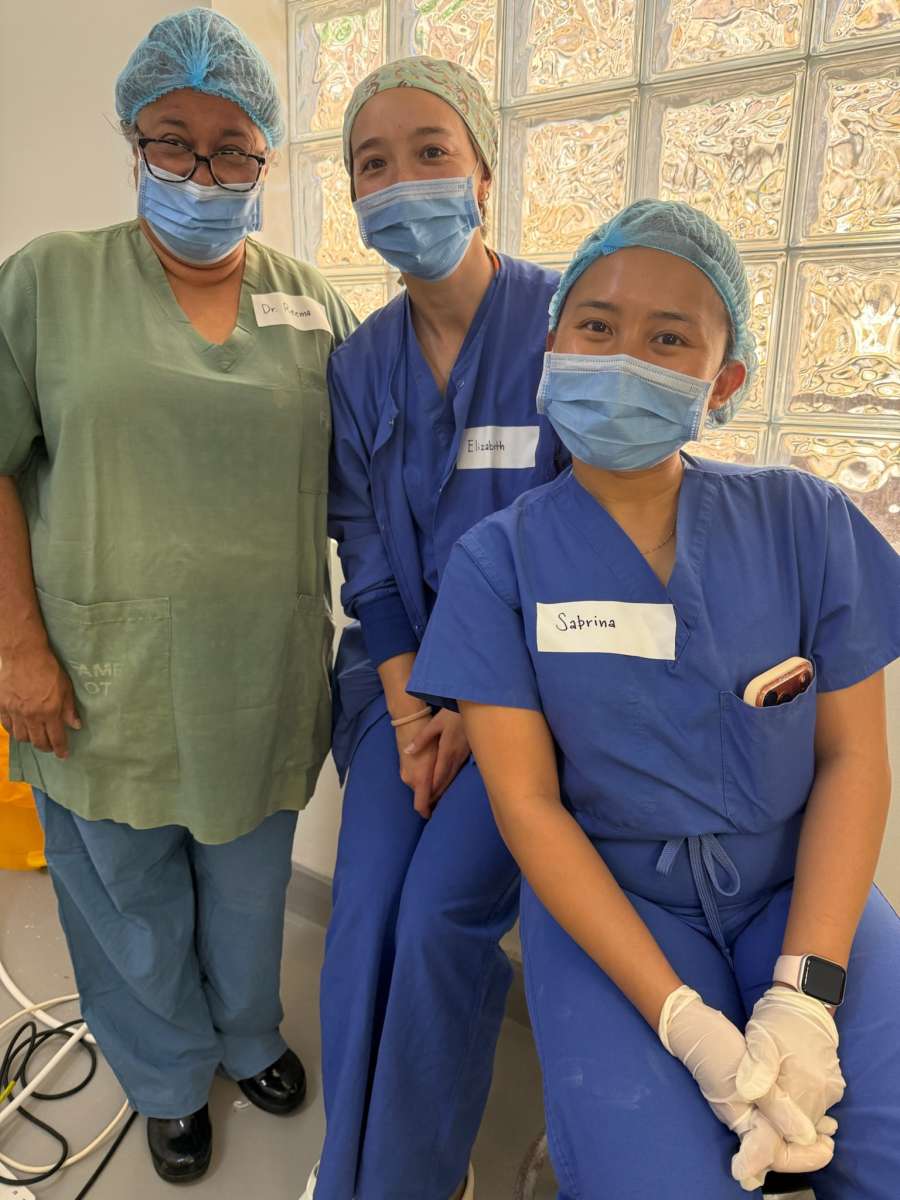
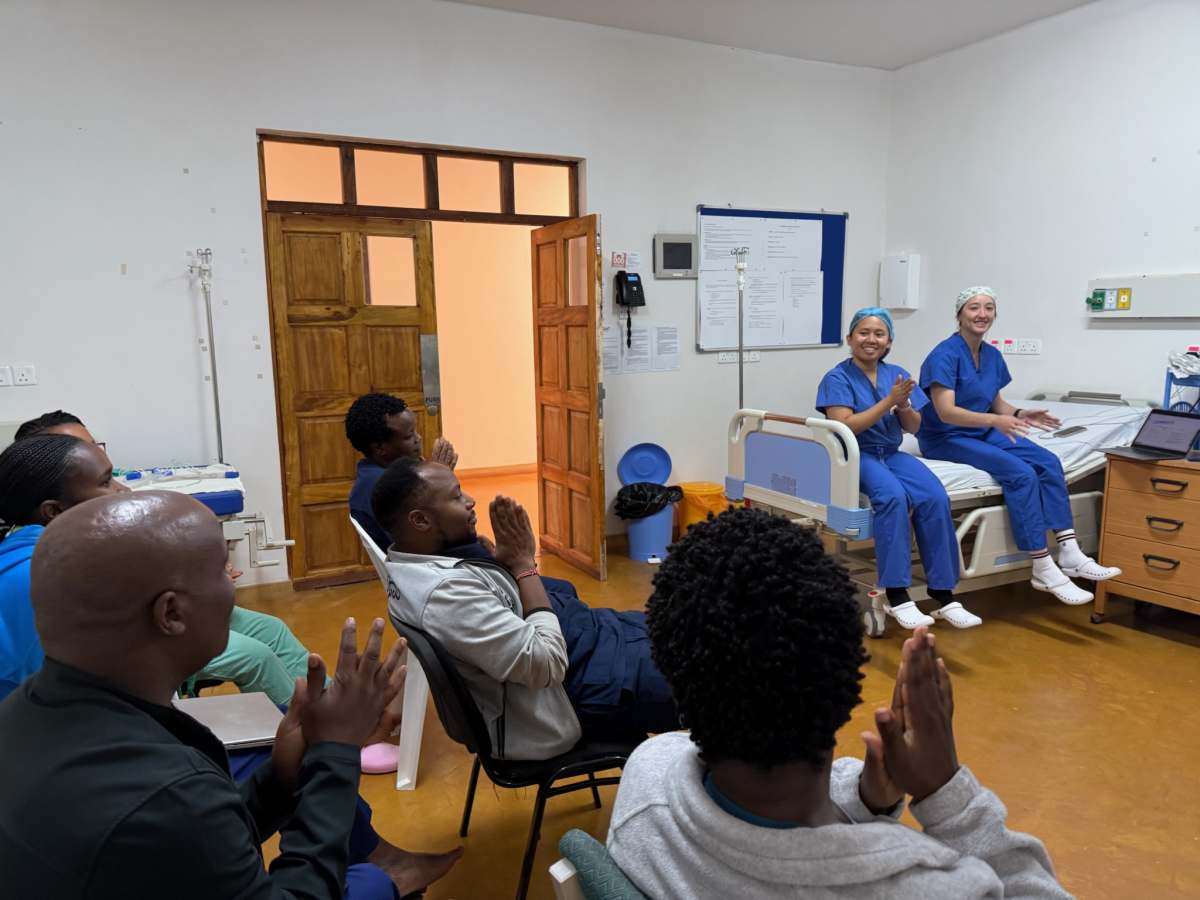
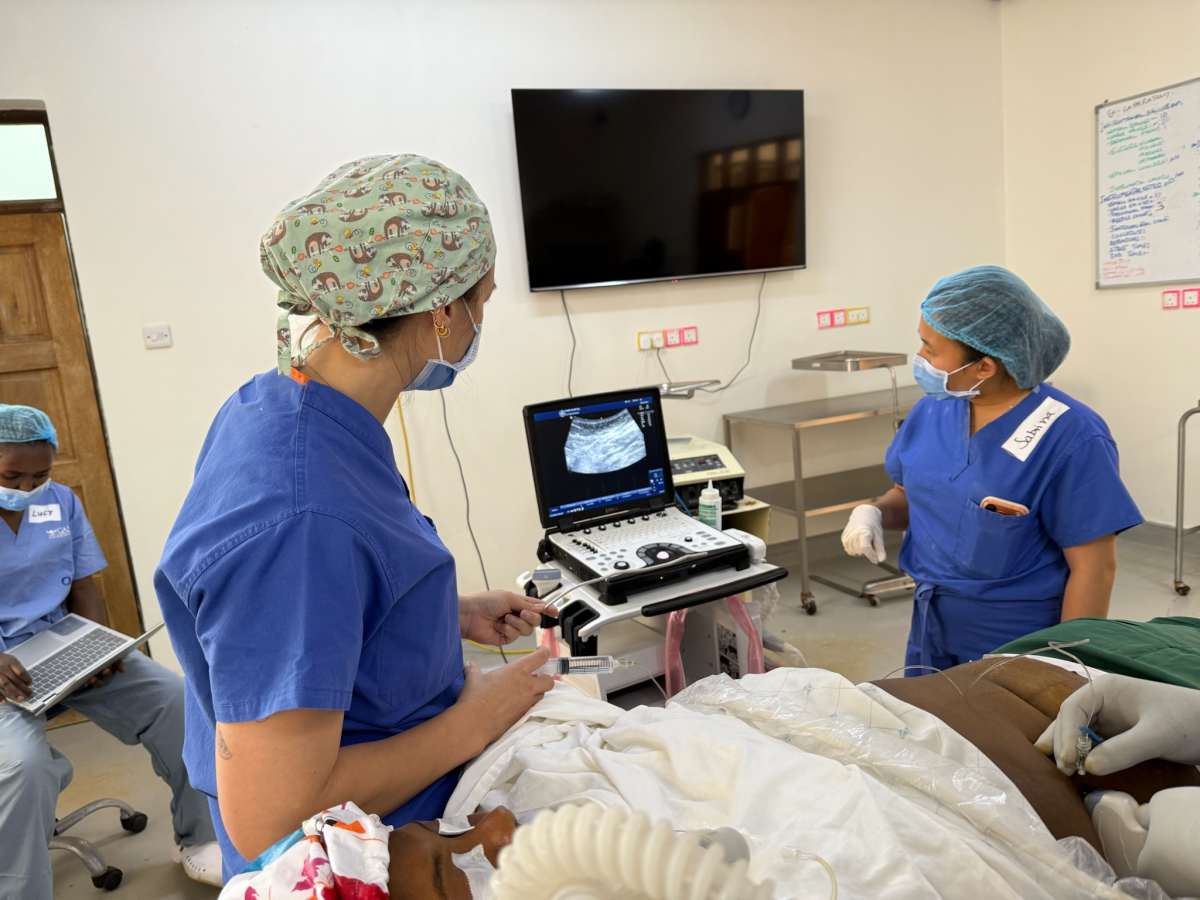
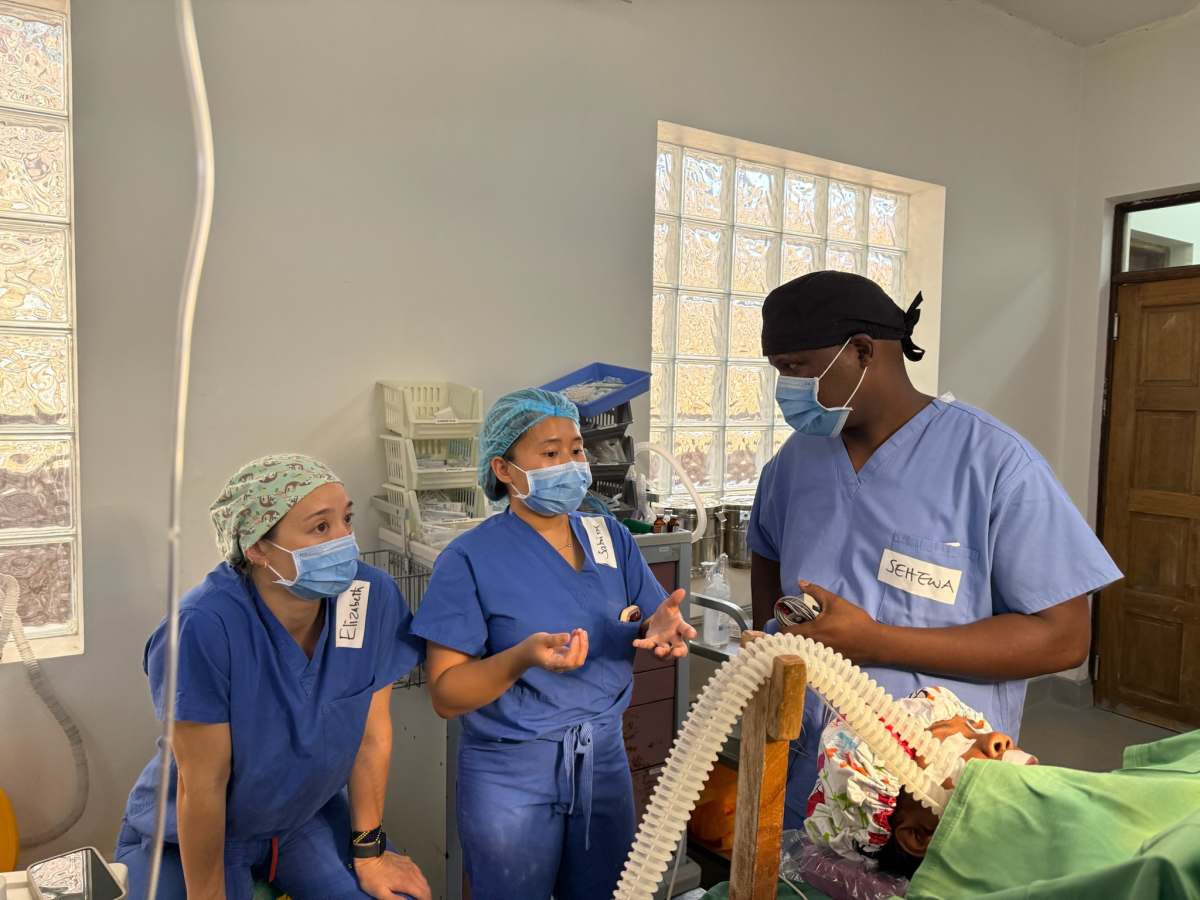

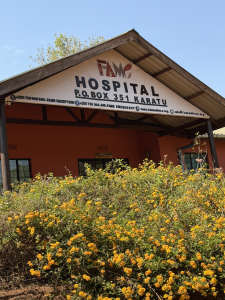


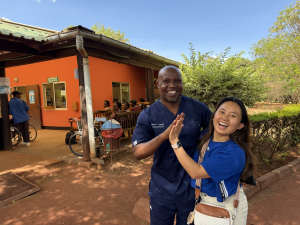
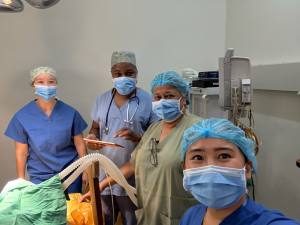

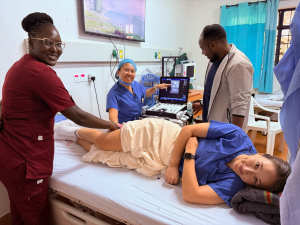
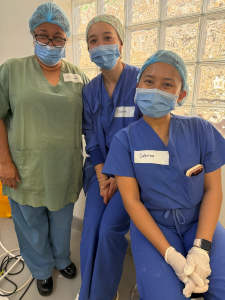
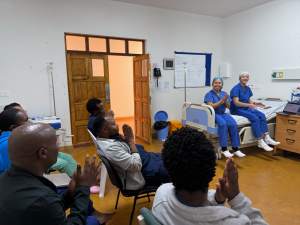
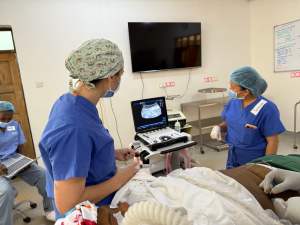

My global health trip to FAME District Hospital in Karatu, Tanzania was a transformative experience. It deepened my personal, clinical, and professional growth and strengthened the ongoing relationship between UC San Diego and FAME. From the moment I arrived, I was welcomed into a collaborative environment. Clinicians, nurses, and staff worked closely together and showed a strong eagerness to expand their knowledge so they could deliver high-quality, patient-centered care in a resource-limited setting.
Clinically, I contributed directly to patient care by drawing on my subspecialty experiences in regional anesthesia, pediatric anesthesia, and neuroanesthesia. I worked alongside the FAME anesthetists to provide safe perioperative care for a wide range of surgical cases. I adapted techniques to fit the local context and learned how to problem-solve creatively in an environment with limited equipment and supplies. These experiences reinforced the value of thoughtful resource allocation and the need for flexibility in clinical decision-making.
Teaching and knowledge exchange were also central parts of the trip. I collaborated with the anesthesia team by giving lectures on local anesthetic systemic toxicity, types of shock, epidural anesthesia, and trauma/ACLS. These sessions led to meaningful discussions about protocols, best practices, and how to tailor anesthesia care to community needs. FAME’s strong commitment to training local clinicians made these conversations especially impactful. Their dedication ensures that skills remain within the community and continue to strengthen healthcare delivery in the region.
Beyond my clinical and teaching work, the trip broadened my understanding of global health systems. Practicing medicine in a rural Tanzanian setting gave me new insight into cultural humility, sustainable capacity building, and the interventions that create the greatest long-term impact. The relationships I built and the lessons I learned will continue to shape my development as an anesthesiologist and guide the career I aim to build.
My time at FAME was deeply meaningful, and I am grateful for the opportunity to contribute to—and learn from—such a dedicated and inspiring team. Thank you to Doximity for helping make this trip possible.