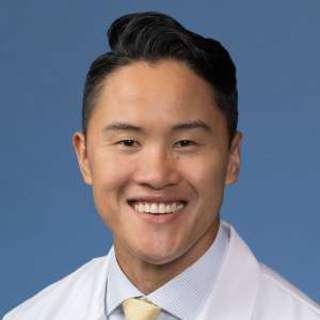
I am going on a global health trip to Rwanda in November 2025 as a part of Rwanda Endoscopy Week (REW). Established in 2017, REW is a collaboration between the US-based 501C3 non-profit GI Rising, the Rwandan Society for Endoscopy, the Rwanda Health Ministry, and multiple Rwandan health facilities that aims to improve access to gastroenterology (GI) specialty care in Rwanda. REW was started because access to GI specialty care in Rwanda was severely lacking, with only a handful of foreign trained gastroenterologists working in the capital city of Kigali at the time.
During the first week of REW, lectures are given at the University of Rwanda in Kigali to Rwandan, US, and international faculty and trainees. In addition to physician education, there are educational programs for nurses and GI techs. During the second week, clinic and endoscopy services are arranged at sites throughout the country in partnership with local providers.
As a GI fellow at UC Davis, my co-fellow and I started the UC Davis Division of GI involvement with REW in 2022 and again in 2023. As a new GI faculty at UCLA this year in 2025, I will be the first member of the Division of Digestive Diseases to participate in REW. As a new attending, I will be providing supervision and teaching for Rwandan, US, and international trainees.
Along with colleagues at the University of Rwanda and across the US, we will also be conducting research on improving H pylori and functional dyspepsia patient education and optimizing dyspepsia clinical workflows. We aim to make a difference by improving patient and trainee education, increasing access to GI specialty care in Rwanda, and furthering research in the field of global gastroenterology health.
The target population are patients in rural and remote parts of Rwanda that do not have readily available access to GI specialty care. During REW, clinics are set up in over 10 separate sites spread throughout Rwanda. Local general practitioners and providers are made aware of the upcoming REW and will coordinate sending in their patients who require GI specialty care. Consultation is completed in collaboration with local Rwandan providers, who comprise primarily University of Rwanda medical residents but also local general practitioners.
Before REW, access to GI specialty care was limited to the few foreign trained gastroenterologists in the capital city of Kigali. Patients would need to travel hundreds of miles by bus to receive consultation and/or endoscopic services; this was often not affordable nor feasible logistically. Local general practitioners would not have access to consultation or endoscopic services. REW has allowed for GI consultation and endoscopy services to be available for a significantly wider portion of the Rwandan patient and provider population.
During REW 2023, our multi-disciplinary and international team provided over 1000 consultations and over 1000 procedures to patients in need throughout the country of Rwanda. This resulted in hundreds of new diagnoses and treatments for patients that would not have been able to obtain these services. Unfortunately, REW 2024 was canceled due to the Marburg virus epidemic in Rwanda. This November, REW 2025 is anticipated to expand to more sites across Rwanda and will provide consultations and endoscopic services to an even greater proportion of the population.
In addition to patients, there is an educational and collaborative benefit among all participants in REW. Lectures are given by Rwandan, US, and international faculty to trainees on a multitude of GI topics. Best practices to care for patients are shared between clinicians during REW; trainees from one institution will learn from attendings from other institutions and vice versa. As a senior fellow at UC Davis, I was able to help to train some of the junior Rwandan fellows on endoscopic technique as well as clinical consultation skills. As a trainee, I also benefited from learning from incredible attendings from US sites like Dartmouth and Harvard as well as institutions in Australia, Nigeria, and Rwanda.
GI Rising and REW are focused on sustainability. Notably, GI Rising has worked in collaboration with the University of Rwanda to start the nation’s first gastroenterology fellowship training program. The first cohort of fellows graduated as GI attendings in Fall 2024. These new attendings are currently providing sustainable GI specialty care in Rwanda and will continue to train new cohorts of Rwandan gastroenterologists, which will only increase access to GI specialty care in the future.
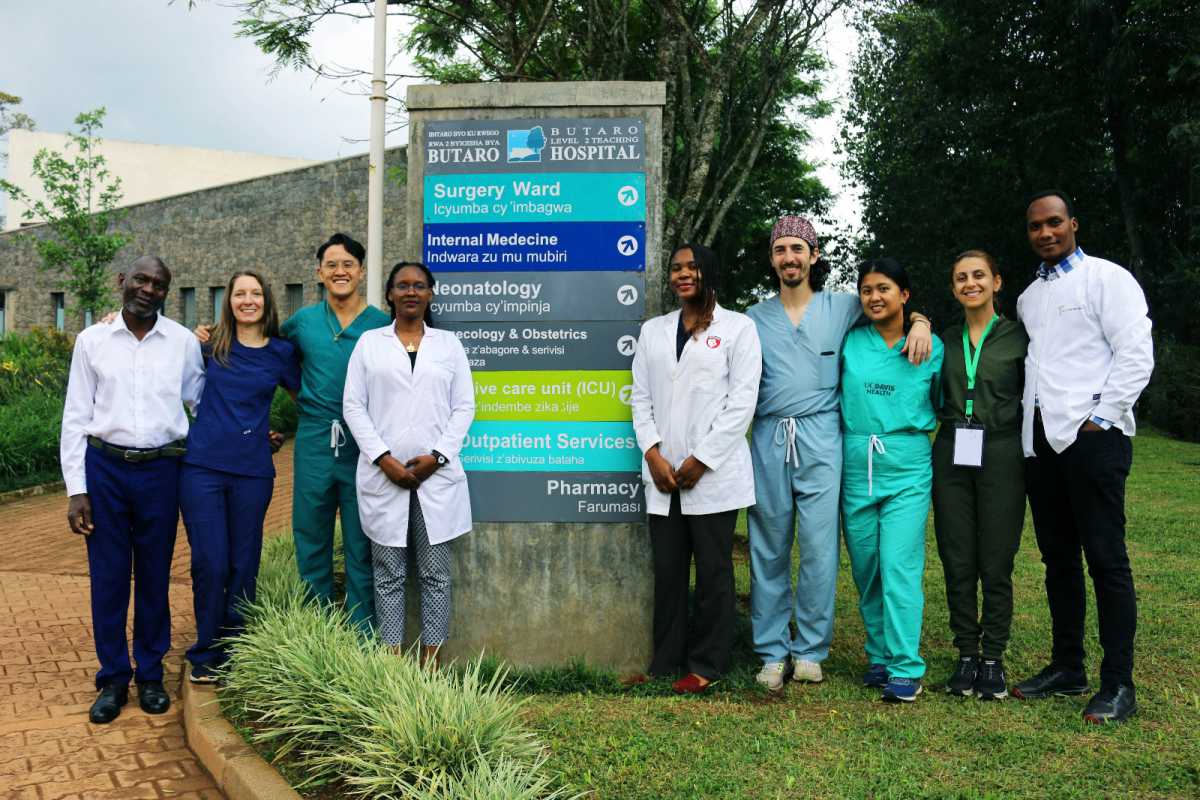
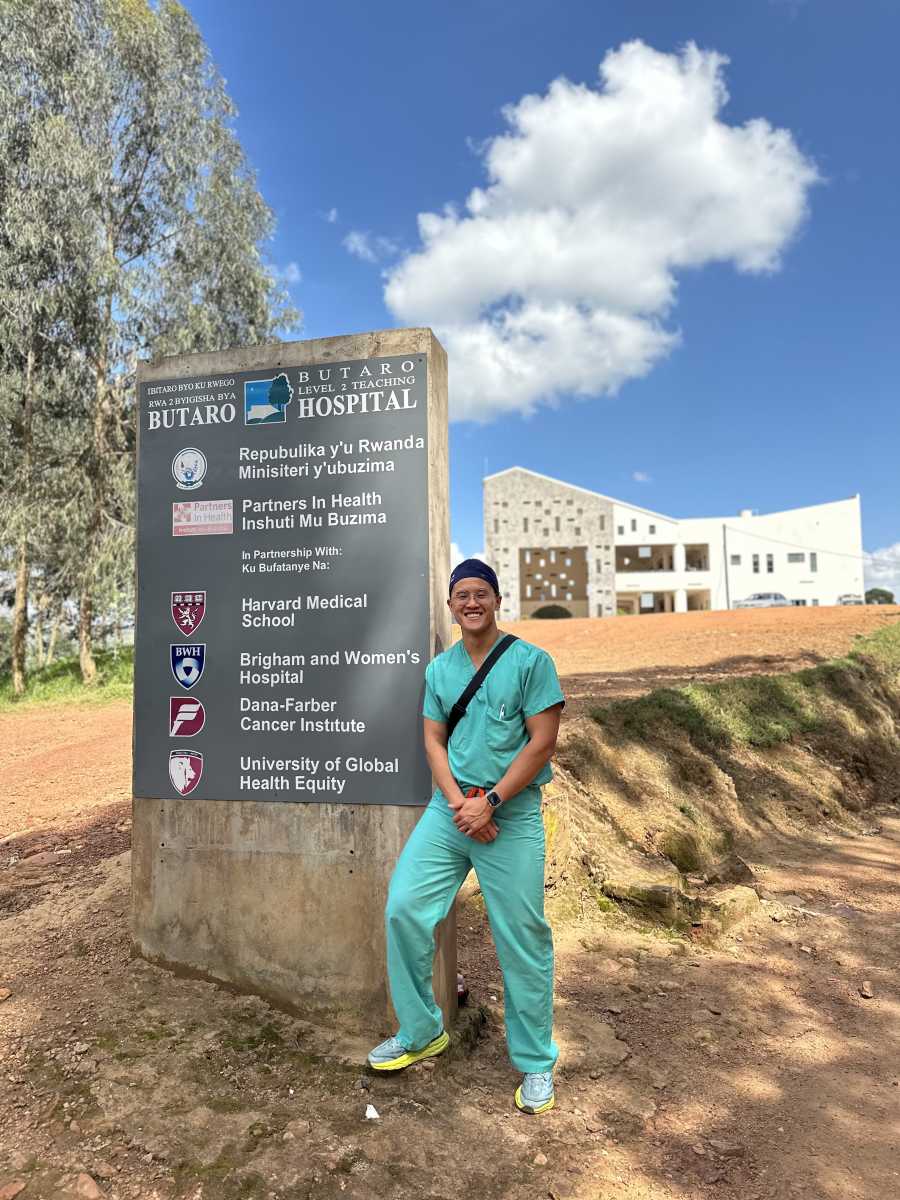

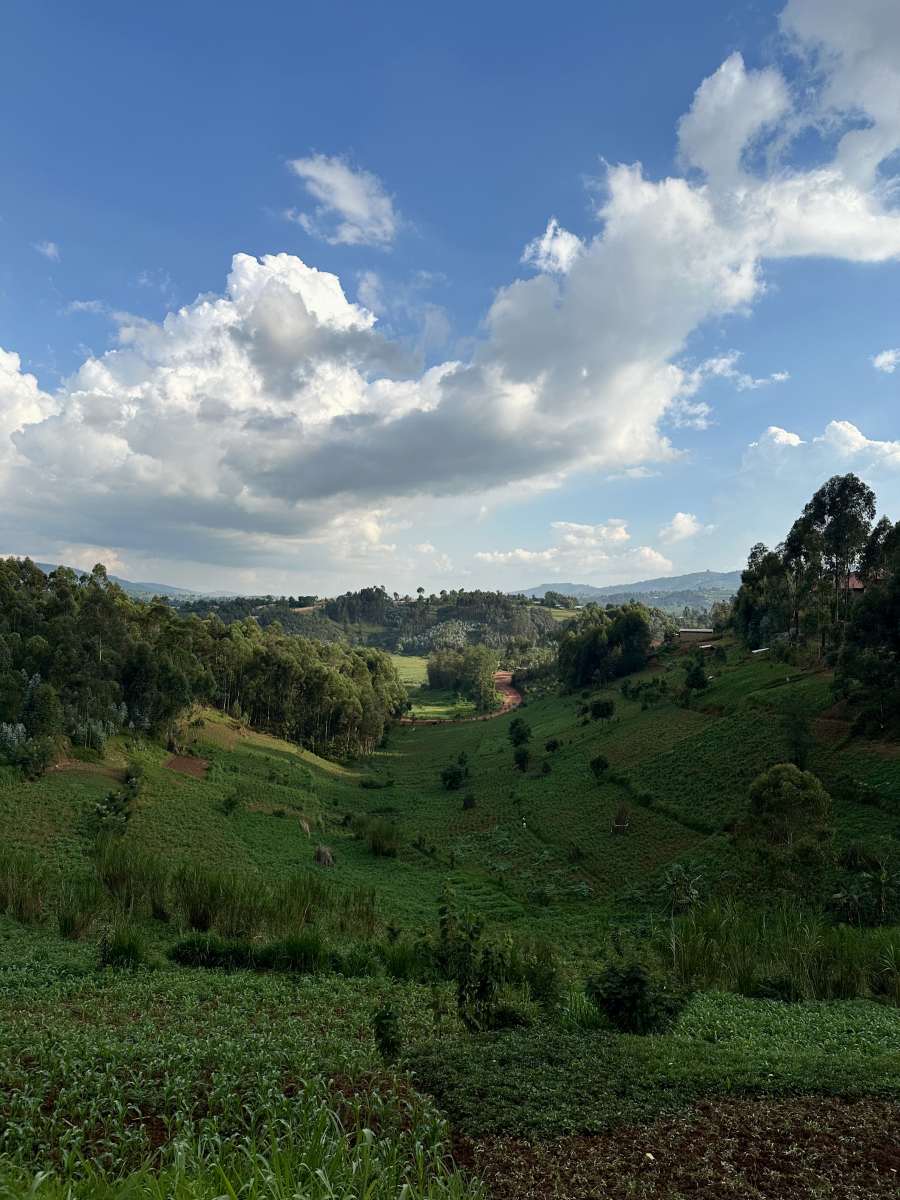

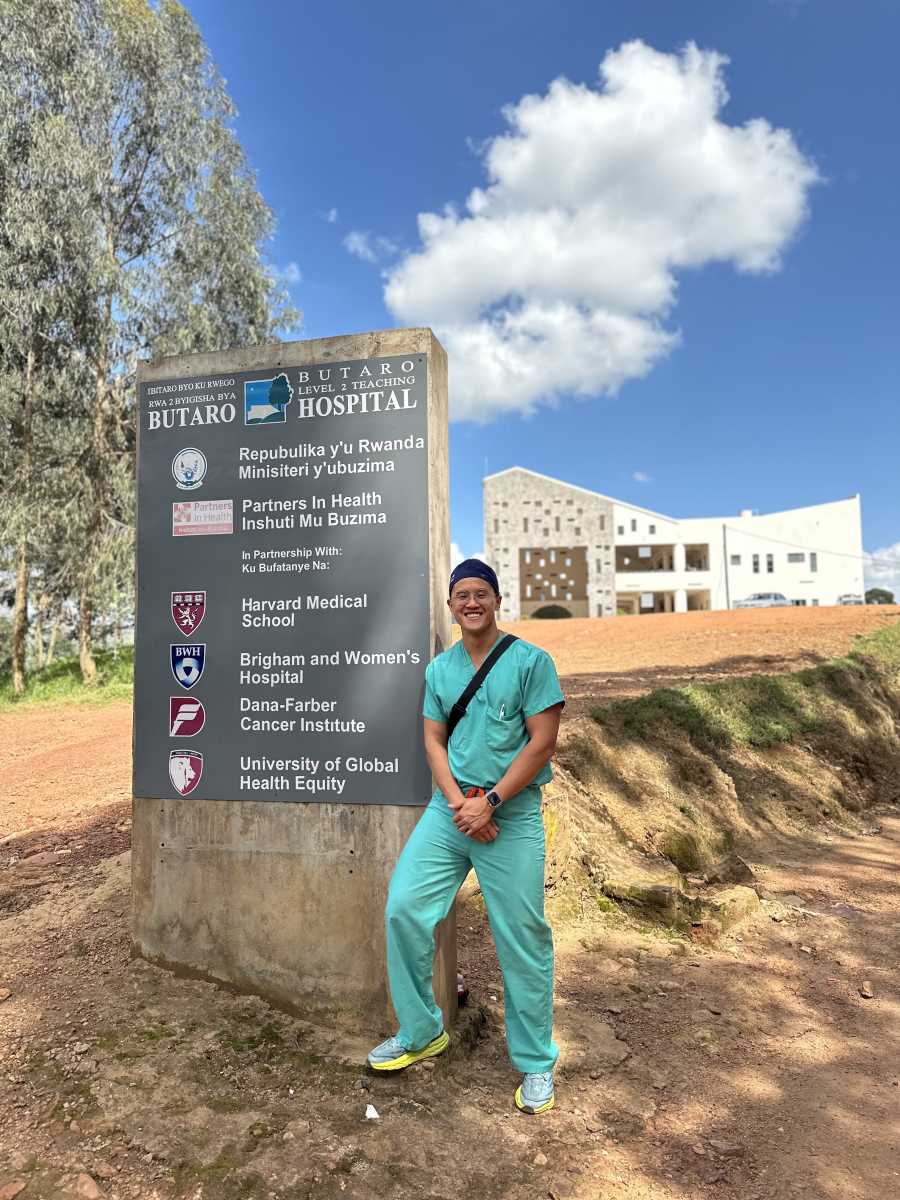






During the week, REW and GI Rising provided gastroenterology consult services and endoscopic procedures to over 1000 patients spread throughout multiple sites. Care was provided for Rwandan patients in the bustling capital city of Kigali as well as in the numerous rural and district hospitals spread throughout the countryside. A vast proportion of the patients impacted by the trip were extremely poor patients who made the trip to their local district hospitals to receive gastroenterology care.
This year was characterized by novel interventions. After negotiating purchase and donations before the trip, we were able to implement point of care rapid urease test kits to facilitate the diagnosis of H pylori and distributed pill-based colonoscopy laxative preparation kits to allow for more diagnostic colonoscopies. Over half of the patients served benefited from one or both interventions.
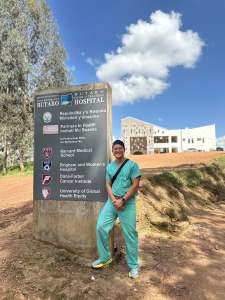
At the site where I was team leader --Butaro Hospital in the remote northern mountains-- we took care of over 100 patients with varying backgrounds and pathologies. A cachectic 40-year-old man with significant weight loss, nausea and vomiting underwent colonoscopy, which revealed an obstructive sigmoid colon mass; this was biopsied and the patient was referred to the national cancer center at Butaro Hospital. An 11-year-old boy with rectal prolapse and bleeding underwent flexible sigmoidoscopy which revealed a 12mm pedunculated polyp; this was successfully removed with cold snare polypectomy and the boy avoided surgery. Numerous patients underwent upper endoscopy which diagnosed a significant proportion of H pylori infections; these were treated with Rwandan guideline-directed antibiotic regimens.
After the week was through, I learned valuable lessons on the delivery of gastroenterology care to under-resourced areas, refined my leadership and endoscopic skills, and once again immersed myself in the beautiful cities and countryside of Rwanda. I was grateful for to see new parts of Rwanda—to appreciate the hills and wild unpaved roads of Butaro, observe mountain gorillas in Volcanoes National Park, and explore new neighborhoods of Kigali with Rwandan friends made during previous years. As usual, REW was an incredible combination of clinical work and personal appreciation of this beautiful country. I look forward to coming back to Rwanda next year and thank the Doximity Foundation for their generous grant.