I am part of a team of healthcare professionals who return to Nigeria every two years to provide medical outreach in rural communities where many of our members grew up. These areas often lack access to basic healthcare. Our outreach delivers a wide range of services, from screenings and diagnoses to surgical interventions, making a significant impact on community health and well-being.
When patients need care beyond our scope, we partner with urban medical centers, ensuring they receive appropriate follow-up. By collaborating with regional providers, we offer care that is both clinically effective and culturally sensitive.
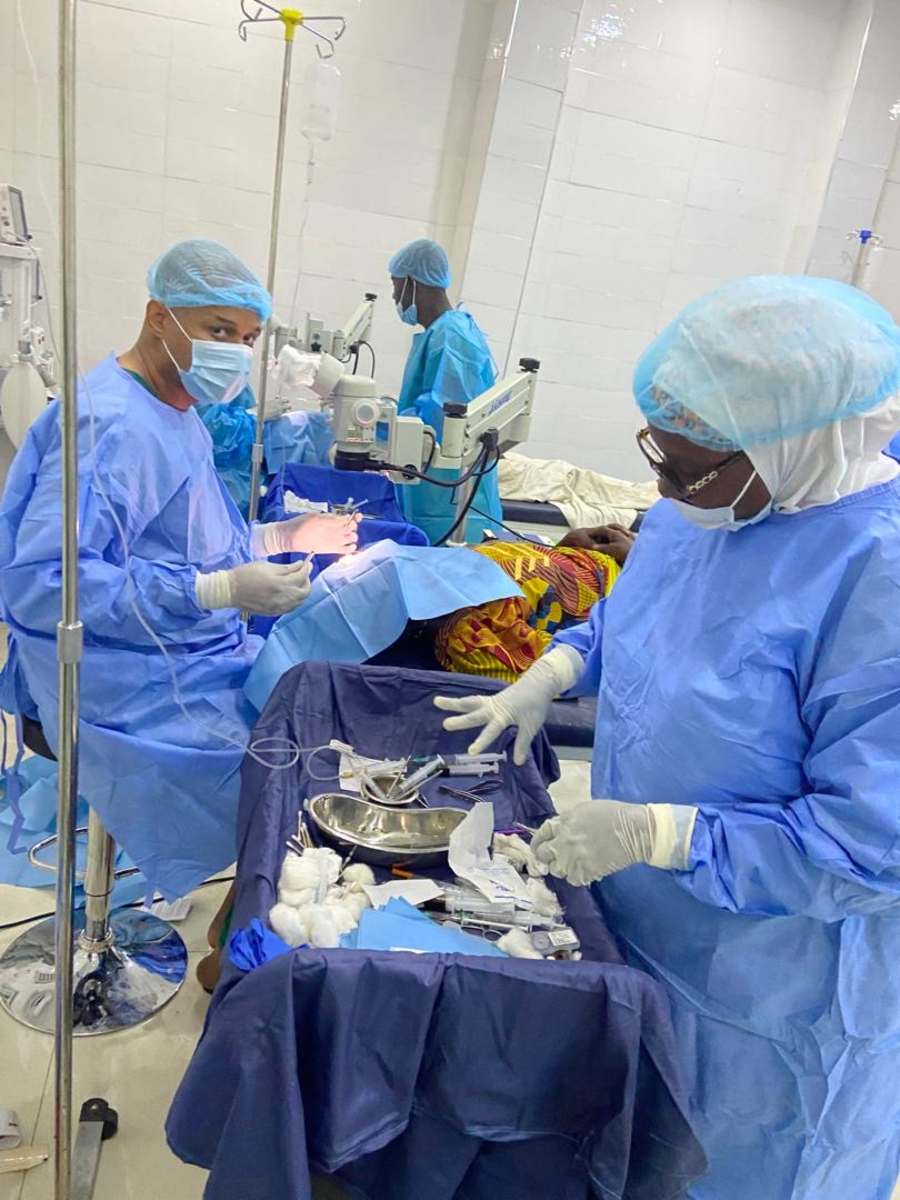
My specific role focuses on coordinating and managing surgical services. I work alongside local surgeons and anesthesiologists to conduct pre-operative screenings, prepare patients for surgery, and oversee recovery in our post-anesthesia care unit. Education is central to our approach: we counsel patients about their conditions, treatments, and recovery, empowering them to make informed decisions and manage their health long-term.
Our work has led to the identification and treatment of precancerous cervical conditions, restored vision through cataract surgeries, and relief from hernias—demonstrating the life-changing nature of our efforts. These procedures do more than treat illness; they restore the ability to work, support families, and participate fully in community life.
In addition to planned services, we are equipped to handle emergencies. In 2021, for example, a grandmother brought her grandson in with severe abdominal pain. Our team quickly diagnosed and performed surgery, preventing a life-threatening outcome. Although no emergencies arose in 2023, our ability to intervene promptly remains lifesaving and provides reassurance to the communities we serve.
The underprivileged and underserved communities of rural southern Nigeria will be the primary beneficiaries of this project. In this region, the per capita income falls below the international poverty line defined by the United Nations and World Bank. Many families cannot afford even the most basic, life-saving prescriptions—often costing less than one dollar—while struggling to meet daily food needs made worse by inflation. Access to healthcare services and essential medications can profoundly improve the lives of individuals and families facing these challenges.
We chose to serve this population because of the deep personal connection shared by the outreach founders and many of our volunteers, whose commitment to uplifting their fellow Nigerians drives this work. Their passion goes beyond delivering medical care; it reflects a desire to give back to their communities of origin and to create a lasting, meaningful impact.
I joined this outreach because I believe in the transformative power of accessible healthcare. Witnessing the positive outcomes of past missions has been both motivating and deeply rewarding. I am equally committed to building strong partnerships with local medical staff and providers, as collaboration is essential for creating sustainable change. The Nigerian people—resilient, family-oriented, and rich in cultural heritage—are a testament to the strength of community. Their spirit reinforces the importance of our mission: to preserve and enhance the well-being of a remarkable and enduring population.
The primary goal of our initiative is to improve community health through education and prevention. We focus on addressing critical challenges such as diabetes, hypertension, cancer, and oral health. In 2023, we also observed a rise in burn injuries from open-fire cooking and a high incidence of sexually transmitted diseases. To respond, we plan to expand our efforts this year to include fire safety and safe sex education.
Our approach combines educational sessions with the distribution of informative materials and the mobilization of community healthcare workers, ensuring that health messages reach people directly where they live.
Beyond education, our programs aim to prevent life-threatening conditions and reduce catastrophic health outcomes. For example, our deworming program significantly lowers rates of parasitic infection, improving overall community well-being.
We also provide corrective glasses, which not only enhance quality of life but, in many cases, open doors to greater economic participation by enabling individuals to work more effectively. The ripple effect extends beyond health, strengthening local economies as well.
Ultimately, our vision is to establish a fully staffed year-round clinic that can deliver consistent, accessible care to the community.

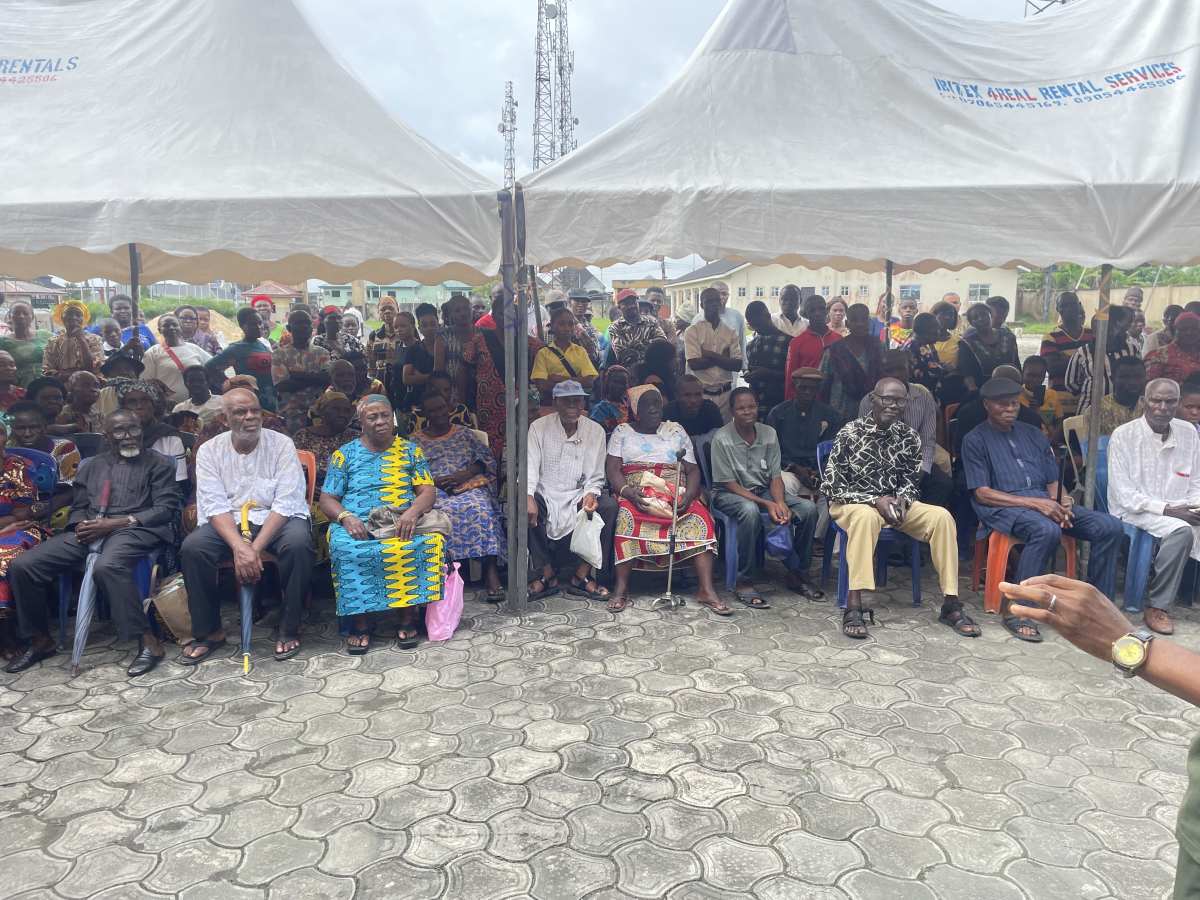
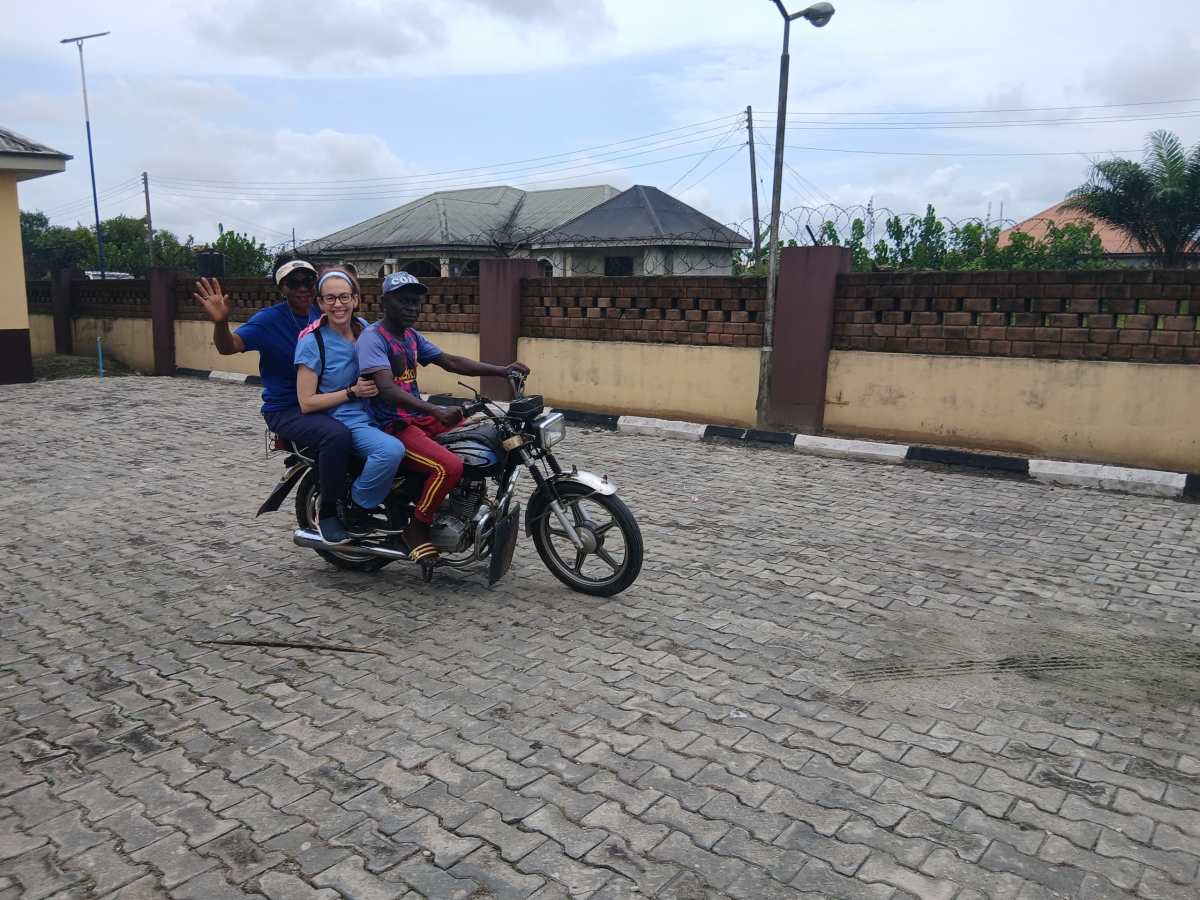
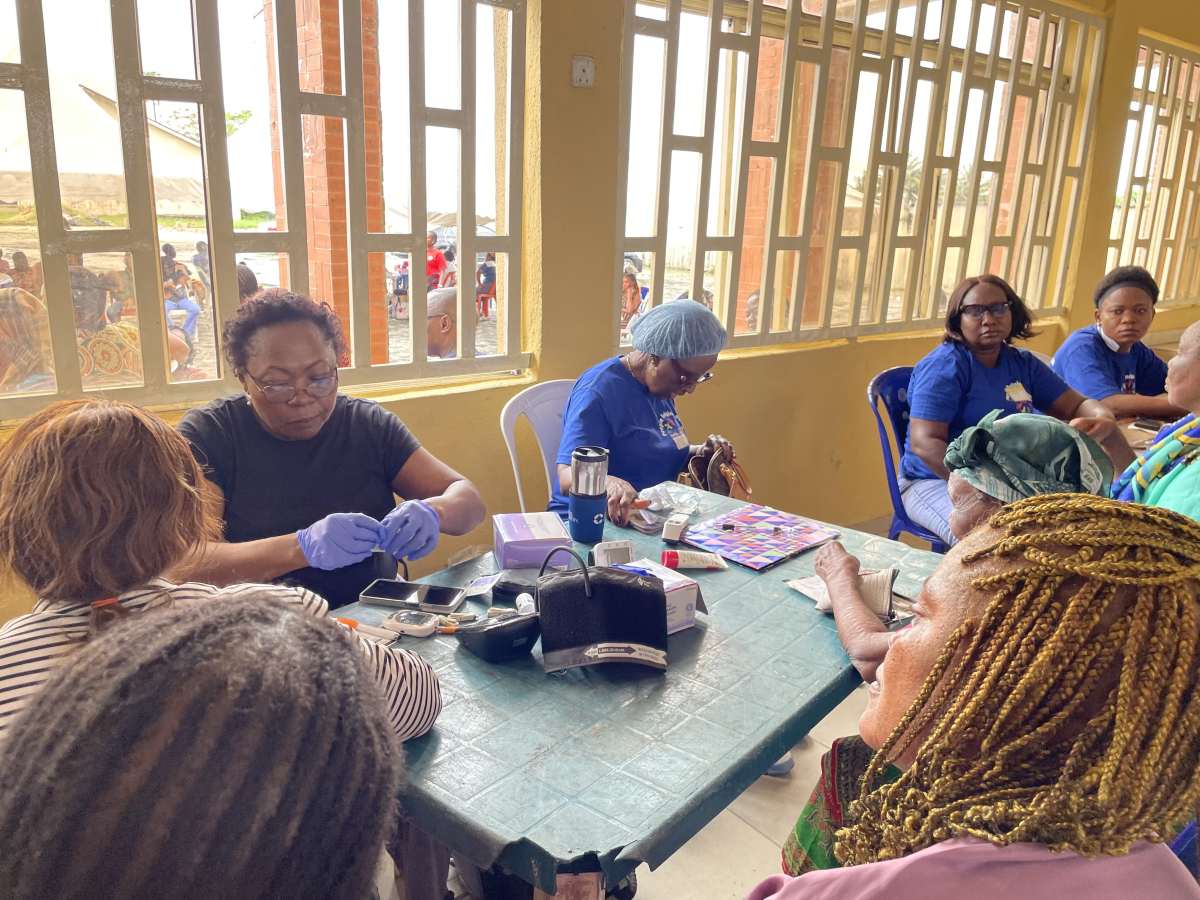
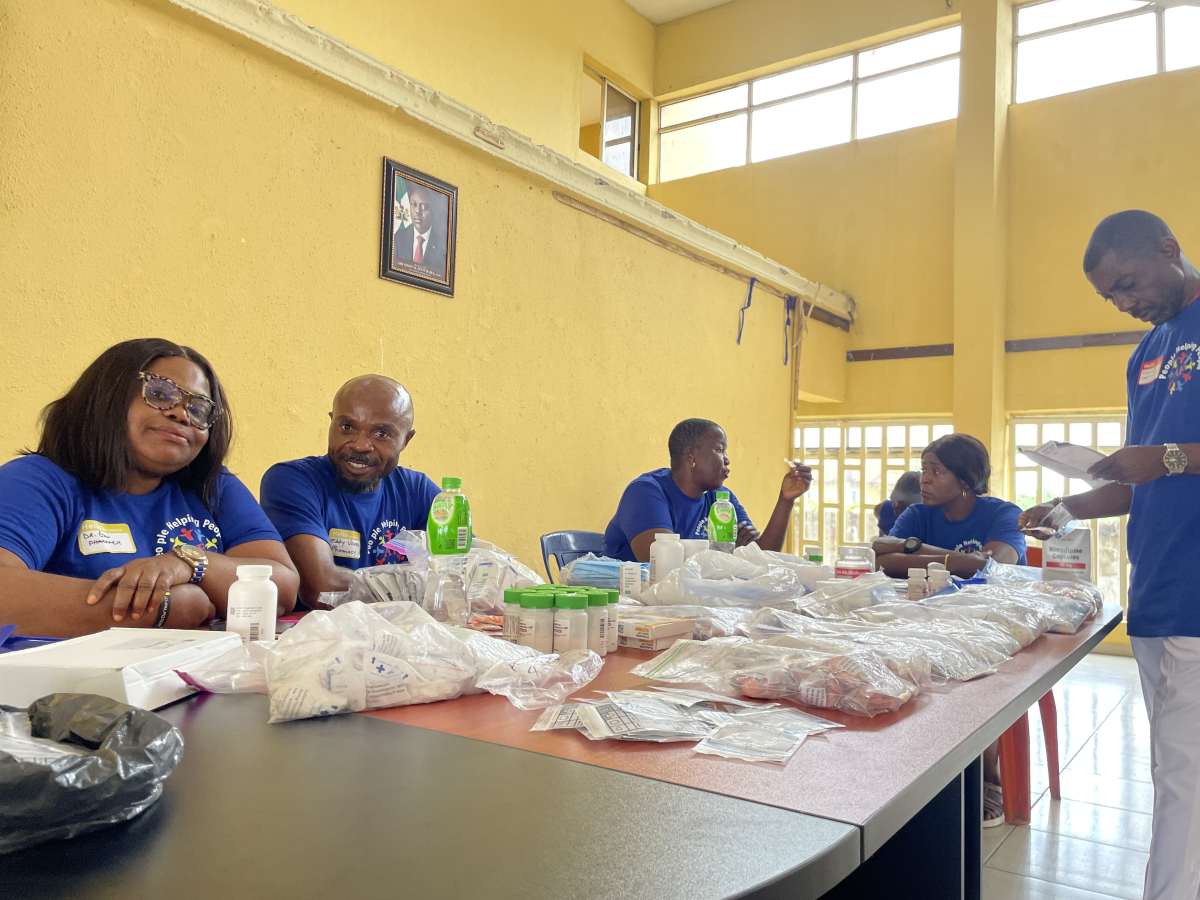
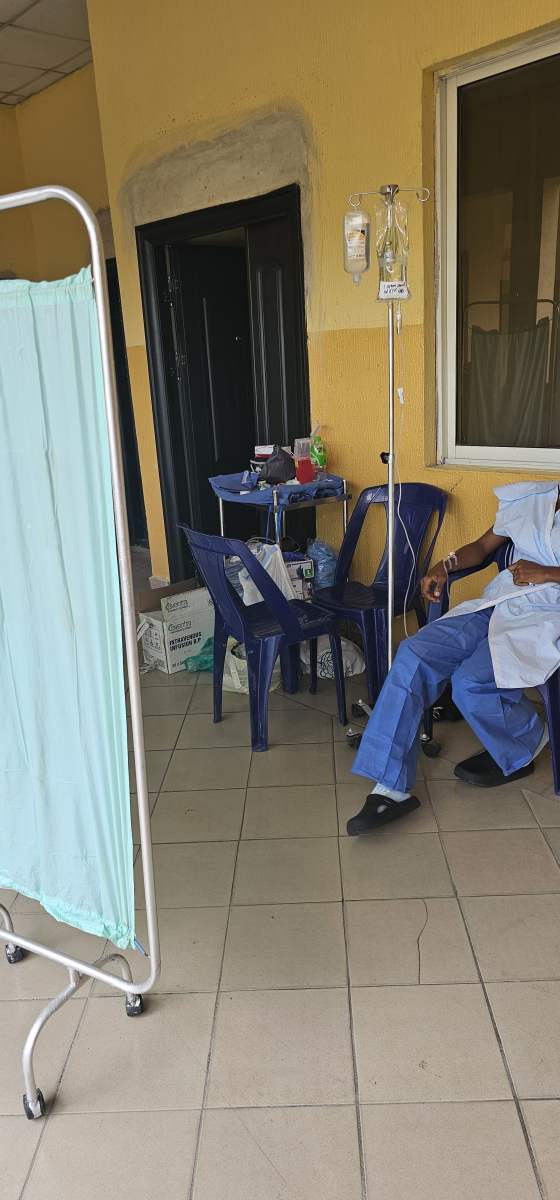
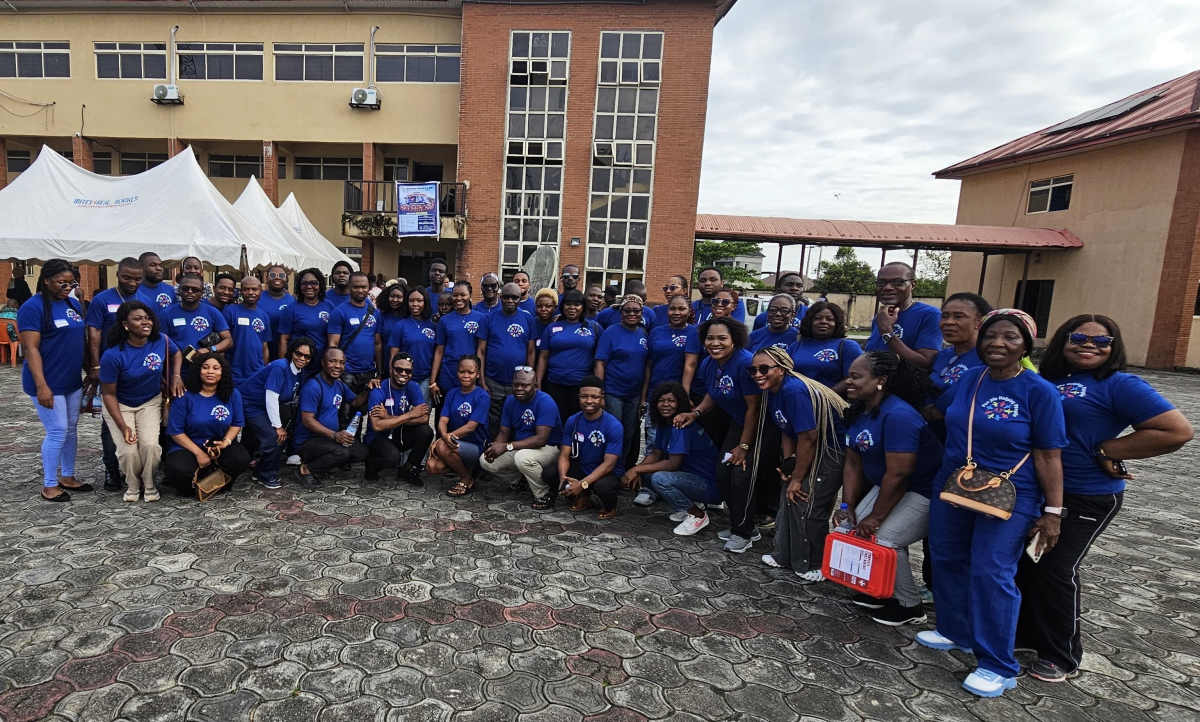

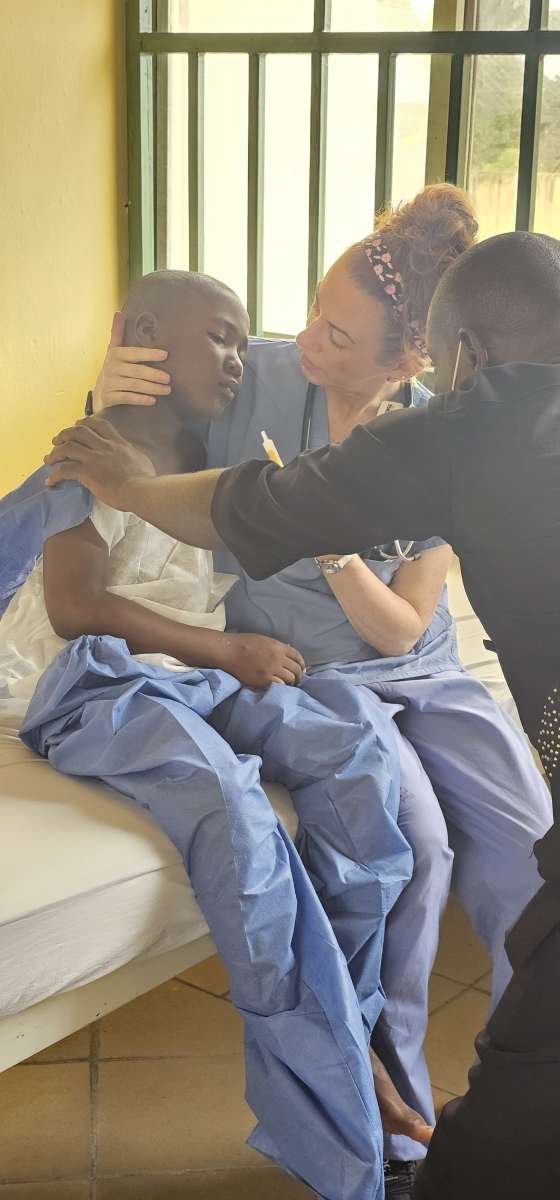


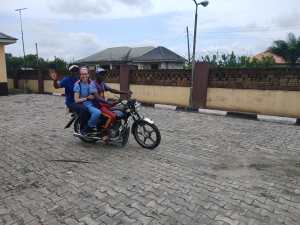
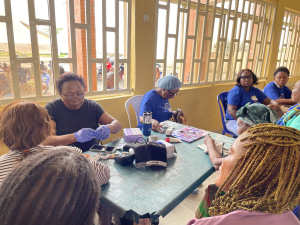
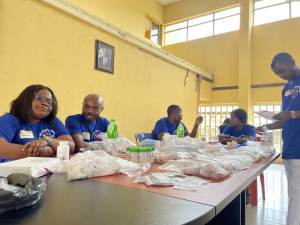

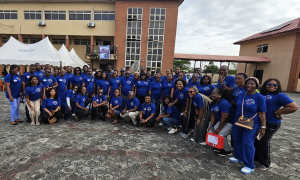

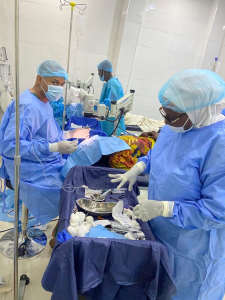
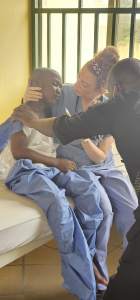


Our mission was to provide free healthcare services to underserved communities in southern Nigeria. The medical outreach was held in Buguma, a village in Rivers State without a functional hospital, where many residents cannot afford medications costing even less than a dollar. In addition to treating residents of Buguma, we also cared for patients who traveled—often by public transportation or with help from friends and family—from neighboring villages, including Port Harcourt, seeking access to healthcare that is otherwise unavailable or unaffordable where they live.
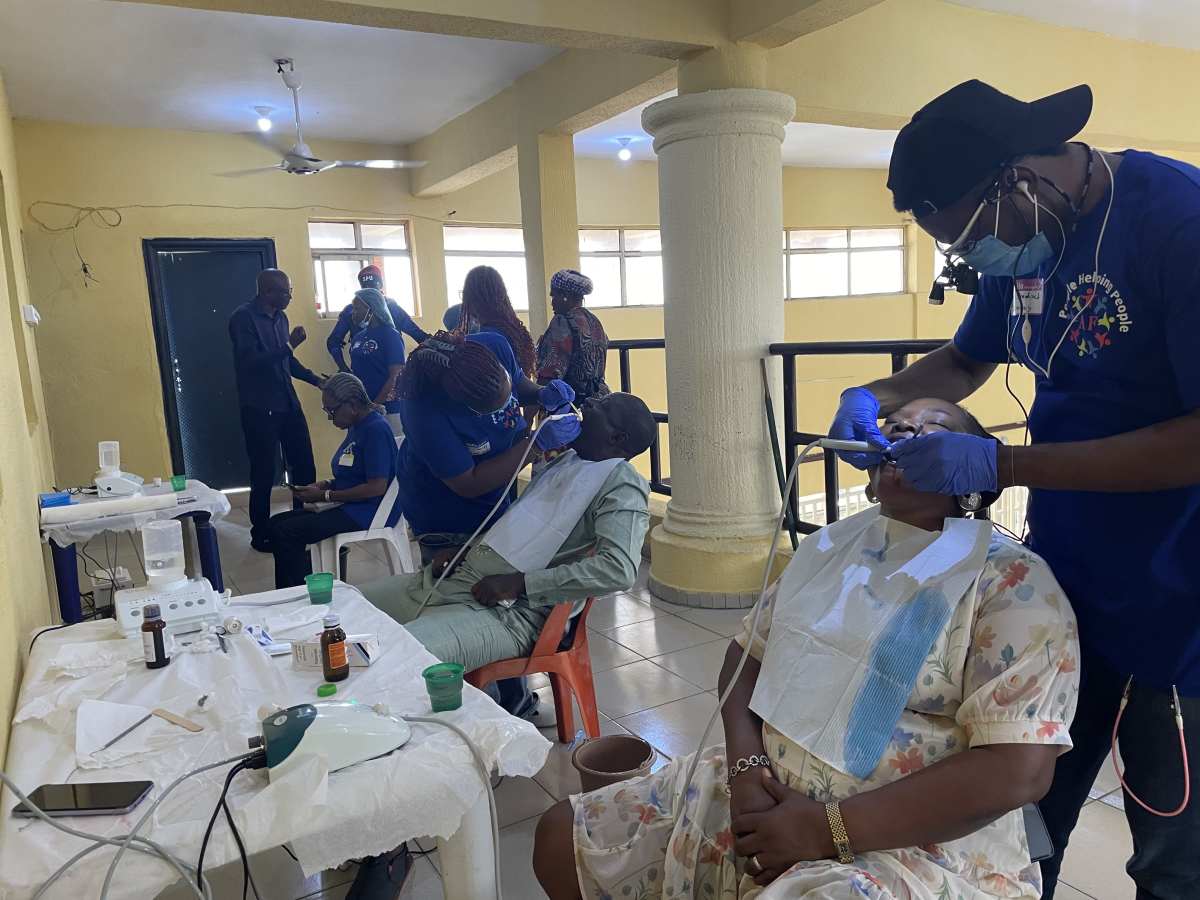
Over the course of five days, healthcare providers treated approximately 2,350 patients presenting with a wide range of acute and chronic conditions. Many patients required referrals to specialists for advanced care, including cataract and pterygium extractions, dental cleanings and tooth extractions, physical therapy, acupuncture, and inpatient surgical procedures such as hernia repairs, lipoma and mass excisions, appendectomies, hydrocelectomies, and a cesarean section.
In addition to clinical care, educational sessions were held for patients, volunteers, and family members, focusing on oral health, healthy lifestyle choices, and dietary modifications to help prevent and manage diabetes and hypertension. The pharmacy also dispensed free medications for conditions including diabetes, hypertension, ulcers, and malaria.
This marked my second visit to Buguma with the Amaibima Foundation, and each year the outreach continues to evolve and improve. Despite staffing challenges in the surgical department—having only one surgeon and one anesthesiologist after a last-minute cancellation—the team worked cohesively and efficiently, ultimately seeing more patients than in the previous visit. During one operation, a patient’s condition deteriorated, but the team responded quickly to stabilize and transfer the patient to a hospital in Port Harcourt. While ongoing limitations in supplies and medications remain a challenge, we remained committed to providing care to as many patients as possible. This year also marked the first time we transferred two critically ill patients to a hospital in Port Harcourt, highlighting both the limits of our resources and valuable opportunities for improvement in future missions.