Cross-Cultural Medicine on Hispaniola provides medical outreach to underserved communities in the Dominican Republic, with a primary focus on Haitian migrants living in bateyes (sugarcane worker villages) and incarcerated individuals in local prisons. These populations face systemic barriers to healthcare due to poverty, marginalization, and a lack of legal recognition. Our team will provide comprehensive medical care, including acute and chronic care, as well as essential medications and preventive health education. The project also functions as a structured global health elective for me as an emergency medicine resident. I will have the ability to apply clinical skills in resource-limited settings while gaining cultural humility, adaptability, and a deeper understanding of the social determinants of health. The difference this initiative makes is both an immediate relief of medical needs for oppressed populations and a long-term impact on physician training. By combining service delivery with education, this project advances health equity abroad while cultivating providers who are better prepared to care for diverse and underserved populations at home.
The project primarily serves two groups: Haitians living in bateyes and incarcerated individuals in Dominican prisons. Haitians working in the sugarcane industry live in isolated communities characterized by poverty, inadequate sanitation, and minimal healthcare access. Many lack legal documentation, excluding them from national health services and leaving chronic and infectious diseases untreated. The prison populations, including women and juveniles, are similarly underserved. Overcrowding, poor hygiene, and minimal medical resources contribute to high rates of preventable illness. Female prisoners face additional challenges, such as limited access to menstrual hygiene products and reproductive care. These populations are served by Cross-Cultural Medicine on Hispaniola because they are among the most marginalized on Hispaniola. Providing outreach directly addresses urgent health disparities, reduces preventable suffering, and reinforces the principle that healthcare is a basic human right, irrespective of socioeconomic or legal status.
In the short term, the project will improve the daily health for hundreds of individuals by providing direct clinical care and access to hygiene kits and health education.. The long-term impact for patients is to reduce the burden of preventable illness. As a resident physician, this immersion in resource-limited, cross-cultural care strengthens adaptability, communication skills, and cultural humility. I will return with greater awareness of the intersection between culture, poverty, and health, applying these lessons to my practice in my community now and throughout the rest of my career. Knowledge gained will be disseminated through case presentations, journal clubs, and shared experiences within the residency program, multiplying its reach and reinforcing a culture of global health awareness. The project not only addresses urgent needs abroad but also develops physicians committed to advancing equity and compassionate care in every setting.


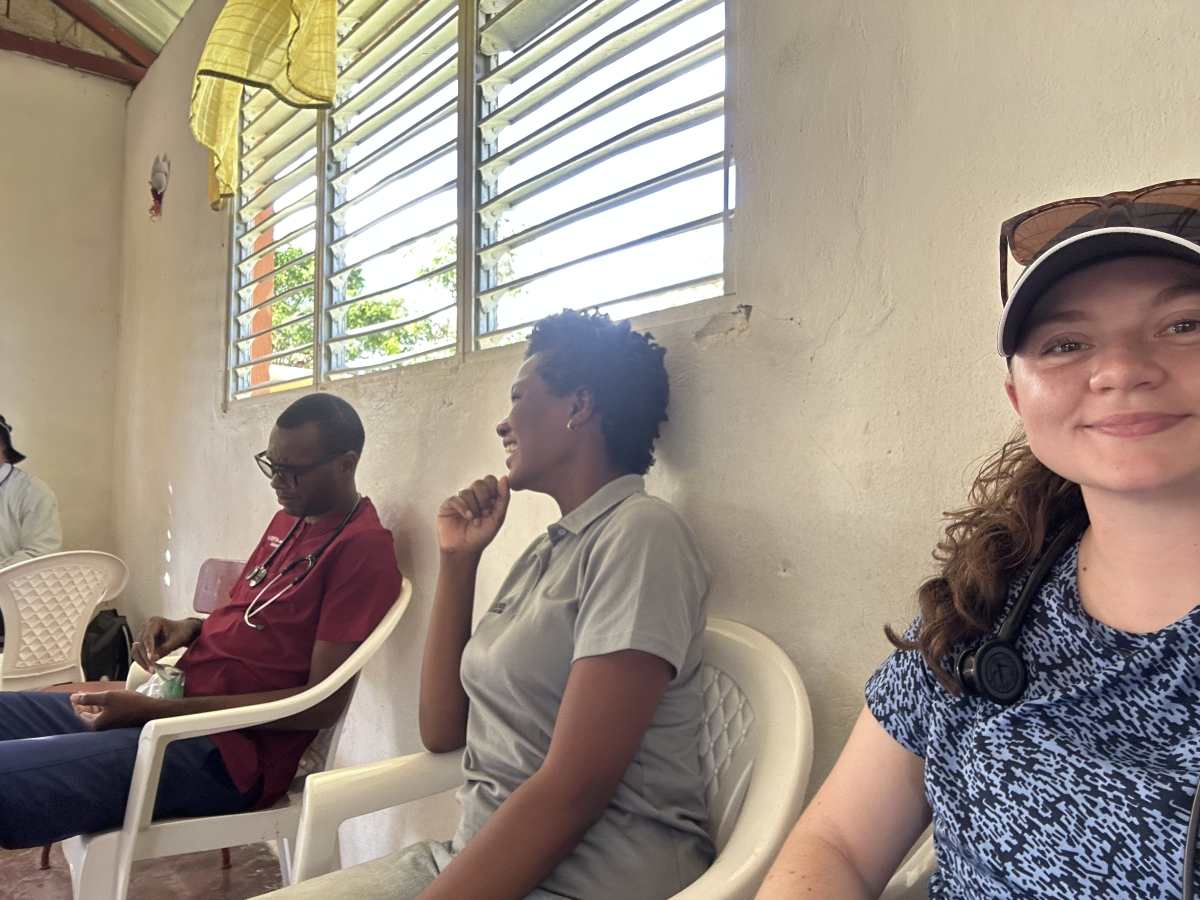


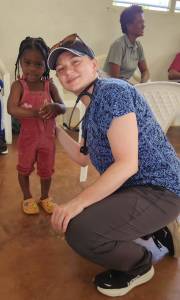
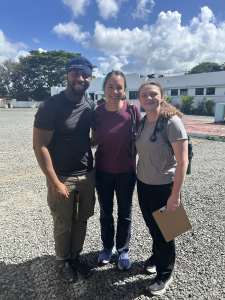
Participating in a medical mission trip to the Dominican Republic was a profoundly meaningful and unforgettable experience. Traveling abroad to serve as a physician for communities with limited healthcare access was both an honor and a privilege.
The mission focused on providing medical care to Haitian populations living in and around the La Romana region—one of the most underserved areas in the Western Hemisphere. These communities, including residents of bateys, and local prisons, have long faced systemic exclusion and health disparities. Serving both Haitians and Dominicans in these environments offered invaluable lessons in compassion, adaptability, and cultural humility, all of which enriched my growth as an emergency medicine physician.
Our multidisciplinary team—composed of physicians, pharmacists, nurses, dentists, interpreters, evangelists, and local partners—worked collaboratively to deliver a broad range of essential healthcare services. We distributed medications for chronic conditions such as diabetes and hypertension, pain management, and infections, as well as hygiene products and topical treatments. I conducted physical exams, gathered medical histories, monitored vital signs, and provided patient-centered education and care. Dental services, including cleanings and extractions, were also offered to residents and individuals in the prison system.
Beyond clinical work, the trip fostered deep cultural and spiritual connections. Joining the local church community in worship and partnering with ongoing mission organizations created lasting bonds rooted in mutual respect and shared purpose.
From the late nights spent pre-packaging medical supplies and coordinating logistics to the rewarding days spent caring for patients, every aspect of this mission underscored the power of teamwork, empathy, and service. This experience reaffirmed my commitment to addressing health inequities and promoting holistic, accessible care for all communities.