The mission of Cross Cultural Medicine on Hispaniola ( CCMH) is two fold. The first is to serve the medical needs of the Haitian population in the Dominican Republic. Many of these people work primarily in the bateys planting and harvesting surgar cane. This population is medically underserved. Our team works in conjunction with the Good Samaritan Hospital and other charity organizations , such as Light a Candle, to supplement the meager health care provided. Often conditions are identified that require more sophisticated care. Appropriate referrals are then arranged.
The second aspect of our mission is to provide medical clinics in the prison system in the area of La Romana. We work hand in hand with local individuals who have dedicated their lives to ministering to the medical and spiritual needs of those imprisoned. We are one of the few outside groups to be allowed to enter the prisons to provide medical care.
The population most served are Haitians working on the sugar plantations and those , many of whom are Haitian, in the prisons. The health care system in the Dominican Republic is currently in crisis largely because of the tragedy in Haiti. Many more Haitians are trying to cross over into the DR illegally. The Dominican government is trying to put a stop to this migration despite the need for plantation workers to plant and harvest the number one export product .
And as many medical workers will attest to , we receive much more in return for our efforts than we give.
The primary impact on the health care for the batey workers and prisoners is a short term increase in the level of medical care received. In addition by the identification of undiagnosed conditions and optimization of chronic medical issues a longer term impact is often achieved.
Also, the impact of showing that there are people from outside the DR who are concerned for these unfortunate people can give some measure of hope.

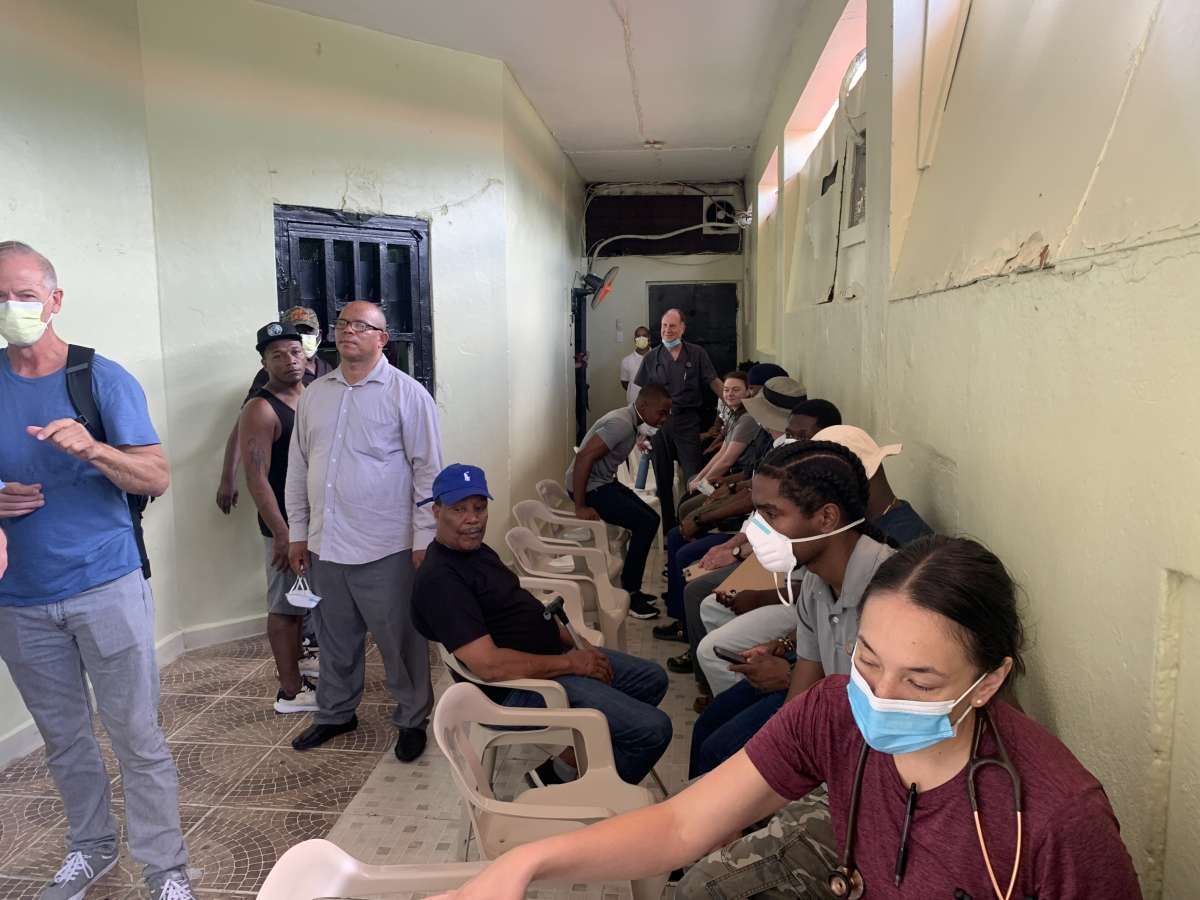
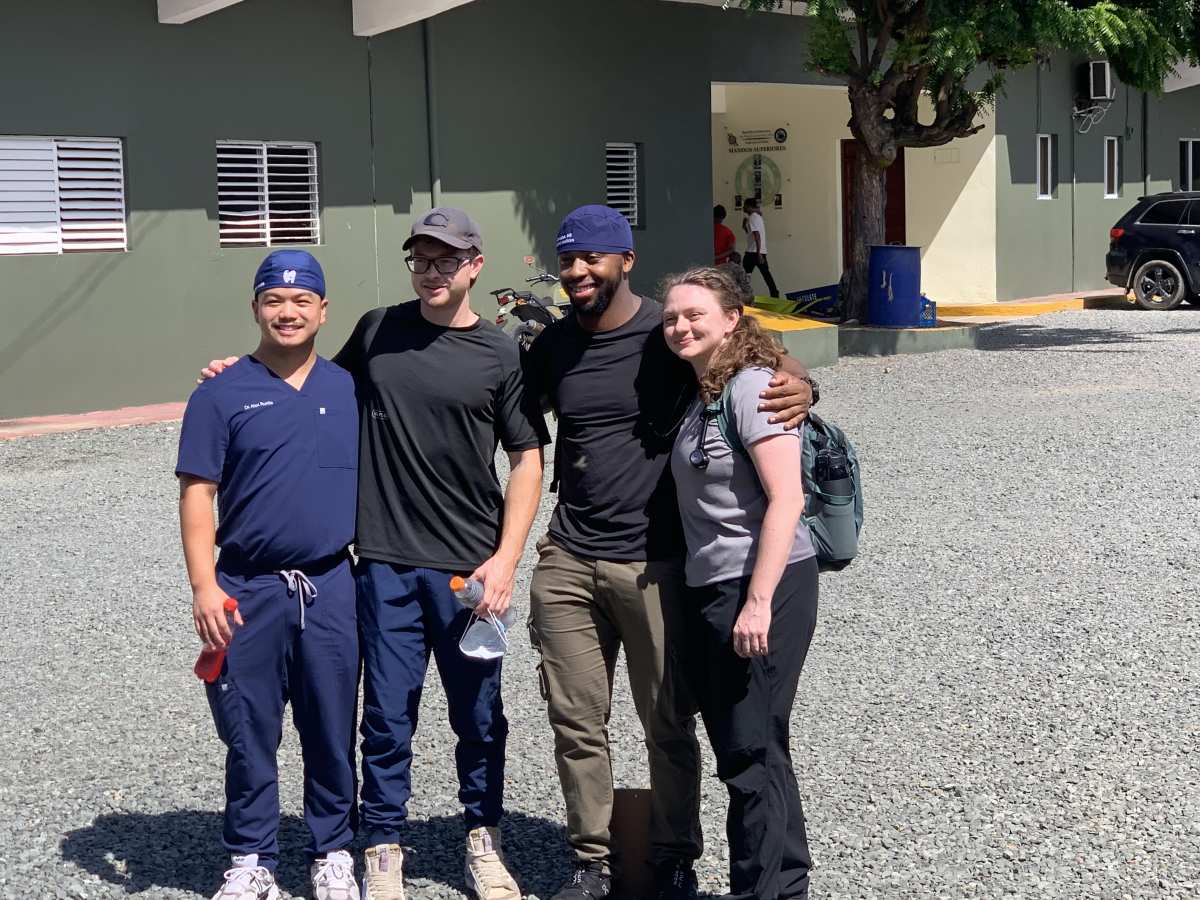
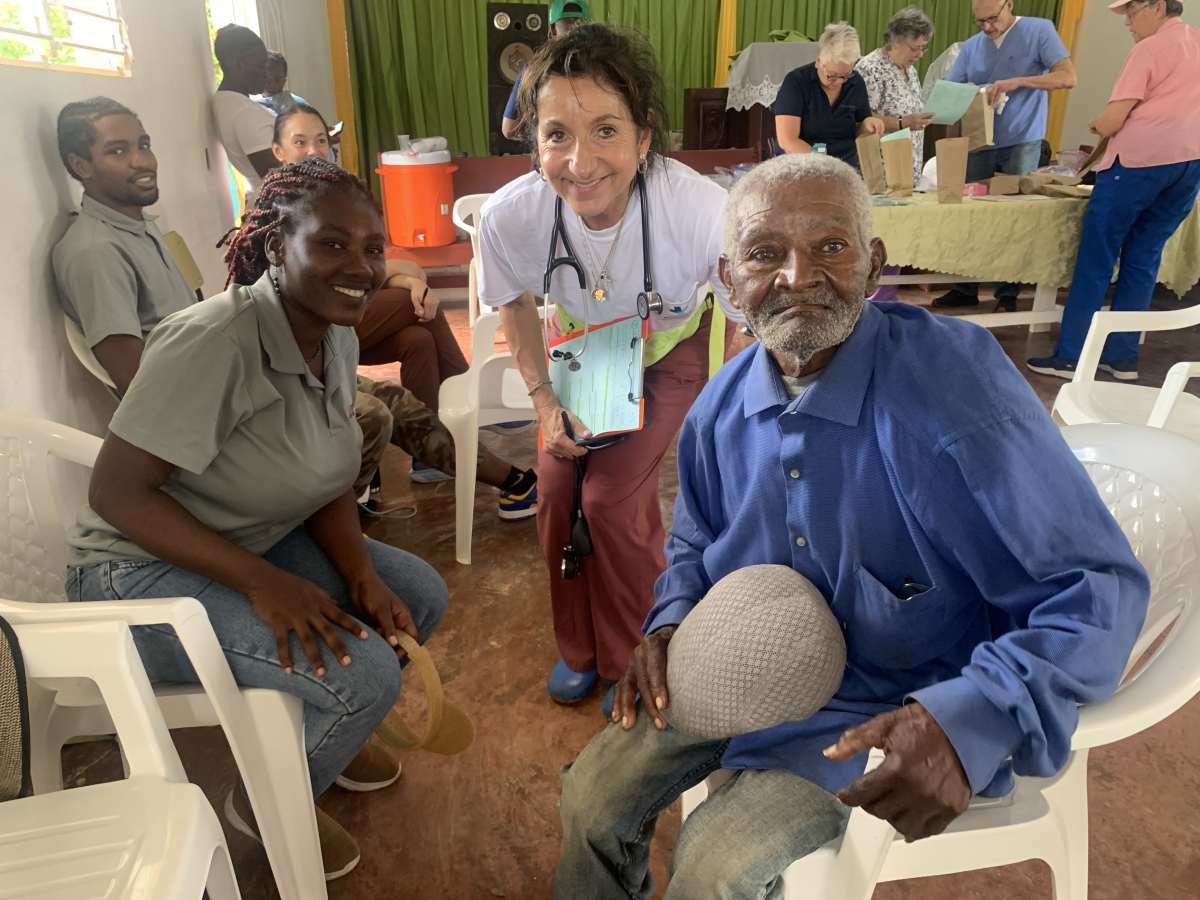





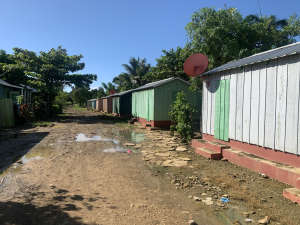

This year's trip by our group Cross Cultural Medicine on Hispaniola ( CCMH) was exceptional in several aspects. We had nine physicians this year which was the largest number ever. This allowed us to see 1300 patients over five days of clinics in the bateys ( sugar plantations) and prisons. In addition, we had one American and one Dominican dentist at every location. Several days we were able to use the Good Samaritan Hospital dental truck which allowed for many more patients to be treated.
The educational aspect of CCMH continues to expand. Two emergency medicine residents from University of South Alabama accompanied the group and were a great asset. Next year Dr Grace Lagasse , from USAMC , hopes to have medical students be part of the team.
This year we saw patients at three prisons ( Seibo, Higuey and La Romana) and two bateys ( Palo Bonito and Guaymate). The chronic diseases include diabetes and high blood pressure. Acute processes mainly include infectious disease states including bronchitis / pneumonia and musculoskeletal injuries.
Our group tries to identify patients needing long term follow up and get them to a higher level of care. One poignant example included a 12 yo girl who appeared to be suffering from failure to thrive probably related to congenital heart disease. Referral was made to pediatrics at the closest hospital.
The political and social crises in Haiti has resulted in many more undocumented Haitians crossing into the Dominican Republic. These people are not entitled to health care by the Dominican government. And, these people are reluctant to seek treatment in government facilities because of the fear of being deported. CCMH sees many of these people in our clinics since we are an apolitical organization. We are also one of the only , if not the only , outside group that is allowed into the prisons to run medical clinics.
CCMH is very grateful to the Doximity Foundation for its support of our travel expenses . This allows us to put our resources towards more medications, ... Thankyou and gracias por todo !