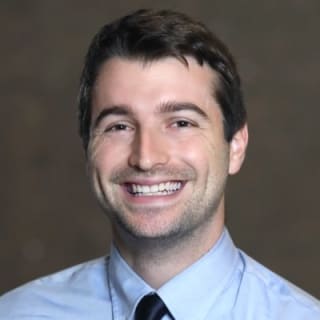
I have partnered with Kibuye Hope Hospital in rural Burundi for the past eight years. This will be my third time working there, and my first as a physician—having previously served as a public health student in 2017 and a medical student in 2022. I will spend six weeks in-country from January to mid-February 2026. My role will be threefold:
1. Clinical care. As a mid-year third-year pediatric resident with prior global health experience in Kenya, I will work alongside Burundian pediatricians, medical students, and nurses to care for children across the wards, NICU, and PICU. As the main referral center in the region, the hospital is often understaffed, and my presence will help share clinical responsibilities, allowing more time and individualized focus for each patient.
2. Quality improvement. I have previously collaborated with Kibuye on maternal mortality (PMID: 36925643) and neonatal feeding protocol optimization (manuscript under review). During this visit, I will lead the evaluation of one of the country’s only comprehensive retinoblastoma treatment programs, aiming to strengthen outcomes and guide program development.
3. Teaching. I will provide instruction in basic statistics and research methodology for medical students and physicians seeking to build research capacity. I will also contribute to bedside clinical education while learning from the unique expertise and context of Burundian trainees and clinicians.
Through these roles, my goal is to support sustainable improvements in patient care, research capacity, and education while deepening long-term partnerships with Burundian colleagues.
Burundi is among the most resource-limited countries in the world, with the lowest GDP per capita globally and one of the highest child mortality rates—particularly within East Africa. Children bear the greatest burden of preventable disease and premature death, driven by limited access to care, high rates of malnutrition, and infectious illnesses such as HIV, tuberculosis, and malaria.
Kibuye Hope Hospital is the largest referral center in its district, serving a wide catchment area that extends beyond its immediate community to surrounding provinces. Families often travel long distances to seek care, arriving with children in advanced stages of illness. The hospital’s pediatric wards, NICU, and PICU routinely care for children with severe malnutrition, sepsis, neonatal complications, and oncologic conditions such as retinoblastoma—diseases that too often go undiagnosed and/or untreated in rural contexts.
While in burundi, I will directly serve these children and their families. Clinically, I will work under the supervision of Burundian attending physicians to provide bedside care, increasing capacity for timely diagnosis and treatment. My recent clinical experience in a rural (slightly more resourced) hospital in Kenya this past year has provided unique insight into diagnosing and managing the diseases that disproportionately affect children in East Africa, while deepening my ability to work across cultures and resource-limited settings.
Beyond individual patient care, I will collaborate with Burundian trainees and clinicians, investing in education and shared learning on hopes of benifitting both the hospital and the wider population. By strengthening care delivery and research capacity at Kibuye, I hope to serve not just the children seen during my six weeks, but also the many more who will benefit from the thoughtful and culturally relevant research questions to be asked and answered by the local clinicians.
The expected impact of this project is both immediate and long-term, for the Burundian community and for my future practice.
At Kibuye Hope Hospital, I will provide direct pediatric care in an environment where additional physician support can help reduce the clinical burden and allow for more individualized patient attention. By evaluating one of the country’s only comprehensive retinoblastoma programs, I will help identify opportunities to improve care delivery and efficiency, with the goal of strengthening outcomes for children with cancer. In addition, I will continue to support ongoing quality improvement and research initiatives, including mentoring students on their theses and building capacity in statistics and research methodology. These efforts aim to contribute to sustainable improvements in care and training that extend beyond my six weeks on site.
The impact is also reciprocal. Working cross-culturally in Burundi will deepen my understanding of pediatric care in resource-limited contexts and strengthen my ability to adapt clinical reasoning across diverse environments. These experiences will inform the way I approach patient care in the United States, broadening my perspective on resilience, resourcefulness, and equity in healthcare delivery.
This project also represents a long-term commitment. Having partnered with Kibuye over the past eight years, I hope to continue contributing to its clinical, educational, and research mission. As I move forward in my career with the goal of becoming a pediatric hematologist/oncologist, I envision returning to Burundi to support oncology care and to expand access to diagnosis and treatment for children with cancer. In this way, the relationships and learnings from this project will carry forward, shaping my career and strengthening pediatric care across borders.
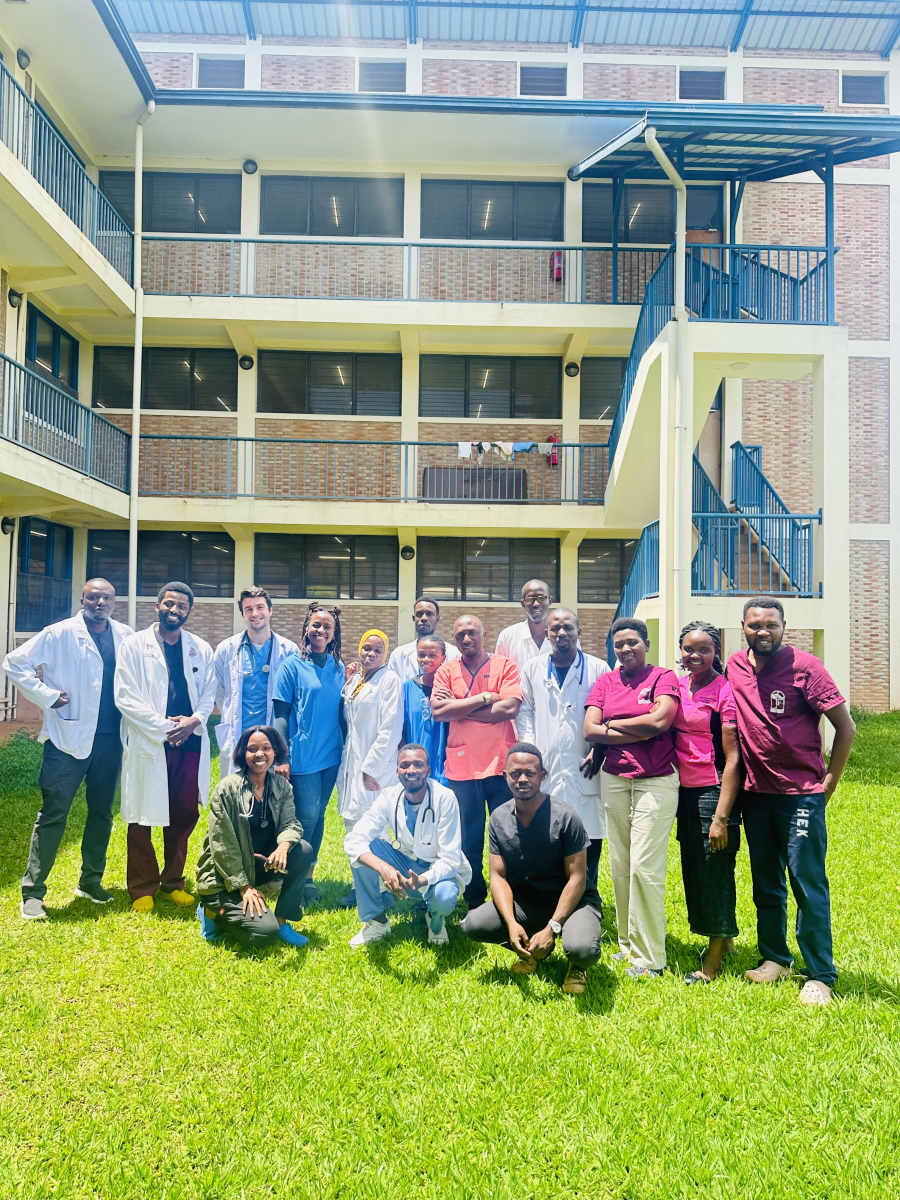
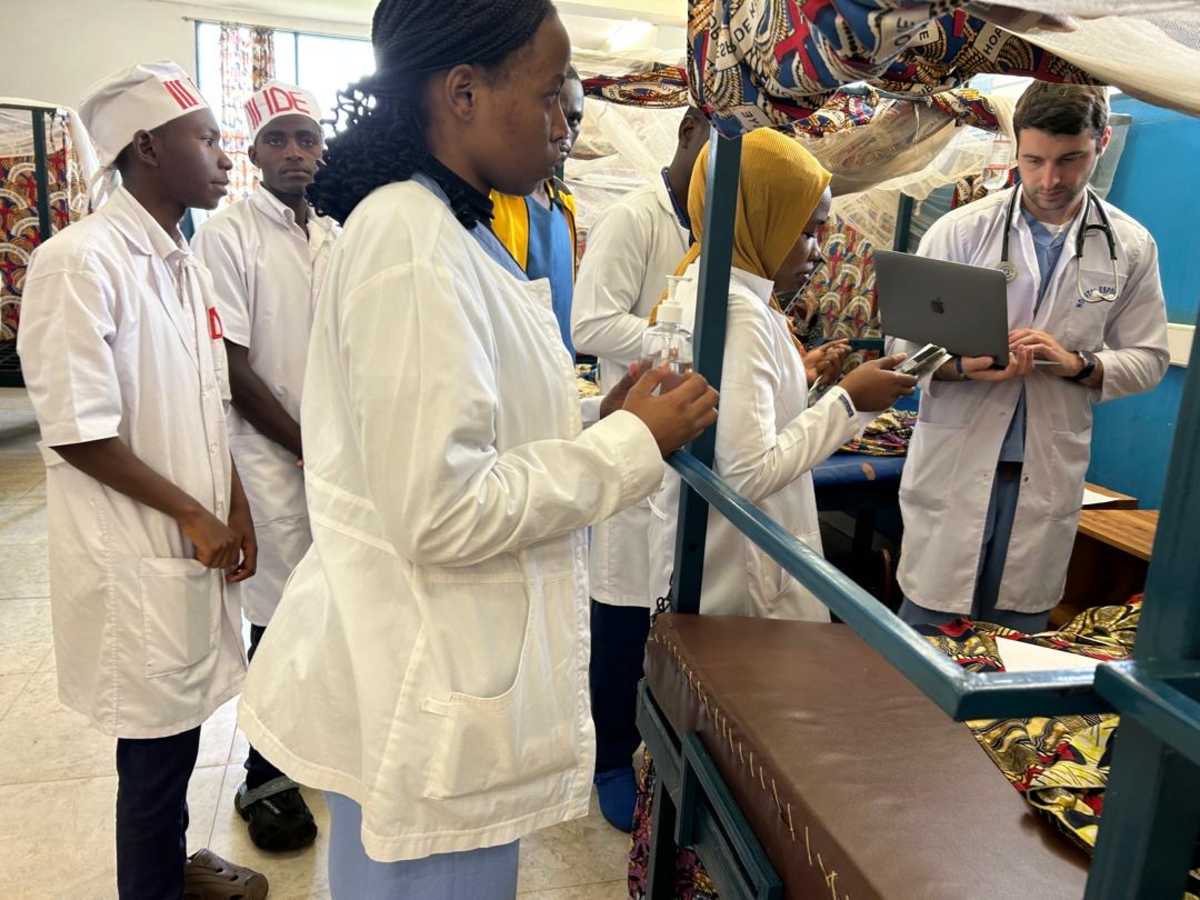
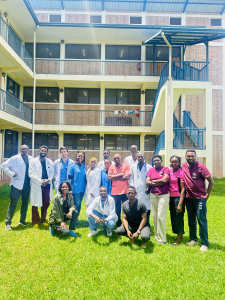
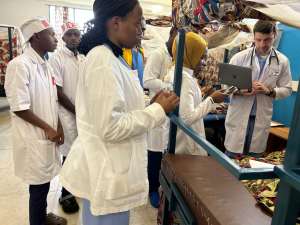
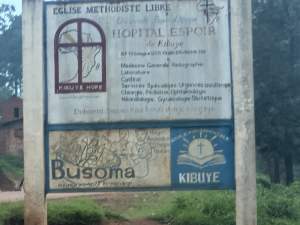
During my time in Burundi, I joined the general pediatrics, neonatology, and malnutrition teams alongside local physicians, nurses and medical students to care for patients ranging from premature newborns to adolescents. The patients presented with a wide range of severe infectious diseases, malnutrition, and complications of delayed access to care.
For many families, hospitalization required traveling long distances with limited resources. My time at the bedside was in close collaboration with the whole care team, supporting respiratory management for premature infants, stabilizing severely malnourished children, and helping develop practical treatment plans that balanced evidence-based medicine with local constraints.
Equally important was working alongside Burundian medical students, nurses, and physicians. Teaching occurred informally during rounds and case discussions, while I learned from them about cultural context, resource stewardship, and sustainable practice. Rather than implementing temporary changes, we focused on quality improvement efforts that local teams could sustain, aimed at reducing variation in care and strengthening systems beyond my visit.
The impact of this trip extended beyond individual patients. By investing in partnership, shared learning, and locally driven improvement, my hope is that this work contributes to sustainable pediatric care in this region.