During the two weeks of the rotation that will take place in Lesotho, I will be placed at Motebang Hospital, the northern regional hospital of Lesotho. I will round on both the children’s medical ward and the nursery, which includes a high-care unit. I will be working with interns and medical officers. In addition to inpatient services, I will have opportunities to provide child health care at the Maternal Child Health clinic providing preventive care for children under five years of age as well as the pediatric outpatient clinic providing acute care services for children and adolescents. Given my interest in pursuing a career in adolescent medicine, the time providing care for adolescents will be prioritized while also giving presentations and facilitating discussions on important child health topics. Finally, there are opportunities for me to contribute to quality improvement projects related to malnutrition, dehydration and congenital heart disease screening.
During the two weeks of the rotation in South Africa, I will round on patients hospitalized in the pediatric respiratory ward of Tygerberg Hospital for one week and patients at the emergency medical center at Khayelitsha District Hospital, in collaboration with Stellenbosch University and the Desmond Tutu Tuberculosis Centre. As a budding medical educator, I will also be required to give two 30-45 minute lectures to the local health care teams at both hospitals during educational sessions.
These various clinical settings will assist in my ability to recognize outpatient versus inpatient medical necessity, thus triaging and diverting patients according to their appropriate level of care, which I’ve learned to do well here at Johns Hopkins, but have yet to experience in a resource-denied setting, which will be critically important given my interest in correctional medicine and splitting my clinical time a local/state Juvenile Detention Centers.
There are a few different categories of people that I envision will benefit from this global health project. I believe the patients in the resource-denied setting of Lesotho will be directly impacted by the medical care that we are able to provide. I also believe the clinicians there will benefit from learning more about our medical practices, while we also learn the creative, innovative ways in which clinicians practice in underserved global settings. Though Capetown is not considered a resource-denied setting, the bidirectional educational opportunities will still be tremendously impactful. These benefits are not just for me, and not just for right now, but I see these experiences greatly impacting the patients I care for in the future.
Additionally, there is tremendous opportunity to experience psychological and perspective shifts in the realm of humanism, which is so foundational to effective healthcare delivery. Regardless of the diagnosis, medication, new research findings, or technological advances, there is still an aspect of medicine that simply boils down to human-to-human connection, given that ultimately, we are still persons, caring for other persons.
Lastly, through caring for patients in the rural areas of Lesotho, and being able to compare that to the more developed area of Capetown, I believe this will further my understanding of the current health inequities within this country, and, how they came to be. With my passion for social justice within medicine, direct placement and exposure would be a truly transformative experience, because outside of the carceral rotations that I've already completed, there is no other domestic opportunity that allows direct exposure to vastly different healthcare settings and patient populations. Consequently, this would serve to broaden my understanding of global citizenship and cultural humility, which are both foundational principles to practicing medicine, but more importantly caring for people
I’ve been fortunate enough to have various international experiences as I’ve always sought to expand my world-view, not only as a healthcare professional, but also as a global citizen to ensure that my ability to care for patients is rooted in a strong sense of cultural humility. There is a very famous book called Medical Apartheid that unpacks the history of medicine here in America and how racism, classism, and resource allocation have contributed to the current inequitable, disparaged medical climate. Which is where my interest in this experience stems from, as I’m hoping to foster a deeper sense of cultural empathy and compassion to better connect with diverse patient populations, especially those who have been disproportionately affected by unjust, historical world practices. This cultural curiosity and expanded world-view will be vitally important for my chosen career path, which is juvenile justice and the health/wellness impacts of youth incarceration because though myself and incarcerated youth differ in many ways, the similarities will be what fosters our connections. Consequently, becoming more aware of my biases, their biases toward me as a medical professional, and the cultural considerations that must be considered when entering another person’s world, will ensure that I’m providing the highest quality of care to the young people in these settings.
Clinically, my desire to participate in this rotation is rooted in the reality that detention centers have less access to resources compared to most healthcare settings. Through our institution's global health elective course, we learned innovative strategies to provide quality care with whatever resources are available to you, and I believe this international experience would provide more training in this. Lastly, I believe learning from the medical providers who practice in these countries will be extremely impactful, given their vast knowledge and medical expertise in resource-denied settings.
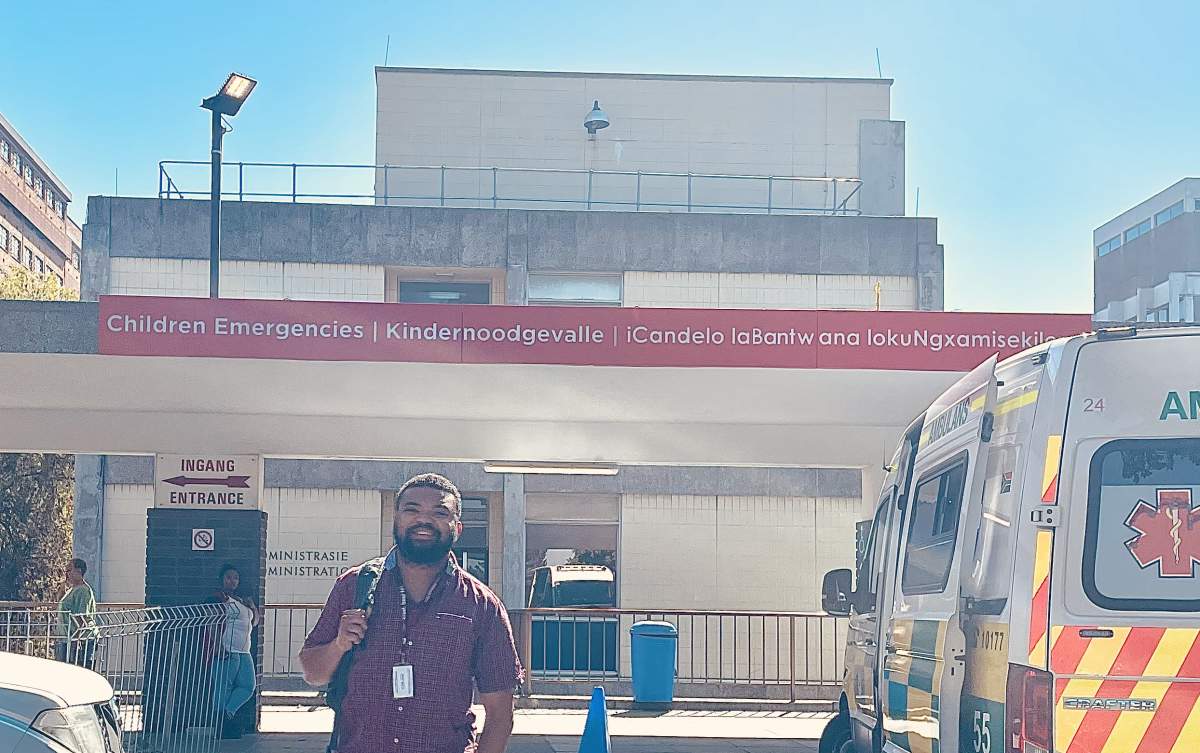
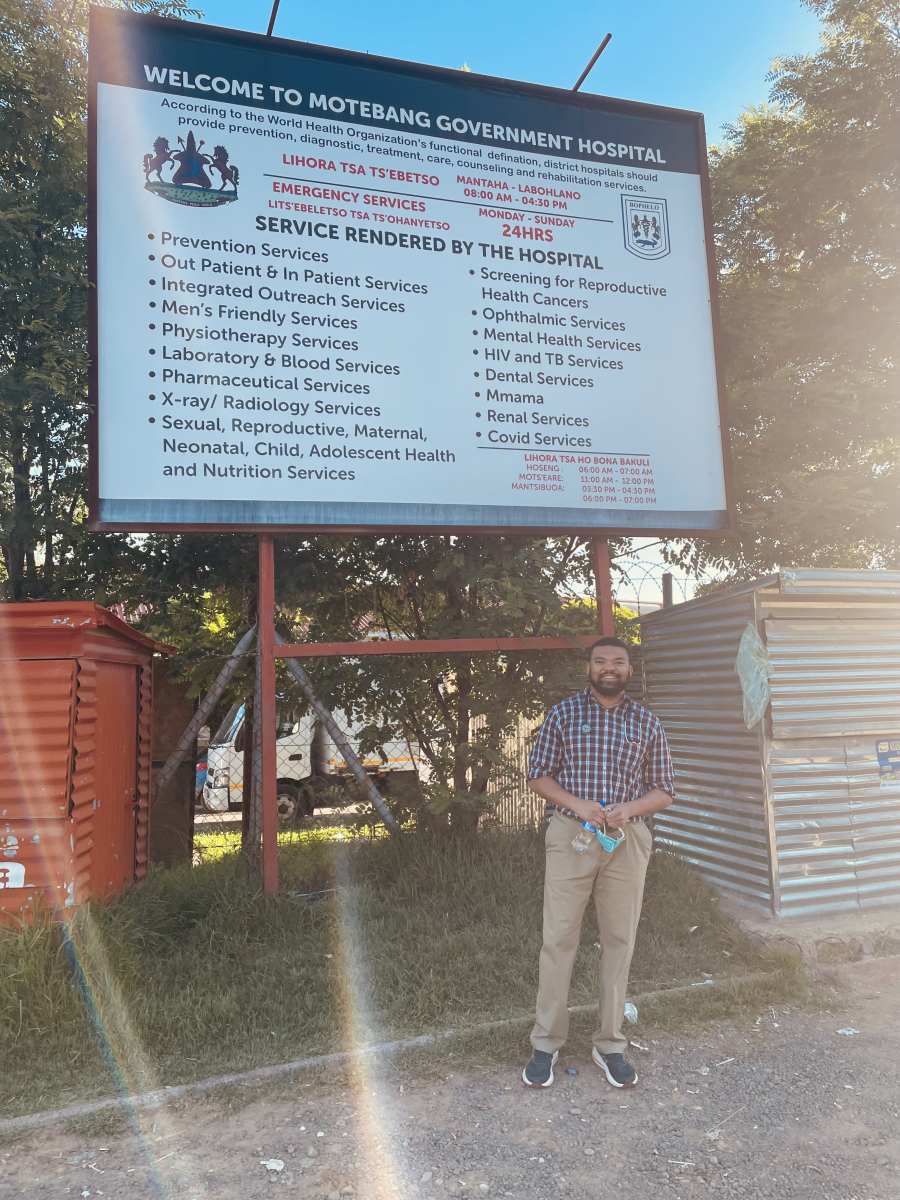
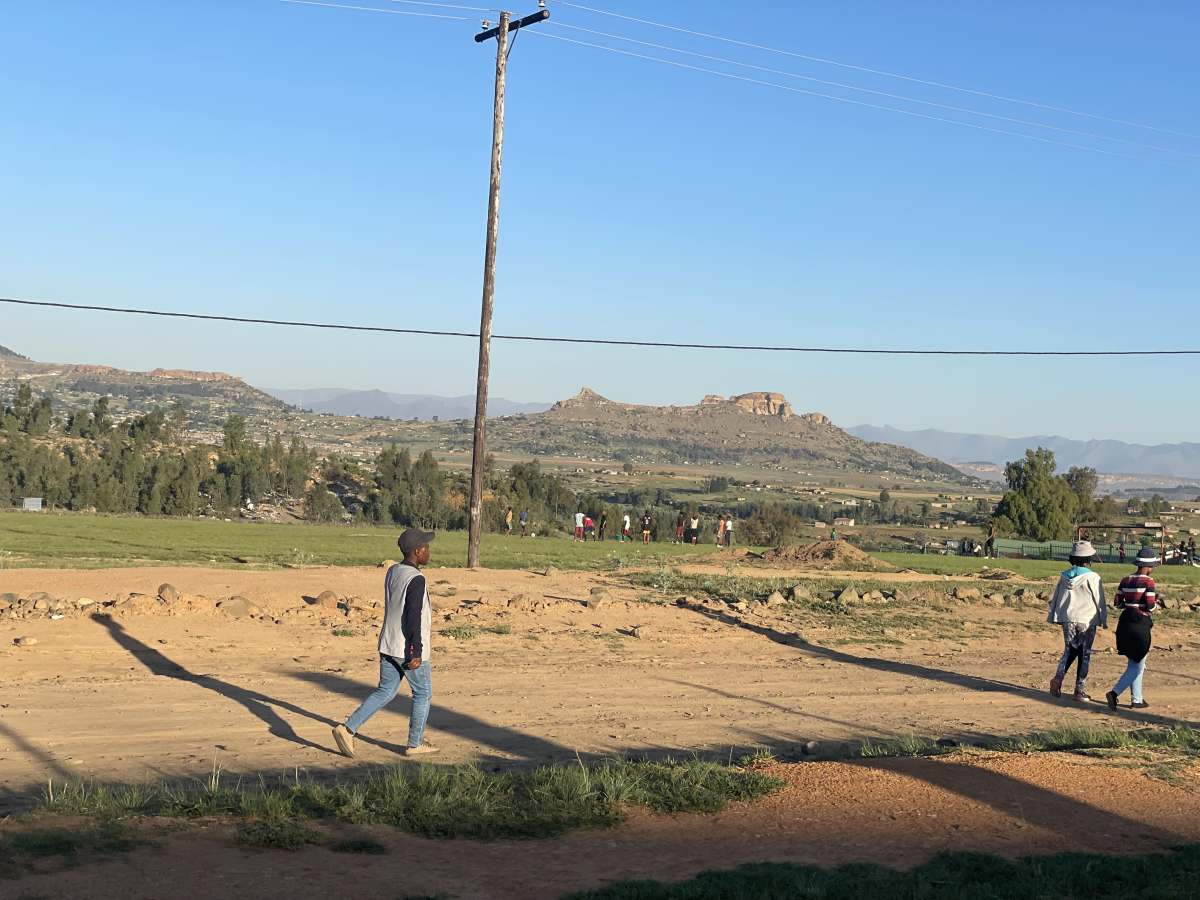
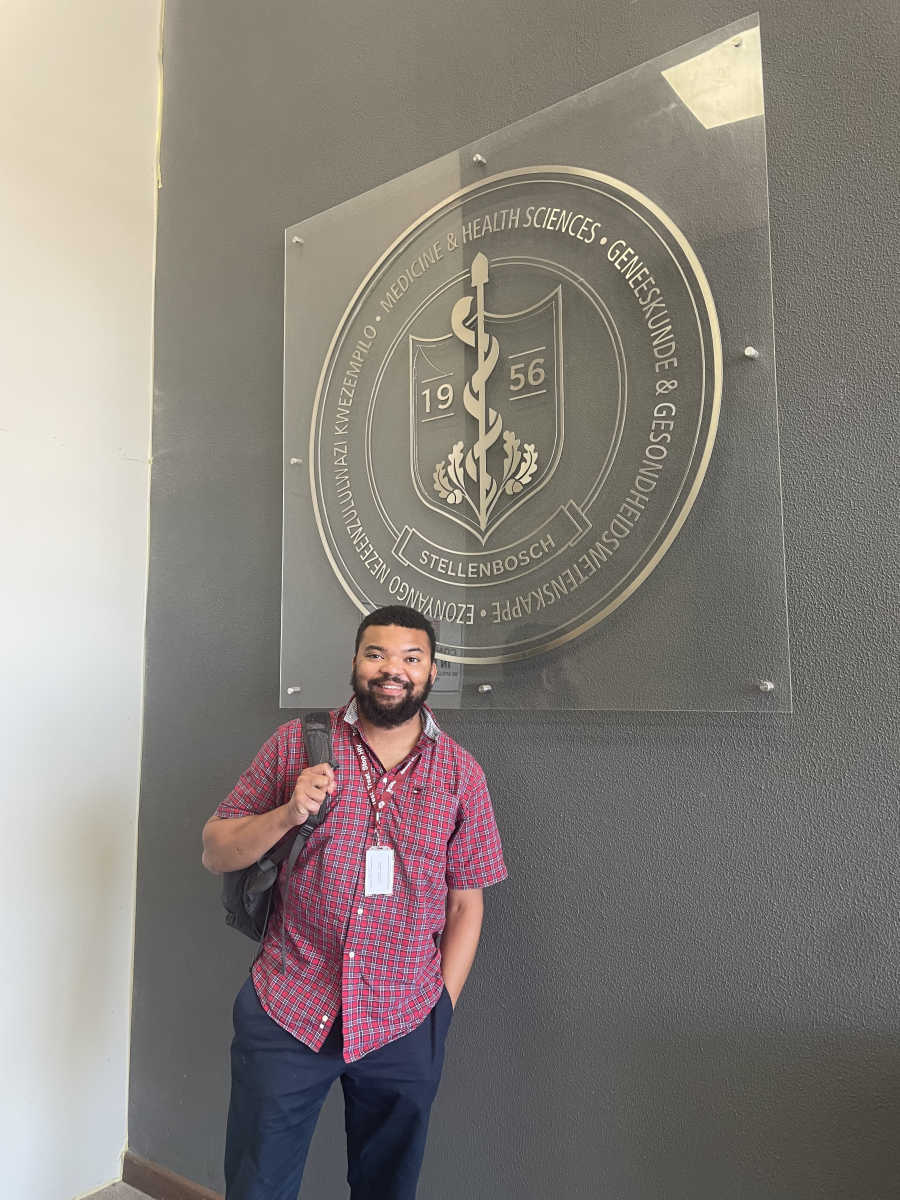
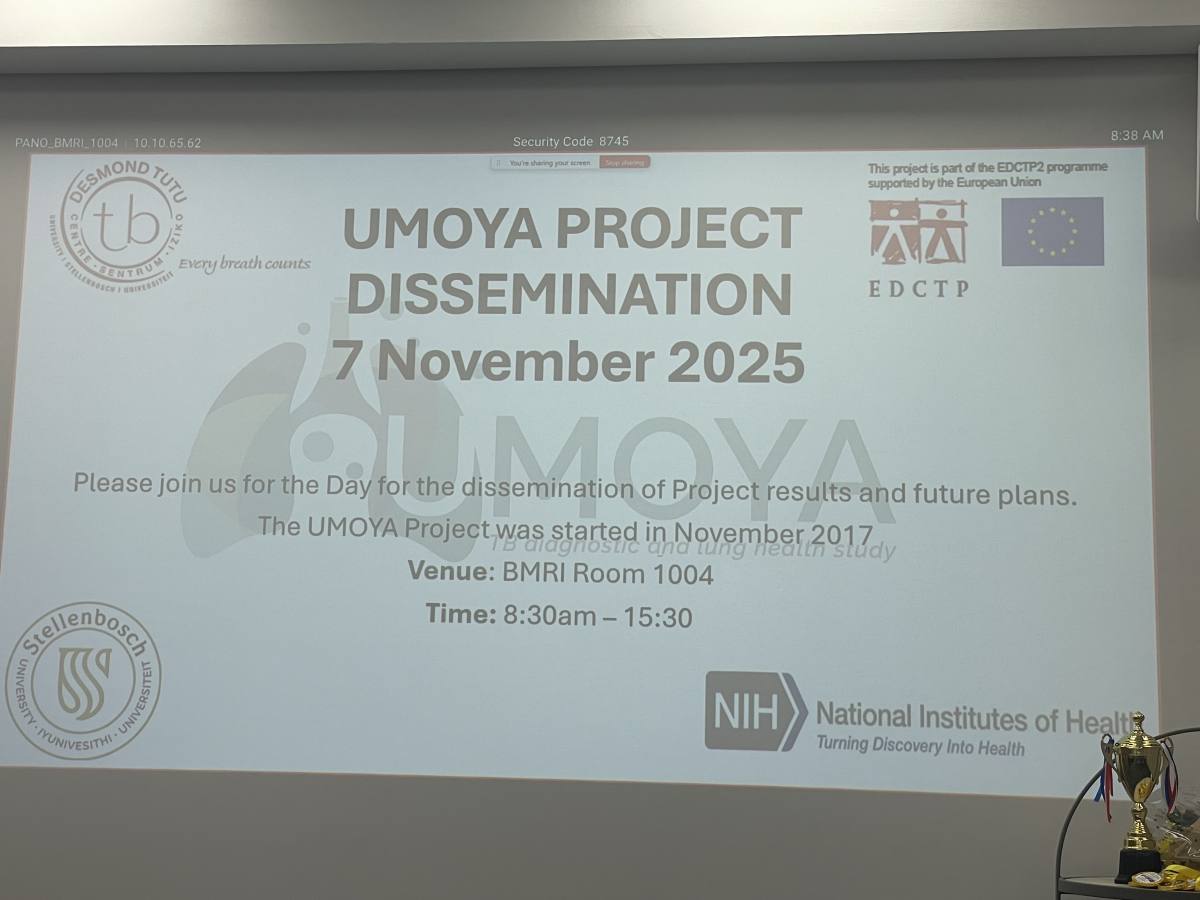
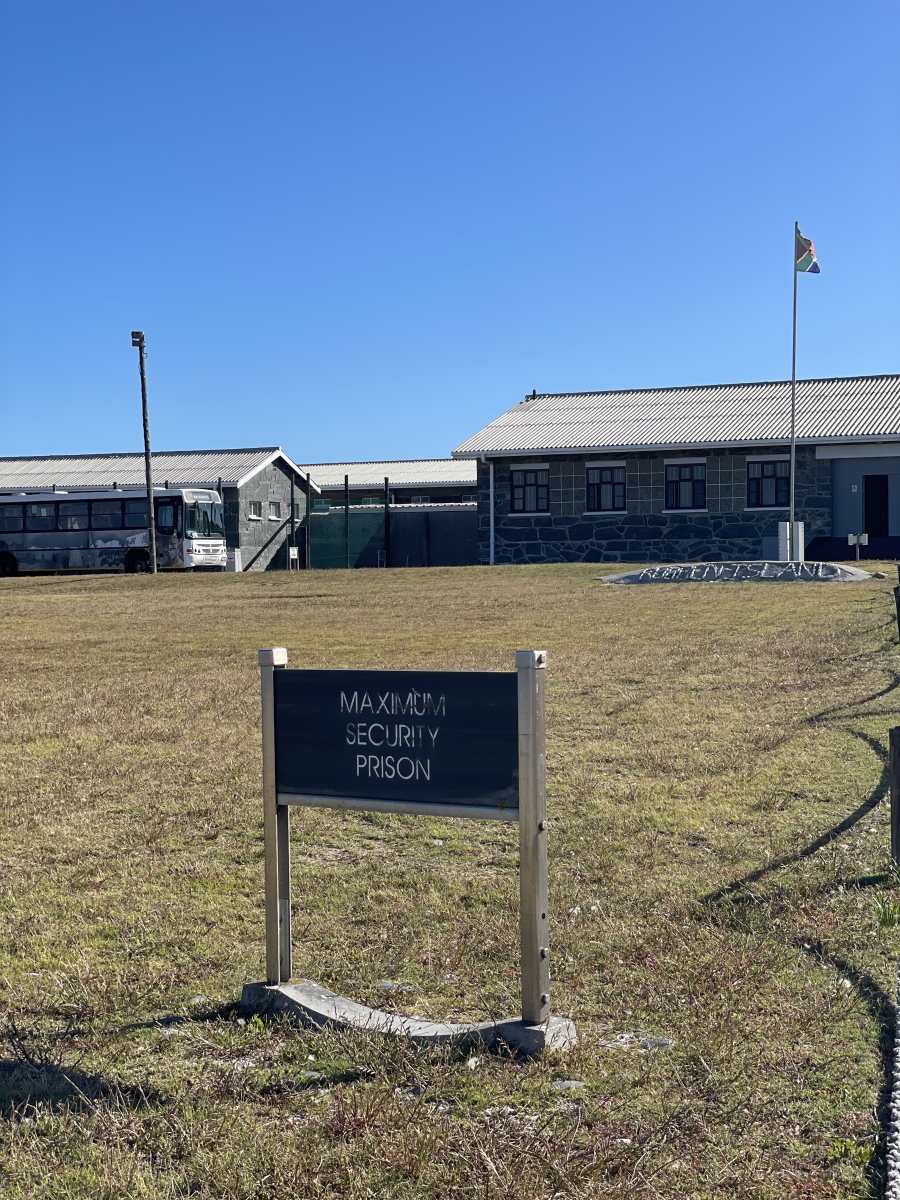
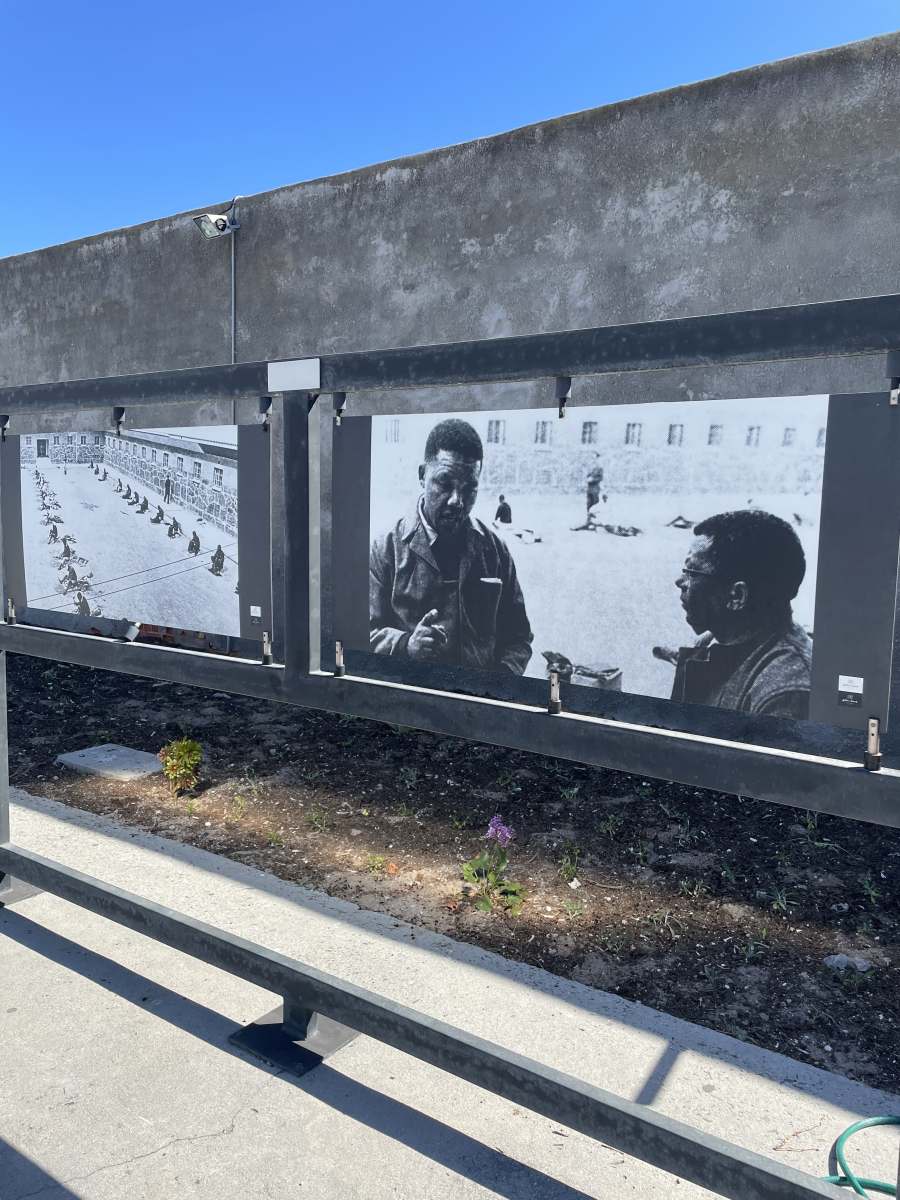
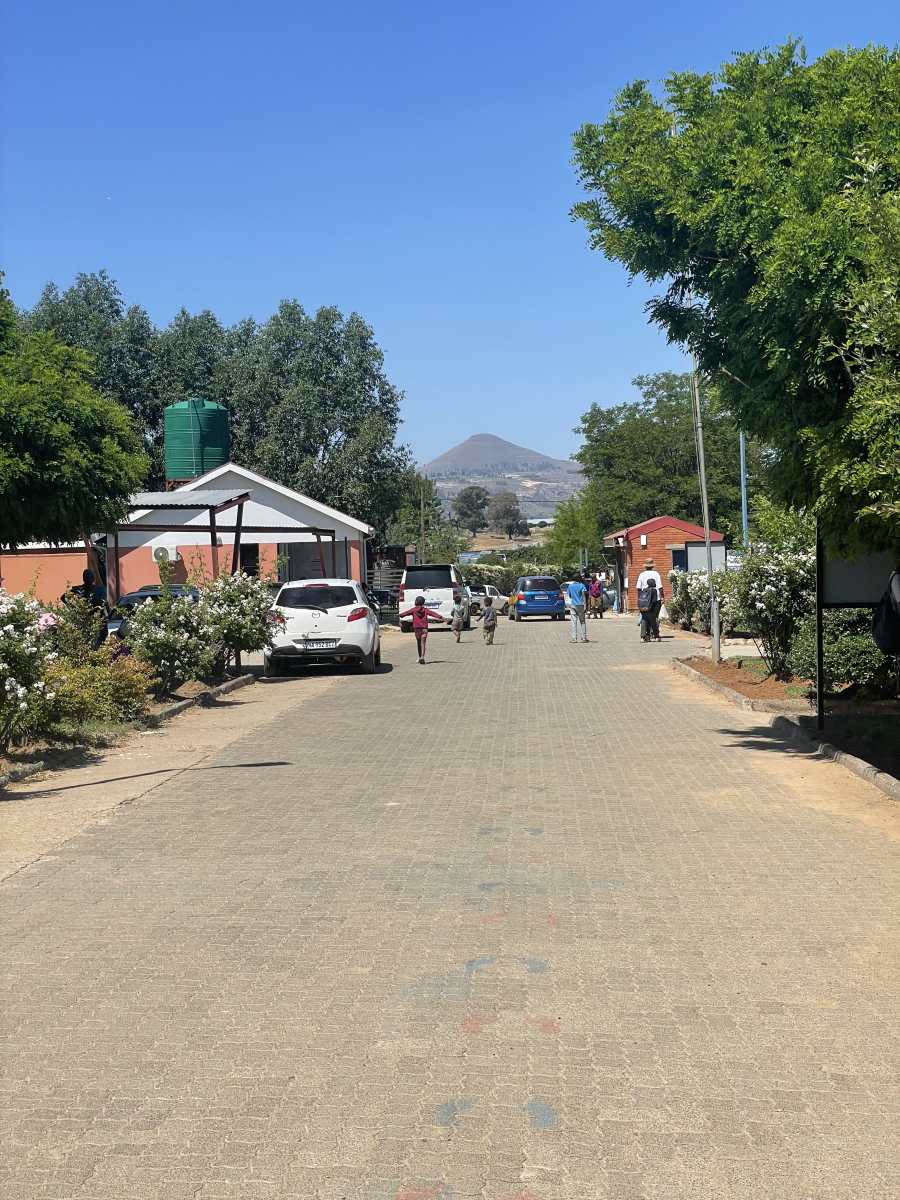
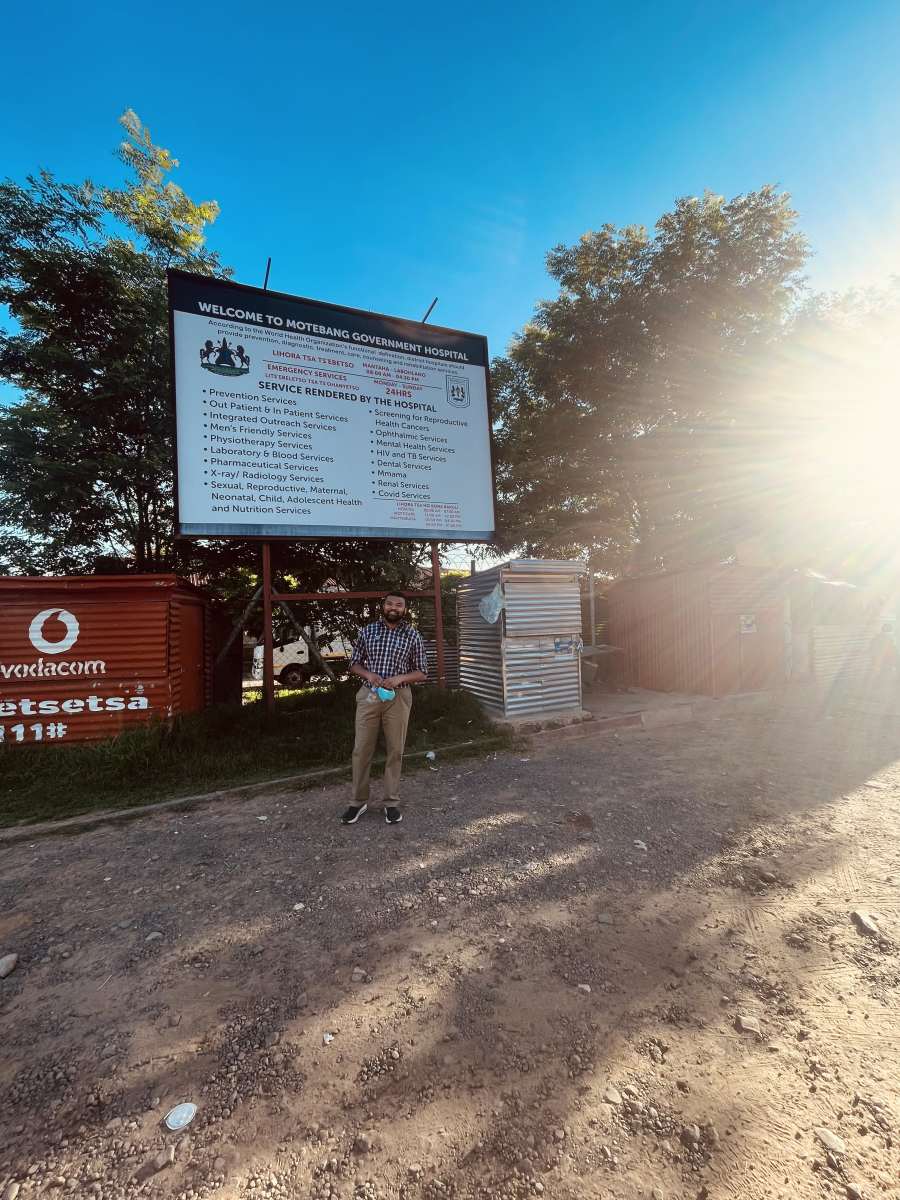
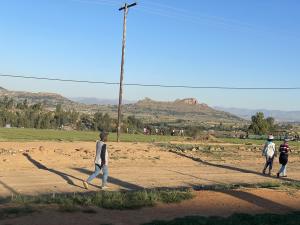
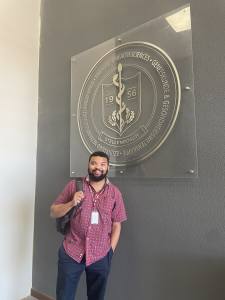
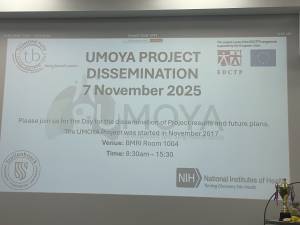
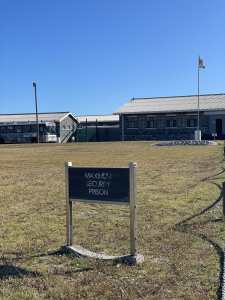
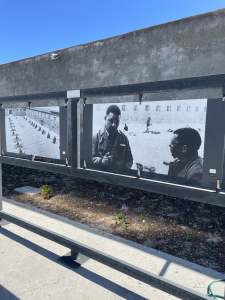
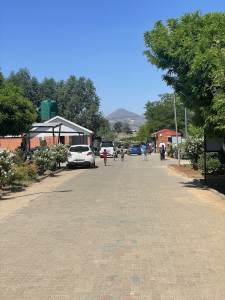
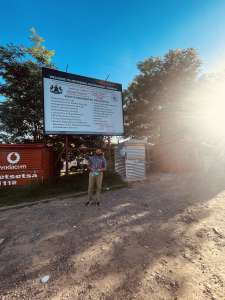
This was truly an incredible opportunity. This was not my first time in Africa, nor was it my first global health trip, but this was by far the most impactful. There was so much learning that took place in Lesotho and in South Africa. Being at the rural Montebang hospital, I was able to further understand what it means to practice in a resource-denied setting, and how critical capacity-building opportunities are. It was also great to hear from some of the local interns, medical officers, registrars, and professors about their experiences navigating medicine (which is already an incredibly demanding field), while also facing some of the hardships that are inherent to Lesotho. It was truly inspiring. Capetown was the next stop on our trip. During those two weeks, we were able to see the stark contrasts of different settings within South Africa, learn more about the history of the country, and see how those historical events/periods continue to shape the lived experiences for so many people there. We spent a great deal of time reflecting on how this manifests within the hospital during our time providing care. Certain diseases, such as TB and HIV, are of course endemic to these regions. Prior to this trip, I was taking these at face value without deeper thought or reflection. However now, because of this exposure, I'm not critically thinking about the downtream effects of these conditions and how they impact populations that I'm particularly interested in - adolescent/young adult medicine and trauma-exposed youth. I was even able to connect with a Child & Adolescent Psychiatrist, which I'm hoping to build upon in the near future. This immersive opportunity fully exceeded my expectations and I'm hopeful that I'll be able to return during my next stage of training - perhaps even beginning to assist with research opportunities. I would not have been able to experience any of this without the support of this grant, so I am truly thankful and will ensure this investment does not go to waste. Hopefully one day I can pay it forward through a financial contribution. Regardless, just wanted to express my sincerest gratitude to the Doximity foundation for making this trip possible!!.