
We plan to teach point-of-care ultrasound (POCUS) to pediatric physicians in the largest children's hospital in the Dominican Republic. In the past 3 years, we have donated point of care ultrasound equipment to our Dominican Republic partners and have provided training and education on POCUS in the acute care setting. At our next POCUS teaching conference, we plan to provide additional quality assurance education and support to continue expanding the POCUS program. We will review POCUS images and provide feedback to improve the quality of their scans. In addition, we will continue to teach POCUS techniques, provide hands-on practice on models and provide additional didactic teaching during the conference.
Children in Dominican Republic who are treated at the nation's largest public pediatric hospital and the physicians who care for them will benefit directly from this project. The focus of education and training is on the physicians caring for children in high-acuity settings such as the emergency department, pediatric intensive care unit and the operating room, where children are critically ill and require immediate decision making is required for life threatening conditions and rapid diagnosis is critical. Without POCUS, physicians may be required to make critical decisions without diagnostic information that could be readily available with POCUS.
We use a train-the-trainer model to teach POCUS to trainees who will use the education both in their current training and also, take that education with them to serve their future patients as attending physicians.
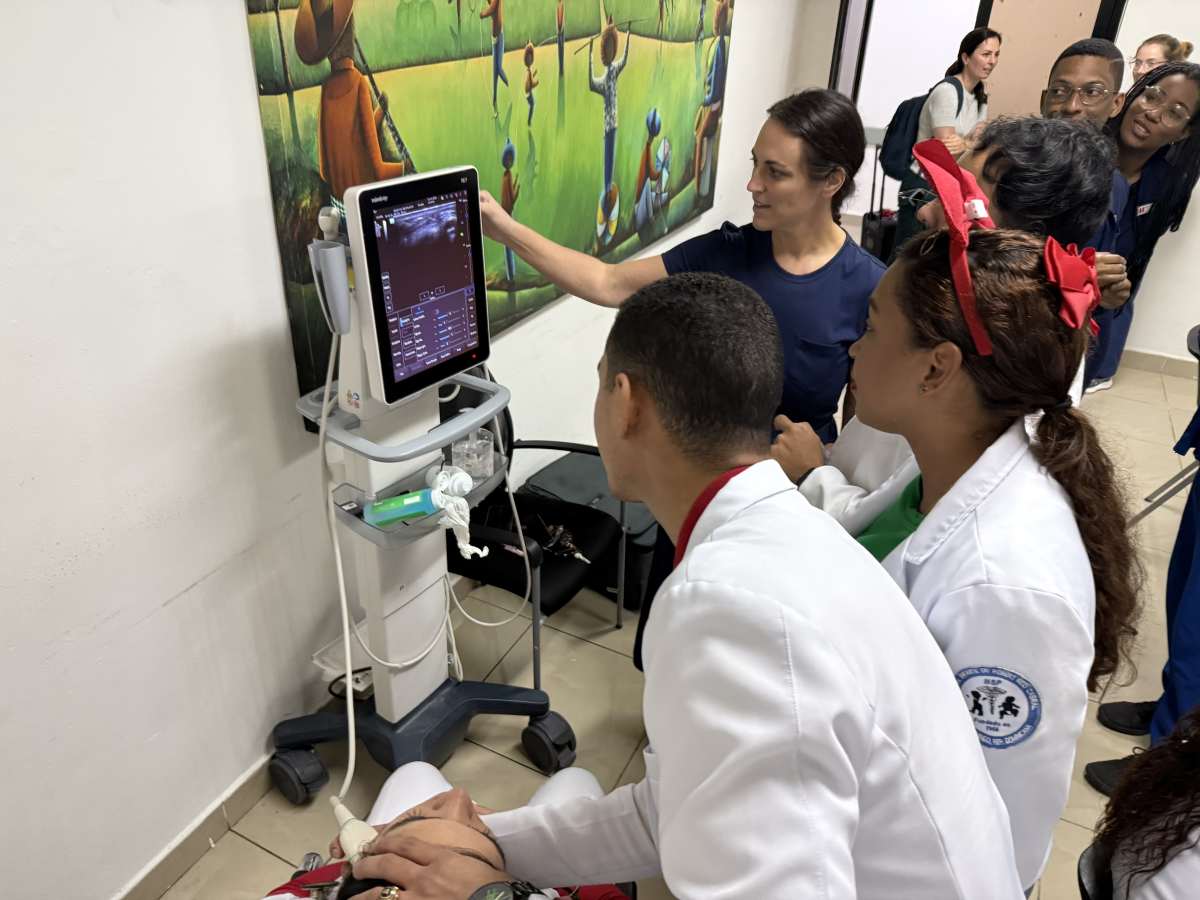
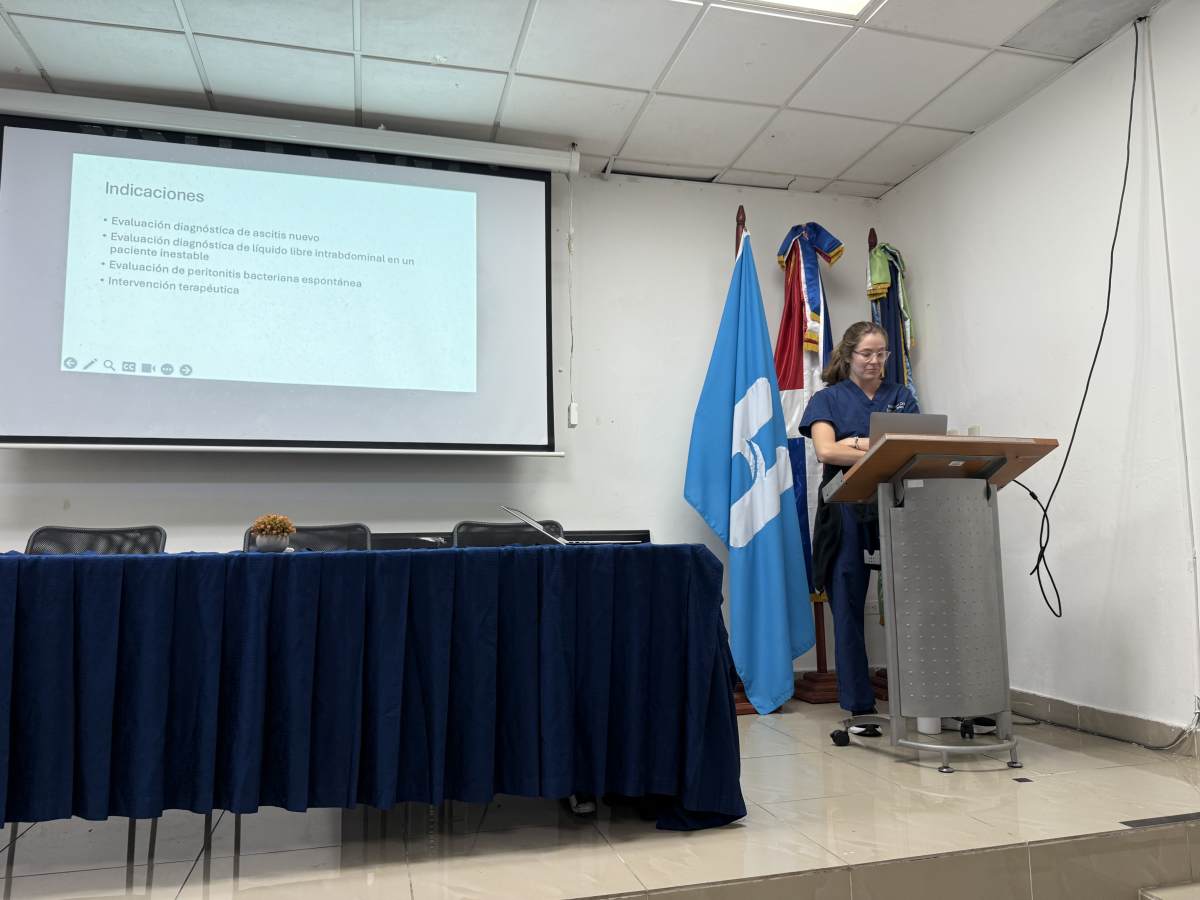
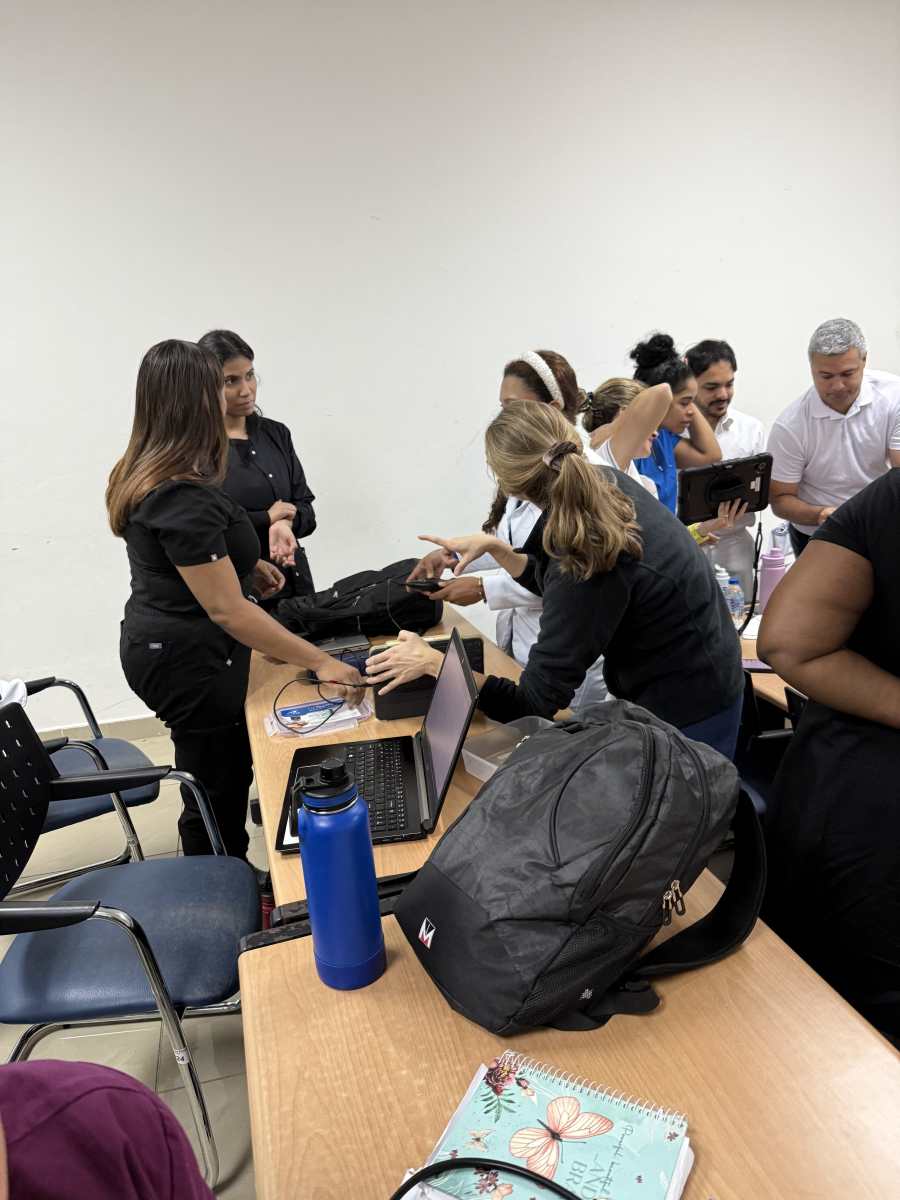
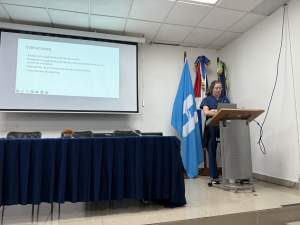
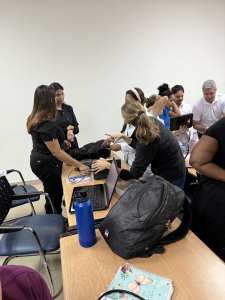
This educational initiative focused on providing pediatric ultrasound training to physicians in Santo Domingo, Dominican Republic, with the goal of strengthening local diagnostic and procedural capabilities through point-of-care ultrasound (POCUS). The primary individuals impacted by this program included pediatric fellows, residents, and attending physicians, as well as the pediatric patients they serve in the emergency department and intensive care unit.
Our team developed and delivered interactive educational sessions to fellows, residents, and attending physicians. The curriculum emphasized pediatric ultrasound applications, including cardiac, lung, soft tissue, and ultrasound-guided central line placement. Each lecture was followed by hands-on training, allowing participants to immediately apply new skills in a supervised environment.
In addition to classroom instruction, daily bedside teaching was conducted in the emergency department and intensive care unit. During these sessions, local physicians performed ultrasound examinations on pediatric patients with direct guidance and support. This collaborative approach enhanced diagnostic accuracy, supported real-time clinical decision-making, and improved procedural safety.
Through this program, participating physicians acquired sustainable ultrasound skills that will continue to benefit pediatric patient care beyond the duration of the initiative. Overall, the program positively impacted both healthcare providers by expanding their clinical skill sets and pediatric patients by improving the quality and efficiency of care delivered in acute clinical settings.