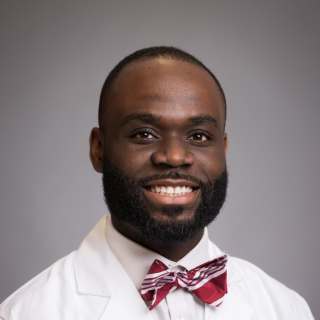
During my time in Eldoret, Kenya, I will serve as a resident physician at Moi Teaching and Referral Hospital, where I will contribute to patient care, engage in clinical learning, and support the local healthcare team in delivering essential services. My primary role will be to care for patients—listening, examining, diagnosing, and offering clinical insight when appropriate, while remaining mindful of the cultural, logistical, and resource constraints that shape care delivery in this setting.
In addition to my clinical responsibilities, I bring a strong interest in healthcare systems and a background in business, holding an MBA alongside my medical training. I believe that even small process improvements can lead to significant gains in efficiency, quality of care, and patient experience. If the opportunity arises, I hope to collaborate with hospital leadership to evaluate operational workflows—such as patient throughput, clinic scheduling, or supply chain processes—and offer analysis and recommendations using process flow mapping or other quality improvement tools.
By bridging clinical service and administrative insight, my goal is to not only serve individual patients, but also contribute to strengthening the systems that serve them. I believe this experience will be deeply formative for me and, I hope, leave a lasting, positive impact in Eldoret.
The patients and clinical teams at Moi Teaching and Referral Hospital will be the primary beneficiaries of my service. As a resident physician, I will help care for a diverse patient population, many of whom face complex medical conditions in the setting of limited resources. By offering clinical support, attentive listening, and medical knowledge, I hope to contribute meaningfully to their care.
This population holds personal significance for me. I was born in Nigeria and spent the first six years of my life there. Most of my family members still live in Nigeria, and I’ve long hoped to build a career that centers vulnerable populations like the ones I come from. Kenya, in many ways, reminds me of Nigeria—its health system, its resilience, and its resource constraints—and I feel a deep connection to serving patients in this setting. This experience is more than a rotation for me; it’s a step toward a lifelong commitment to improving care for communities that feel like home.
In addition to patient care, I also hope to support the hospital’s broader mission by collaborating with local teams on quality improvement and systems-level work. With an MBA and a strong interest in healthcare administration, I am eager to explore opportunities to enhance throughput or workflow processes if invited to do so.
Ultimately, I hope to serve patients, partner with local providers, and contribute to a shared mission of health equity—not just as a visiting trainee, but as someone who shares a cultural and emotional stake in the work.
The anticipated impact of my service is both immediate and long-term. In the short term, I hope to directly support patient care at Moi Teaching and Referral Hospital by contributing as a resident physician—taking histories, performing exams, and collaborating with local providers to deliver high-quality, compassionate care. I also aim to support medical teams through shared learning, exchanging clinical insights and best practices while remaining responsive to local norms and constraints.
Beyond individual patient encounters, I hope to contribute to systems-level improvement. I am prepared to assist—if welcomed—in evaluating clinical operations, patient flow, or workflow processes. Even small improvements in these areas can lead to more efficient care delivery and better outcomes for patients.
On a personal level, this experience will shape my career as a physician-leader. As someone born in Nigeria with a deep interest in serving vulnerable populations like my own family, I see this trip as part of a broader commitment to global health equity. The insights I gain from working in Eldoret will help me become a more effective advocate for underserved communities, whether in Africa or in similar settings around the world.
Finally, I hope to build enduring relationships with Kenyan colleagues, local trainees, and patients. The true impact of global health work comes from mutual learning and sustained collaboration, and I am committed to ensuring that this experience informs not just what I do abroad, but how I serve at home.


From January through February 2026, I spent eight weeks in Eldoret, Kenya as part of a global health elective rotation through Duke. This experience profoundly reshaped how I understand both the practice of medicine and the systems that sustain it.
I arrived with a curiosity about how healthcare operates in resource-limited settings, but I left with a recalibrated clinical instinct. Working at Moi Teaching and Referral Hospital (MTRH), I witnessed a model of care in which clinical reasoning was sharpened out of necessity. Without ready access to advanced imaging or diagnostics, the physical exam became not just important, but definitive. I found my own diagnostic approach evolving in real time, becoming more deliberate, more attentive, and more grounded in patient interaction. Conditions I had often relied on imaging to confirm—cardiac tamponade, pleural effusions, pneumothoraces, valvular disease—were identified clinically with a level of precision that challenged me to refine my own skills.
Equally impactful was the example set by the residents I worked alongside. Their ability to deliver high-quality care with limited resources and minimal supervision left a lasting impression on me. I was struck not only by their clinical acumen, but by their resilience and sense of responsibility. Observing their work prompted me to reflect more critically on my own practice—particularly on how I respond to constraint, uncertainty, and autonomy.
The experience also deepened my understanding of healthcare delivery as an exercise in prioritization and ethics. Resource allocation was not an abstract concept, but a daily reality. Decisions surrounding blood transfusions and surgical selection during open-heart surgery camp revealed the weight of scarcity in a way I had not previously encountered. Witnessing both the joy of patients selected for life-saving procedures and the quiet disappointment of those who would need to wait underscored the human consequences of system limitations. These moments challenged me to think more deeply about equity, access, and the responsibilities of clinicians operating within constrained systems.
My visit to Webuye further broadened my perspective on what constitutes healthcare. Learning about the Group Integrated Savings for Health Empowerment microfinance program illustrated how health is inextricably linked to financial stability, education, and community infrastructure. This expanded my understanding of patient care beyond the walls of the hospital and reinforced the importance of designing interventions that address social and structural determinants of health.
As someone interested in cardiovascular care and healthcare innovation, this experience has had a lasting impact on how I envision my future work. It has strengthened my commitment to developing solutions that are not only effective, but adaptable and context-sensitive. More importantly, it has grounded my approach to medicine in a deeper appreciation for resourcefulness, equity, and human-centered design.
This trip did more than broaden my perspective—it reshaped the lens through which I practice medicine.