
Demand for minimally invasive treatments continues to rise around the world. Interventional radiology (IR) in particular is indicated for a broad range of conditions and has numerous advantages over more traditional surgical options, often significantly decreasing associated morbidity and mortality. Examples include image guided abscess drainage, nephrostomy and biliary tube placement, uterine fibroid embolization, and embolization in the setting of trauma, GI bleed, or postpartum hemorrhage. However, many low income countries have limited or complete lack of IR services. According to the WHO over 4 billion people globally lack access to diagnostic imaging, with likely more than 5 billion lacking access to IR. As of 2017, there was not a single interventional radiologist in Tanzania, leaving a population equivalent to that of California and New York combined without access to a broad range of life-saving treatments. Over the past four years, the “Tanzania Interventional Radiology Initiative” has initiated East Africa’s first IR training program, training the first generation of interventional radiologists in the country. Africa’s first Master of Science in IR curriculum at Muhimbili University in Dar es Salaam was officially announced in October 2019 ( https://medicine.yale.edu/news-article/yales-tanzania-interventional-radiology-initiative-approved-for-msc-program/ ). An overview of the program was published in the Journal of Vascular and Interventional Radiology in 2019 ( https://www.jvir.org/article/S1051-0443(19)30687-6/pdf ) with a 5-year update published in 2024 (https://doi.org/10.1016/j.jvir.2024.03.015). In 2025 the government of Tanzania is interested in Road2IR expanding to teach neurointerventional procedure, including treatment for acute ischemic strokes caused by large vessel occlusions. My upcoming return visit to Tanzania in January will focus on teaching stroke procedures.
While this program most immediately serves the 60 million people living in Tanzania, training IR physicians locally will have regional impact. One of the first IR fellows who recently graduated from the program in Tanzania is from Rwanda, and returned there as the first IR physician in the country. He began the process of expanding these efforts there. Other graduates have started training programs in Nigeria and Uganda.
I believe that expanding the many obvious benefits IR already provides to patients in high income nations can be quickly expanded to billions of people around the world in low income nations by training young physicians locally. IR provides a broad range of life-saving procedures and can have an immediate impact, as has been demonstrated in Tanzania over the past several years. I want to support and expand these efforts and contribute to building IR services, and starting neurointerventional services in Africa, potentially reaching over one billion people who currently have no access to these important treatments. I traveled on a mission to Tanzania in October 2023 and 2024 and introduced spine interventions to treat pain caused by spine fractures and percutaneous image guided bone biopsies. In my return visit I would like to expand training in those techniques and also provide education on neurointerventional stroke procedures.


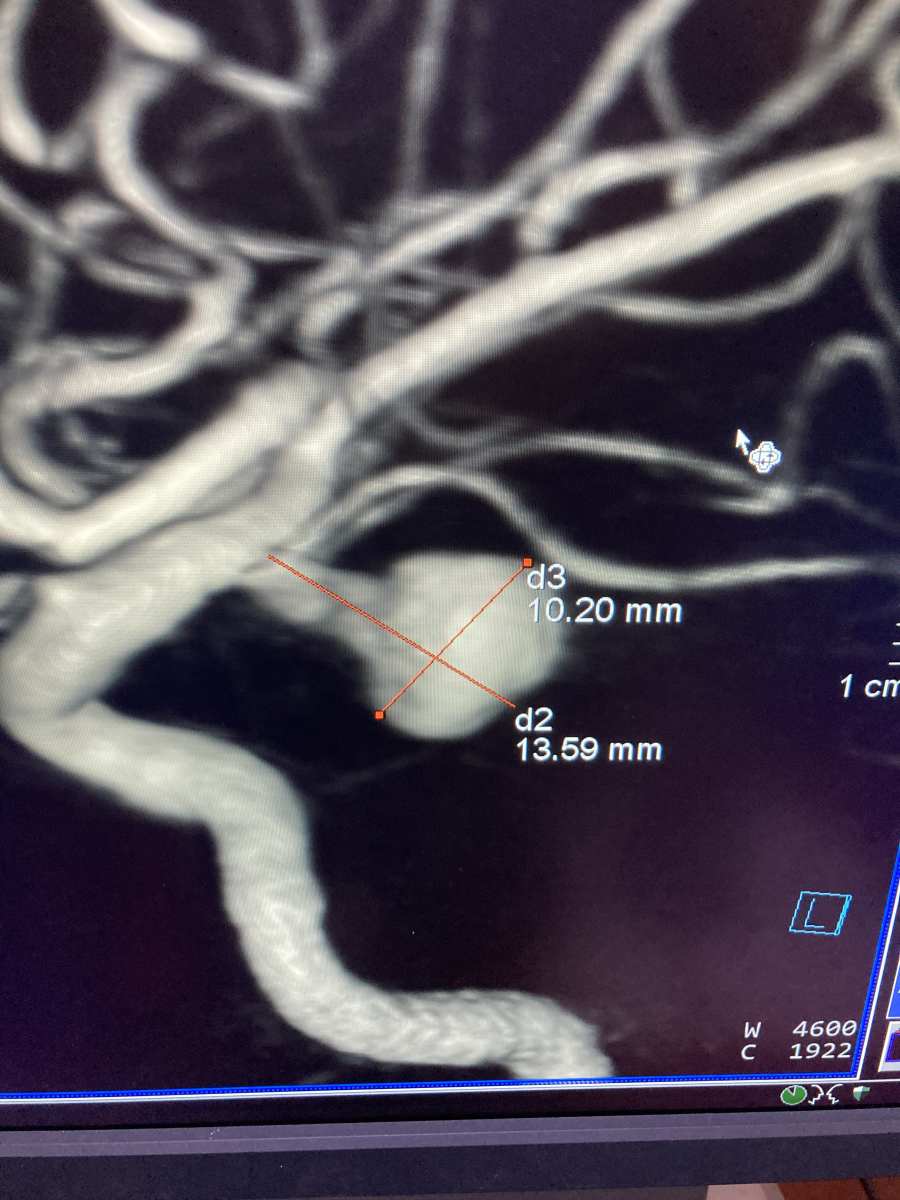
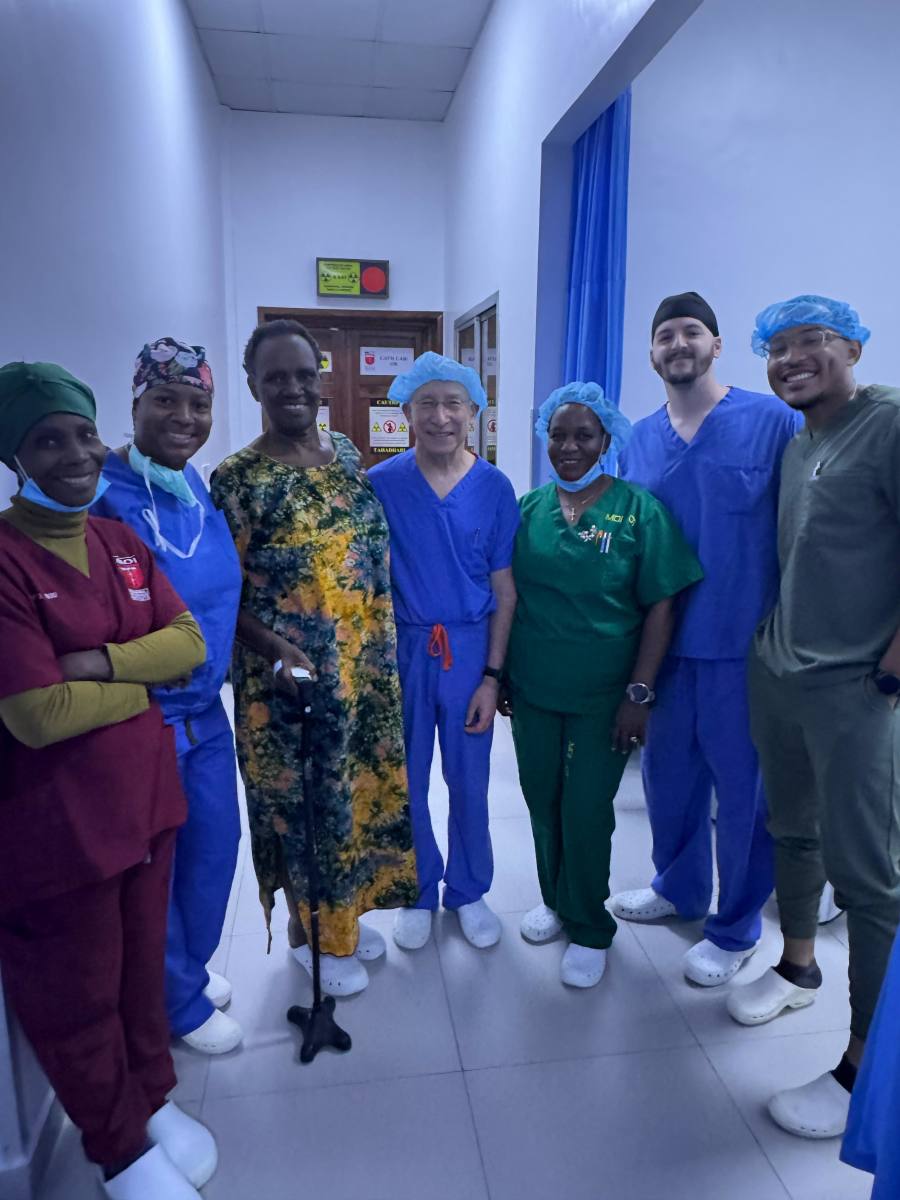

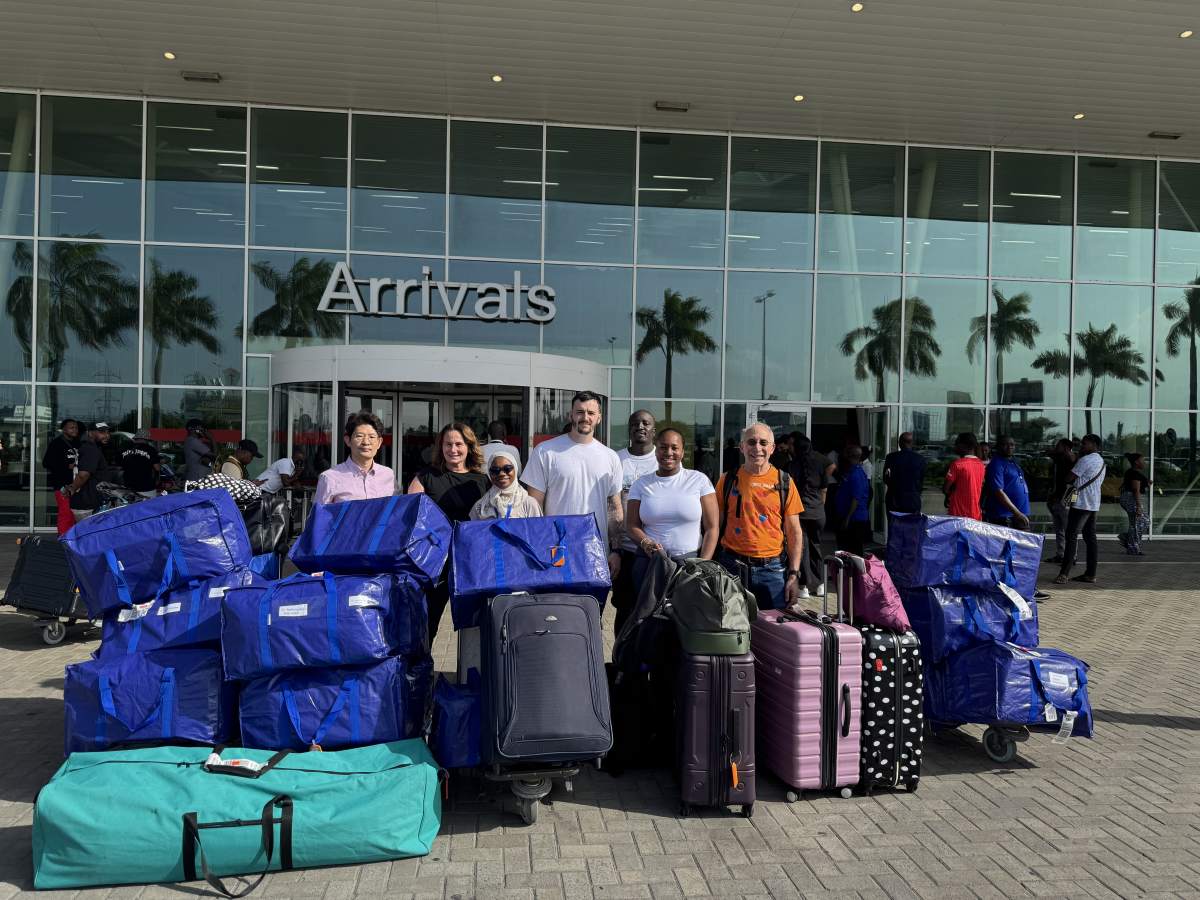


We performed multiple cerebral arteriograms, diagnosing cerebral aneurysms and arteriovenous malformations for later treatment. We also performed multiple vertebral biopsies and vertebro/kyphoplasties for patients with painful compression fractures. There were no stroke interventions, but we brought supplies sufficient to treat up to 30 patients. One patient was treated by a subsequent visiting team using the supplies we brought. The fellows and staff were eager to learn and appreciative of the teaching and mentoring. The patients were incredibly grateful for the care received by our visiting team working with the Tanzania staff.