This trip works to provide essential medical care in underserved areas of the Dominican Republic, through the collaboration between physicians based in the United States and local humanitarian aid organizations based in the Dominican Republic. The trip provides clinics in diverse locations such as rural bateys, urban barrios, and prisons in and around the La Romana area. This trip will make a meaningful difference by providing access to essential healthcare in within these underserved communities. By providing essential health care, and partnering with local organizations our trip works to improve health outcomes for these vulnerable populations.
The medical trip focuses on providing care to Haitian population living in and around the La Romana area in the Dominican Republic. This community has historically faced systemic exclusion and remains among the poorest in the Western Hemisphere. Despite Haiti’s abolition of physical slavery in 1804, many Haitians have migrated to the Dominican Republic for work, often in sugarcane fields living in bateys, where conditions amount to economic slavery. Out of the 11 million people in the Dominican Republic, approximately one million are Haitian, and most without citizenship and with severely limited access to education, healthcare, and social services. Living in deprived conditions on rural bateys, in urban barrios, and within prisons, this population experiences a disproportionate burden of disease linked to poor sanitation, contaminated water, and lack of preventive care. This trip began in the late 1990s with the goal of providing medical care where systemic inequities persist. The trip has remained committed to this Haitian population because of the population’s vulnerability, lack of access to basic resources, and need for healthcare interventions.
Participating in this medical mission will have an impact both on the Haitian community in La Romana and on my personal development as an Emergency Medicine physician. By providing medical care to Haitians and Dominicans living in bateys, barrios, and prisons, the trip will address health disparities, provide access to medical services, and promote long-term wellness. Growing up in an underserved community in New York City and being the child of Nigerian parents, I have a personal understanding of the challenges faced by marginalized populations, from limited healthcare access to cultural and socioeconomic barriers. My own experiences fuels my commitment to service to this population and gives me a unique perspective on the importance of equity and cultural humility in the practice of medicine. As a resident physician, the trip will enhance my ability to manage acute illnesses in resource limited settings and improve my adaptability in such environments. This experience will deepen my cultural competency through collaboration with diverse patient populations and interpreters. It will also strengthen my teamwork, leadership, and communication skills. I have a dedication to caring for vulnerable communities, both within the United States and abroad. I would love to be able to participate in this opportunity because it gives me the chance to extend help to those who often go without access to basic medical care, and to use my skills in a way that directly improves lives and communities.

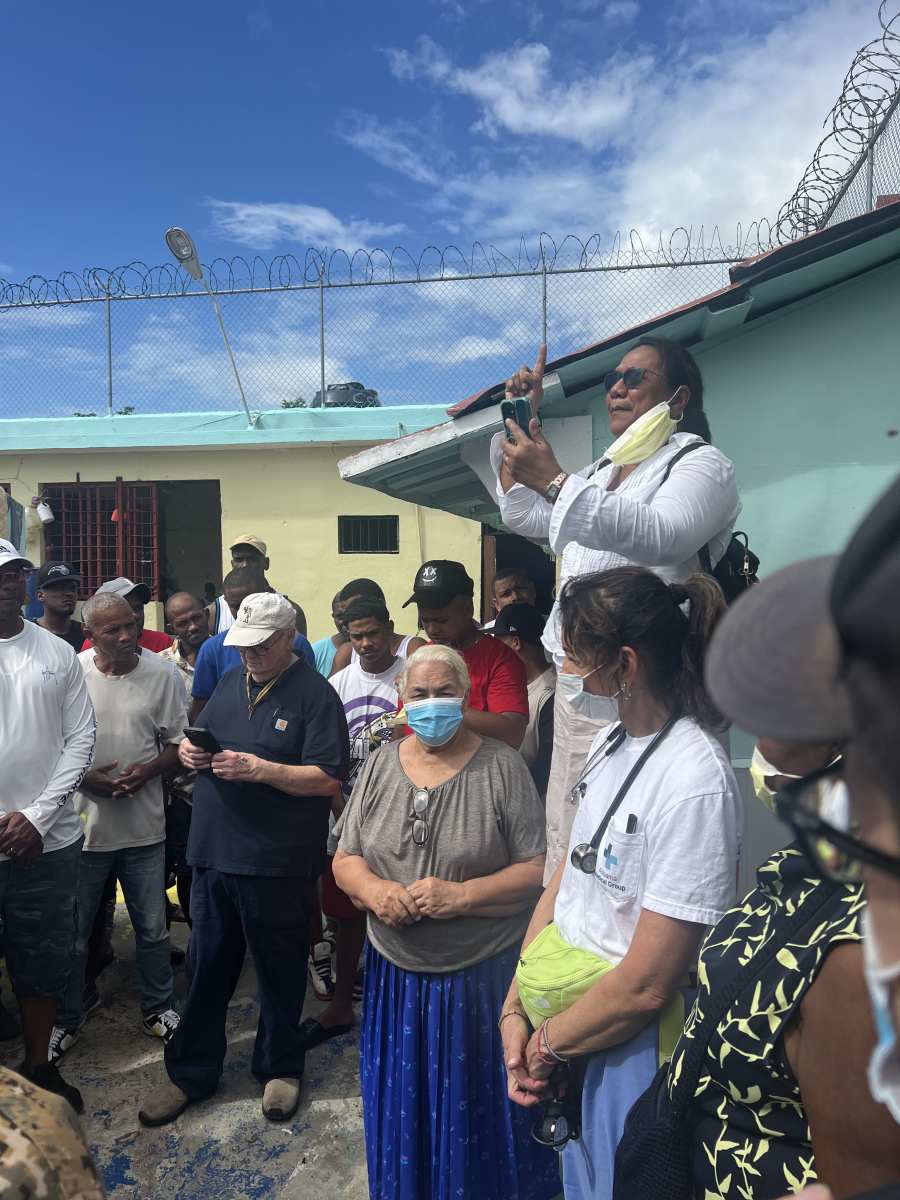

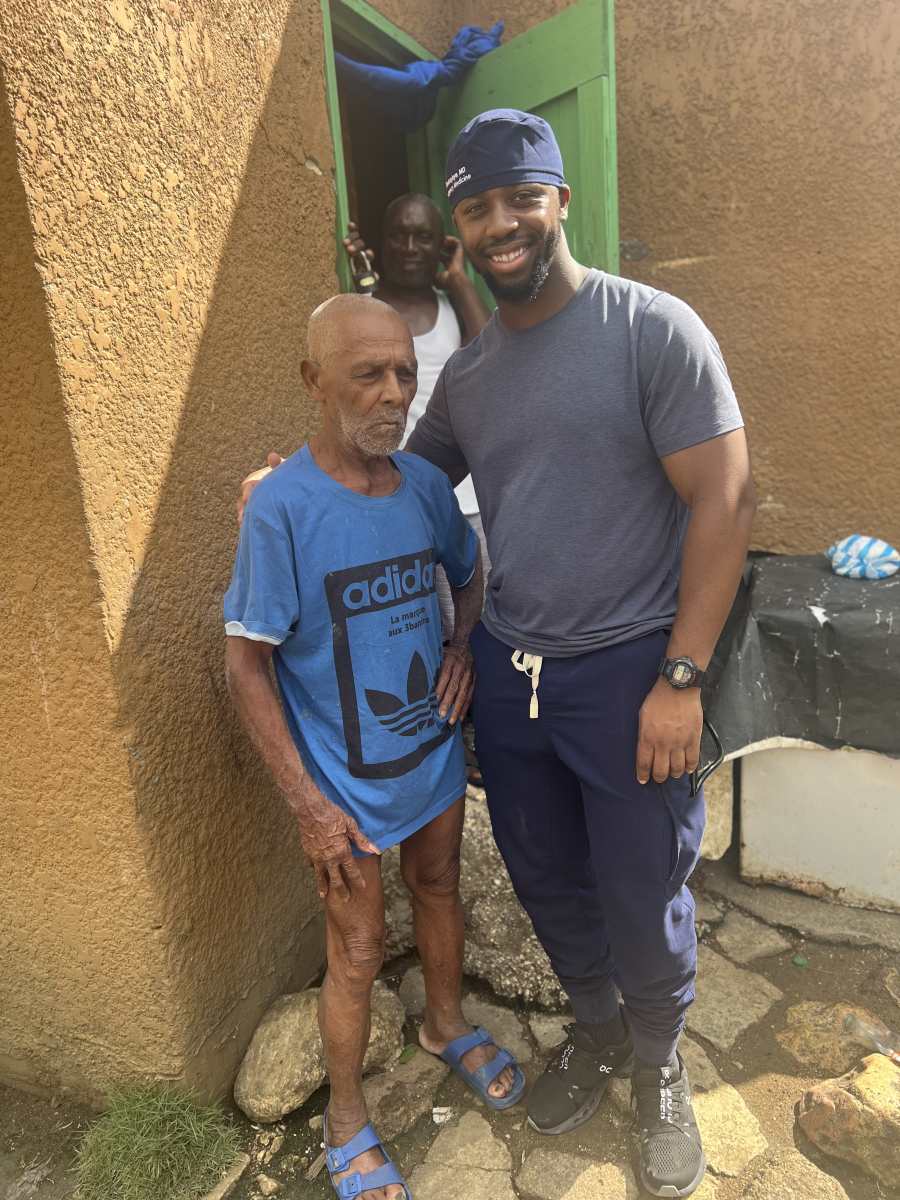

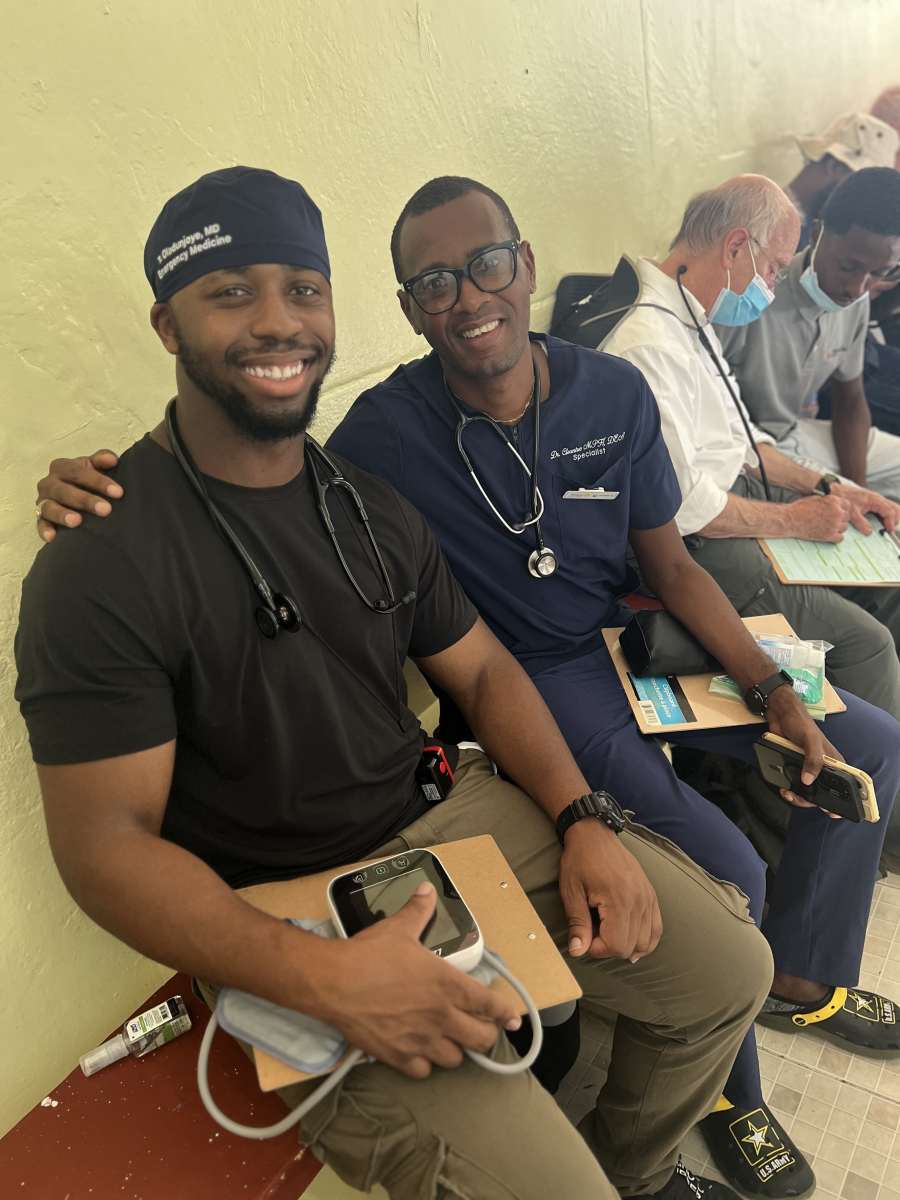
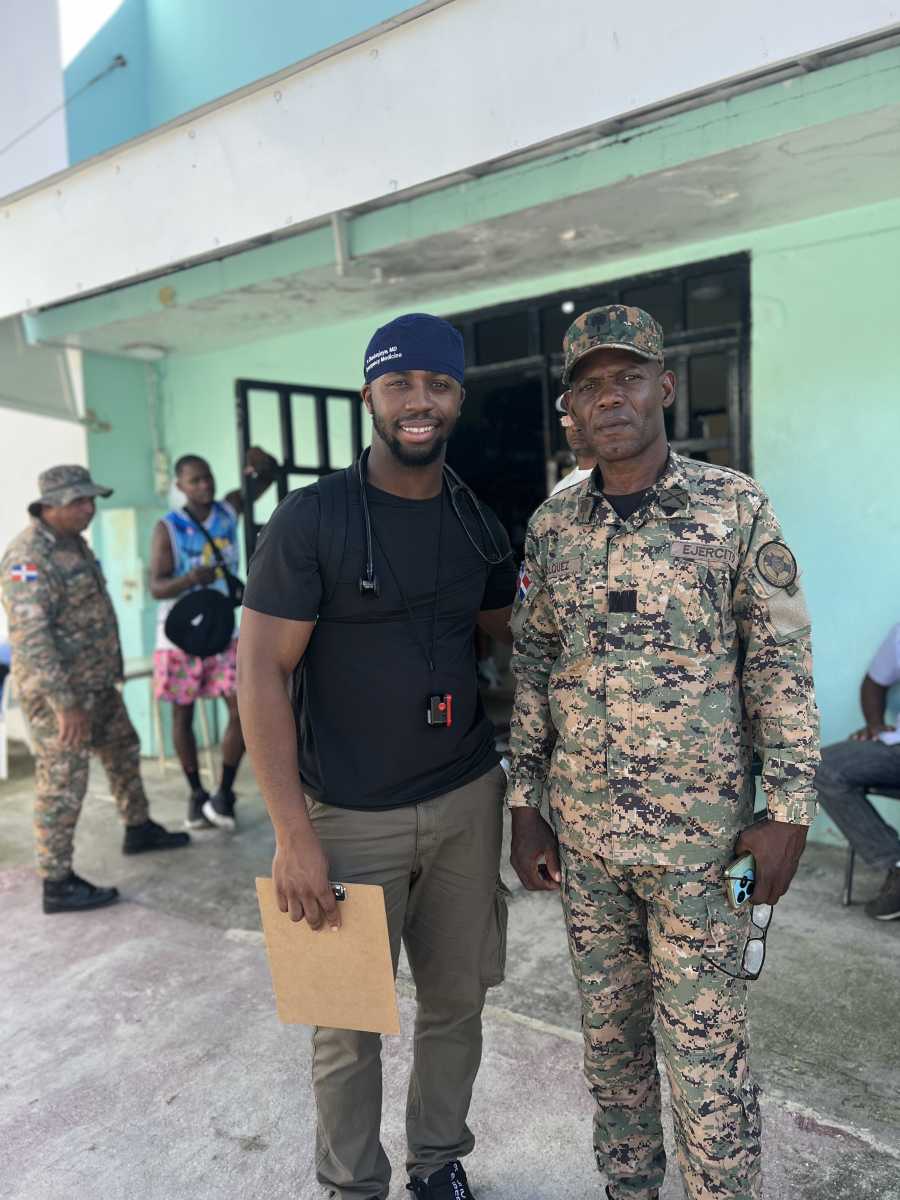



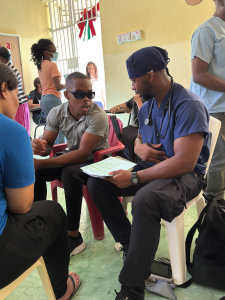
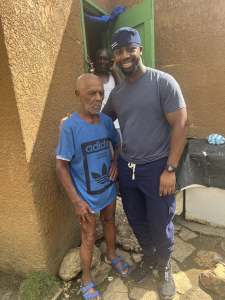

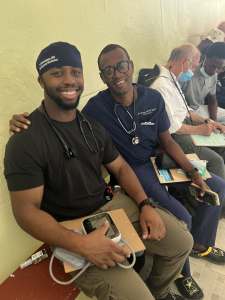
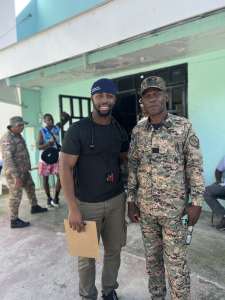


The medical mission trip to the Dominican Republic was truly a wonderful experience. It was an honor to travel to a different country and serve as a physician for communities with limited access to healthcare.
The purpose of this trip was to provide medical care to Haitian populations living in and around the La Romana region of the Dominican Republic. This community has historically faced systemic exclusion and remains among the poorest in the Western Hemisphere. Serving both Haitians and Dominicans living in bateys, barrios, and prisons was deeply impactful, both for the community and for my own growth as an emergency medicine physician. This mission addressed significant health disparities by delivering access to essential medical services and promoting long-term wellness.
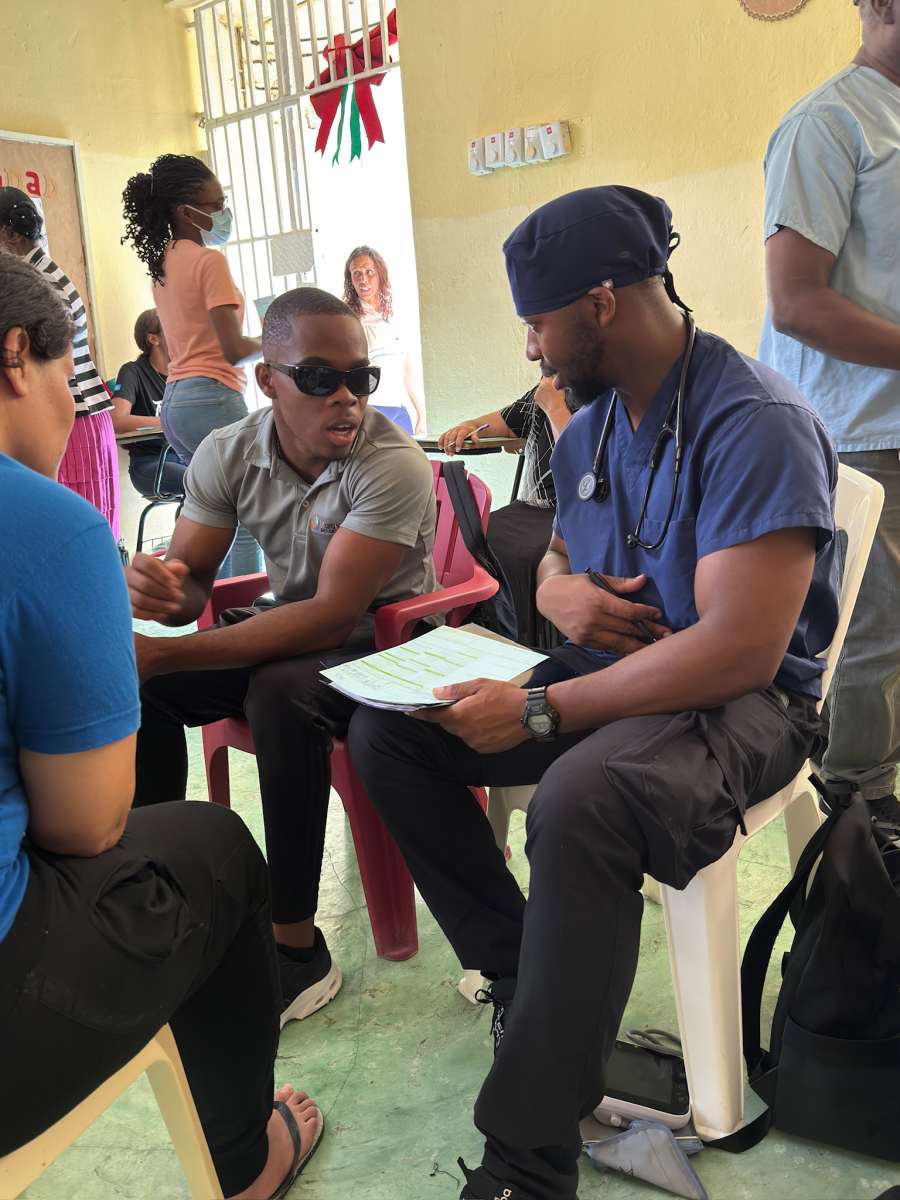
We were able to deliver a wide range of essential medications for diabetes and hypertension, pain relievers, flu and allergy treatments, antibiotics, topical creams, hygiene products, and many other supplies to the local population. I had the opportunity to perform physical exams, collect medical histories, check vital signs, monitor blood pressure and blood sugar levels, and provide compassionate, patient-centered care throughout the community. Our multidisciplinary team also provided dental services, such as extractions and cleanings, for both local residents and individuals in the prison system. Beyond the clinical work, I was honored to celebrate and worship alongside the local church community and partner with several ongoing mission groups, strengthening both cultural and spiritual connections throughout the experience.
From the countless hours of nightly preparation pre-packaging supplies, organizing shipments, and coordinating logistics to collaborating with an incredible team of physicians, pharmacists, nurses, dentists, interpreters, evangelists, and local partners, every moment was impactful. The teamwork, compassion, and shared purpose made this mission an unforgettable and deeply meaningful experience.