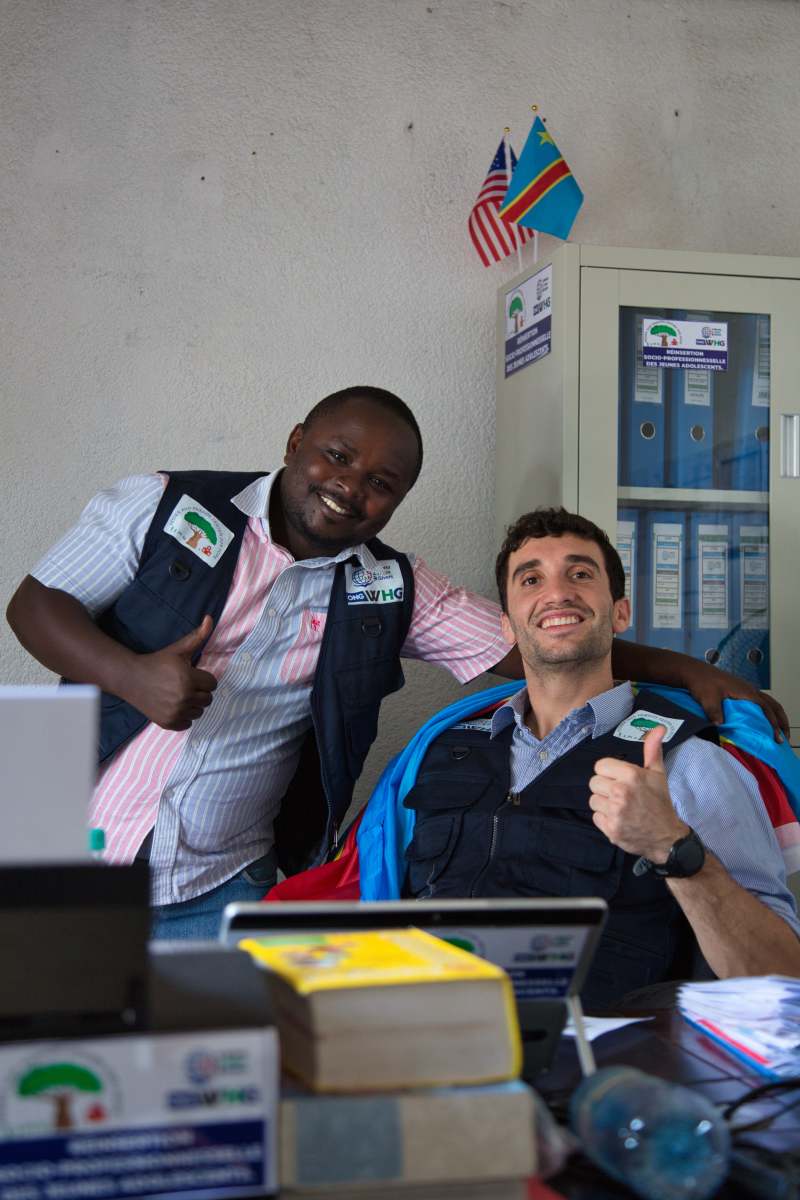
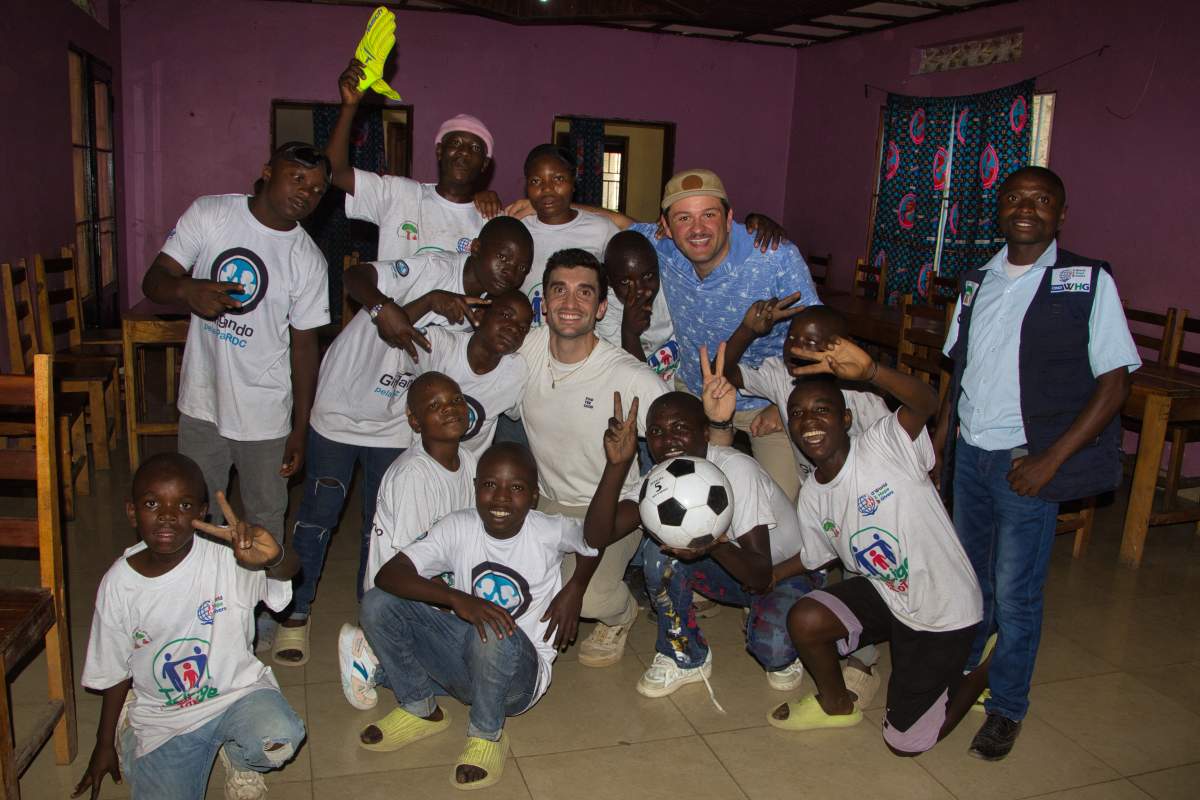
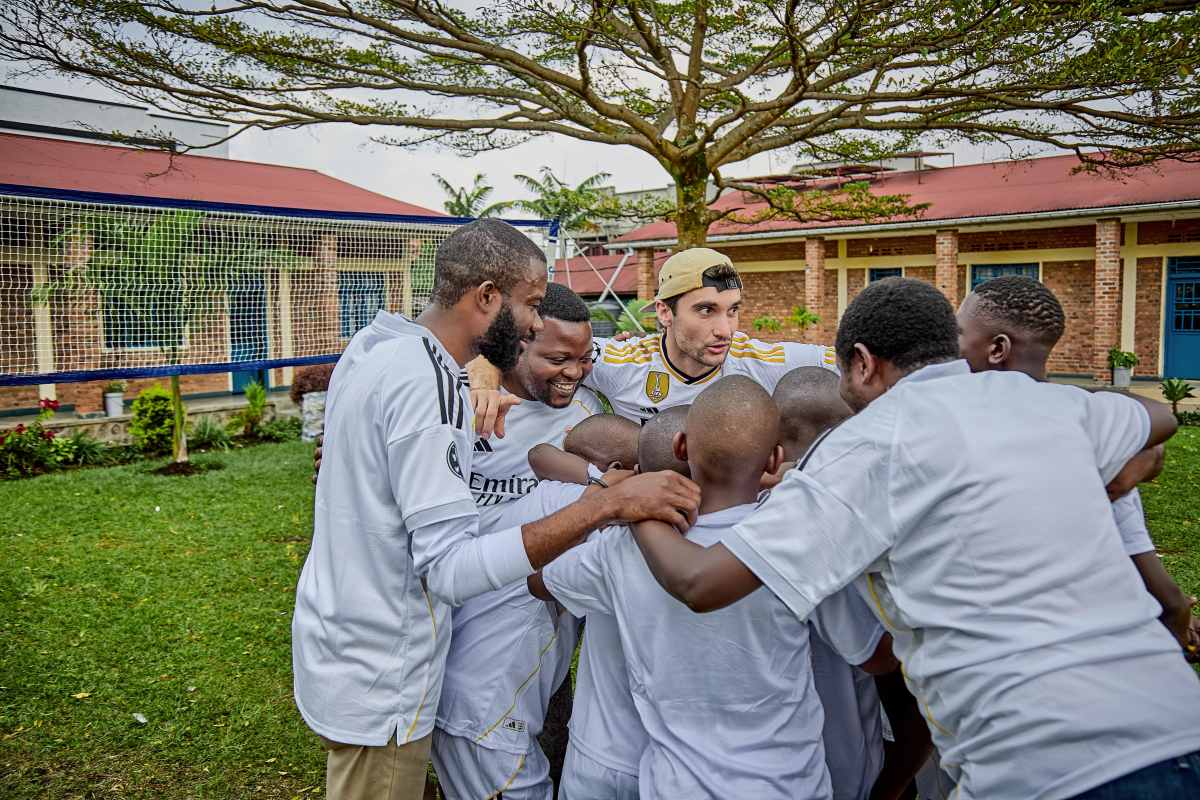
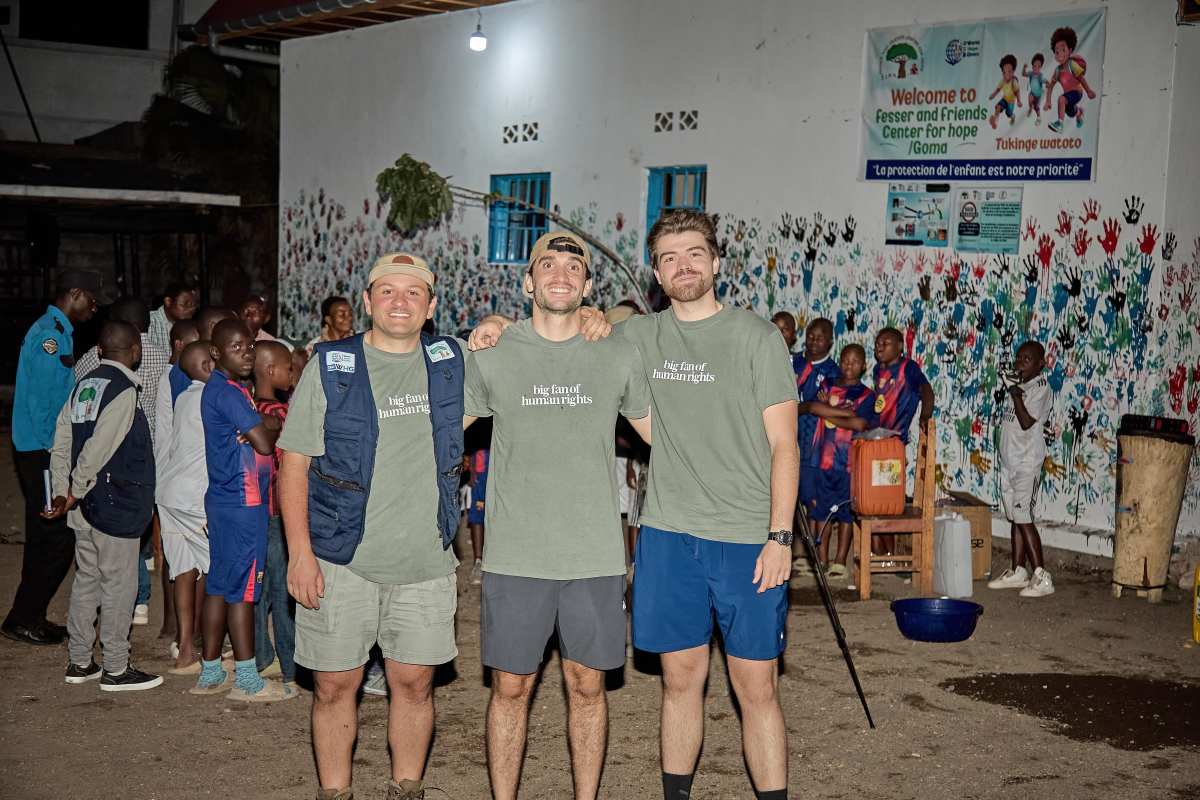
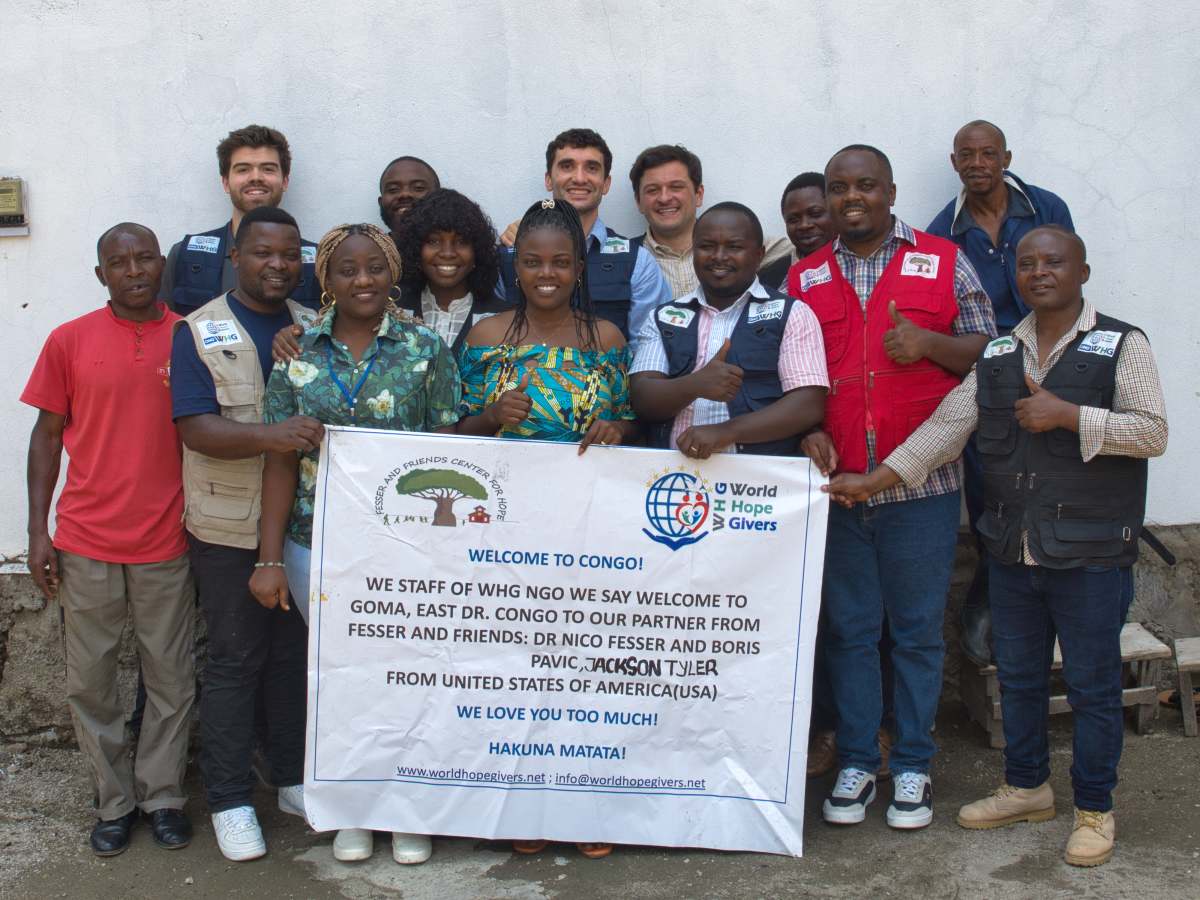
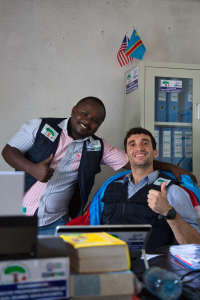
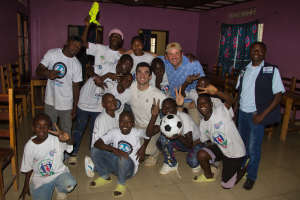
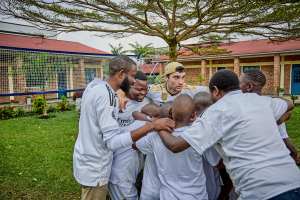
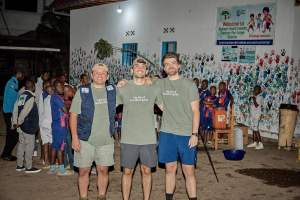
I will begin my trip in Goma, DRC, where I lead Fesser and Friends (www.fesserandfriends.org), a non-profit organization I started in 2020. We recently opened a new demobilization center for ex-child soldiers and my work will involve program evaluation, medical follow-up, and supporting psychosocial reintegration in a region deeply affected by ongoing conflict.
I will then participate in a combined clinical and teaching rotation in Lesotho through Partners In Health (PIH). My work will focus on teaching bedside and didactic point-of-care ultrasound (POCUS), with emphasis on the evaluation and management of TB-
related effusions (pleural, pericardial, and abdominal), where ultrasound guidance can be lifesaving. In addition, I will be teaching how to use POCUS to perform various ultrasound-guided procedures to improve safety, success rates, and minimize
complications.
In addition to teaching, the rotation will also focus on gaining hands-on experience with the national tuberculosis (TB) elimination program, particularly in understanding the challenges PIH has faced in scaling this ambitious initiative across
both urban and rural contexts. I will rotate at the TB hospital in Maseru, where patients with advanced and complicated TB/HIV co-infection are treated, and in nurse-led mountain clinics that provide care in some of the most geographically and resource-
challenged regions in the world. This experience will allow me to appreciate both high-volume urban care and the realities of rural healthcare delivery. I also aim to observeand participate in PIH’s “TB Hunter” outreach program, which involves community-
based contact tracing and treatment of TB exposures, offering critical insights into public health implementation.
This project will directly serve two highly vulnerable populations in Southern and Central Africa. In Lesotho, the focus is on patients affected by tuberculosis and HIV, two of the most pressing public health challenges in the country. Lesotho has one of the
highest per-capita rates of TB and TB/HIV co-infection worldwide, with a particularly high burden in pregnant women and patients with multidrug-resistant (MDR) or extensively drug-resistant (XDR) TB. Many of the patients I will encounter come from underserved rural mountain communities where healthcare access is limited by
geography, infrastructure, and stigma. These populations rely heavily on nurse-led clinics and outreach programs like the “TB Hunter” initiative to bring diagnosis and treatment to their communities.
In Goma, Democratic Republic of the Congo, the population served includes children who have been forcibly recruited as soldiers by armed groups and are now in the process of demobilization and reintegration. Sadly, the DRC is the epicenter of child
soldier recruitment and utilization; however, this fact and the Congo conflict in general are rarely discussed in the media, and how Western interests, particularly in the tech/EV sector, drive these conflicts. These children are some of the most marginalized and traumatized individuals in the world, often survivors of violence, abuse, and profound loss. The new center in Goma, supported by our NGO Fesser and Friends, provides shelter, medical care, psychosocial counseling, and vocational training as they transition back into civilian life. My work there will directly impact their health and reintegration, while also supporting local staff and community partners. Collectively, this project focuses on two populations deeply affected by poverty, conflict, and infectious disease, both of whom benefit from collaborative, sustainable, and compassionate global health engagement.
This project is designed to have both immediate and long-term impact on the populations and institutions I will work with, while also shaping my growth as a global emergency physician. In Lesotho, I expect to contribute to capacity building by teaching
clinicians and nurses’ practical POCUS applications that can improve safety and outcomes in TB care. The ability to rapidly identify and drain TB-related effusions is lifesaving and can be sustainably taught to local providers who will continue to use
these skills and teach others long after my rotation. By rotating in both the TB hospital and mountain clinics, I will gain a deep understanding of how TB and HIV care are delivered across different contexts, and I will be able to share these lessons within my residency and future global health fellowship, strengthening knowledge transfer. Participation in the “TB Hunter” outreach program will expose me to a scalable public health model for contact tracing and treatment of exposures, lessons that can inform broader TB elimination strategies in other high-burden settings. In Goma, my work with Fesser and Friends will directly support the care and rehabilitation of former child soldiers at our newly opened center. By providing medical follow-up, coordinating with local clinicians, and supporting program evaluation, I will help ensure the center’s sustainability during a critical period of growth.
Longer term, my involvement strengthens the bridge between UW EM, PIH Lesotho, and Fesser and Friends in the DRC, demonstrating how academic residency training can partner with NGOs to address humanitarian crises. The impact will extend beyond individual patients, contributing to system-level capacity building and durable global partnerships.

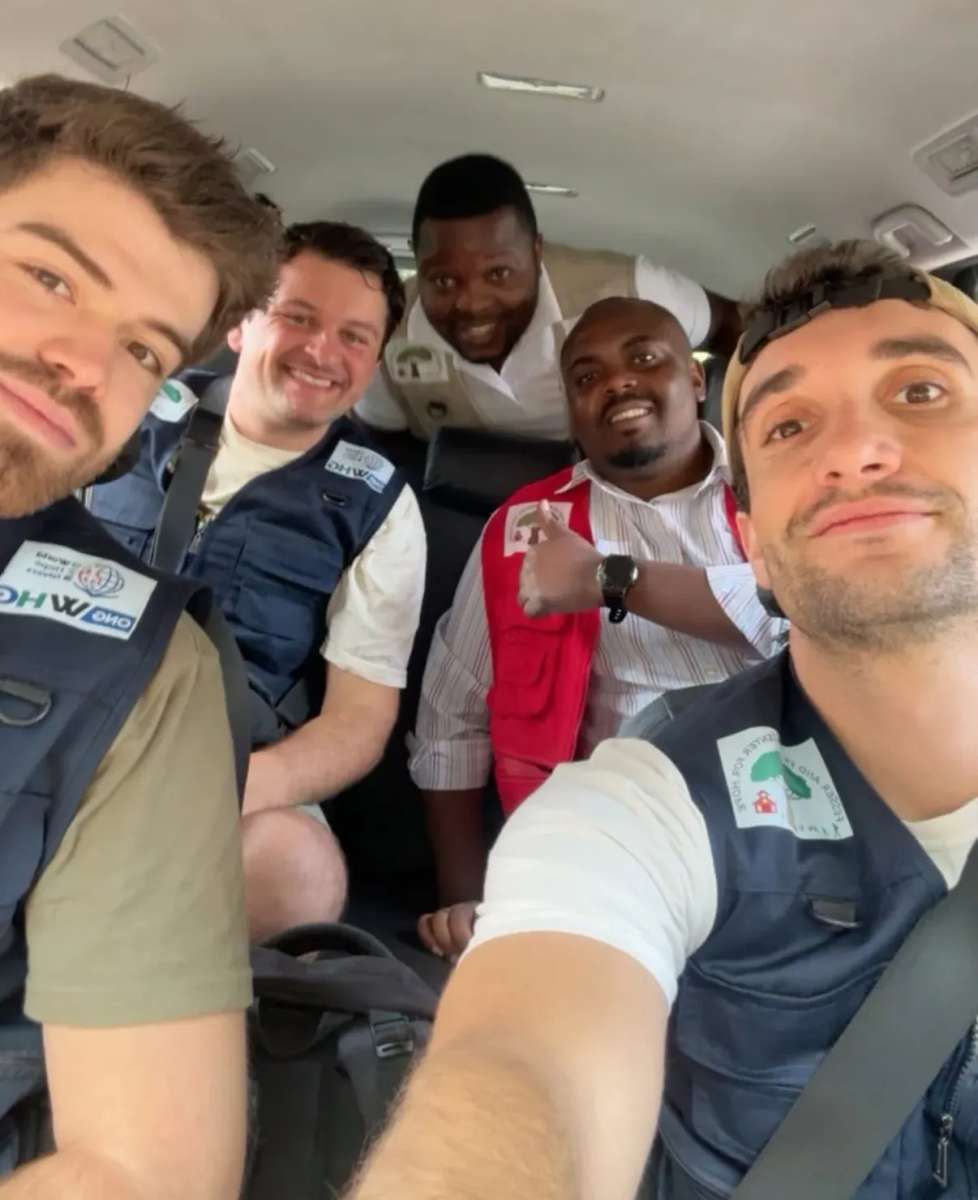

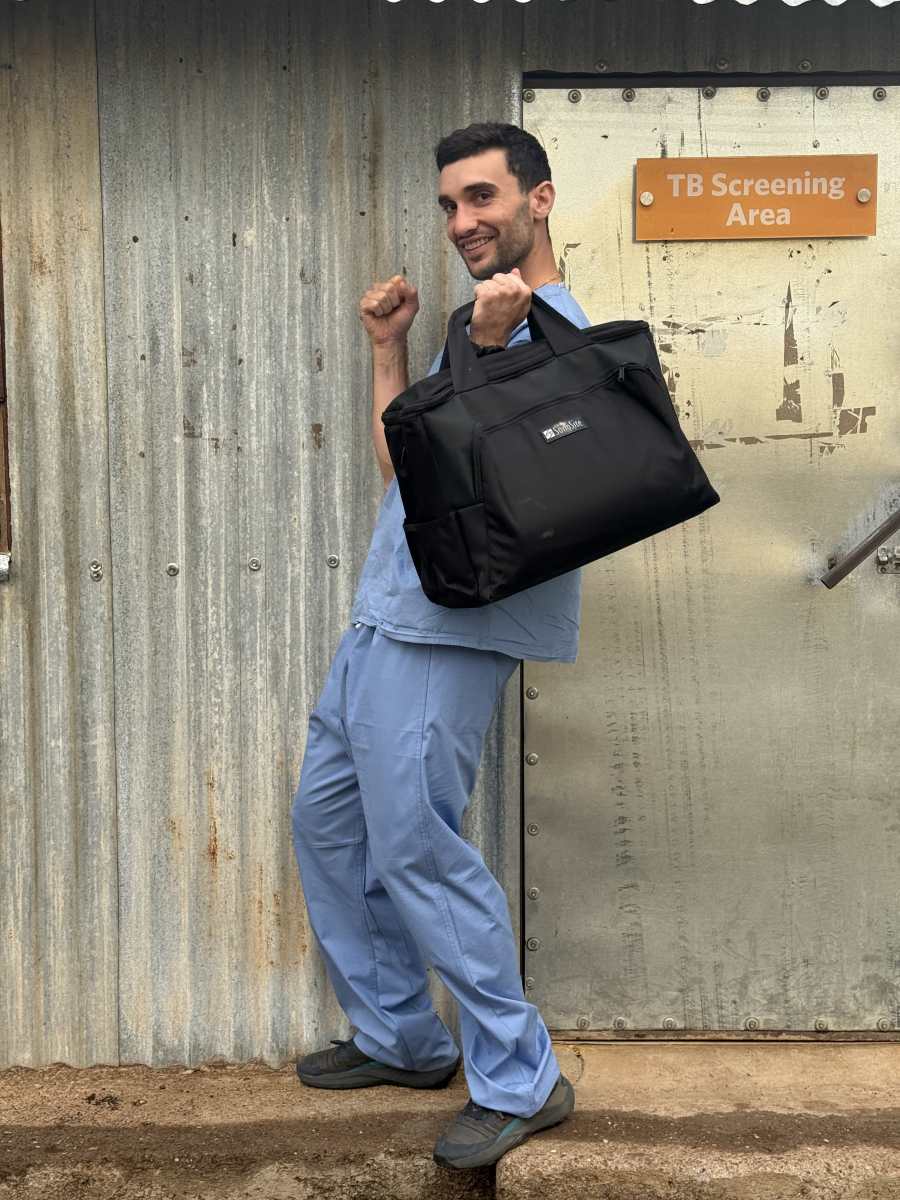
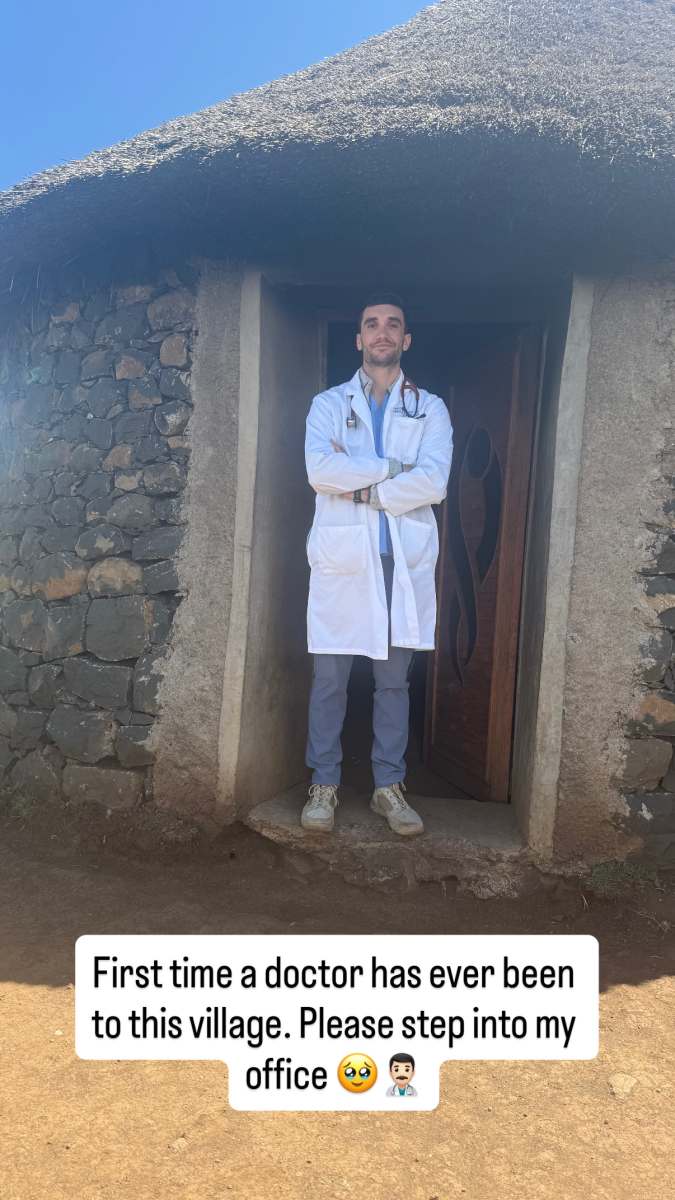
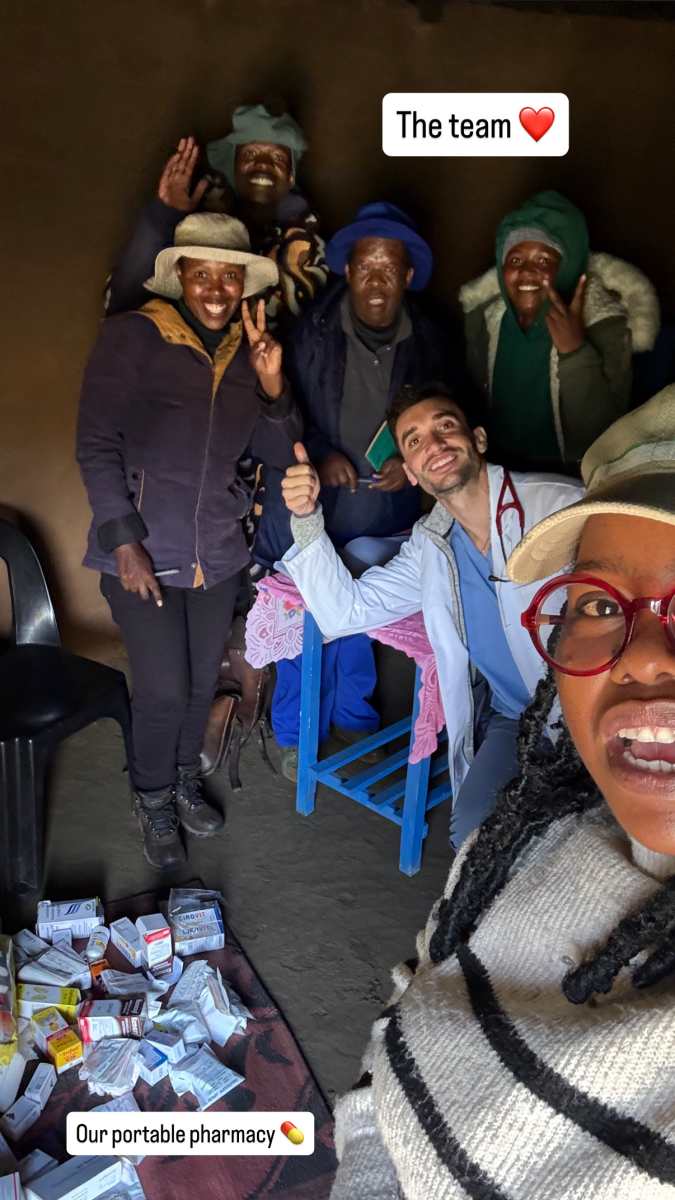




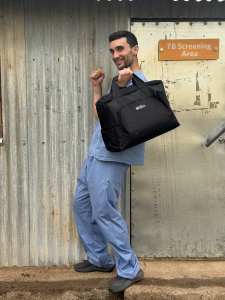
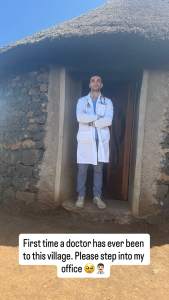
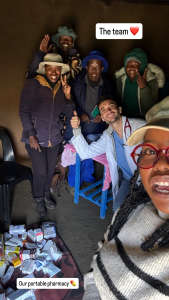
I had the privilege of spending my fourth-year global health elective with Partners In Health in Lesotho, the “Mountain Kingdom” of Southern Africa. The name reflects not only the landscape but also the type of medicine practiced there: remote, austere, and resource-limited. Lesotho carries the highest rates of HIV and tuberculosis in the world, making these conditions not merely diseases but defining features of the identity and daily life of communities living high in the mountains.
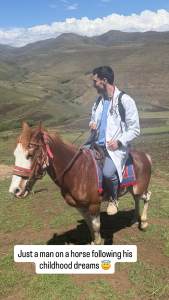
During my rotation, I traveled more than ten hours on dirt roads to reach distant clinics in the foothills, where I was the first physician many had seen in years. During that time I rode on horseback across isolated mountain passes to reach villages accessible only by foot. I also flew on single-propeller bush planes to evacuate critically ill patients who had never set foot outside their mountain valleys. I drew on the clinical training I received during residency to manage critically ill patients with only a small handful of medications and limited diagnostic tools, learning to rely on judgment and careful observation rather than technology.
Throughout my month abroad, I taught point-of-care ultrasound (POCUS) to mid-level providers, expanding their scope of practice and improving our ability to diagnose and manage patients with extrapulmonary TB. I also worked at Botsabelo, Lesotho’s MDR-TB hospital in Maseru, where I helped manage patients in the late stages of disease, often the result of delayed access to primary and preventive care.
Ultimately, this rotation challenged the way I think, deepened my medical knowledge, and expanded my understanding of global and rural health systems. It remains one of the most formative experiences of my training and cannot thank the Doximity Foundation enough for allowing this experience to take place!