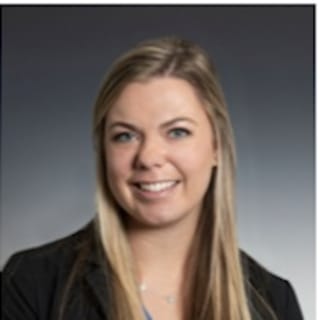
Greetings! I am a third-year Internal Medicine resident at the University of Washington, planning to travel to Naivasha, Kenya in 2026 for a month-long global health rotation.
The focus of my rotation will be delivering evidence-based medical education to local healthcare providers; including medical students, nurses, clinical officers, and interns. I aim to tailor the teaching to the needs of the community by incorporating bedside teaching rounds, journal clubs, and interactive chalk talks. Working alongside local physicians, I will identify areas for clinical improvement and deliver practical, community-relevant medical education that can be readily integrated into existing workflows.
I will be based at Naivasha County Referral Hospital, a 273-bed facility that includes a maternity ward and emergency department. This high-acuity hospital operates under significant financial and staffing constraints. My presence will not only contribute to patient care but also allow dedicated time for the education of future healthcare providers. Through this dual approach, I hope to enhance both immediate patient outcomes and long-term care capacity within the hospital.
This project will support the healthcare professionals and patients of Naivasha, Kenya. I will work in the region's main referral hospital, which serves a wide population—including adults, children, neonates, and perinatal mothers—both within Naivasha and surrounding rural areas.
The population faces a dual burden of communicable diseases such as HIV/AIDS, malaria, and tuberculosis, along with a growing prevalence of non-communicable conditions like hypertension, diabetes, and cardiovascular disease. These chronic diseases are particularly impactful in resource-limited settings where access to preventative care and treatment is often lacking.
By providing focused, evidence-based education on the management and prevention of these conditions, I hope to contribute to sustainable improvements in healthcare delivery. This population is especially deserving of support due to the high disease burden and limited access to ongoing clinical education. Enhancing local capacity through low-cost, high-impact educational efforts can help shift long-term outcomes in meaningful ways.
Over the course of the rotation, I expect to directly participate in the care of numerous hospitalized patients while also providing medical education to over 50 healthcare learners. My goal is to deliver clinically relevant, practice-changing knowledge that will continue to inform patient care after my departure.
Equally important is the personal and professional growth I anticipate through this experience. Working in a resource-limited setting will deepen my understanding of how structural barriers affect patient outcomes and strengthen my ability to adapt care in underserved communities. These lessons will carry forward into my future practice, particularly as I plan to serve marginalized populations in the U.S.
Ultimately, this rotation is an opportunity for reciprocal learning and long-term impact—supporting both the professional development of local healthcare teams and my own evolution as a more thoughtful, globally aware physician.


During my medical trip to Kenya, I had the opportunity to support local medical interns through bedside teaching and clinical discussions. We focused on building illness scripts, identifying next steps in diagnostic workups, and developing point-of-care ultrasound skills they can continue using in their own practice. I also led a didactic session on the management of alcohol withdrawal, reviewing recognition and treatment strategies. It was rewarding to see the interns quickly apply these tools in patient care, and I’m grateful to have contributed skills and frameworks that will continue supporting their clinical decision-making beyond our visit.