
Our project involves reviewing the pediatric emergency protocols at Bayalpata Hospital in Achham, Nepal for to assess its overall pediatric emergency readiness. It is our plan to implement changes in hospital supplies required and training of local personnel based on our findings. We anticipate that this project will lead to important improvements in emergency management of pediatric patients in this location.
The remote location of Bayalpata hospital in Achham district makes it very resource-limited in terms of supplies, ability to retain its workforce and pediatric expertise. We anticipate that this project will lead to important improvements in emergency management of pediatric patients in this location. Lessons learned from this project can be applied to other health care systems in other resource-limited settings globally and open the door for new and important research to advance health equity globally.
Review of some of the pediatric protocols has already begun but an in-person site visit is proving to be crucial to understanding the barriers to implementing these protocols. Our time at the hospital will be spent reviewing the protocols with the input of the local health care workers, assessing the availability of supplies and teaching best pediatric practices.
Pediatric protocols to be reviewed during our site visit include bronchiolitis, community acquired pneumonia, approach to the febrile neonate, febrile seizures and acute watery diarrhea.
Bayalpata hospital serves over 100,000 people per year and is the only hospital available to an estimated catchment area of a million people. Its extremely remote and mountainous location has posed significant challenges to the availability of pediatric expertise and supplies locally. We anticipate that our project will help streamline pediatric care for the most common childhood presentations.
The goal with this project is to improve the pediatric care for children in some of the most remote regions in Nepal by streamlining care and maximizing the availability of medical supplies for the most common pediatric illnesses.
The goals of this mission is to refine and implement our pediatric protocols and educate local health care workers in their use. We also plan to identify health care workers that can lead this training for the network of community health workers that Bayalpata Hospital oversees.
We plan on publishing the results of our work so that other remote communities may benefit from our experiences in this area.
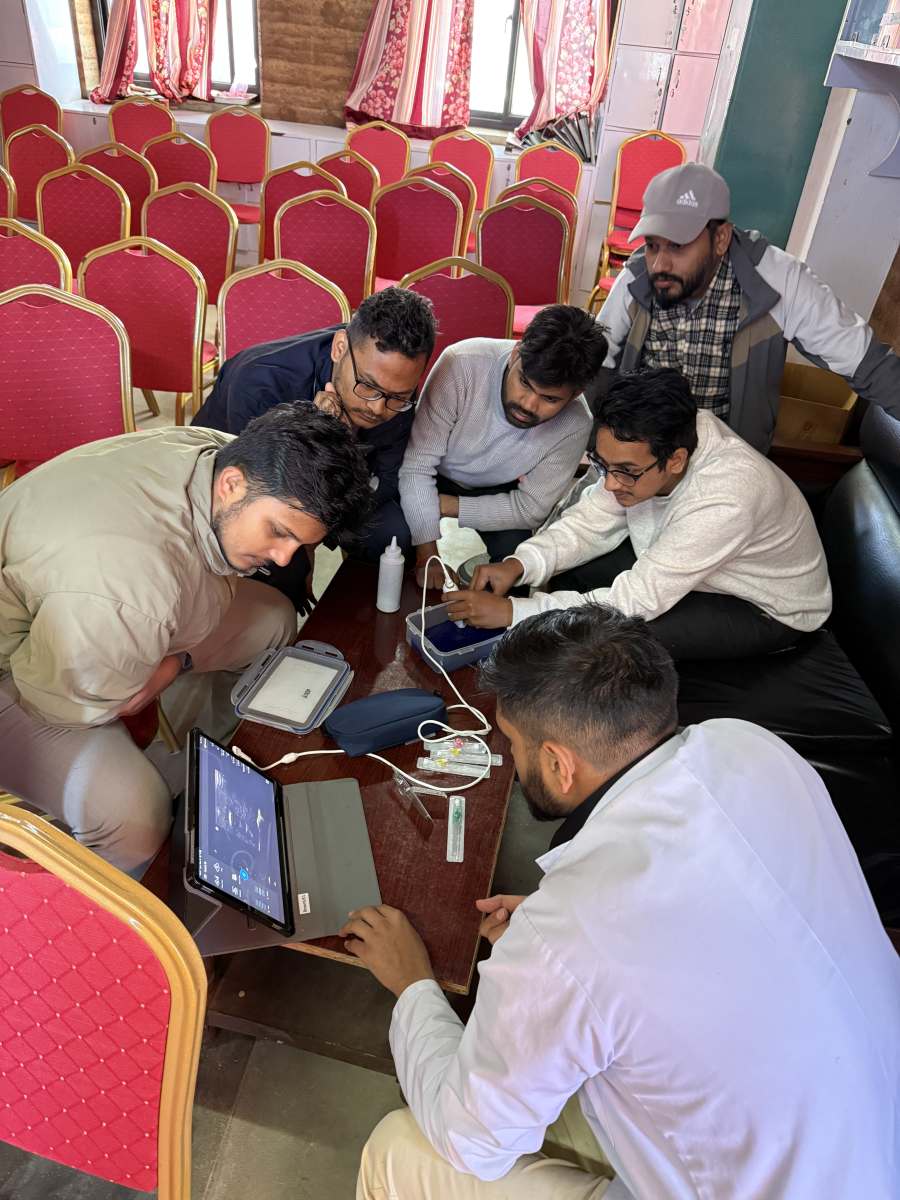
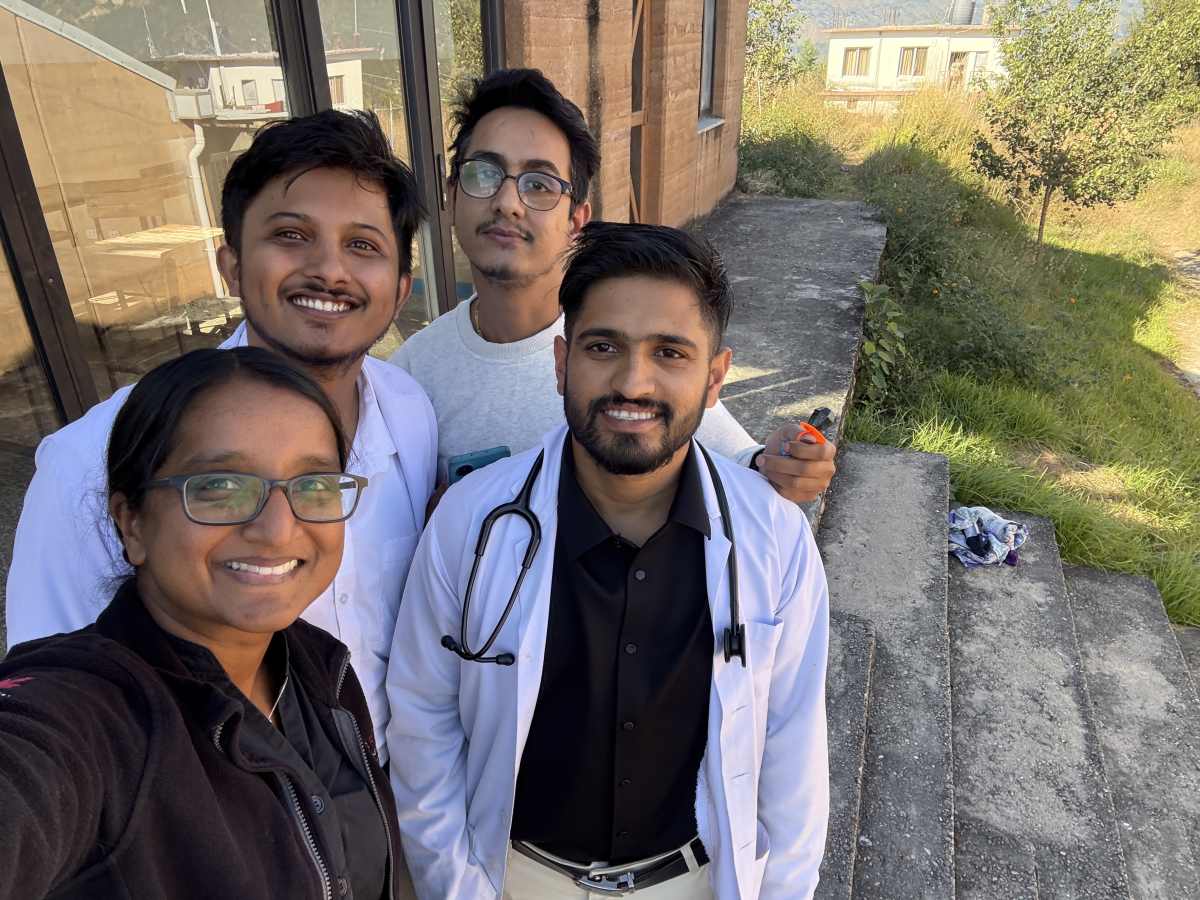
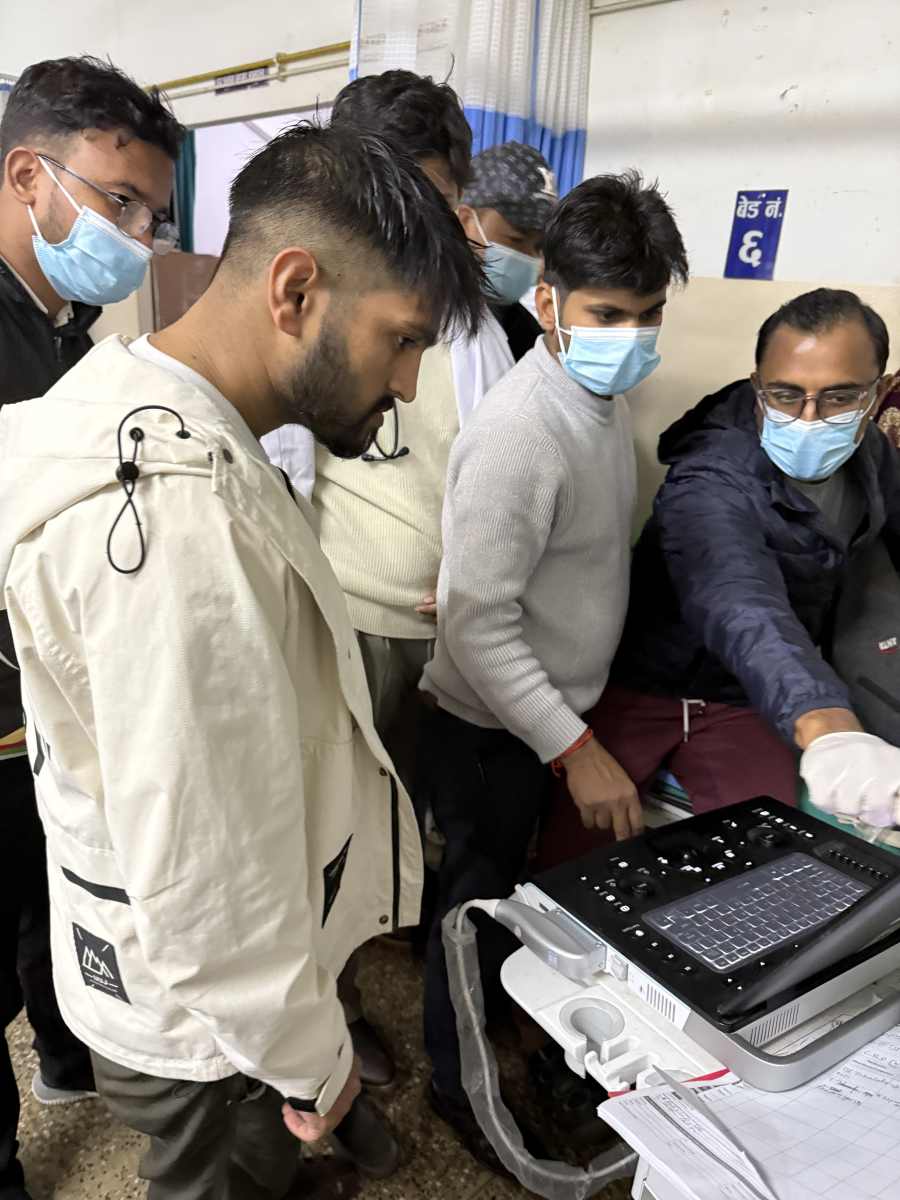
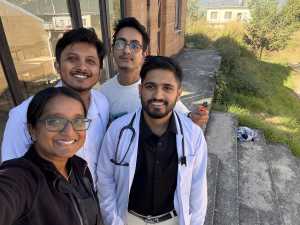
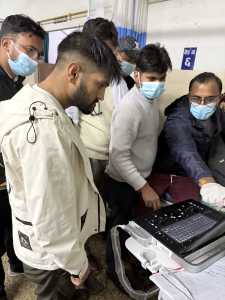
Bayalpata Provincial Hospital is nestled in the mountains of far western Nepal. The journey to the hospital was difficult even for our well-resourced team, requiring a flight from Kathmandu followed by a long 10-hour journey in a 4x4 vehicle to the site of the hospital. The location of the hospital alone speaks volumes to some of the barriers to health care in the region with many families having trouble even getting to the hospital, let alone affording the care they require. Staffing a hospital in such a remote location also has its challenges as turnover is frequent and subspecialty resources are limited. All supplies need to be carefully considered as well since most of these supplies have a limited shelf life and need to be brought from far away.
The goal of our project was to develop a series of pediatric protocols for some of the most common presenting complaints to this hospital. Developing these protocols requires a clear understanding of the barriers to accessing care, supply limitations and resources required for referral to a larger center. Our team spent our time teaching the local medical officers, rounding on patients daily and working with the health care workers to gain better insight into how care can best be provided given the limitations of the hospital. Daily management of the patients allowed us to better understand how care is delivered in this location and allow for a clear strategy when it comes to caring for children in such a remote location.
It is our plan to finalize our protocols now that we have returned from our travels and formally implement them at Bayalpata Provincial Hospital to determine if we can improve the care of children in this area.