
They have requested to have someone with oncology experience to come to the University and Hospital to teach about oncology
Vietnamese college of nursing
Assessment of sign and symptoms in oncology patients and how the drugs that are given work.
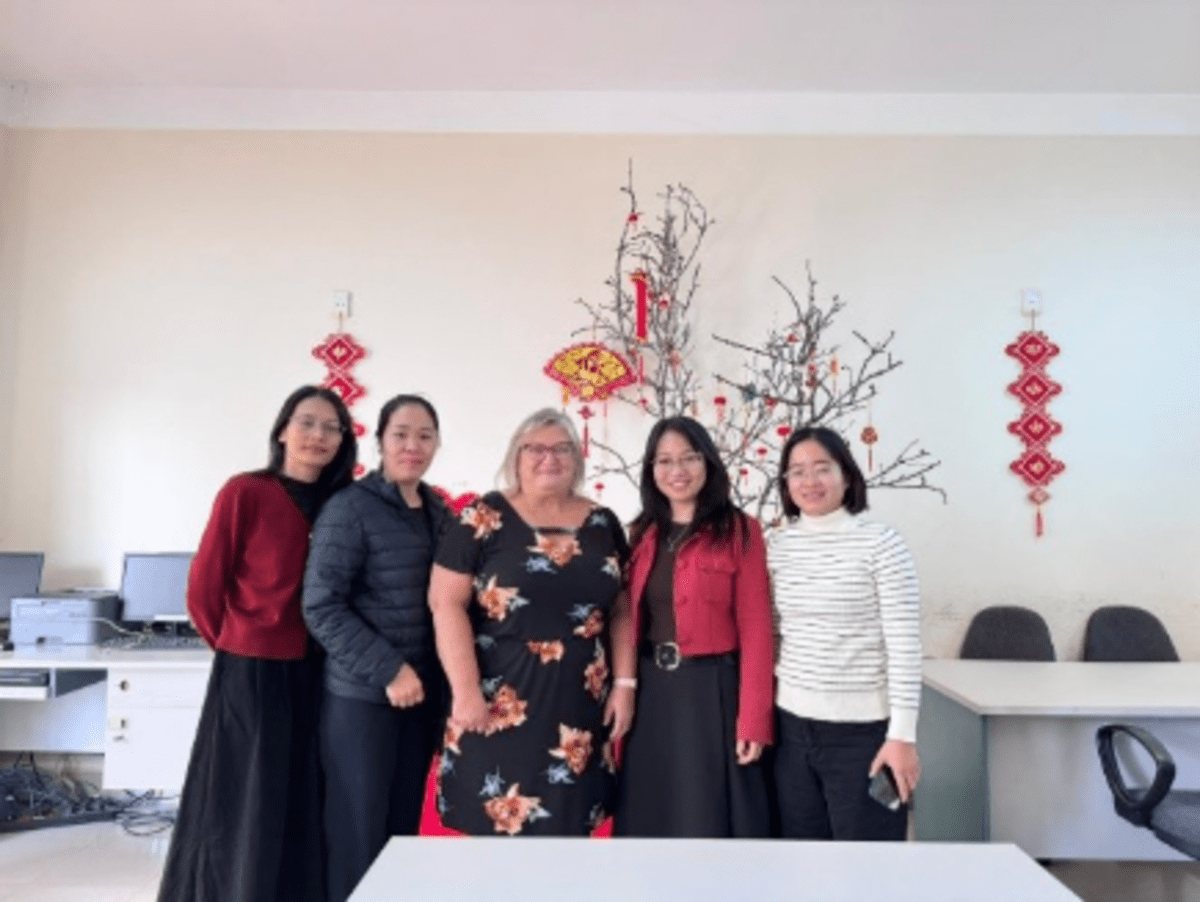
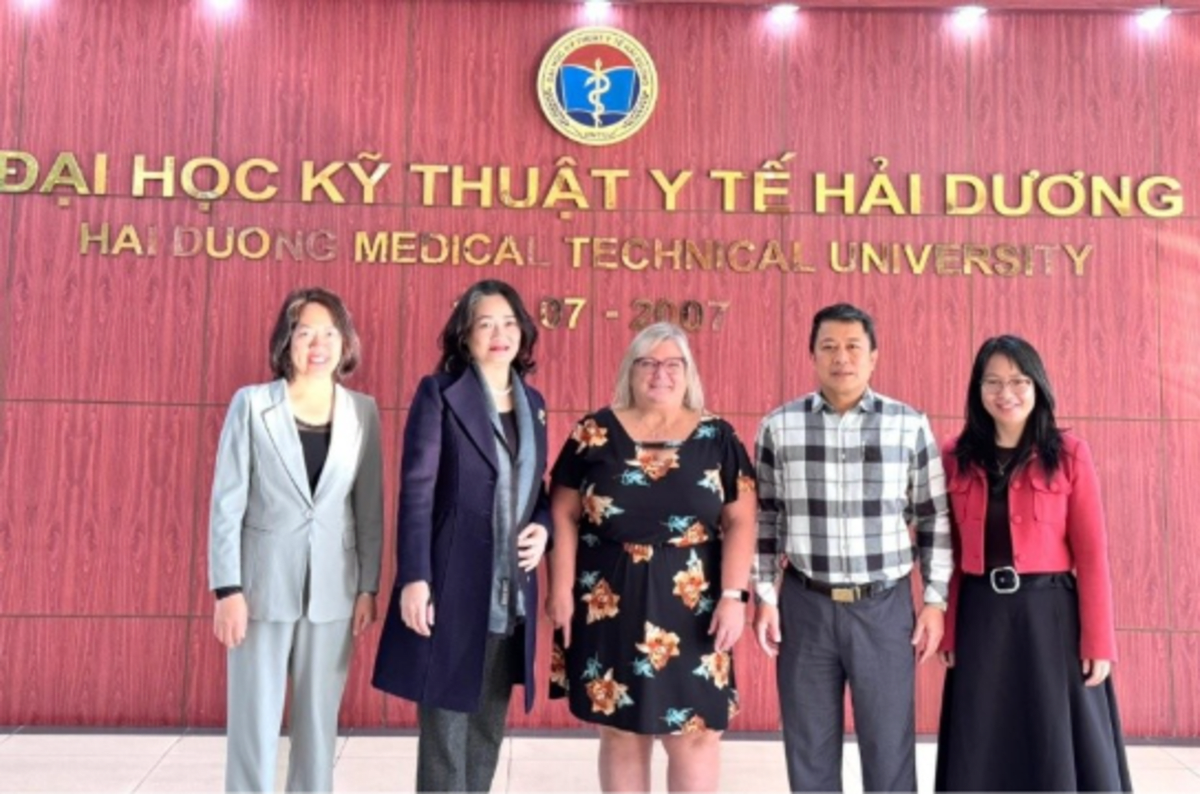
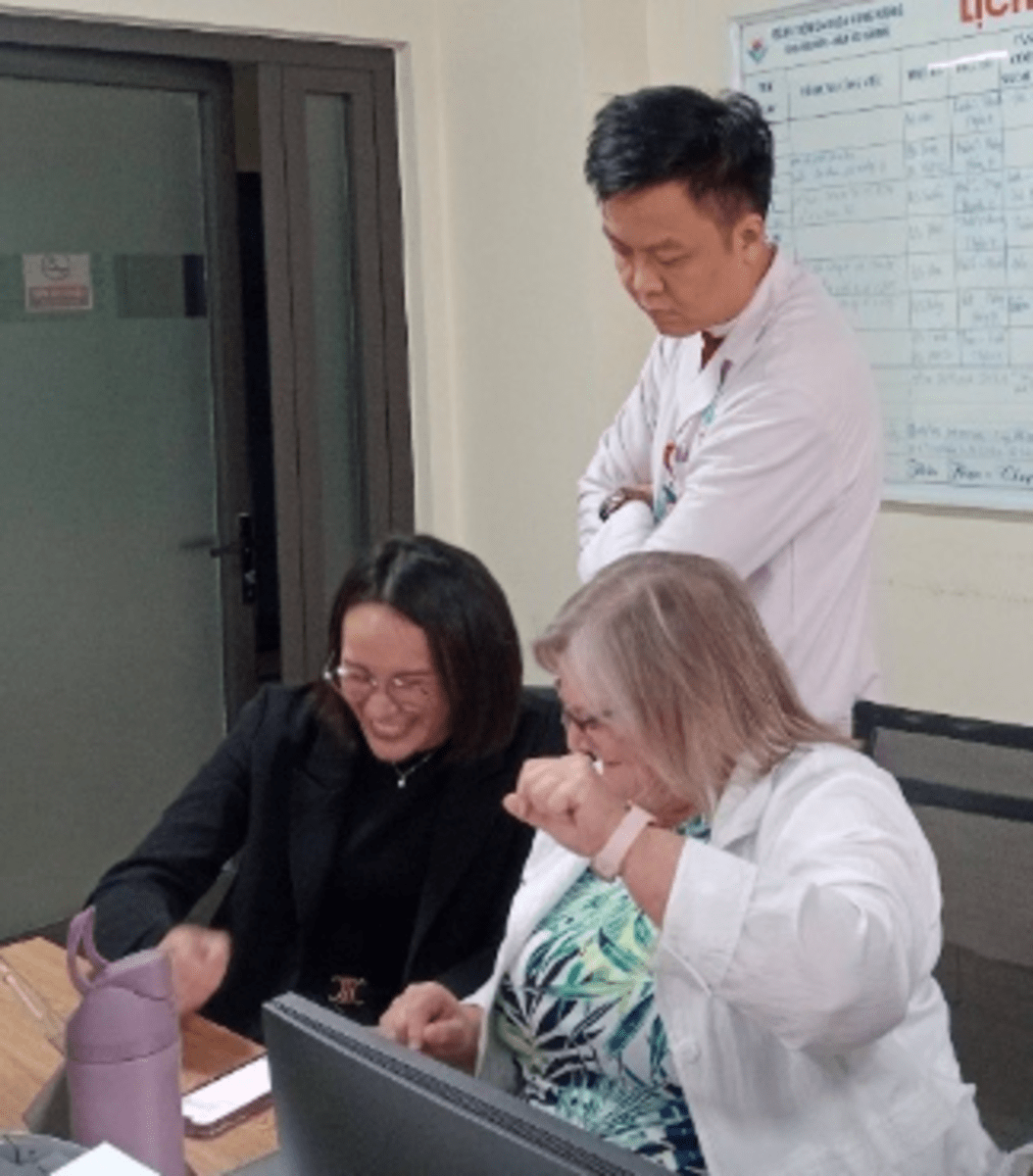
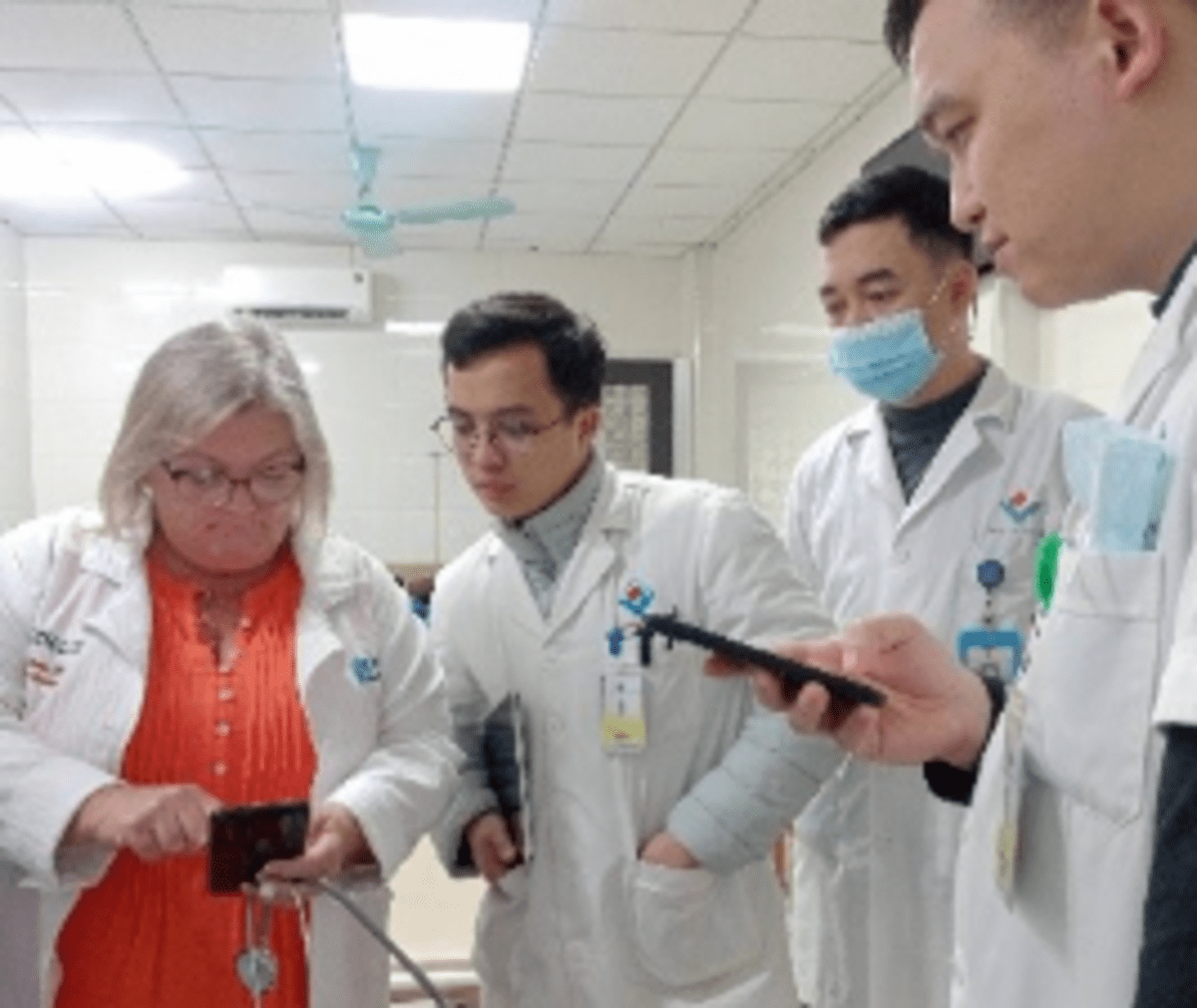
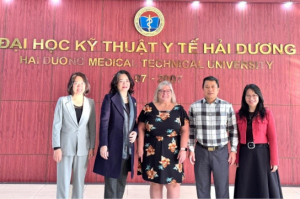
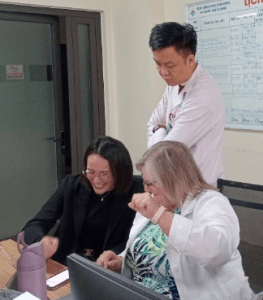
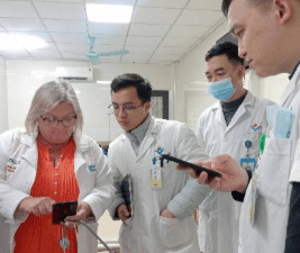
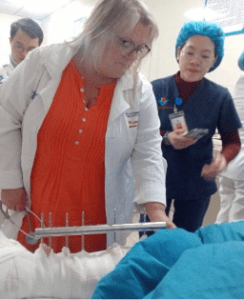
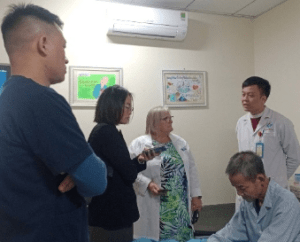
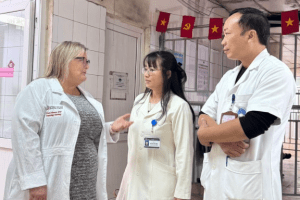
Bridging the Gap Cancer and Palliative Care in Vietnam with compassion and collaboration.
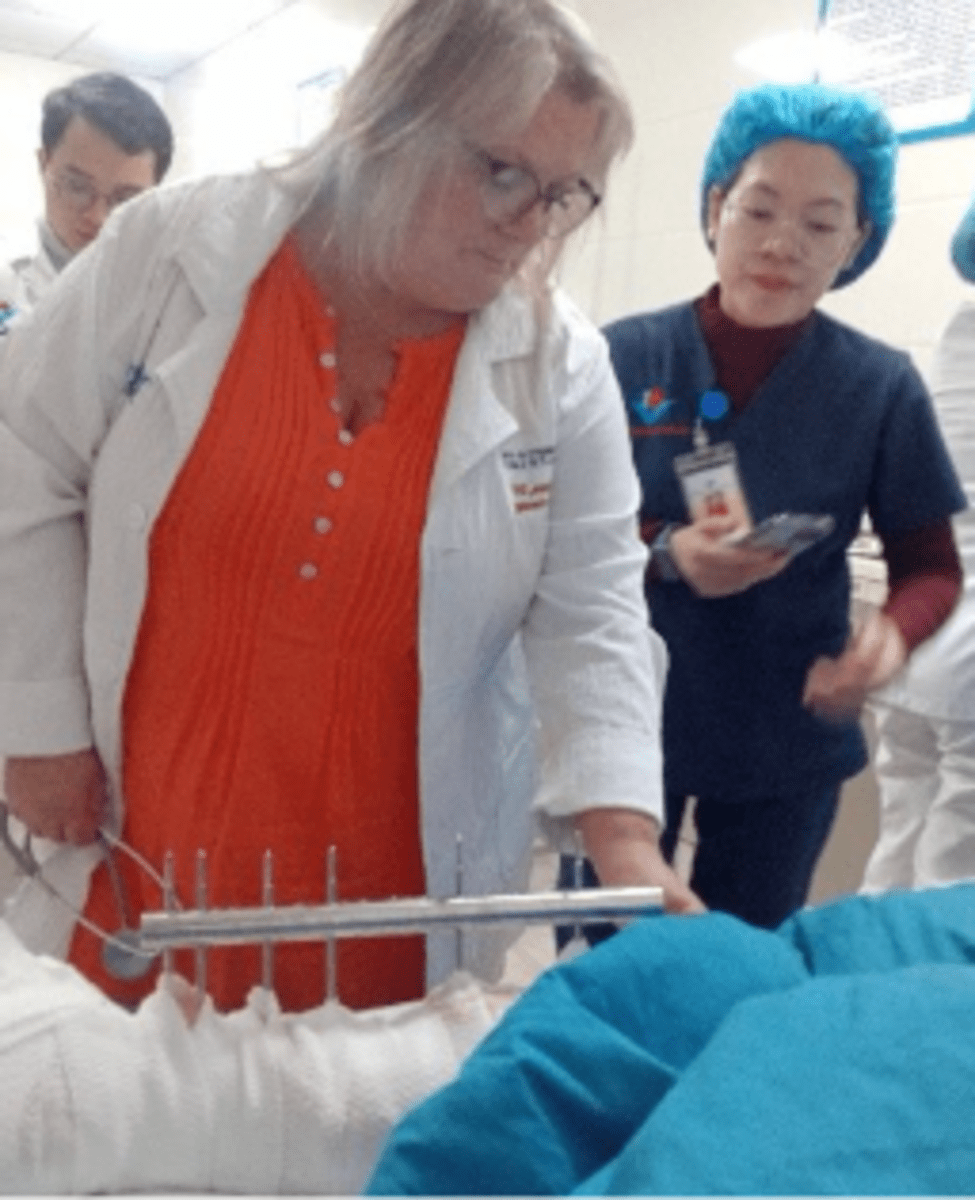
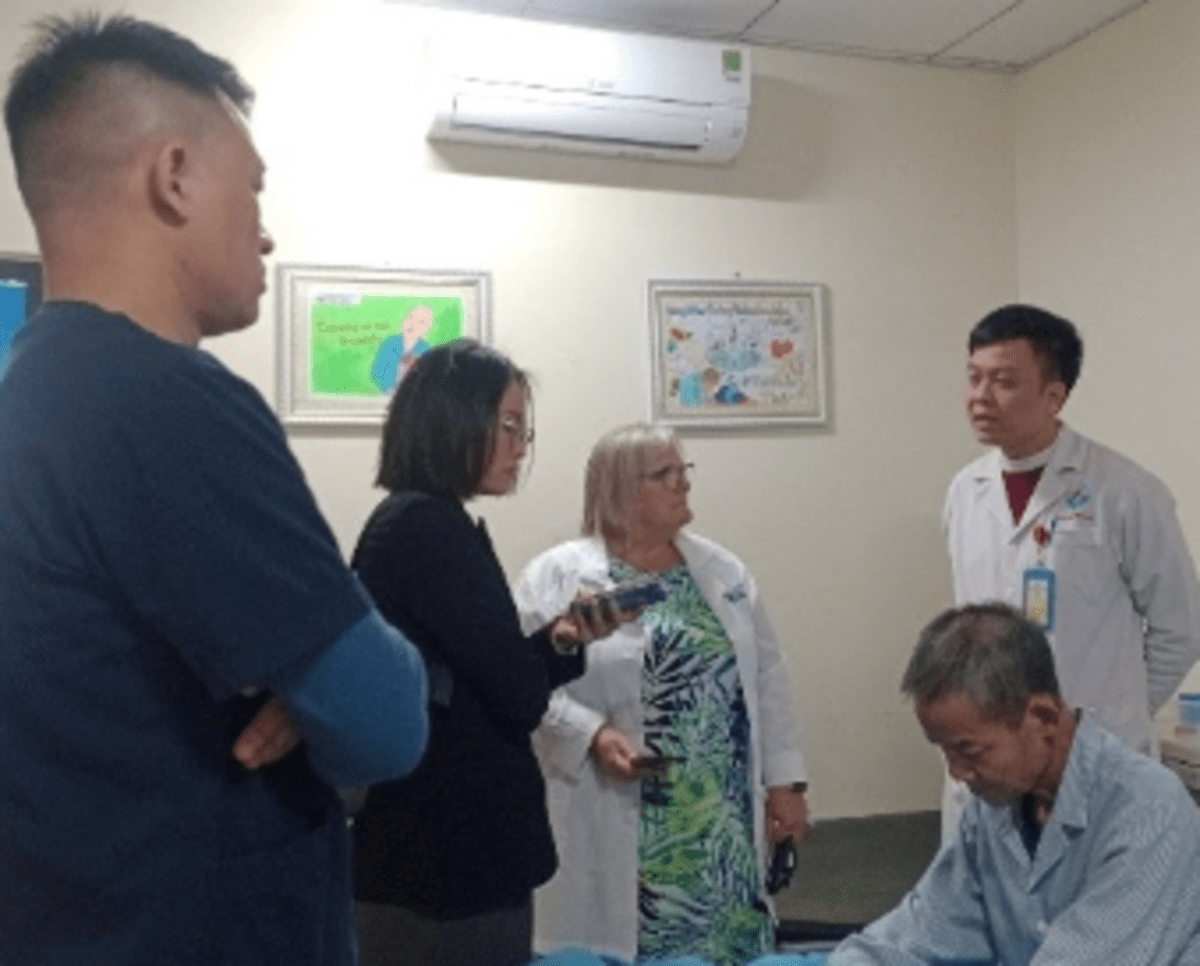
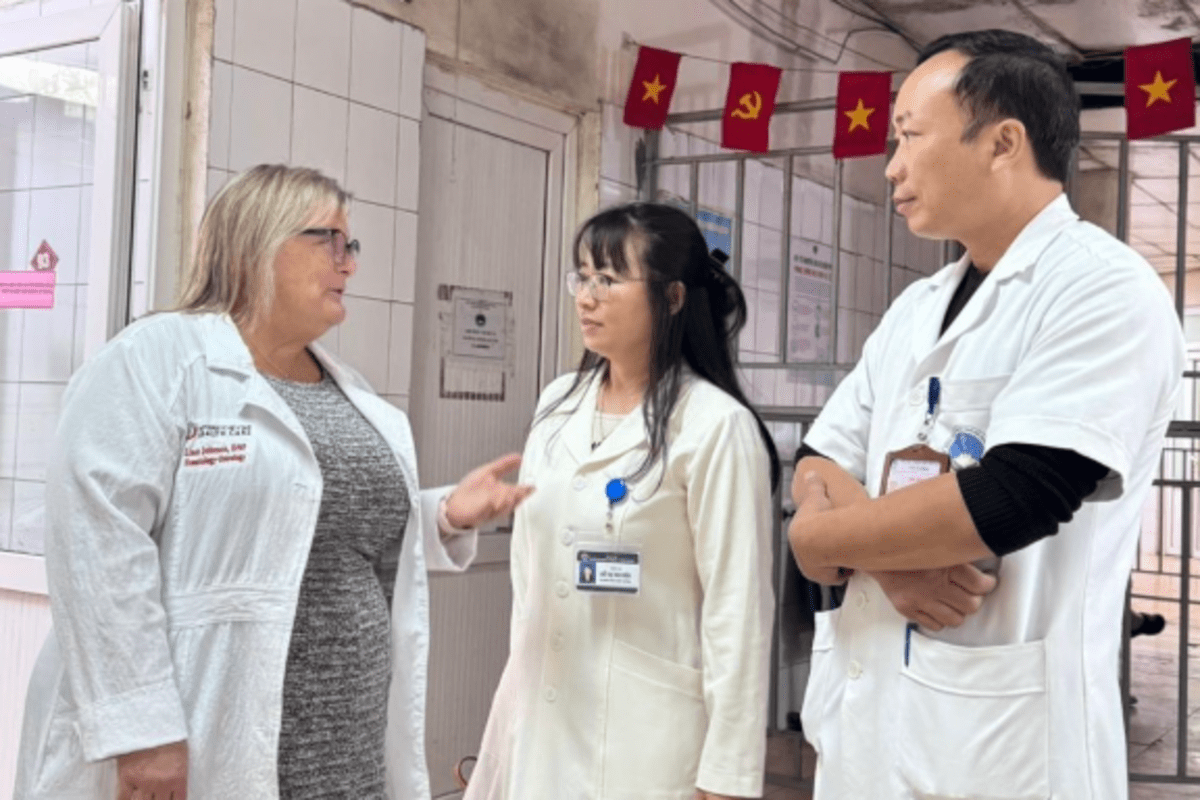
In January, I had the privilege of traveling to Vietnam to deliver a series of teaching sessions on nursing diagnosis, cancer management and palliative care. The visit was organized in collaboration with the Health Volunteers of America, both private and Ministry of Health hospitals, as well as two leading universities. The goal was to strengthen clinical knowledge and foster multidisciplinary collaboration.
Over the course of14 days, I conducted lectures and workshops focused on nursing diagnosis, comprehensive cancer care, pain and symptom management, and communication in end-of-life care. The sessions brought together physicians, nurses, and students who were deeply engaged and eager to discuss cases and explore best practices applicable in their local context.
At the Ministry of Health Hospital, we focused on integrating palliative care in cancer care and how nursing diagnosis is built in the care of the patients. At the private hospital, the team emphasized bridging standards of care with international evidence and developing nursing diagnosis in plan of care for the patients.
Teaching at two universities allowed for meaningful discussions with faculty of nursing and nursing students about the evolving landscape of cancer care in Vietnam. Their questions reflected both scientific curiosity and a genuine commitment to patient dignity—a reminder that compassionate care transcends geography. Also discussed nursing diagnosis and how implementing nursing diagnosis impacts patient care.
Through interactive case studies and role-play exercises, we emphasized how palliative care is not simply about managing dying but about living well with serious illness. These health care teams showed impressive insight and empathy, leaving me optimistic about the future of oncology in Vietnam. This trip reinforced how global collaboration in healthcare can catalyze meaningful change. Despite resource limitations, the enthusiasm and dedication of Vietnamese professionals were inspiring. There’s a growing recognition that quality cancer care must include pain control, psychosocial support, and spiritual care — not as optional, but as integral elements of treatment.
My time in Vietnam was not only educational but profoundly humbling. It underscored the universal truth that while technologies and systems differ, the heart of healthcare remains the same: a commitment to relieve suffering and promote dignity.