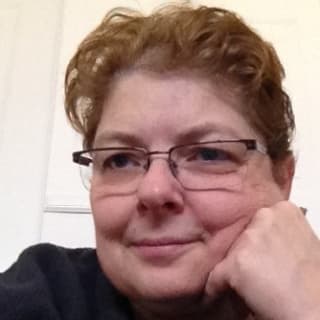
I would like to travel with Refuge International to Sarstun Guatemala to provide onsite medical care to the community and surrounding villages. This is the only local opportunity for patients to see a physician and receive free refills of their medications. The organization I am traveling with has maintained their clinical sites since 2003.
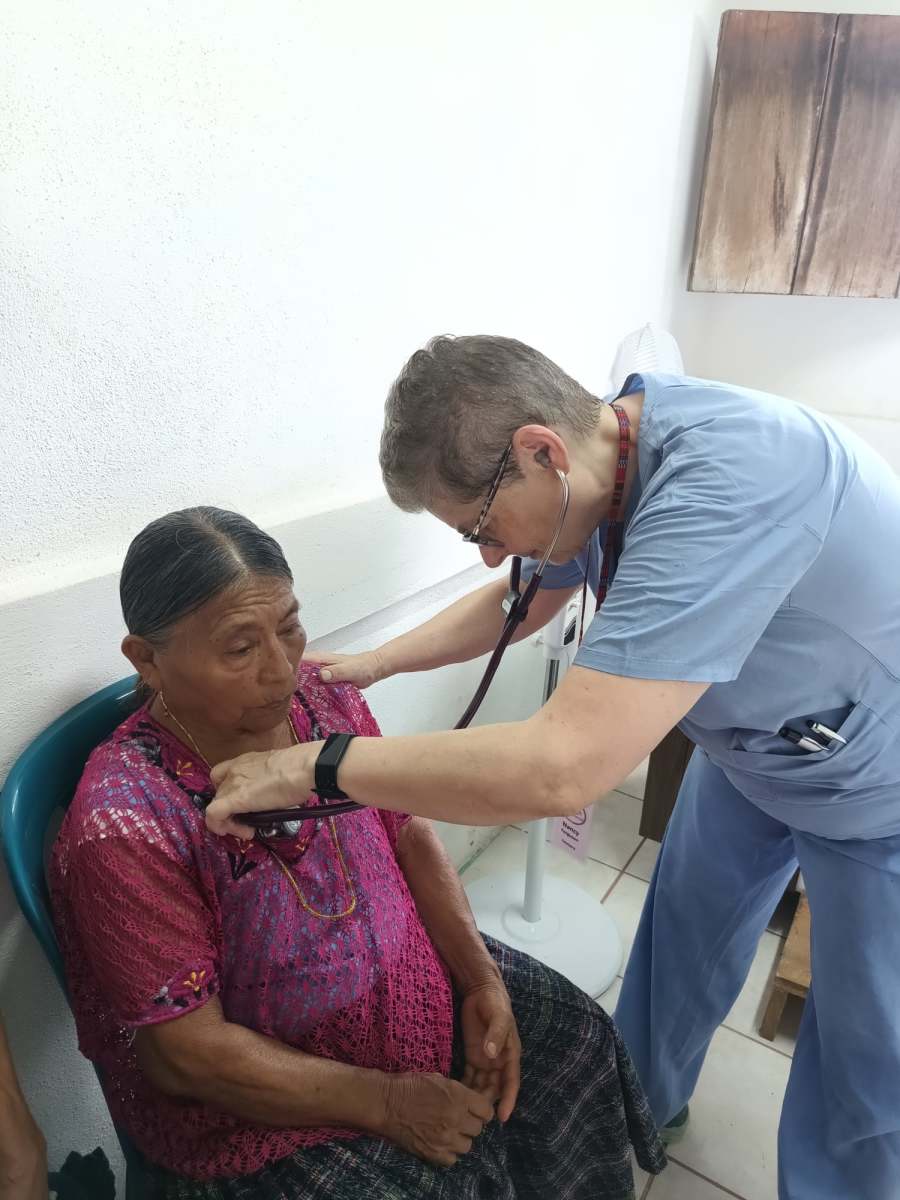
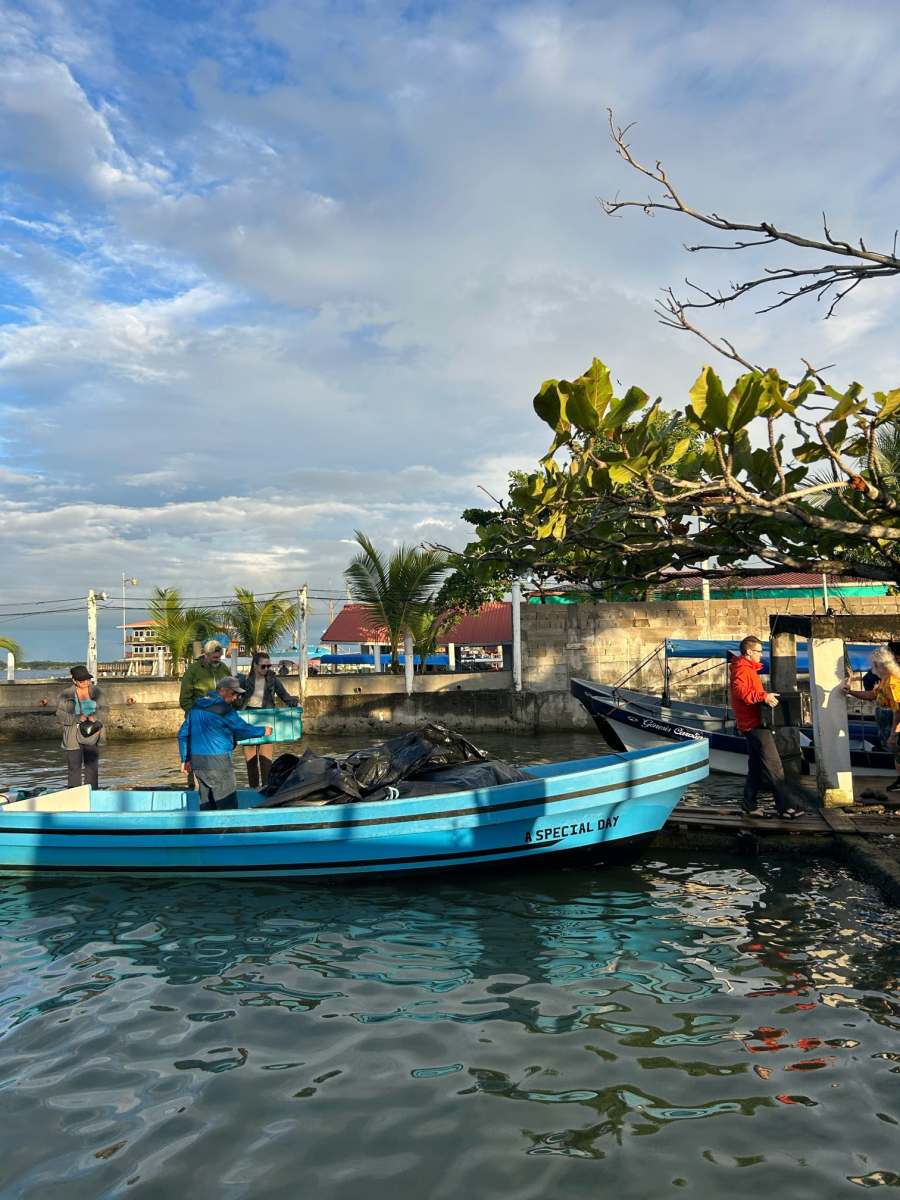
Patients from both Belize and Guatemala benefit. Many speak Quet Chi, a Mayan language. They come by boat or walk 3 to 6 hours to come to clinic. The indigenous Mayan tribes are grossly undeserved medically. Transit for hospital care is via ambulance which is an open power boat that must travel the open ocean for a couple hours to get to the district hospital.
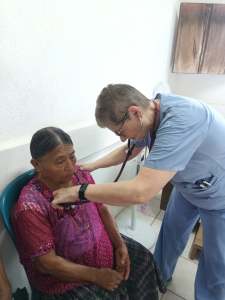
Management of chronic disease and diseases of all age ranges. Osteoarthritis is significant for individuals as old as their late 70s who are still working 6 days a week in the fields.




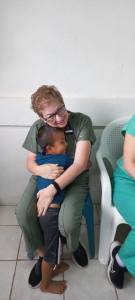
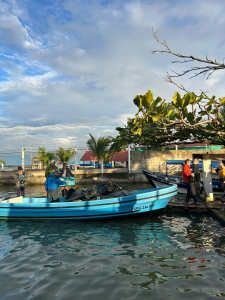
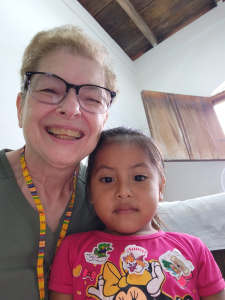
Sarstoon Guatemala December 2025
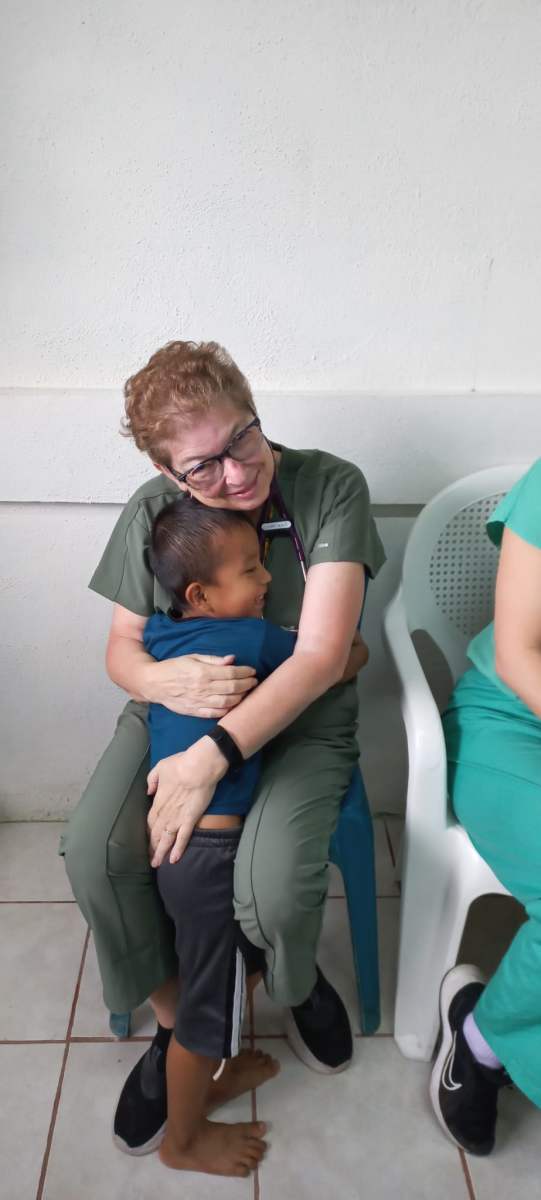
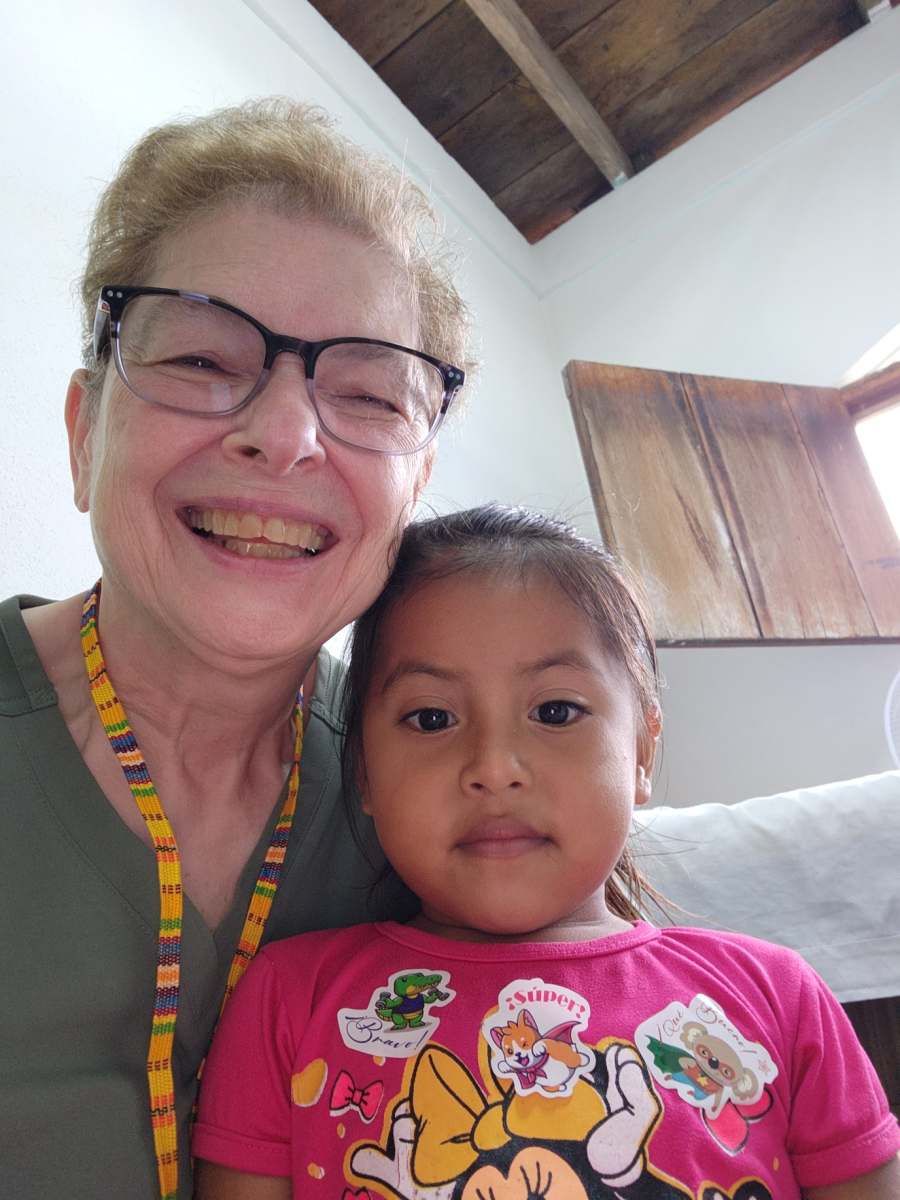
It was fantastic arriving back at the clinic and being greeted on the dock by the local kids who were already clamoring for attention. The younger of these kids visited me between every patient to get a sticker; the stickers were in Spanish and they really loved them. At noon they returned with no stickers on their shirts when I asked them what happened, they laughed and said they all fell off. Good thing I brought 500 stickers.
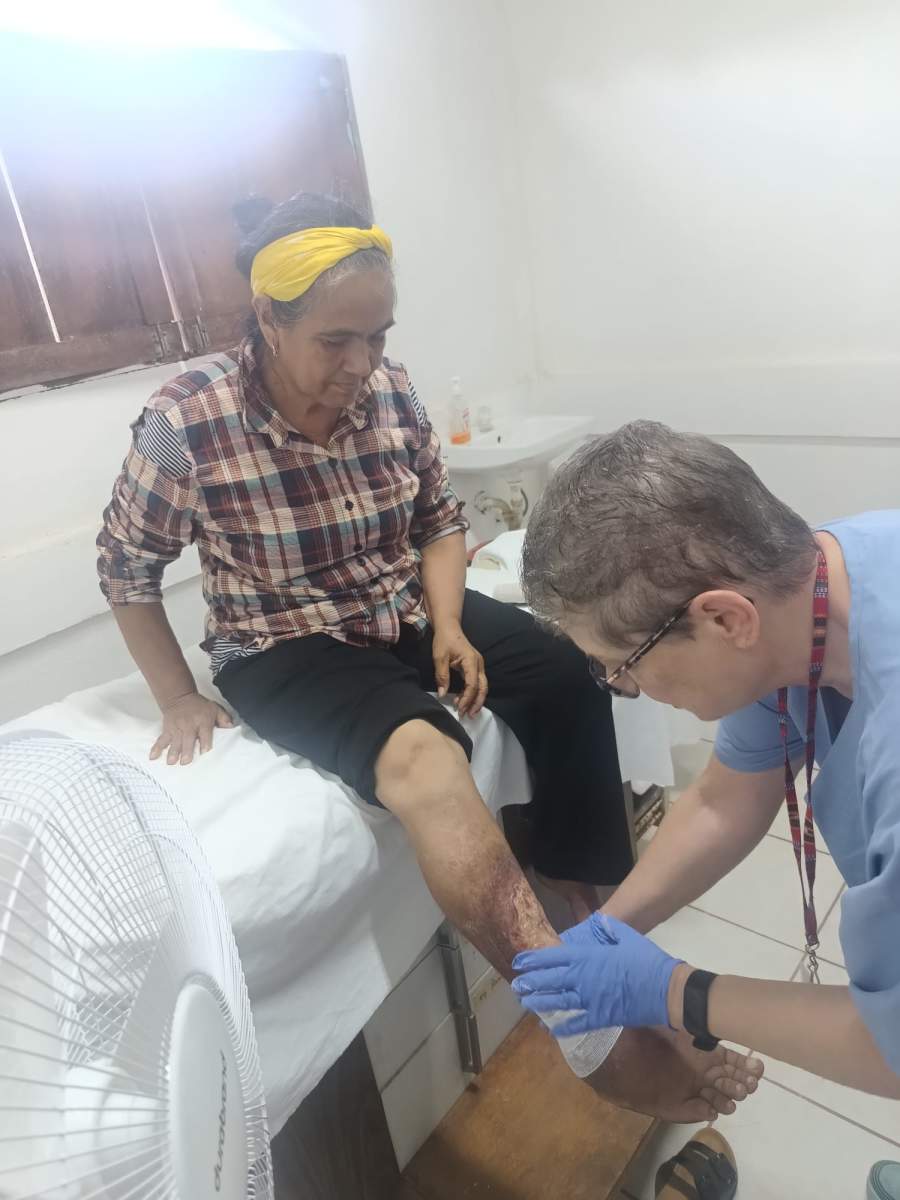
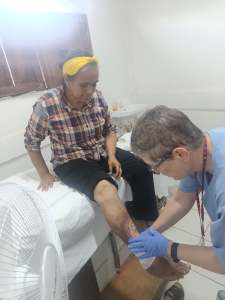
I was particularly interested in following up patients who I'd seen and my trip there in August 2025. One was a woman who had a severe leg ulcer that we were able to refer to a plastic surgery team that was visiting in October. They gave her further instructions on cleaning the wound and I was delighted to see that it is at least 40% smaller than August. To be able to share her joy and hope for a graft with the next plastic surgery visit, I cannot put into words.
I also saw a girl that I had met on the August trip with whom the staff were having great difficulty managing her medications for epilepsy and her homelessness due to her erratic outbursts. We had a long meeting in August where they described her behavior, and I was able to place it in the context of dissociation secondary to post traumatic stress disorder. We were able to discuss how to manage her dissociation episodes and her visits have been much more productive in the interim. This time she was able to sit with me and relate her life story. Her grandmother raised her. When the grandmother died, she went to live with an uncle and his wife. Before I could even ask the details that might reveal the origin of her PTSD, she offered that he beat her often and raped her often. The last rape was approximately 8 years ago following which she gave birth to a baby boy. She does not see the boy but states he is being raised by a different uncle who is a schoolteacher along with his wife and daughter. She related that she felt he was very safe with them. Following the rape in which she became pregnant, the village shunned her. She left to make her way in Puerto Barrios. At this time, she is staying with a taxi driver who provides her food and shelter. He is an older man, and she emphasized that they are not partners and there are no sexual favors being exchanged. I asked her if she ever heard voices in her head and she said she did not. She then paused and stated that sometimes she hears the water running in the shower the neighbor upstairs or a door slam. She was reassured that hearing these things were normal and not concerning.
Lastly, I returned from breakfast one morning to find a kerfuffle outside one of the rooms. A woman had walked into the clinic with her husband after having failed to deliver after about 13 hours of laboring in the village. Women there labor standing up and holding onto a bar overhead, but she was not progressing. I poked my head into the room to see an ED doc and family medicine doc who both swore their last delivery was probably medical school residency. Having done time at The National Maternity Hospital in Dublin Ireland, as well as many ED deliveries in my past, I offered to step in if they needed help. I never saw blue surgical gowns and gloves ripped off so fast in my life as they turned to me to see what to do next. Our general surgeon was holding all OR cases in the event that she needed a C-section. He had already called one of his colleagues in the states to review the surgical procedure. The cervical dilatation was six to seven centimeters, but the baby made only slight downward motion with the contractions. We tried several methods to improve her effort such as getting her feet off the table and putting them on our sides while we stood along the sides of the bed for something to push against. There were no stirrups or delivery tables here. There was no Pitocin to assist contractions. While she was making reasonable efforts to push it was clear that she was exhausted and out of energy as the last few pushes did not dilate the cervix at all. The baby was still riding high. Fetal heart rate was 125 to 140 forty/min. I felt the risks of attempting the cesarean section were too high not for the mother but for the baby. We did not have any infant resuscitation equipment and no good was to resuscitate a baby born by Cesarean. I asked for someone to check with the driver of our Ambulancha to see if the sea was safe enough for transport to the nearest hospital as the trip generally takes two to three hours. He confirmed it was and pulled up to the dock minutes later. This is not a speed boat; it is an open boat with the middle plank seat removed. The family doc sat behind me. The patient sat between myself and our Qʼeqchiʼ/Spanish interpreter, as the patient did not speak Spanish. Every time we lifted atop a wave and slammed down, the patient would look at me expectantly. With each contraction I would lift her heavy woven skirt and shake my head, not yet. Having had several babies born in the boat on previous trips, the boat driver pushed the limits, and we arrived in town in one hour and 45 minutes. As we were entering the port we called for the ambulance to meet us at the municipal docks and they were there within minutes of our arrival. We rode with her in the ambulance to the hospital where the ER was waiting for her. She was promptly moved to the maternity ward where she gave birth to a healthy baby boy bye vaginal delivery later that afternoon.
Now I am hoping to be able to make the March 2026 trip to source soon to meet her and her baby.
Thanks to DOX Foundation for their generous support to help physicians like me continue to share our experience, strength and knowledge with less fortunate across the US and the world.
Nancy J Ferguson MD