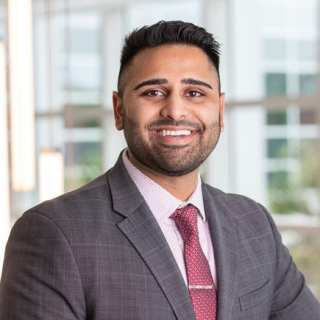
As a gastroenterology fellow with a deep interest in global health and health equity, I will be traveling with a multidisciplinary team to Santiago Atitlán, Guatemala, to provide GI specialty care at Hospitalito Atitlán. This rural region has no access to local gastroenterologists or endoscopic services, meaning that patients with potentially serious gastrointestinal conditions must travel several hours to Guatemala City, an option often limited by cost, transportation, and systemic barriers.
Our team will offer upper and lower endoscopic procedures as well as outpatient gastroenterology consultations over the course of a week. By partnering with the staff at Hospitalito Atitlán, we aim to deliver high-quality, patient-centered care at a dramatically reduced cost. This project directly addresses the gap in specialty services in the region, offering diagnostic and therapeutic procedures that can significantly improve both individual patient outcomes and community health.
Beyond the clinical work, I hope to contribute meaningfully by sharing knowledge with local providers, listening and learning from them in return, and laying groundwork for continued partnerships. As a fellow, this experience is an opportunity to deepen my understanding of how structural inequities affect health access globally—and to translate those lessons into more equitable care in my future practice.
This project serves the communities in and around Santiago Atitlán, located in the Sololá region of Guatemala. Many of the individuals we will care for belong to Indigenous Maya populations who face longstanding disparities in healthcare access, particularly in subspecialty services like gastroenterology. These communities often encounter high rates of gastrointestinal illnesses, including gastritis, H. pylori infection, gastric intestinal metaplasia, liver disease, and colorectal cancer, but lack access to diagnostic or therapeutic interventions due to financial, geographic, and systemic barriers.
Hospitalito Atitlán plays a vital role as a trusted, community-centered hospital. By bringing GI specialty care directly to this setting, our team helps reduce the burden of travel and cost that often prevents patients from seeking timely diagnosis or treatment. These barriers can be life-altering, especially when it comes to preventable or treatable GI conditions.
This population was chosen specifically because of the demonstrated need and the existing relationship with Hospitalito Atitlán. Working with a trusted local institution ensures that care is delivered in a culturally respectful and sustainable way. As a fellow committed to health equity, I’m honored to work with and learn from this population, whose resilience, generosity, and openness make a lasting impression on every provider fortunate enough to serve them.
The immediate impact of this trip will be expanded access to GI care for a population that currently has none. We will deliver diagnostic procedures and specialty consultations that may otherwise be out of reach. For many patients, this care can be life-changing, whether by identifying early signs of gastrointestinal disease, managing chronic conditions, or offering relief from longstanding symptoms.
A key goal of our work is to reduce the burden of gastrointestinal cancers, particularly gastric and colorectal cancer, through earlier detection and improved access to screening. In a region where preventive care is limited, providing endoscopic services can help identify precancerous conditions and initiate timely interventions that may significantly alter outcomes.
Equally important is the sustained impact. By working alongside the team at Hospitalito Atitlán, we contribute to a long-standing partnership built on trust and mutual respect. Our presence reinforces the hospital’s role as a dependable resource in the community and strengthens a model of care that centers patients’ dignity and access.
For me personally, this experience is integral to my formation as a gastroenterologist. It offers a firsthand look at how global inequities shape health and challenges me to think more critically about how I can address those inequities in my own practice. I anticipate that the lessons learned about adaptability, cultural humility, and collaboration; will inform my career long after I return.
I also hope to carry this experience back to my training program, sharing insights with colleagues and advocating for broader involvement in global health efforts. As a future GI attending, I envision global health as a cornerstone of my career and intend to build long-term relationships with communities like Santiago Atitlán through repeated service, education, and partnership.

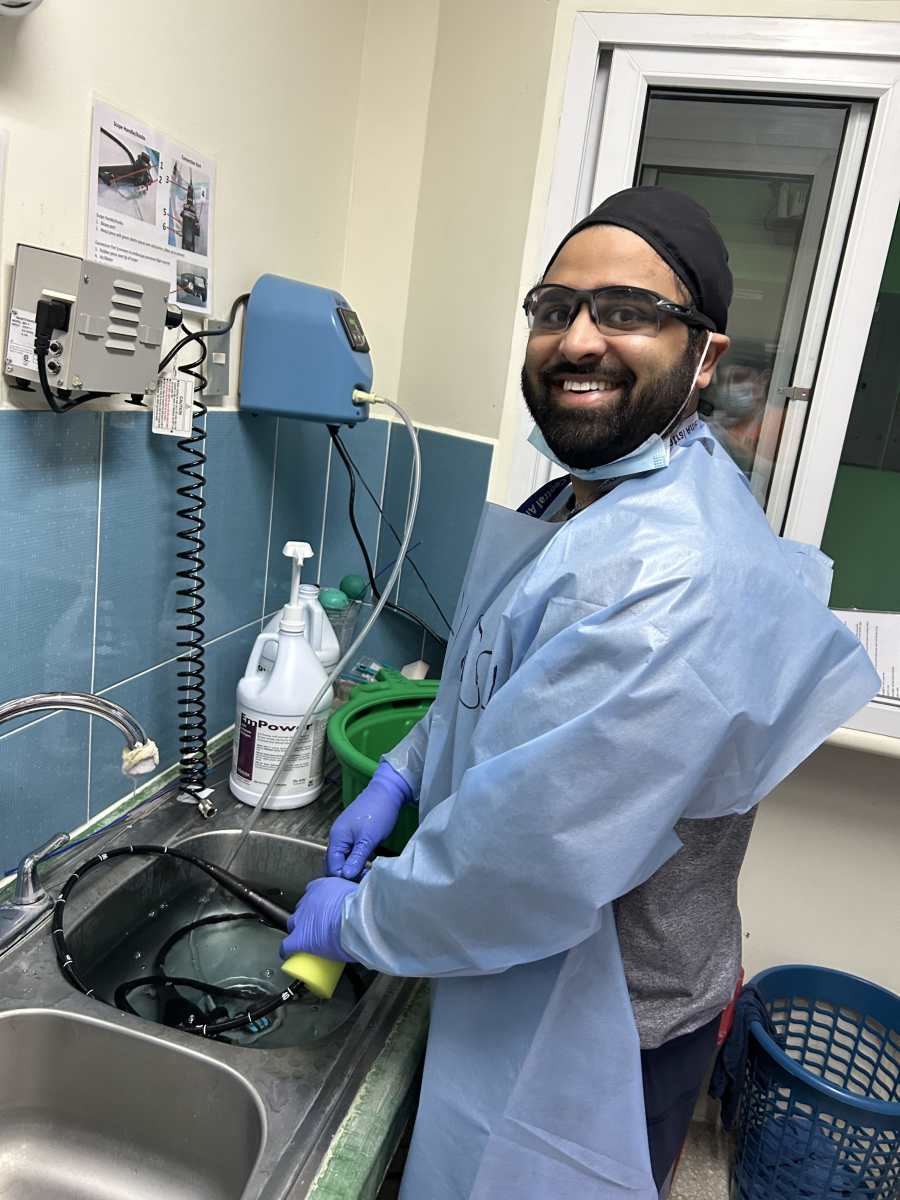

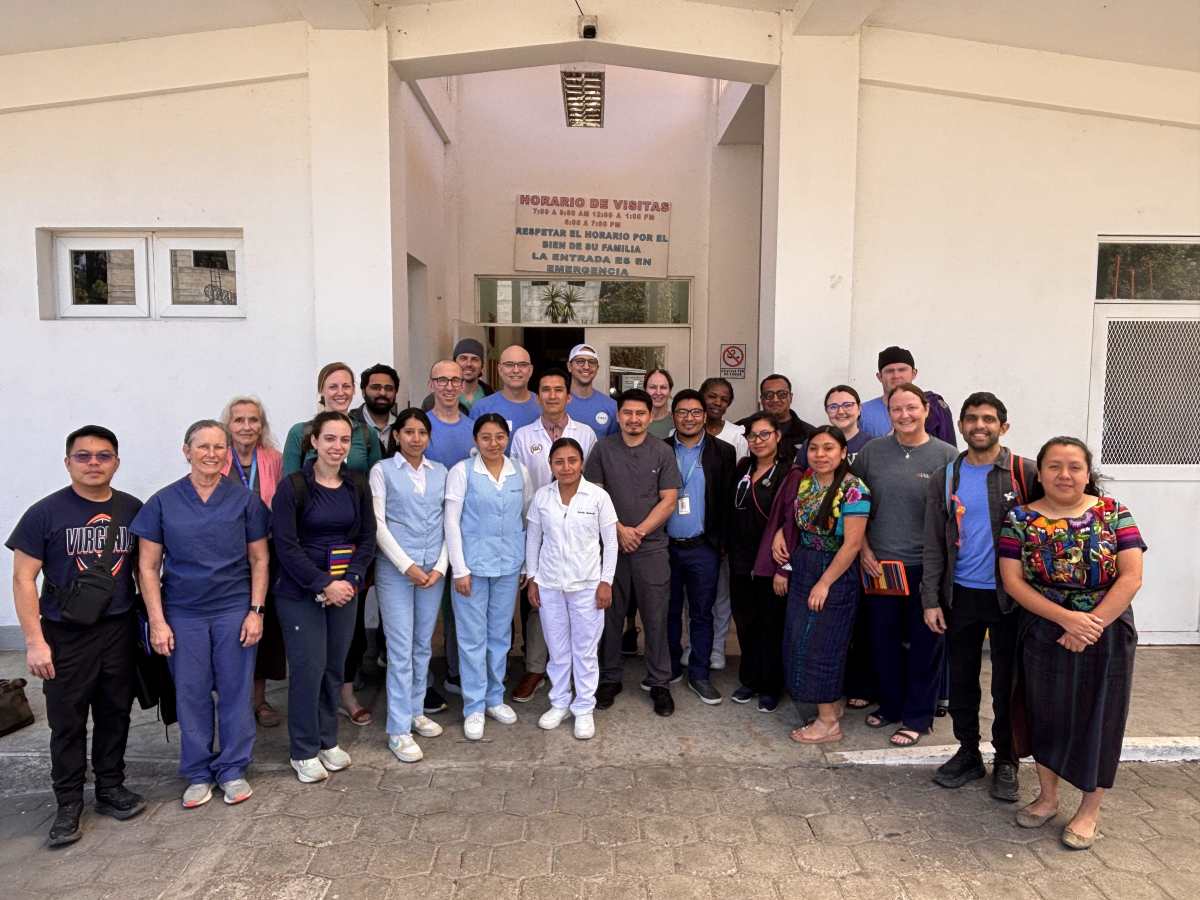


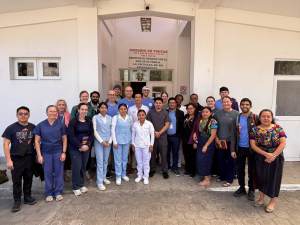
Our recent trip to Atitlán, Guatemala, from January 31 to February 7, 2026, was an extraordinary experience that allowed us to make a meaningful difference in the lives of a community with extensive digestive health needs. The focus of our mission was providing critical gastrointestinal care, including screening for stomach and colon cancers, conducting fibroscans for liver health, and offering consultations for digestive health concerns. Over the course of just one week, our team conducted more than 50 EGDs and colonoscopies, performed over 50 fibroscans, and completed more than 75 patient visits, directly addressing a significant gap in specialized medical care for this underserved population.
The most immediate and profound impact was on the patients themselves. Many of the individuals we served had limited or no prior access to endoscopic or gastrointestinal care. For some, our interventions identified early-stage cancers or other digestive conditions that, if left undiagnosed, could have had severe consequences. The ability to provide timely screenings, diagnostic procedures, and personalized consultations was life-changing for these patients. Beyond the clinical outcomes, our presence brought reassurance, comfort, and hope to people who often face health disparities and barriers to care. The gratitude and trust expressed by the patients we met were humbling and served as a powerful reminder of the human side of medicine. Simple gestures—listening attentively, explaining procedures in detail, and offering guidance for ongoing care—created meaningful connections and eased anxieties, amplifying the impact of our medical work.
The broader Atitlán community also benefited from our efforts. Our team worked closely with local staff, sharing knowledge, training on specialized equipment, and demonstrating procedural techniques. This collaboration not only enhanced the immediate care available to patients but also built capacity for sustained improvements in gastrointestinal health within the community. Local families expressed gratitude for the attention and care they received, while local healthcare providers appreciated the opportunity to learn new skills and integrate additional screening tools into their practice. In this way, our impact extended beyond individual patients to the community as a whole, fostering resilience, empowerment, and ongoing improvement in digestive health care.
One of the most important lessons from our trip was the power of presence and listening. Many patients expressed appreciation not just for the procedures themselves, but for having healthcare providers who took the time to understand their concerns, explain their conditions, and guide them through treatment options. In a community where access to specialized care is limited, simply being present and offering compassionate attention created a profound impact that complemented the clinical care we provided. These interactions underscored the importance of empathy, respect, and trust in medical practice, and reminded us that impactful healthcare is as much about human connection as it is about technology and procedures.
In conclusion, the Guatemala Endoscopy Trip to Atitlán was an experience that impacted a wide spectrum of people. The patients we treated gained access to life-saving screenings, diagnostics, and guidance. The local healthcare providers benefited from shared knowledge and collaborative training. Our team members experienced profound personal and professional growth. And the broader community, including our families and supporters back home, felt the ripple effects of awareness, inspiration, and education. Through this journey, we witnessed firsthand how focused medical care, empathy, and collaboration can create lasting change, leaving an enduring imprint on individuals and communities alike. This trip serves as a testament to the importance of compassionate, equitable, and sustainable healthcare, and to the remarkable difference that a committed team can make in the lives of those who need it most.