
I will be traveling with a team serving Las Obras Sociales Hospital in Antigua, Guatemala that will provide the following services:
general, gynecologic and URO/GYN surgeries.
Despite the fact that universal healthcare exists as a right in Guatemala, the reality is that the general population suffers because the country is severely underfunded and has a low doctor to population ratio. Lack of access and resources as well as low socio-economic status are driving reasons why charitable support is needed to help maintain the health of the population.
As a CRNA on the team, I will be providing anesthesia care to patients during our 5 days running 4 operating rooms at Las Obras hospital.
In addition to providing anesthesia care, I am also planning to assist in the clinic aspect doing triage and intake exams for the surgical patients.
With a population of 18 million people, half of Guatemalans live in poverty and ten percent live in extreme poverty. Wealthier residents of Guatemala are often able to access the healthcare they need through the private sector while impoverished Guatemalans are subject to the public system which lacks resources and funding. In addition to income inequality, Guatemalans who are Mayan and part of indigenous populations often lack access due to not only poverty, but language barriers and discrimination that will prevent them form getting the care they need. Our group, with a team including translators, will help to provide needed access to these people.
Guatemala has actually made progess toward achieving better health for its population in the last 20 years. Markers indicating the health of a population such as maternal mortality and deaths from preventable causes are improving. Each small step toward improving the quality of life in the most populous country in Central America will have impacts that spread across the region. Guatemala is a country with promise, and keeping the population healthy is one small step to ensuring it's success as a peaceful and stable bedrock of Central America.
Our group will succeed in performing 80-100 necessary surgeries over the 5 days we will have access to Las Obras Hospital. Surgeries like hernia repair or correction of uterine prolapse can be life changing for people. For many, this means the ability to simply go back to work, for others this means decreasing the risk of preventable complications that can result in premature death from things like incarcerated hernias.
I appreciate the opportunity to travel and work in Guatemala. The population of Guatemalan people in Oregon (where I live) has more than doubled from 2010-2020 and continues to increase. As I take care of Guatemalan patients in my practice, it is important that I provide sensitive, culturally competent care. I find that having the experience of being immersed in the culture and providing care in that environment, I become better equipped to understand the subtle elements that encompass true cultural sensitivity. When an immigrant receives culturally competent care, they are more likely to continue seeking care and seek out care for their family as well. This will impact not only the individual family, but will have a ripple effect that spreads to their community and the population at large. The health of each individual always has an impact on society, and my aim is to help society through providing sensitive, culturally competent care.
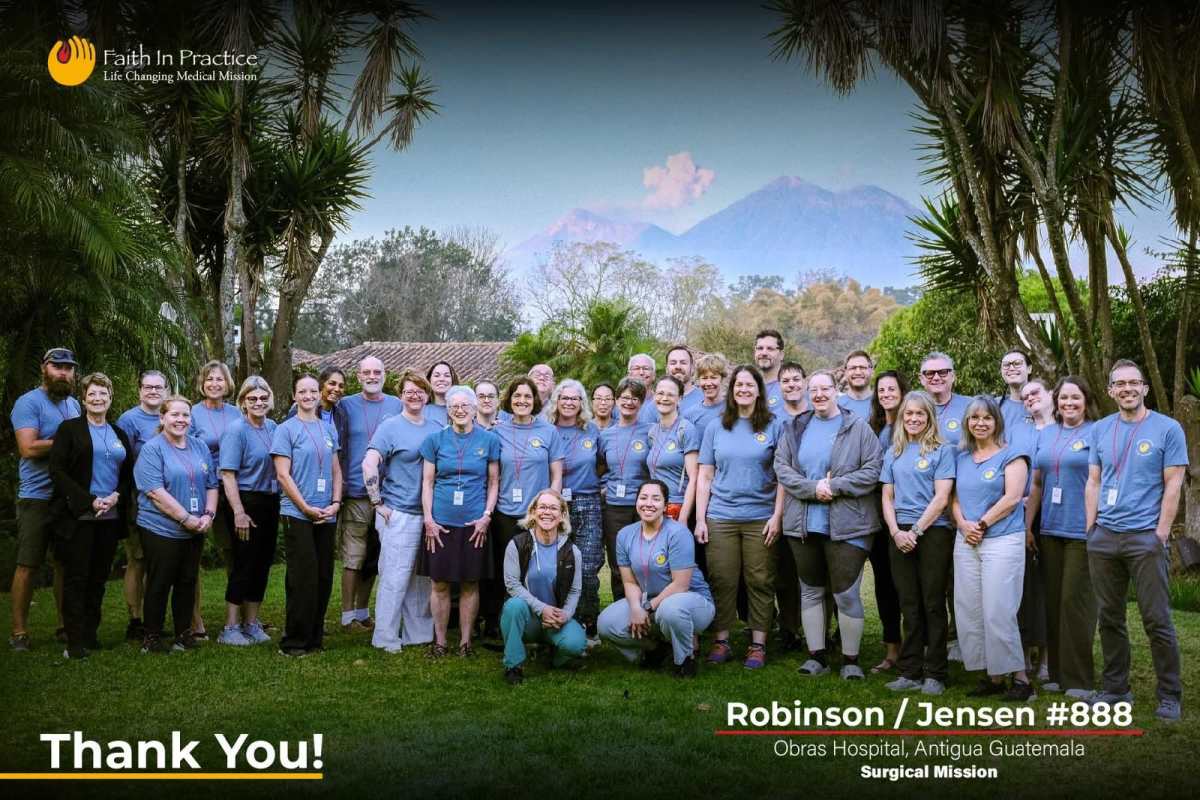


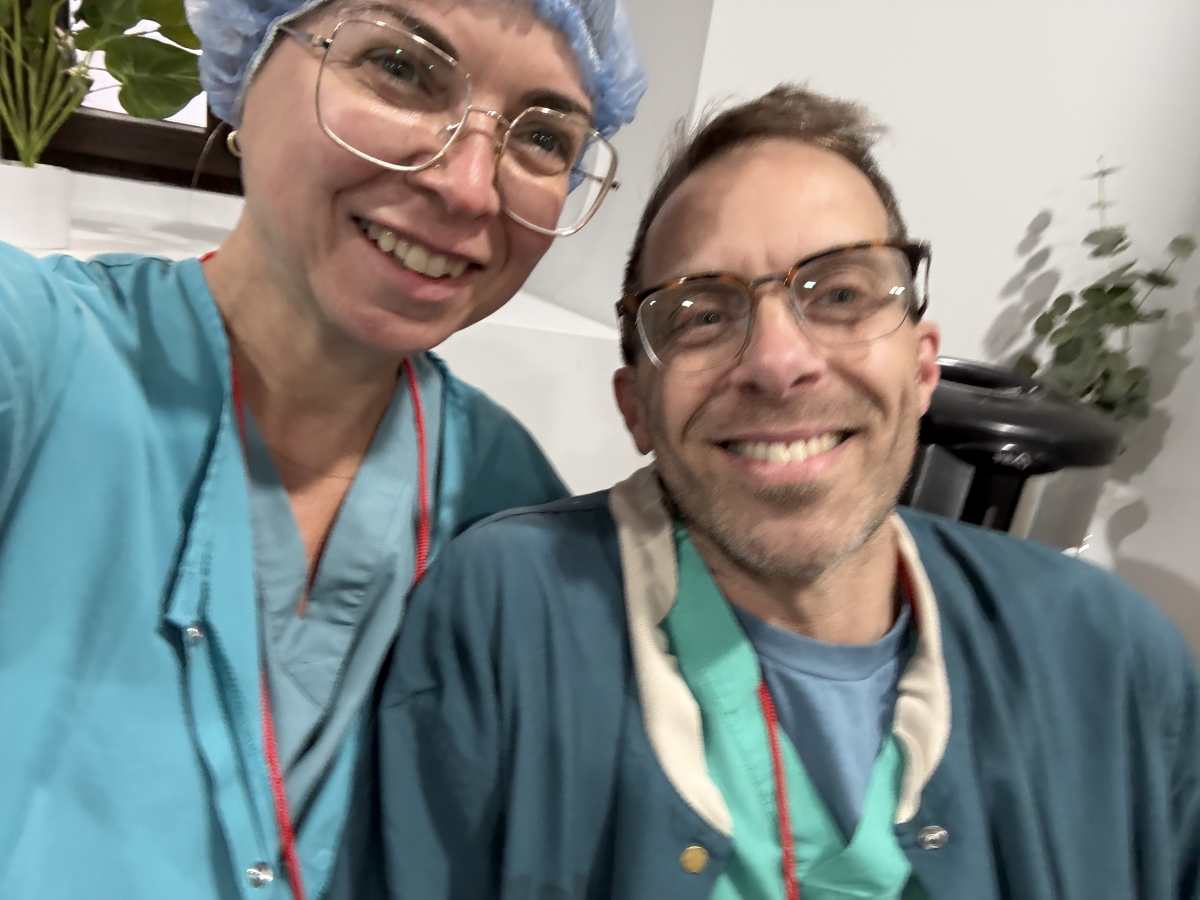


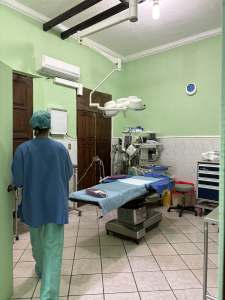

The work started on Sunday when we set up the five operating rooms we would be using and doing almost 80 pre operative evaluations. The team included two general surgeons, two OB GYN surgeons and a dental surgeon. We had seven anesthesia providers, about a dozen nurses, and of course scrub techs, support staff and translators. We took care of almost 80 patients who came from all over Guatemala for hernia repairs, gallbladder removal, hysterectomies and dental care. Many of our patients travelled over 13 hours to come to come to us for care. The regular hospital staff were gracious hosts and hard working. By the end of the workweek, our team had helped 80 patients, many of whom had waited years for care. Thankfully, the week was uneventful and there were no complications. I am grateful to have had the opportunity to care for these patients.