During my time in Moshi, Tanzania, I will work at Kilimanjaro Christian Medical Centre (KCMC) on the pediatric ward, with a focus on the pediatric oncology service. This project aims to strengthen pediatric care delivery through direct patient interaction, collaboration with local and international physicians, and outreach to underserved rural communities.
At KCMC, I will participate in daily rounds and clinical decision-making alongside Tanzanian healthcare providers and visiting clinicians from diverse global backgrounds. This will facilitate a valuable exchange of knowledge and clinical approaches, particularly in adapting pediatric care to resource-limited environments. Through this collaboration, I hope to contribute to patient care while learning sustainable, context-sensitive strategies that can be shared with colleagues at home.
Beyond the hospital, I will join mobile health teams that travel to surrounding villages to provide medical screening and treatment for children who face barriers to accessing care. These visits will help identify cases requiring follow-up and provide preventive services, supporting ongoing local efforts to improve child health outcomes.
This project will make a difference by reinforcing capacity within the existing healthcare system and expanding access to pediatric care for vulnerable populations. It will also build cross-cultural partnerships that promote ongoing dialogue and shared learning between global and local providers. The experience will directly inform my future work in pediatric hematology-oncology, shaping a career committed to equity, collaboration, and sustainable global health engagement.
This project will serve pediatric patients and families receiving care at Kilimanjaro Christian Medical Centre (KCMC) in Moshi, Tanzania, as well as children in surrounding rural communities with limited healthcare access. KCMC is a regional referral hospital for northern Tanzania and neighboring countries, caring for children with complex conditions—including cancer, malnutrition, infectious diseases, and hematologic disorders—within a resource-limited setting.
Children in this region often face delayed diagnosis and treatment due to geographic, financial, and systemic barriers. Pediatric oncology patients are especially vulnerable, as effective cancer care depends on early recognition, coordinated multidisciplinary management, and consistent follow-up—all difficult to achieve in rural areas. By working on the pediatric ward and oncology service, I will contribute to patient care while learning from clinicians who have developed innovative, context-appropriate solutions to these challenges.
Outreach visits to remote villages will extend the project’s reach, providing essential screening and primary care to children who might not otherwise see a healthcare provider. These efforts improve access to care and help identify children needing referral and treatment at KCMC.
This population was chosen because of the high burden of pediatric illness in northern Tanzania and the need to strengthen systems that ensure timely, equitable care. Serving these children offers a meaningful opportunity to support local healthcare efforts while deepening my understanding of global disparities in child health—insights that will guide my long-term commitment to improving care for vulnerable pediatric populations worldwide.
This experience is expected to have both an immediate and lasting impact on pediatric care delivery and on my development as a future pediatric hematology-oncology physician. In the short term, my presence at Kilimanjaro Christian Medical Centre (KCMC) will contribute to the local clinical team’s efforts to deliver high-quality, compassionate care for children facing acute and chronic illnesses. Through bedside care, interdisciplinary collaboration, and outreach to rural communities, I aim to help strengthen continuity of care and broaden access for children who might otherwise go untreated.
Equally important is the reciprocal learning that this experience will foster. Working alongside Tanzanian physicians and healthcare providers will deepen my understanding of innovative, resource-conscious approaches to diagnosis and treatment—skills that are increasingly relevant even in high-resource settings. I anticipate gaining valuable insight into the cultural, social, and systemic factors that influence pediatric health, and into the resilience and adaptability required to provide effective care with limited resources.
Upon returning home, I plan to share these lessons with my peers and mentors through presentations and discussions within my residency program. By integrating these experiences into future research, quality improvement, and educational initiatives, I hope to promote a broader awareness of global child health disparities and the creative strategies used to overcome them.
Ultimately, this project will shape my professional identity as a clinician who values equity, collaboration, and sustainability. The skills and perspectives gained in Moshi will inform not only how I care for children with cancer and complex illnesses but also how I approach systems-based challenges in pediatric healthcare—helping me contribute meaningfully to both local and global efforts to improve outcomes for children.
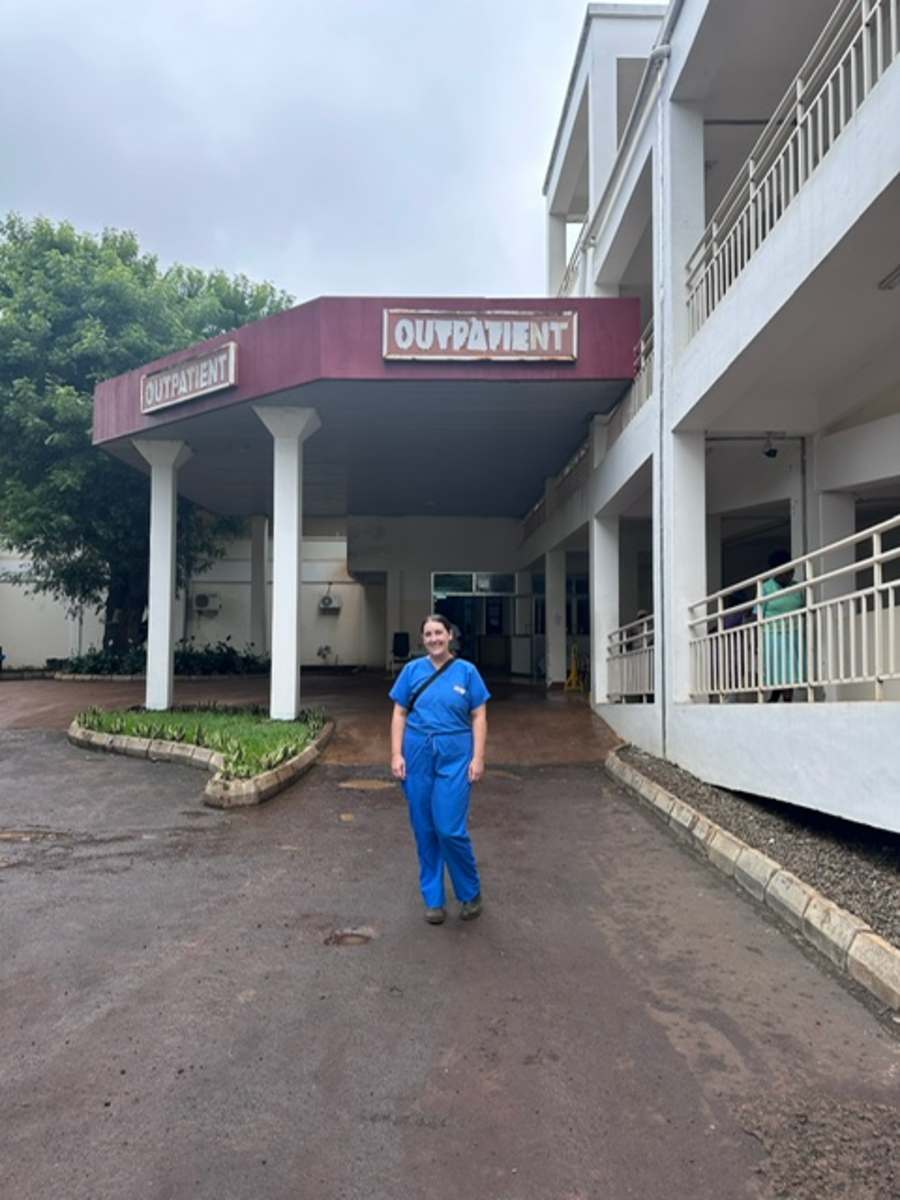


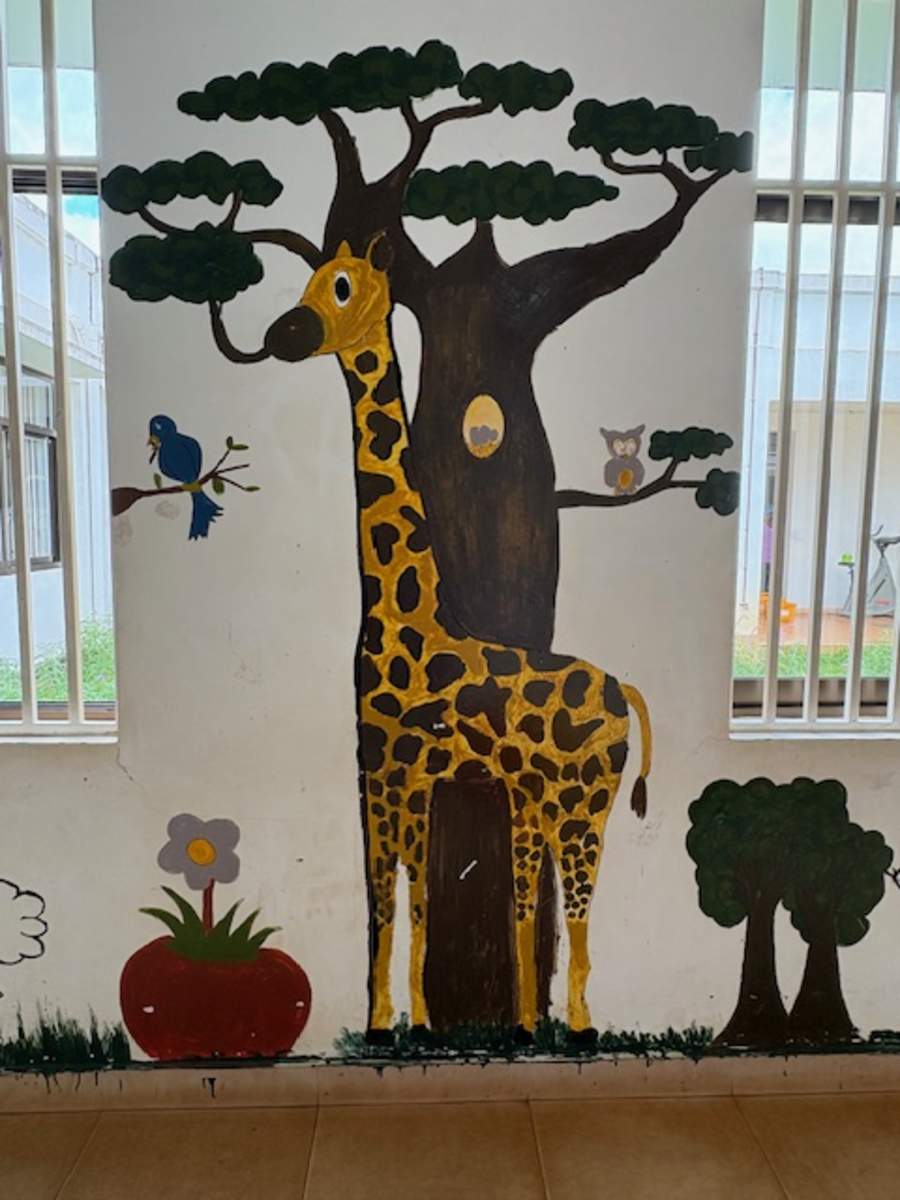


During my global health elective at Kilimanjaro Christian Medical Centre in Moshi, I had the opportunity to work alongside the pediatric teams on both the general inpatient pediatric ward and the pediatric oncology ward. While I initially traveled hoping to contribute clinically and continue learning as a pediatric resident preparing for fellowship in pediatric hematology-oncology, the greatest impact of the experience came through the relationships formed with patients, families, and the healthcare teams who welcomed me into their daily work.
On the general pediatric ward, I cared for children with a wide range of illnesses including severe infections, malnutrition, sickle cell disease, respiratory illnesses, and neurologic conditions. Many patients traveled long distances to reach care, and families often remained at the bedside around the clock. Despite limited resources, I witnessed extraordinary resilience and dedication from caregivers and staff alike. While language and cultural differences sometimes posed challenges, compassion consistently bridged those gaps.
My time on the pediatric oncology ward was particularly impactful as I prepare to enter a pediatric hematology-oncology fellowship. I worked alongside local physicians and residents caring for children with leukemia, Burkitt lymphoma, Wilms tumor, and other malignancies. Many families faced significant barriers to care, including transportation difficulties, delayed diagnoses, and financial strain, yet they demonstrated incredible strength and trust in the medical team. I was deeply moved by the courage of the children and their parents, especially during prolonged hospitalizations and difficult treatment courses. The experience reinforced the universal nature of pediatric cancer care — regardless of setting, families seek hope, honesty, and compassion from their healthcare providers.
Beyond patient care, one of the most meaningful aspects of the trip was the relationships built with the Tanzanian residents, nurses, social workers, and attending physicians. They generously shared their knowledge, perspectives, and experiences navigating pediatric care in a resource-limited environment. I learned as much from them as I could have hoped to contribute clinically. The nurses demonstrated remarkable attentiveness and advocacy for their patients, often managing immense workloads with empathy and grace. The social workers played an essential role in helping families navigate logistical and emotional challenges surrounding hospitalization and cancer treatment. Working alongside the pediatric residents fostered friendships and professional connections that made the experience especially memorable. Despite differences in training environments and available resources, we shared the same commitment to caring for children and supporting families through illness.
This experience broadened my understanding of global pediatric healthcare while also reaffirming why I chose pediatrics and pediatric oncology. The trip’s impact extended far beyond medical learning; it highlighted the importance of humility, collaboration, and human connection in caring for children.