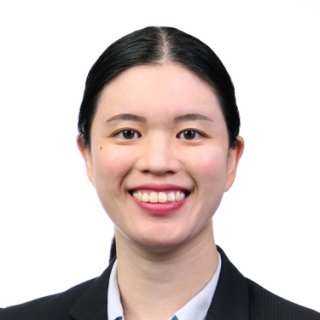
As a native Thai physician trained in Thailand, I had the privilege of serving my countrymen and neighboring populations, including the Lao people, during my 4 years of clinical practice in Thailand. The Lao people hold a special place in my heart; we share a mutual understanding of our languages, and my family is from Udon Thani, a province in northeast Thailand, only 50 miles from the Laos border.
Now, as an internal medicine resident at the University of Minnesota, I am excited to partner with The Health Frontiers Laos Project. A faculty member of mine has been a steadfast advocate for medical education in Laos for a decade, helping establish pediatric and internal medicine residencies that have trained ~500 graduates to date. My personal experience, including caring for an uninsured Lao toddler with acute leukemia in 2020 who, to my knowledge, had no treatment options in either Thailand or Laos. I am interested in specializing in hematology and oncology. I hope to leverage this opportunity and my current affiliations with the University of Minnesota and Siriraj Medical School in Thailand to foster future collaborations and improve patient care in Laos.
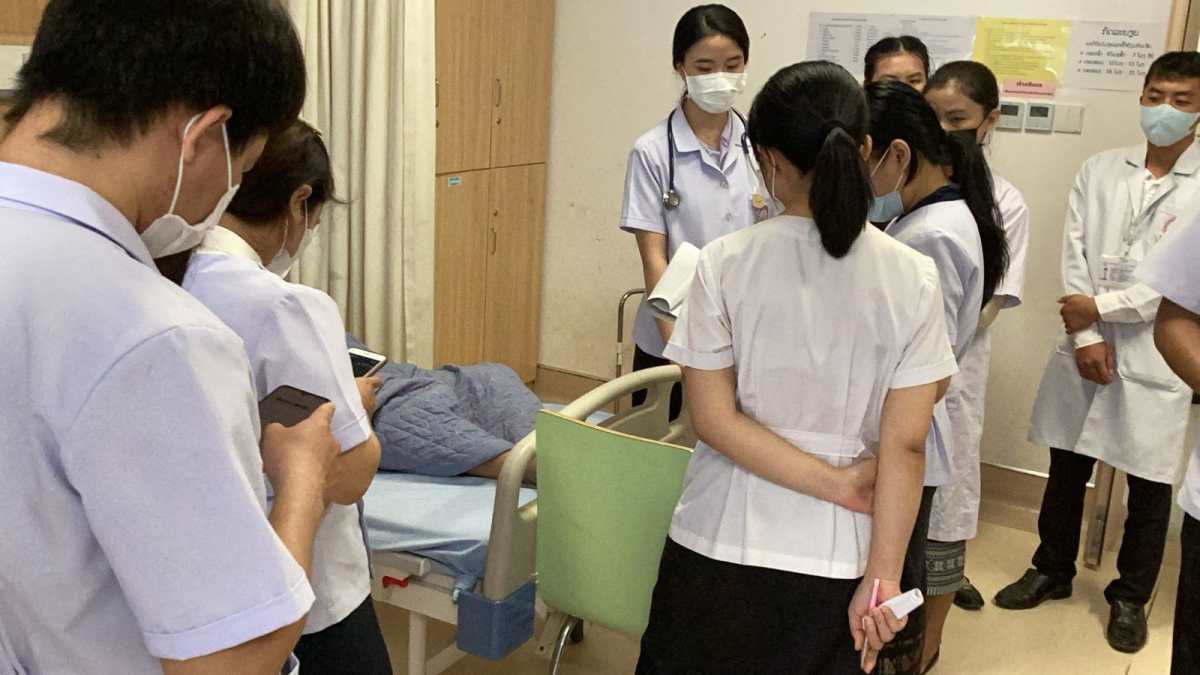
I will round on hematology-oncology wards at Mahosot Hospital and Mittaphab Hospital in Vientiane through the University of Health Sciences, Lao PDR, where I will work directly with internal medicine residents. We will discuss complex clinical cases in either English, Lao, or Thai, working alongside local doctors and my faculty advisor. I will spend most of my time on the wards, comparing medical cultures and exchanging ideas on clinical practice and learning.
Finally, I will work to enhance digital resources and access to AI tools for Lao residents and fellows. For instance, I can share UpToDate through Better Evidence Uptodate, which provides free access to UpToDate in low-resource settings.
Vientiane, the capital of Laos, has a population of about one million people. My direct work will primarily serve adults in the capital. As Mahosot and Mittaphab are major referral and cancer centers, this project has the potential to serve up to the eight million people of Laos. The doctors trained will go on to work throughout the region, sharing their knowledge with local providers nationwide. According to a 2022 WHO report, Laos had over 9,000 new cancer cases, with the most prevalent cancers being liver, lung, and colorectal in men, and breast, liver, and cervical in women.
Adults with hematologic and oncologic illnesses will benefit from increased collaboration between Lao hematologists and oncologists and myself. As I speak a regional language, I can serve as a contact point between the University of Minnesota and Siriraj Hospital, my medical school in Thailand. My commitment is to maintain a long-term relationship that will ultimately improve cancer care for Lao people across all socioeconomic statuses. Additionally, enhancing access to digital resources will support the training of medical students and residents and help practicing doctors provide better clinical care for all patients.
During my rotation, I anticipate working with Lao residents and clinical educators to help improve clinical care and medical education. With my experience practicing in both the U.S. and Thailand and my ability to communicate in the local language, I hope to offer ideas that can improve health care in the future. I also hope to build lasting relationships with local residents and doctors, leading to long-term academic collaboration that can improve the quality of hematology and oncology care in Laos.
One of my key goals is to help medical trainees and doctors apply for free UpToDate access through the Better Evidence program. Last year, my faculty was able to set up about ten accounts. I can also introduce them to other valuable free resources, including the AI tool Open Evidence and long-standing resources like Medscape and MDCalc. By enhancing digital resources, we can improve medical education for students, residents, and fellows and provide doctors with a sustainable tool to improve their clinical decision-making.






1. Clinical Education and Evidence-Based Practice
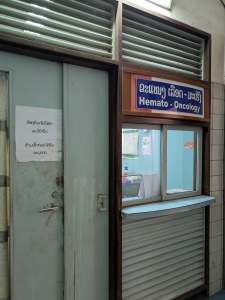
During my four weeks as an internal medicine resident in the Hematology-Oncology clinic, my primary focus was the empowerment of local trainees. I recognized a gap between clinical intuition and available literature; to address this, I facilitated the setup of UpToDate through the Better Evidence organization for the local residents. By training them on how to integrate real-time clinical queries with evidence-based databases, I helped establish a more rigorous diagnostic framework. This transition ensures that the residents have the autonomy to pursue high-level medical knowledge independently, fostering a culture of lifelong learning that persists beyond my rotation.
2. Technical Resource Optimization
In resource-limited settings, the longevity of medical equipment is as vital as the supplies themselves. On the internal medicine wards, I took the initiative to troubleshoot and recalibrate the portable ultrasound (US) probe, a critical tool for bedside diagnostics and procedures. By addressing the frequent technical glitches that had previously hindered its use, I restored a vital diagnostic capability to the ward. This allowed directly improving patient safety during procedures like thoracentesis and paracentesis.
3. Bridging Perspectives: The US-Thai-Lao Nexus
My background as an international medical graduate from Thailand, currently training in the United States, allowed me to serve as a unique cultural and clinical intermediary. I provided commentary on clinical practices by comparing the high-resource protocols of the US with the regional realities I understood from my experience in Thailand.
Culturally Congruent Care: Because of the linguistic and cultural similarities between Thailand and Laos, I could communicate nuances in treatment plans that helped local attendings adapt Western oncological guidelines into actionable, local strategies.
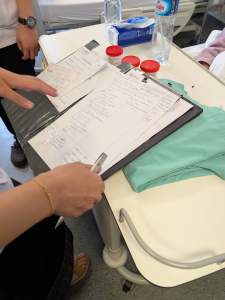
Collaborative Case Reviews: I worked alongside local residents to review complex cases, offering a "third way" of thinking that prioritized the most effective treatments available within the local supply chain.
4. Strategic Networking and Future Collaboration
Recognizing that global health impact requires sustained effort rather than a one-time visit, I dedicated significant time to professional relationship-building. I met extensively with: 3 adult hematologists, 2 pediatric Hematologists, and 2 and the only 2 medical oncologists.
Through these meetings, we discussed the specific challenges of treating malignancies in Laos, such as access to pathology staining and molecular testing. I have connected them with my friend, who is an oncologist in Boston, who is interested in cholangiocarcinoma, which is very prevalent in Laos. I hope that when I return to Thailand, I will continue to foster these collaborations, including training a future Laos trainee in Thailand.