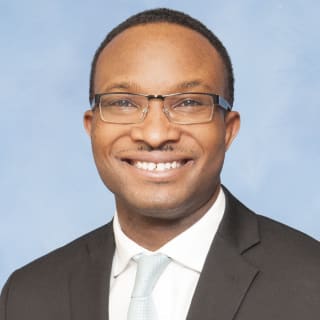
Rwanda has only 13 consultant urologists serving a population of approximately 14 million. Recognizing this workforce shortage, the government has launched an ambitious plan to expand surgical capacity and increase the number of trained urologists over the next four years. Medical student interest in urology has grown substantially, with the residency program now training nearly 30 residents—a major expansion achieved in a short time. During an initial exploratory visit that took place from August 24 to September 2, 2025, I and my colleague were able to assess current resources, clinical needs, and training infrastructure, and in co-developing a roadmap for a future urologic oncology fellowship program. This first visit confirmed the presence of a committed surgical workforce, well-structured training program, and a strong institutional desire to advance urologic oncology capabilities through targeted mentorship, surgical training, and collaborative research. The goal of the next trip to host a prostate cancer early detection workshop, train the local urologists on performing prostate biopsies, and convene a meeting to discuss the structure of a 2 year fellowship in urologic oncology.
Rwandan population of approximately 14 million. They currently only have 13 urologists and no urologic oncologists. By helping develop a fellowship training program in urologic oncology, the Rwandans can have access to high quality urologic oncology care.
This trip will set the stage for developing a longitudinal fellowship in urologic oncology. I will be alternating with other faculty to support this training program to ensure sustainability.



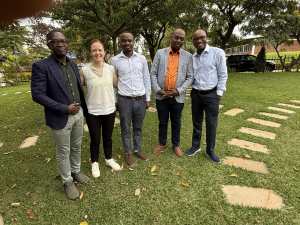
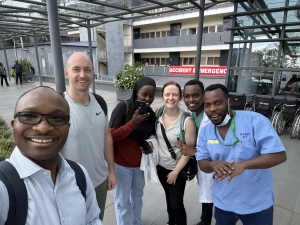

Medical Mission Recap — King Faisal Hospital, Kigali, Rwanda | February 2026
Some experiences stay with you. This was one of them.
In February 2026, I had the privilege of traveling to Kigali, Rwanda, as part of a urologic oncology mission at King Faisal Hospital — one of the country’s leading referral centers. What I found there was not what I expected. I expected to give. I left having received just as much.
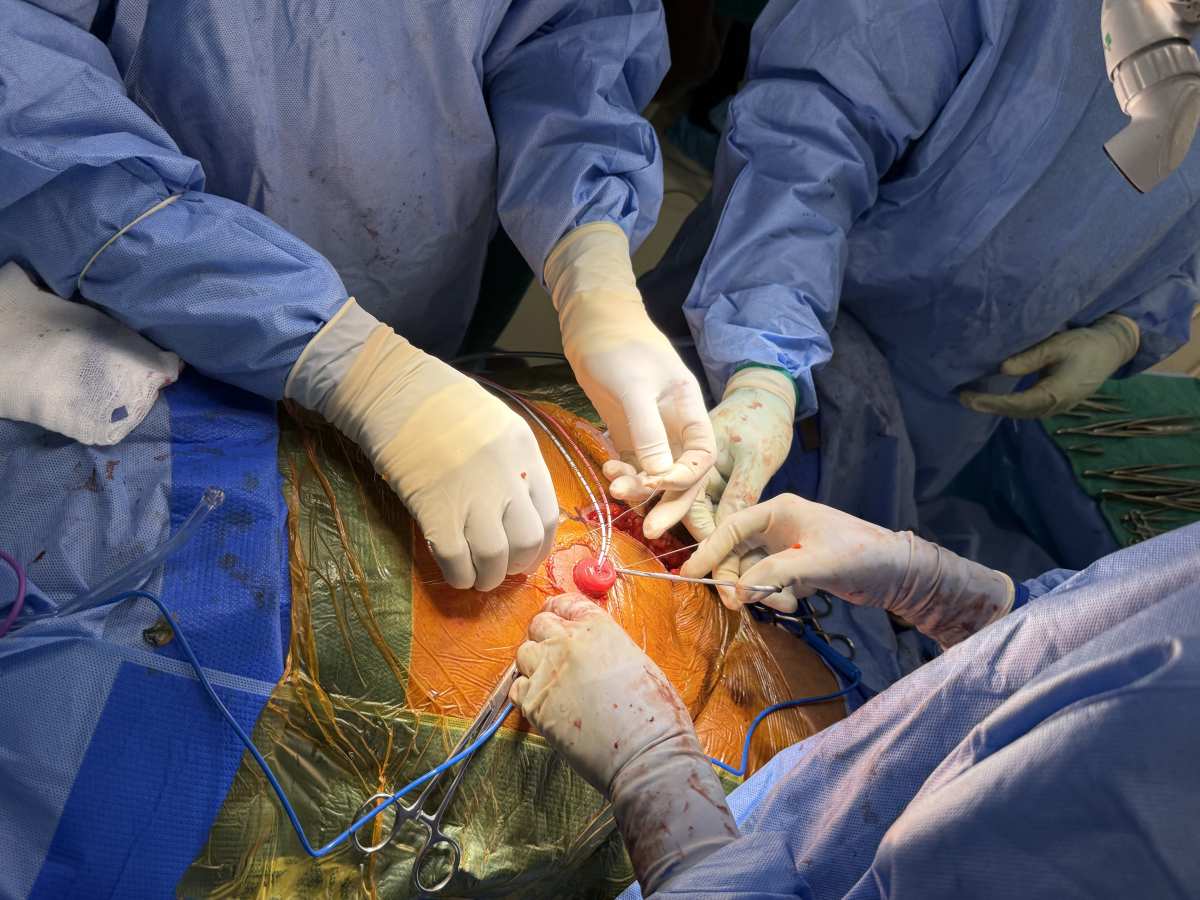
In the operating room. Over the course of the week, our team performed radical cystectomies, nephrectomies, and partial cystectomies alongside Rwandan surgical colleagues. These are complex, hours-long procedures that require experienced hands, advanced instrumentation, and coordinated teams. Watching Rwandan surgeons and trainees engage with cases they rarely have the resources or volume to perform routinely was humbling. Each operation was a chance to learn from each other — not just to transfer skills in one direction.
In the clinic. We saw patients across a range of presentations, many at more advanced stages than I typically encounter in Ann Arbor — a reflection of the diagnostic delays and resource constraints that are part of the reality of cancer care in sub-Saharan Africa. We performed prostate biopsies, counseled patients, and worked alongside local physicians who do extraordinary work with extraordinary limitations. The weight of unmet need was real. So was the resilience of the people in front of us.
In the classroom. Teaching urology residents was among the most rewarding parts of the trip. These are sharp, motivated physicians who are hungry for mentorship and knowledge. I left those sessions energized — reminded of why training the next generation matters as much as any single surgery.
A historic moment. The week culminated in the first-ever Rwanda Urological Association Annual Symposium, held on February 6 at the Lemigo Hotel in Kigali. The theme — “Urogenital Cancers in Rwanda: Understanding the burden for efficient intervention” — set exactly the right tone. Watching Rwandan urologists come together to define their own agenda for the future of the specialty in their country was something I will not forget. I was a guest in a room full of people building something.
What this trip changed in me. I came to Rwanda as a urologic oncologist from a well-resourced academic medical center. I returned with a sharper sense of the privilege embedded in that position — and a renewed commitment to using it in service of others. Access to surgical care and cancer treatment should not be determined by geography. Missions like this are one small step toward closing that gap. I am grateful to the Dox Foundation for making it possible, and to the team at King Faisal Hospital for welcoming us with such generosity and openness.

