Through the Shekinah Global Healthcare Foundation, our team of volunteer physicians, surgeons, nurses, and healthcare professionals will embark on a medical mission to Ogun State, Nigeria, to provide free, high-quality surgical and medical care to underserved populations. Our plan includes performing a wide range of surgical procedures—such as inguinal, umbilical, and ventral hernia repairs, excision of lipomas and breast lumps, and other general surgical operations—completely free of charge. In addition to surgical services, we will offer primary care consultations, distribute essential medications, and provide health education on preventive care, hygiene, and chronic disease management.
We will continue our strong collaboration with local Nigerian surgeons and healthcare staff, working side by side to ensure continuity of care and capacity building. During our last mission, we successfully performed over 120 surgeries and treated hundreds of patients with various medical conditions. This year, we aim to expand our outreach to even more communities, increasing the number of patients treated and surgeries performed by improving logistical coordination, increasing volunteer participation, and securing more medical supplies.
The mission will make a lasting difference by addressing the significant gap in access to surgical and medical services among low-income individuals who would otherwise go untreated. Beyond direct patient care, our partnership with local hospitals will strengthen surgical training, enhance teamwork, and promote knowledge exchange. Ultimately, this initiative will not only alleviate suffering and restore health but also contribute to the long-term strengthening of the healthcare system in Nigeria, empowering local providers and uplifting entire communities.
The primary beneficiaries of our project are the underserved and economically disadvantaged residents of Ogun State, Nigeria—particularly those living in rural and semi-urban communities with limited access to quality healthcare. Many individuals in these regions suffer from treatable medical and surgical conditions such as hernias, breast lumps, goiters, lipomas, and other ailments that often go unattended due to financial constraints, inadequate healthcare infrastructure, and shortage of trained specialists. For many families, the cost of a simple surgical procedure or basic medications is far beyond their means, leading to chronic pain, disability, and even preventable deaths.
This population has been carefully selected because the need is both great and urgent. Ogun State faces a significant healthcare access gap—particularly in surgery and primary care. Rural hospitals are often under-resourced, with limited surgical capacity and essential supplies. By focusing on this area, we are reaching those most at risk and most likely to experience life-changing improvements through timely intervention.
In addition to direct patient beneficiaries, the mission will also support local healthcare providers, including surgeons, nurses, and medical students, who will gain valuable hands-on training and exposure to new techniques through collaboration with our international volunteer team. This transfer of knowledge helps build local capacity and ensures continuity of care after the mission concludes.
Ultimately, this project will benefit not only individual patients but entire families and communities. Restoring health enables breadwinners to return to work, children to attend school, and families to thrive. By alleviating preventable suffering and strengthening local healthcare systems, our mission will have both immediate and lasting impact on the wellbeing and productivity of the people of Ogun State.
The expected impact of our mission extends far beyond the number of patients treated or surgeries performed. In the short term, we anticipate providing life-changing surgical and medical interventions to hundreds of individuals who otherwise would have no access to such care. Conditions like hernias, breast lumps, lipomas, and other surgical diseases will be corrected, restoring health, dignity, and productivity to those affected. Free medications, diagnostic services, and health education will further improve community wellness and reduce preventable illnesses.
Beyond immediate relief, the mission will leave a lasting footprint through capacity building and sustainable collaboration. One of our primary goals is to strengthen local healthcare systems by working closely with Nigerian surgeons, nurses, and hospital teams. Together, we will perform surgeries, share best practices, and exchange techniques in perioperative care, sterile processes, and patient safety. This partnership ensures that knowledge is transferred, not just care delivered.
After our return, the relationships and systems we’ve established will continue to bear fruit. We maintain ongoing communication with local healthcare professionals to support follow-up care, case discussions, and mentorship. We also plan to evaluate outcomes, collect data on patient recovery and community health improvements, and use those insights to refine future missions for greater efficiency and reach.
Ultimately, the impact of this mission will be measured not only in numbers but in transformed lives, empowered healthcare workers, and strengthened institutions. The lessons learned will guide future missions, expand our collaboration network, and continue to inspire sustainable healthcare development across Nigeria and other underserved regions.
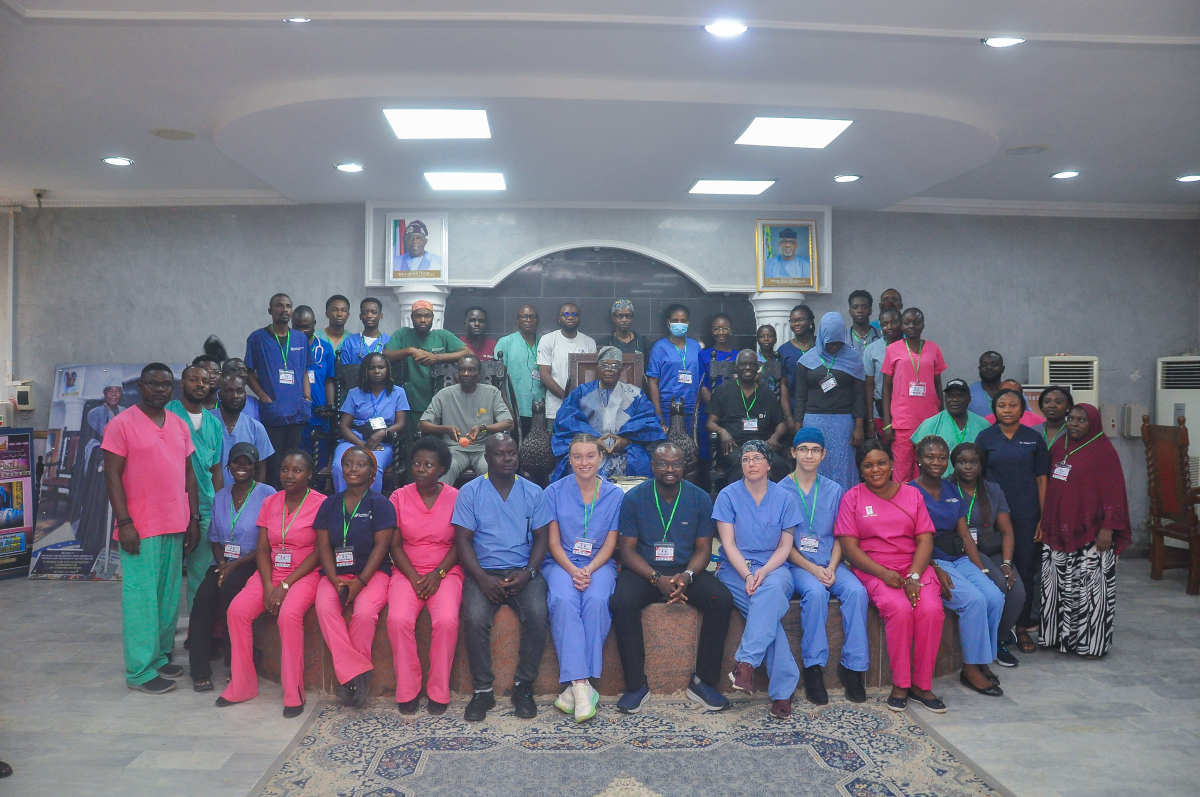
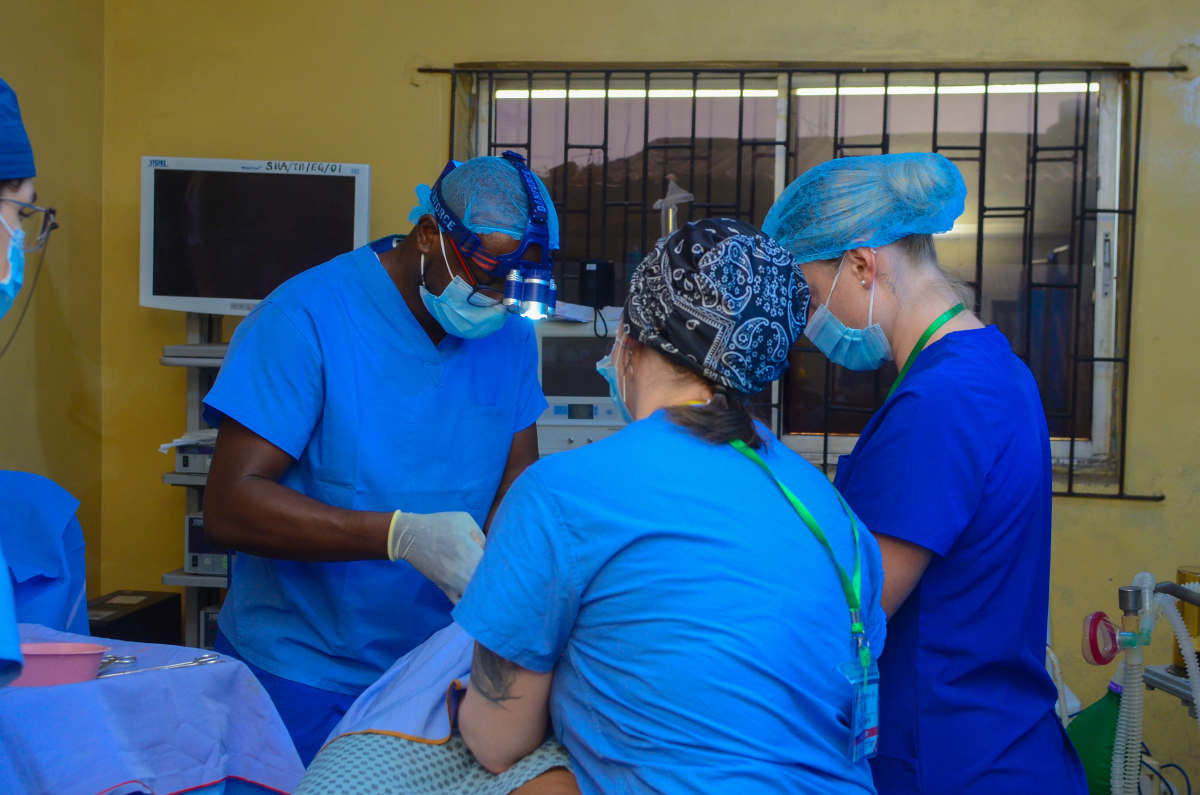
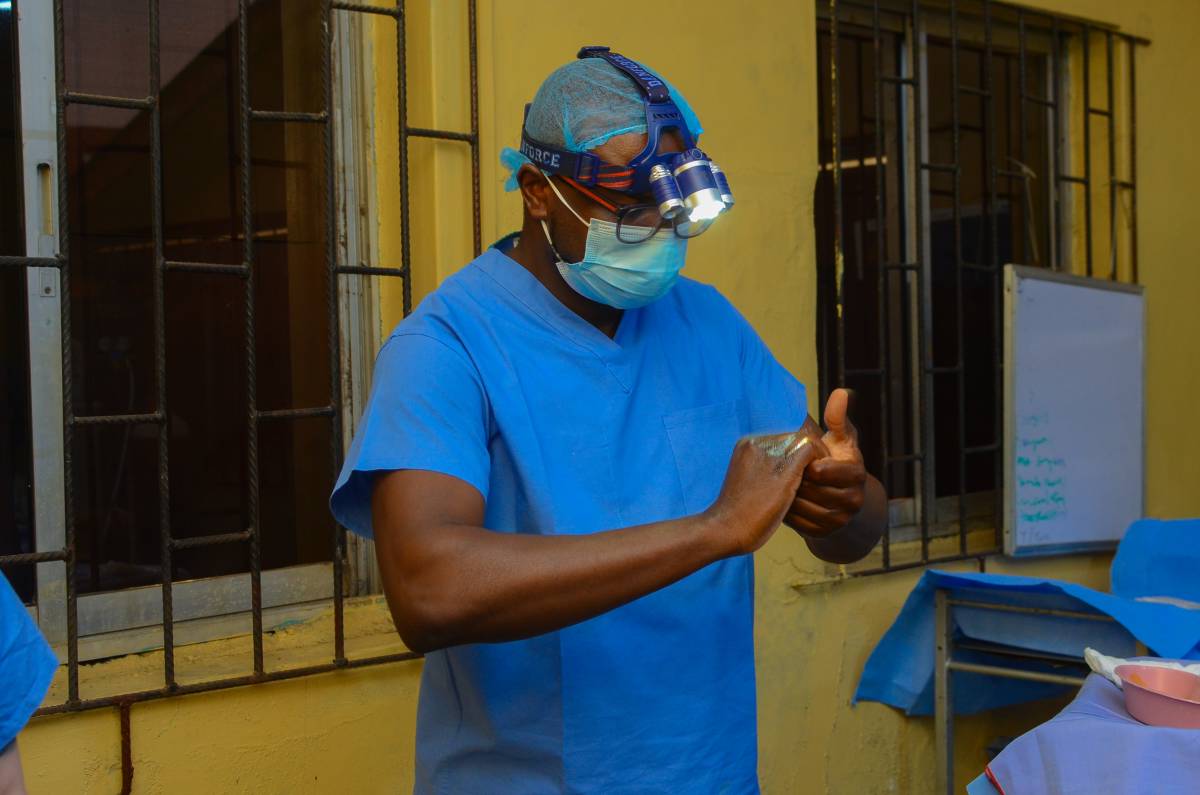
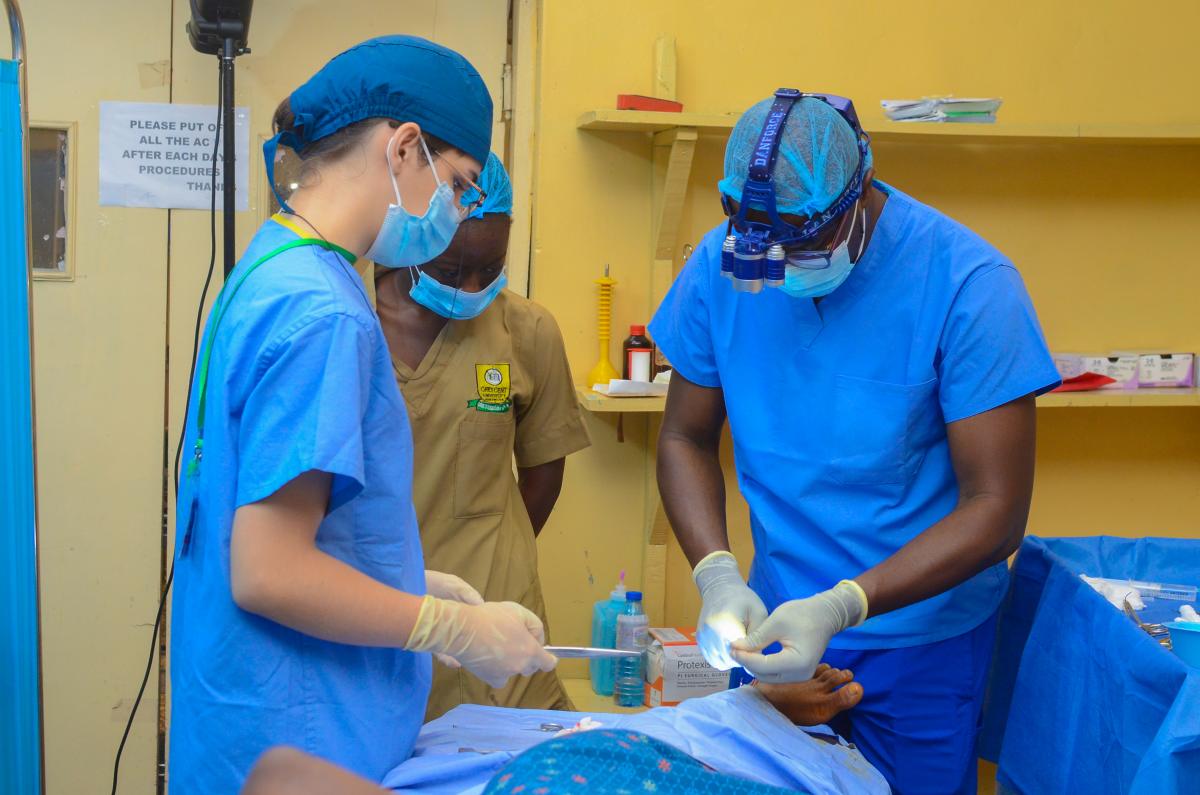
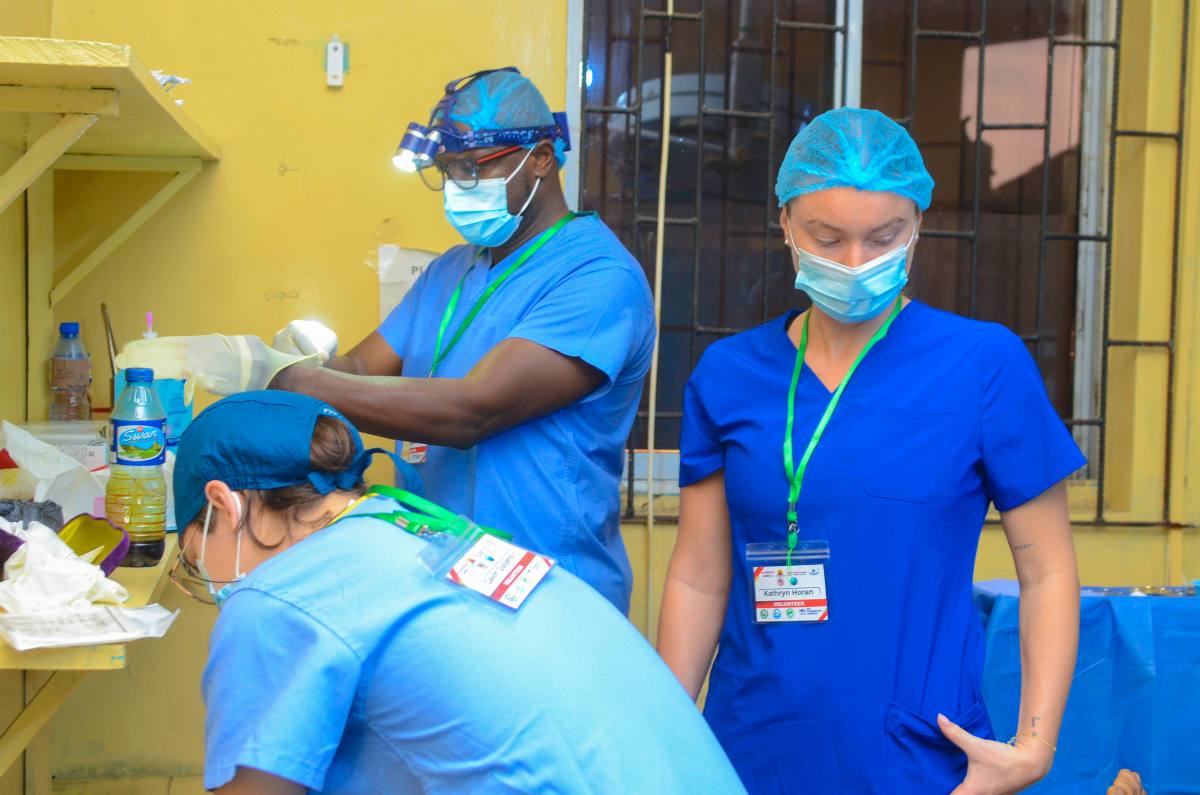
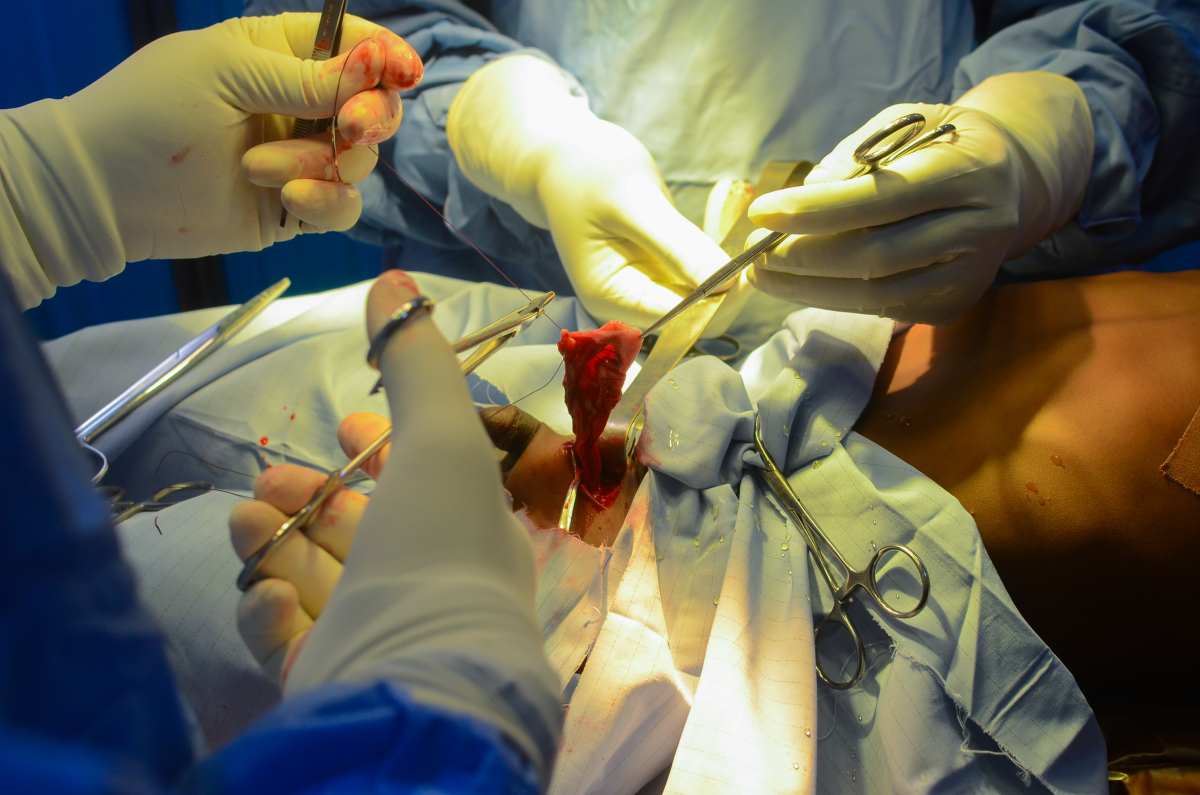
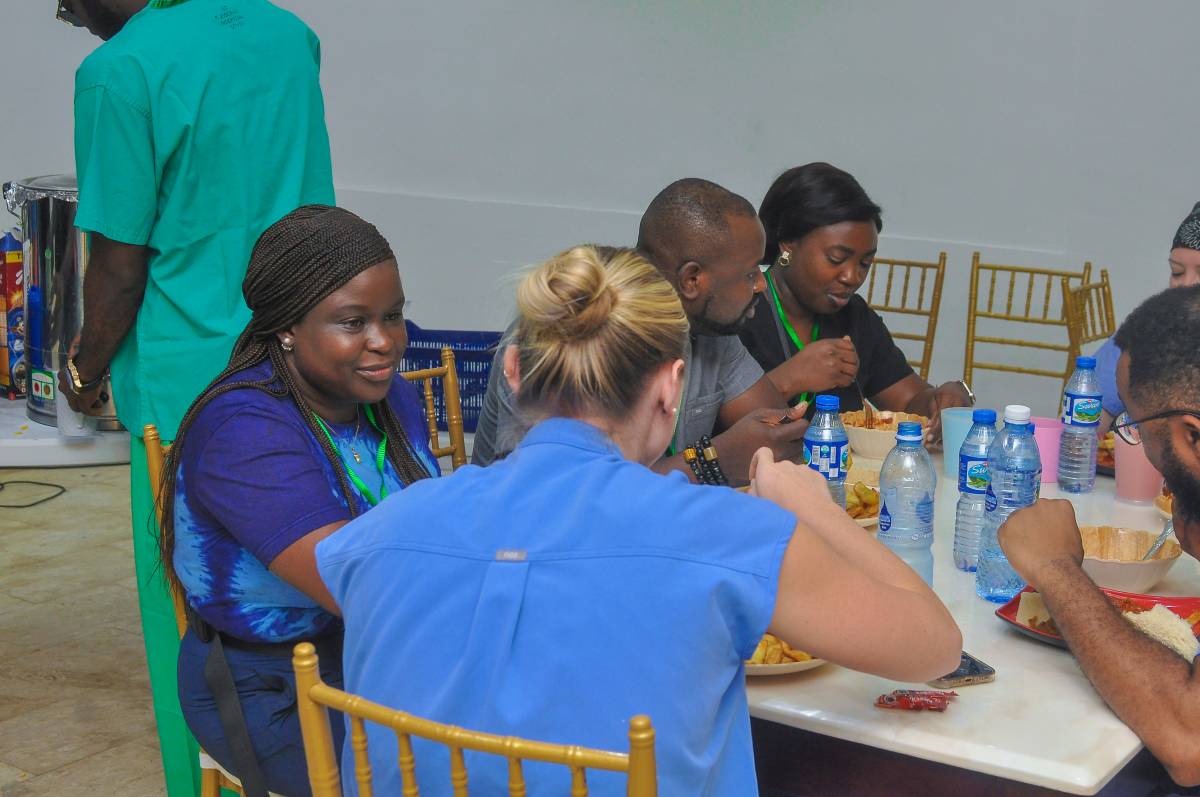
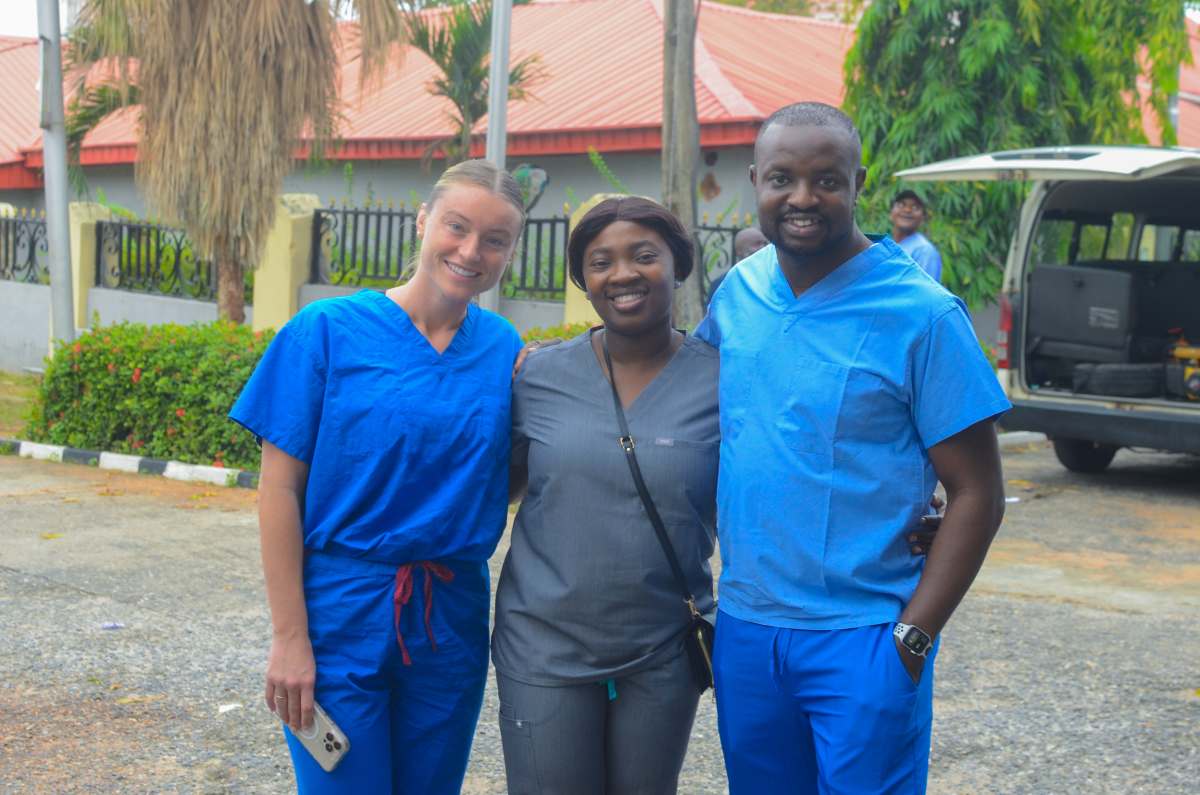
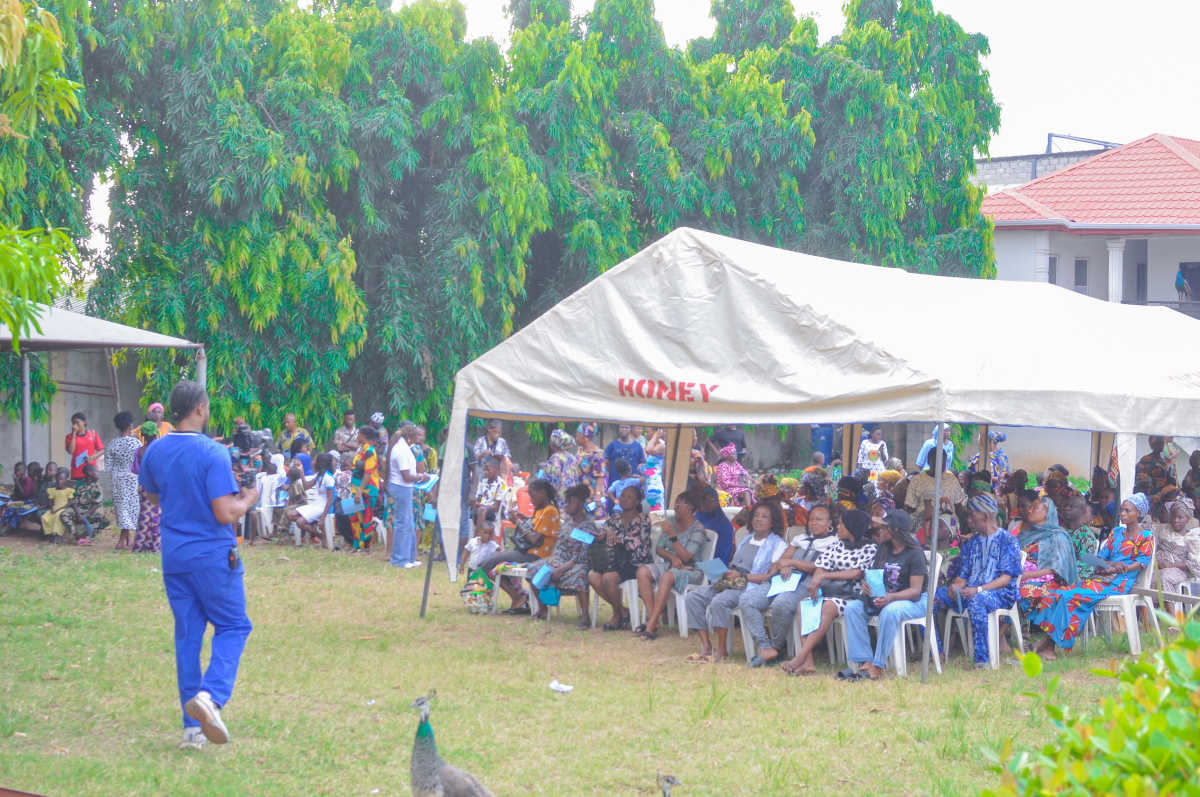
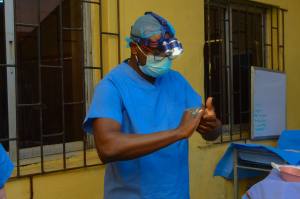
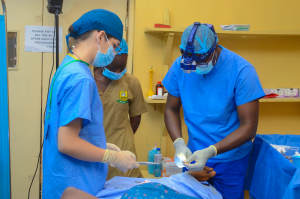
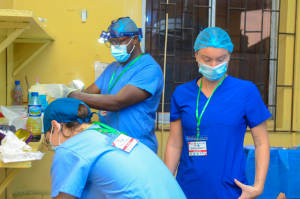
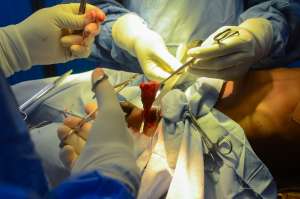
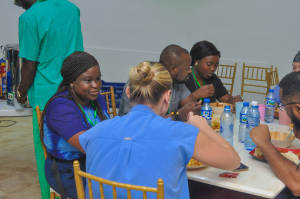
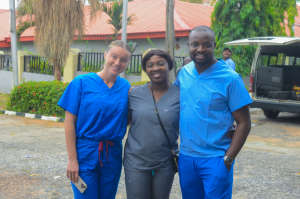
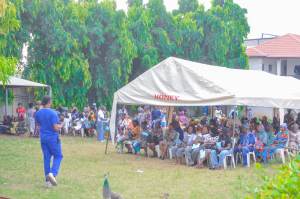
The primary beneficiaries of our outreach were underserved residents of Ogun State, Nigeria—particularly those living in rural and semi-urban communities with very limited access to quality healthcare. Many of the patients we served had been living for years with treatable medical and surgical conditions such as hernias, breast lumps, goiters, lipomas, and other painful or disabling conditions that went untreated due to financial hardship and limited healthcare infrastructure.
During this outreach, our team provided medical evaluation and treatment to over 2,500 patients and performed 114 surgical procedures, many of which were life-improving and, in some cases, life-saving. A significant number of these patients were primary breadwinners, elderly individuals, and children, for whom untreated illness had a direct impact on family stability, ability to work, and overall quality of life.