Obstructive uropathy is a common cause of morbidity in Ethiopia, where access to percutaneous nephrostomy is a life-saving procedure that provides urgent urinary drainage, yet access to the procedure is limited, and there is a lack of trained providers.
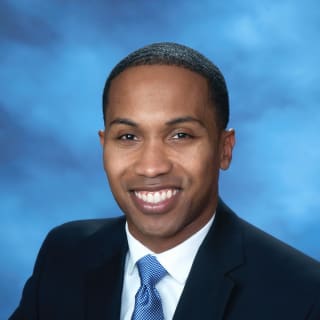
I am an Interventional Radiology trainee and a global health advocate at Emory University. For many years, our radiology department has done an incredible job sending faculty and residents internationally to provide in-person didactic lectures and biopsy training for our partner hospital, Black Lion, in Addis Ababa, Ethiopia. These efforts have fostered long-term relationships while serving the community at large. My goal is to further grow these relationships by mutually increasing our scope of practice, both as diagnosticians and now as proceduralists.
In the spring of 2026, with the support of Emory faculty, I plan to deliver procedural training and a path to self-sufficiency. We have designed and implemented a curriculum that integrates didactic instruction, supervised hands-on practice, and competency-based assessment for a new service line in image-guided genitourinary interventions. My goal is to provide radiology trainees and staff, but not limited to, with the knowledge, technical skills, and clinical judgment necessary to safely and effectively perform nephrostomy tube placements and maintenance for urinary diversion. This curriculum will also serve as a foundation for expanding image-guided procedures by applying proof of concept in a region where local interventional radiology services are scarce.
Our target population is the community in Addis Ababa, Ethiopia, who present at the largest public hospital called Black Lion Hospital.
Emory's School of Medicine and its Global Health and Equity office have listed Black Lion Hospital (in its affiliation with Addis Ababa University as their partner international clinical and education sites. Since 2009, Emory's Radiology department has connected its residents with Addis Ababa University and Black Lion Hospital in a "co-learning, capacity-building" model.
As previously mentioned, in efforts to continue to grow this collaboration and the imminent need noted from our 2024 Rad-AID needs assessment performed, we were able to highlight a significant gap in care for individuals who had obstructive uropathy due to malignancies such as prostate and cervical cancer who need urinary diversion, in which genitourinary interventions could serve well.
Designed to provide radiology trainees, but not limited to, staff with the knowledge, technical skills, and clinical judgement necessary to safely and effectively perform genitourinary interventions under image guidance.
This curriculum integrates didactic instruction, simulation, supervised hands-on practice, and competency-based assessment, aligning with the ACGME Program Requirements for Graduate Medical Education in Interventional Radiology as mandated in the United States of America.
We expect that from this experience, Black Lion Hospital's Radiology department will establish a new procedural service line that will enhance access to and quality of care for the community of Addis Ababa. We are currently in talks with medical device companies (Boston Scientific and Cook) to work on a collaboration for supplies and charitable donations.
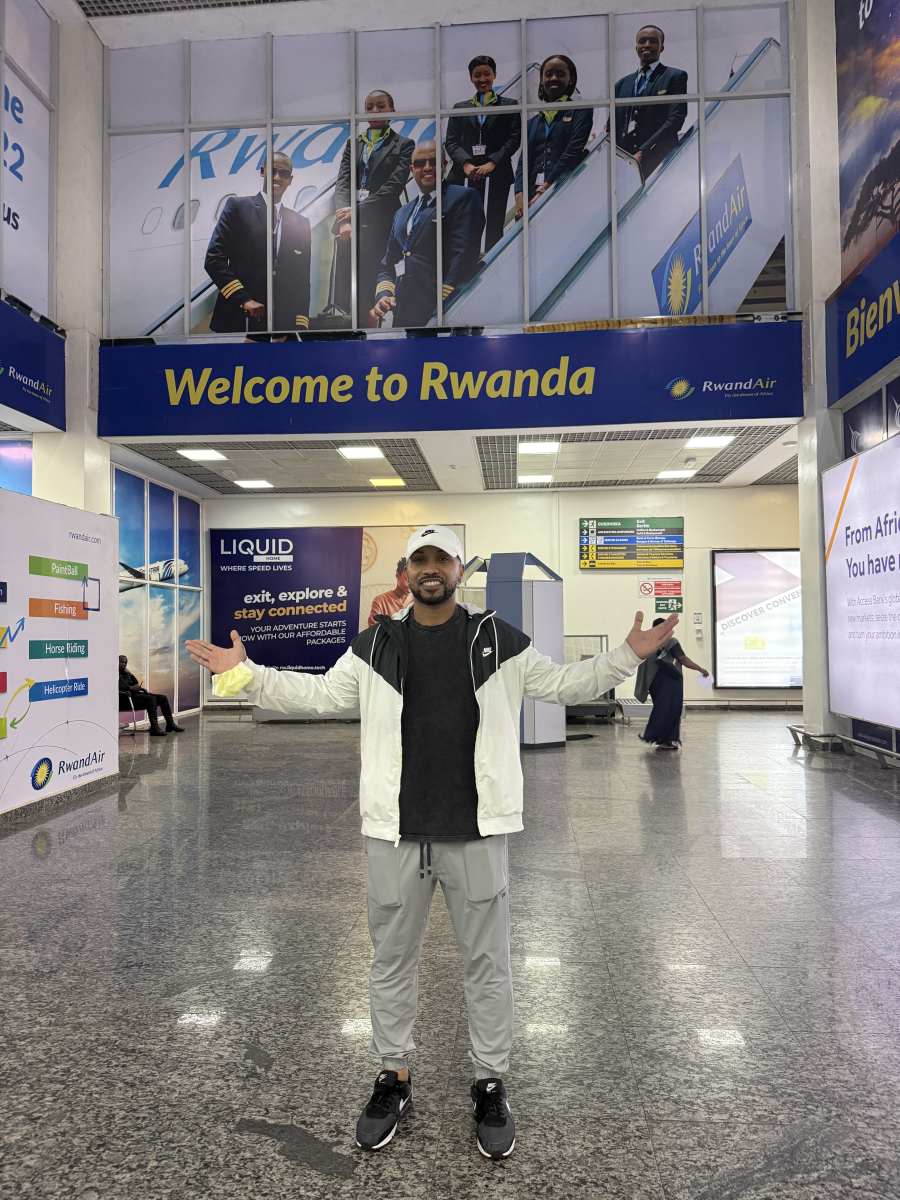

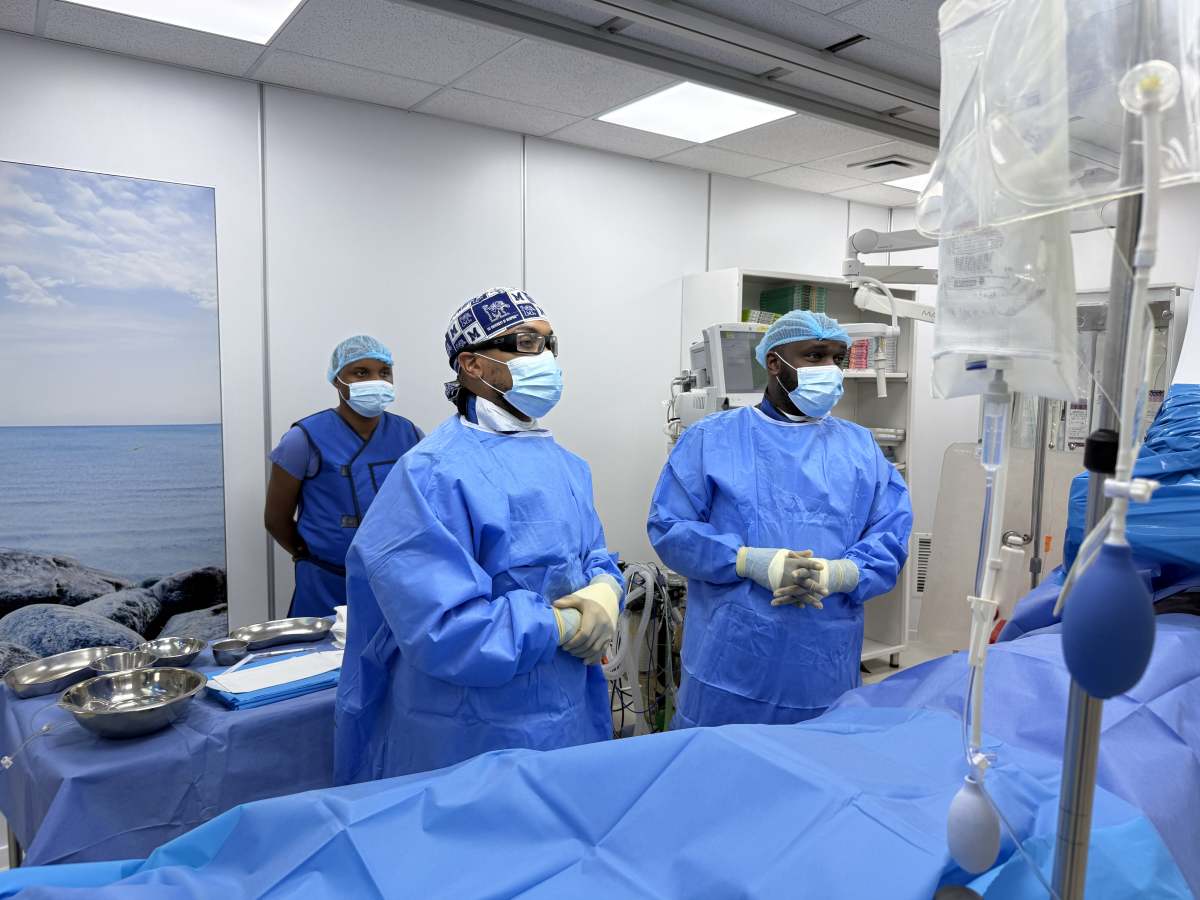
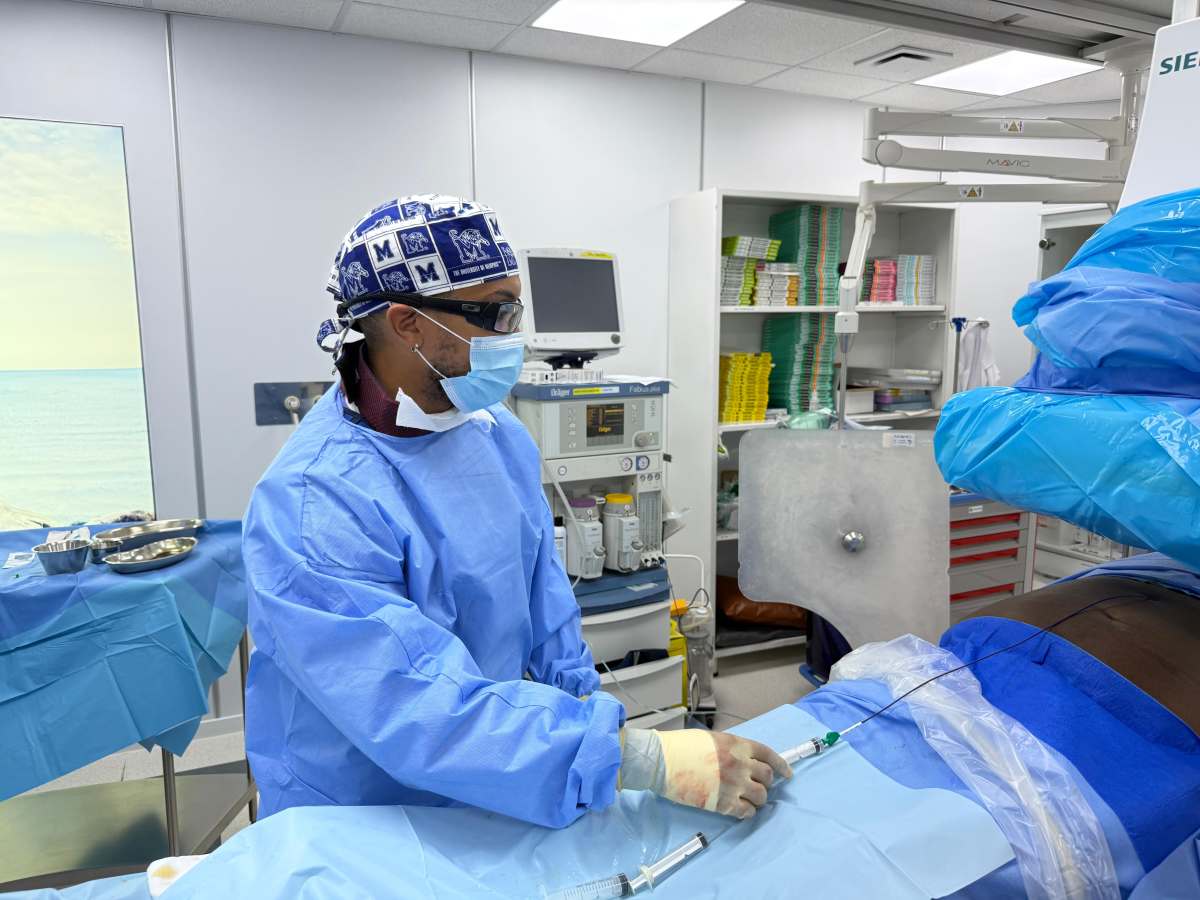

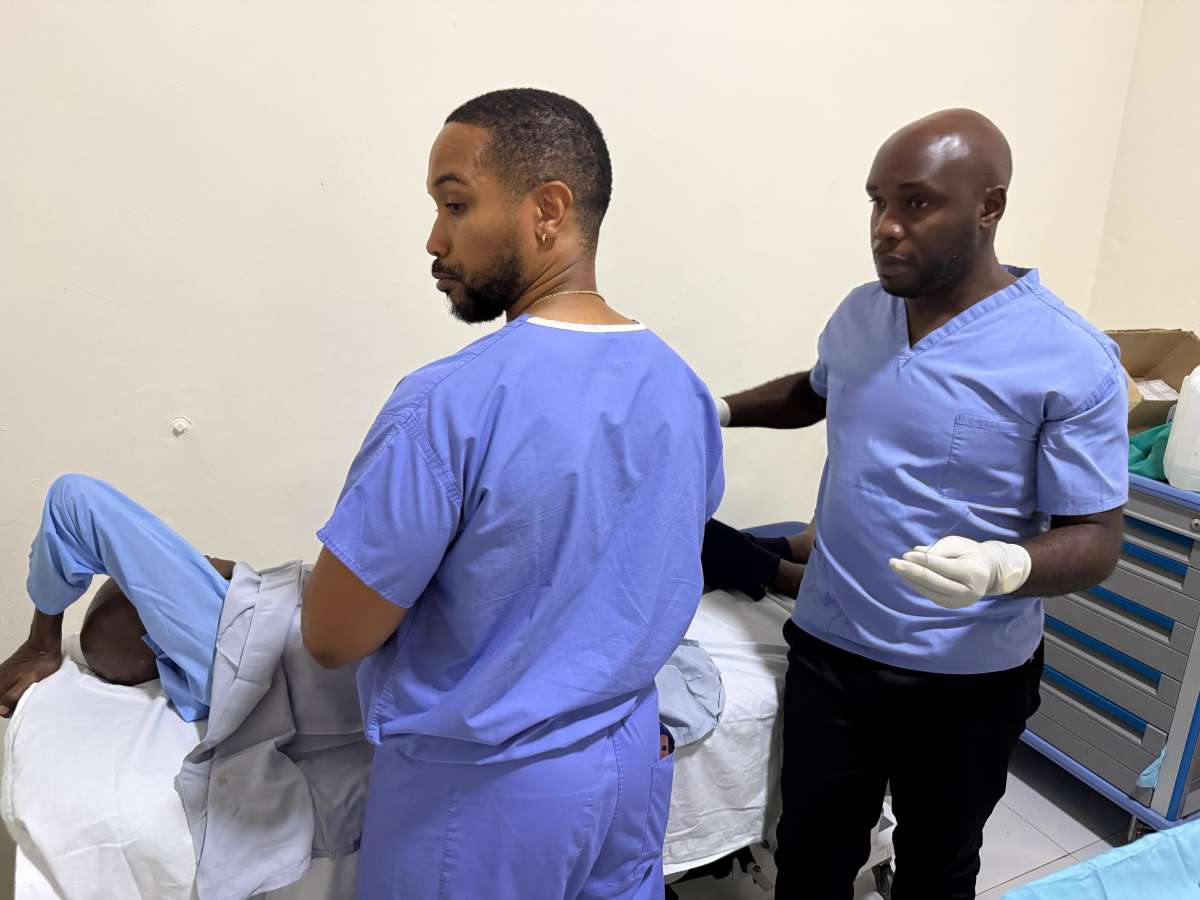


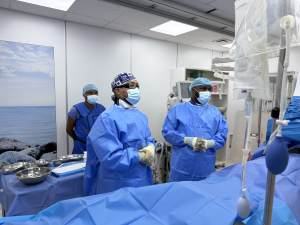
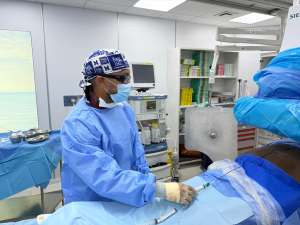


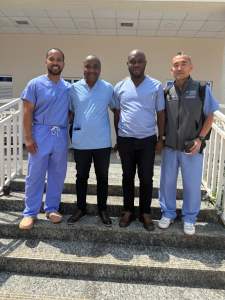
As an Interventional Radiology trainee and global health advocate, I had the honor of traveling to Kigali, Rwanda to complete my global health capstone at King Faisal Hospital and Rwanda Military Hospital. Building on Emory’s longstanding collaboration with Road2IR, I was granted a three-week opportunity to work alongside the local IR team to strengthen partnerships, conduct an interventional radiology readiness assessment, and support the development of a formal curriculum tailored to locally identified needs, with the goal of advancing the emerging IR fellowship program.
This experience was meaningful not only for my professional growth, but also for the measurable contributions we made on the ground. Working directly with Rwanda’s IR fellows and staff, I helped reinforce safe, sustainable procedural workflows and promoted a more comprehensive, patient-centered approach to care. To ensure the work extended beyond my time in-country, I provided practical procedure templates, technique guides, and standardized resources that the team could immediately implement and continue refining. Most importantly, I established an ongoing channel for communication and mentorship to support continued problem-solving, updates, and collaboration as their program grows.