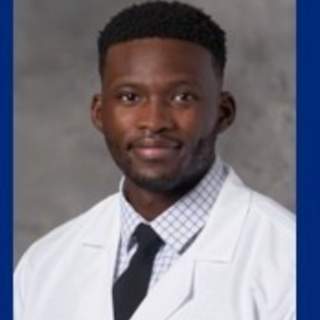
Along with Dr. Fabian Max Laage, founder of Road2IR, I plan to participate in a collaborative learning journey across Uganda, Cameroon, and Angola to engage with local interventional radiology teams, observe current practices, and share insights on sustainable approaches to expanding IR services in low-resource settings. The trip will involve site visits, educational exchanges, and discussions with healthcare providers, trainees, and policymakers to identify opportunities for strengthening IR capacity and training networks in the region.
This experience will help strengthen regional connections and highlight local innovation in IR practice. By sharing experiences across different African contexts, we can identify scalable strategies for training, resource optimization, and advocacy for IR integration into national health systems. These insights can inform both local initiatives and global collaborations aimed at equitable access to image-guided care.
Local IR practitioners, trainees, and patients will be the primary beneficiaries. The project aims to amplify the voices and needs of practitioners in Uganda, Cameroon, and Angola, fostering mentorship networks and long-term collaborations. Additionally, the broader IR community—including Road2IR partners—will benefit from shared insights that can guide program development and advocacy across Africa.
Sub-Saharan Africa faces a growing burden of non-communicable diseases and trauma, conditions that are often best managed with minimally invasive IR procedures. However, access to IR remains limited due to resource constraints and workforce shortages. As someone originally from Cameroon, I have a personal and professional commitment to contributing to the development of IR capacity in the region. Engaging directly with practitioners in these countries allows for contextually relevant and sustainable solutions.
The project will strengthen professional networks among IR practitioners in Africa, generate actionable recommendations for training and capacity-building, and raise awareness of IR’s value in improving patient outcomes. The findings and relationships from this journey will help inform future collaborations, grant proposals, and educational initiatives.
After returning, I plan to compile and share a summary of insights through presentations, academic writing, and informal debriefs within the Road2IR community and my home institution. These learnings will also inform my future work in global health and interventional radiology advocacy.
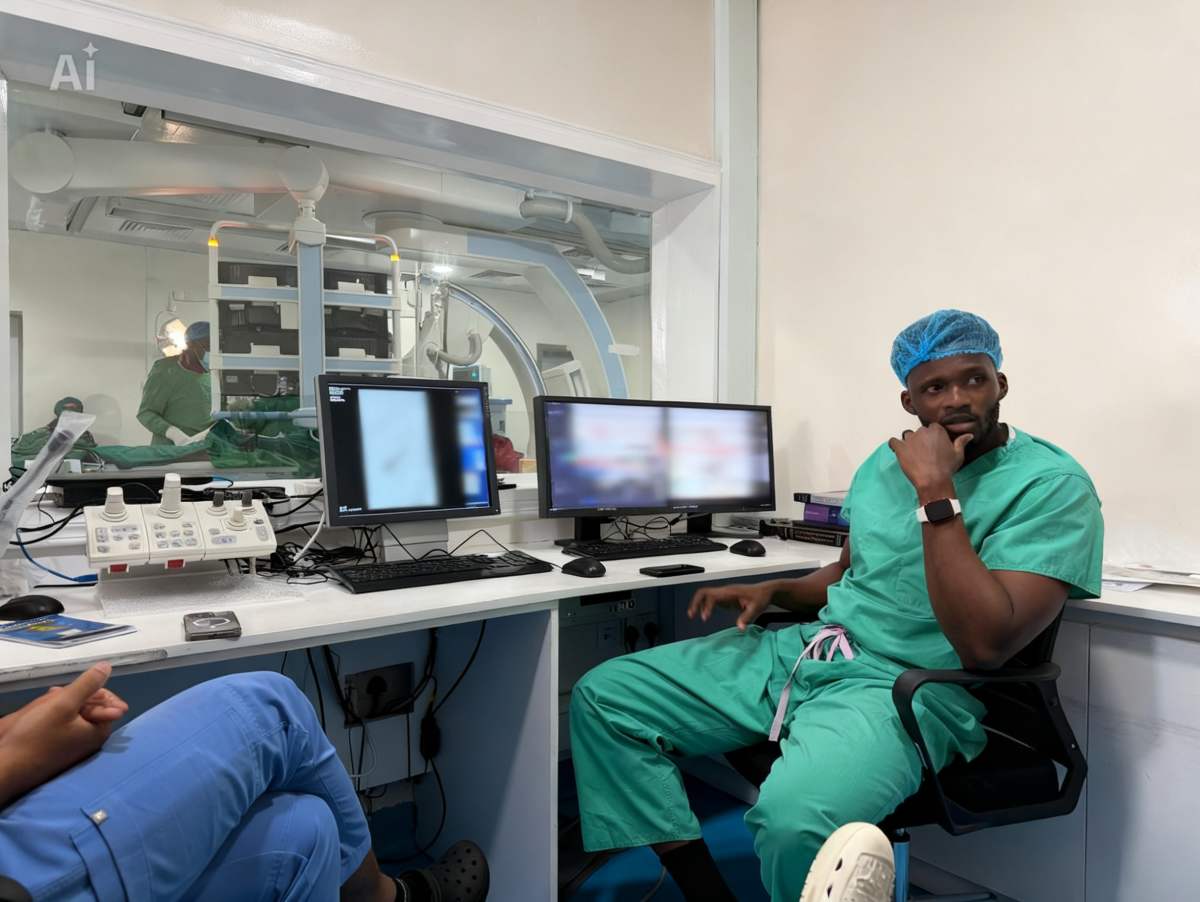
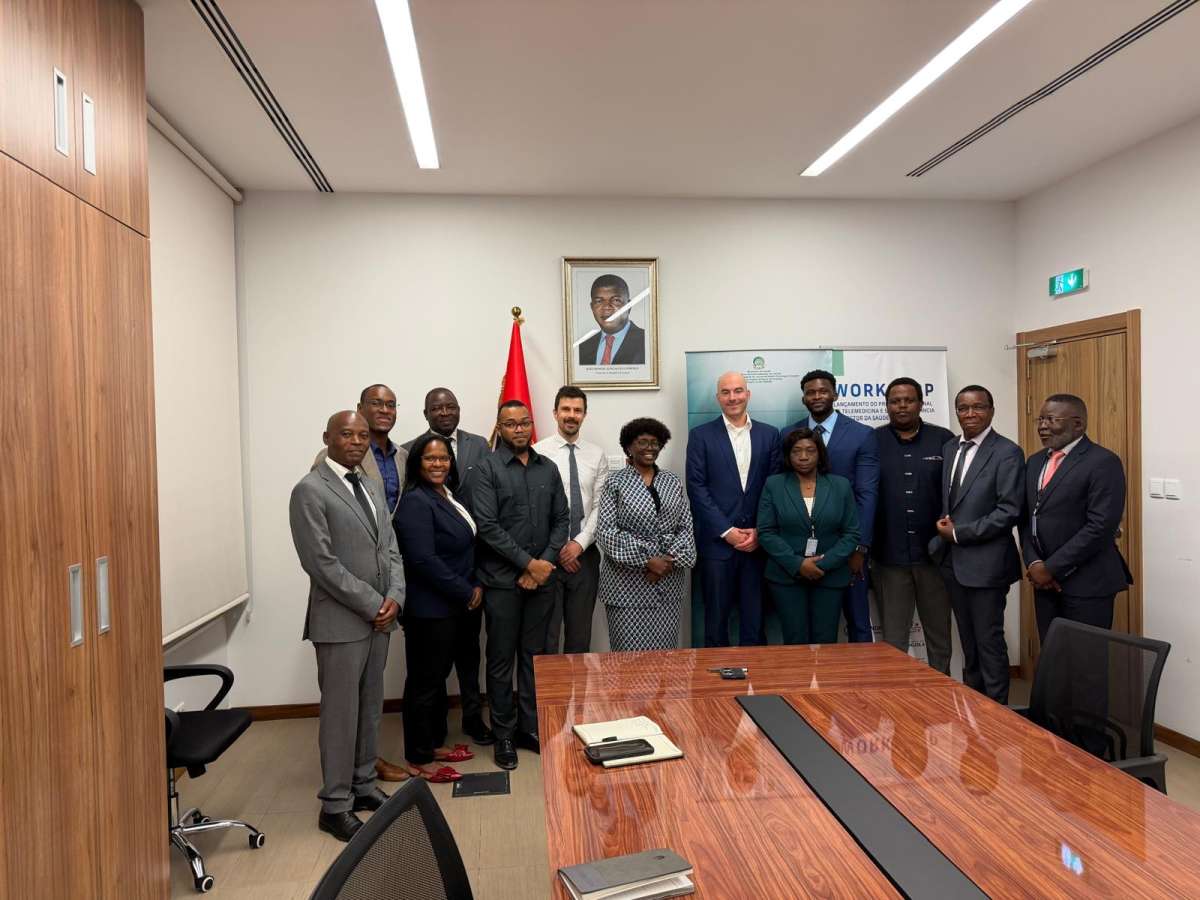
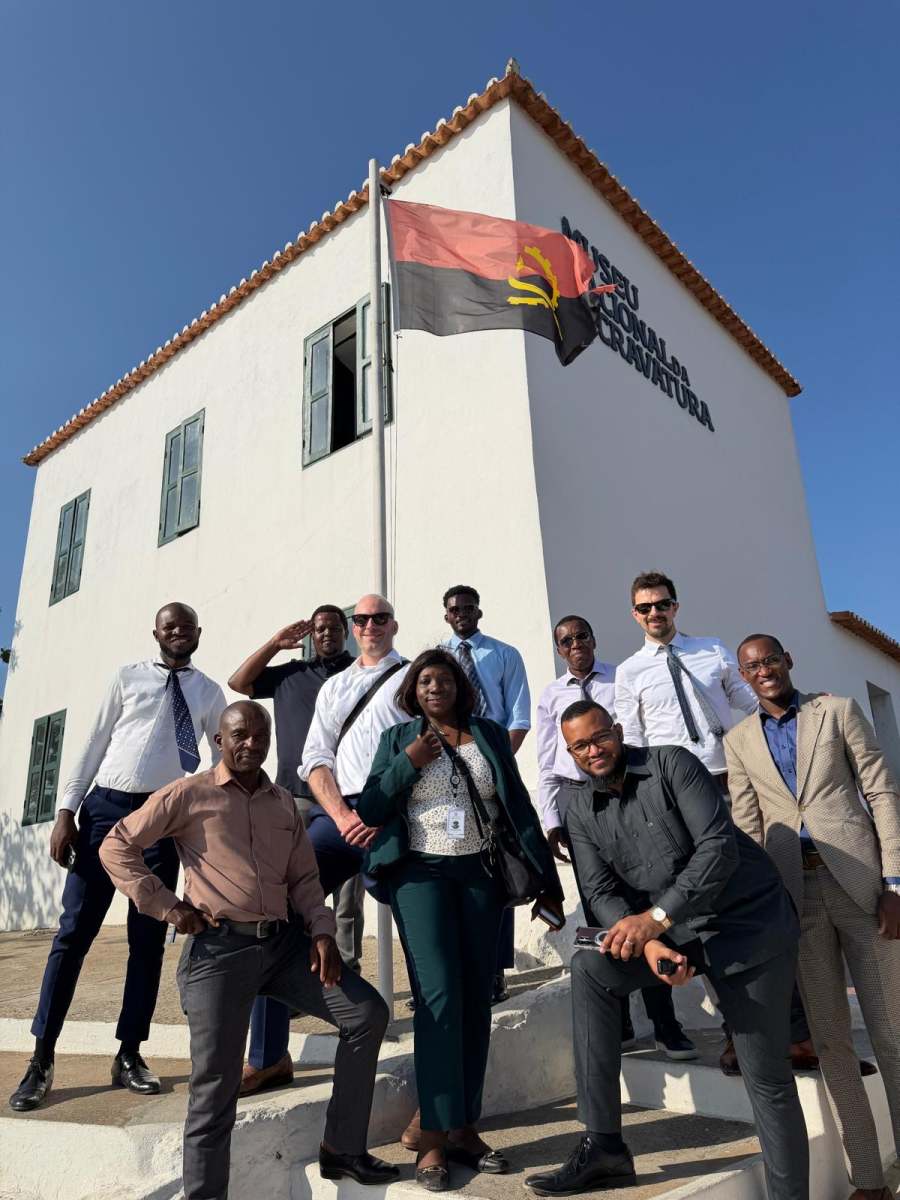
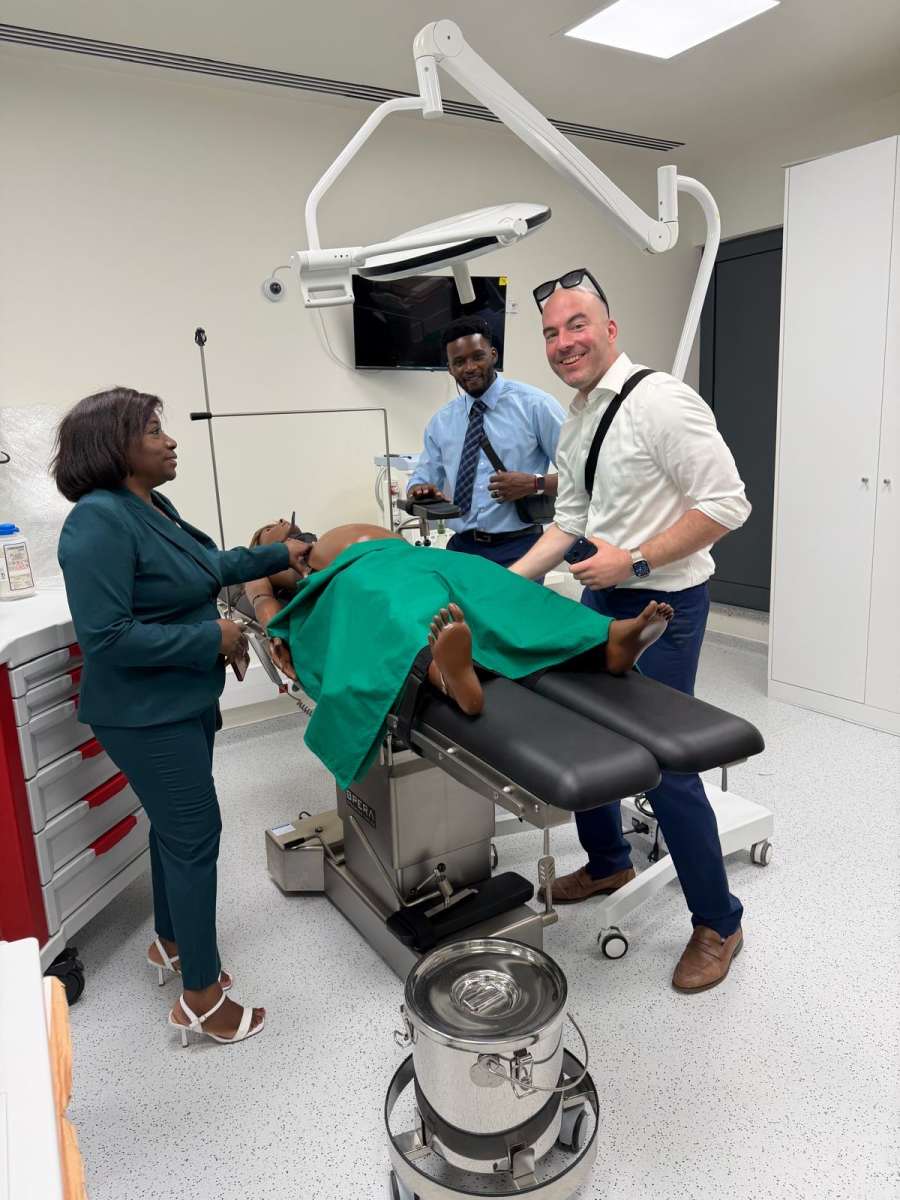
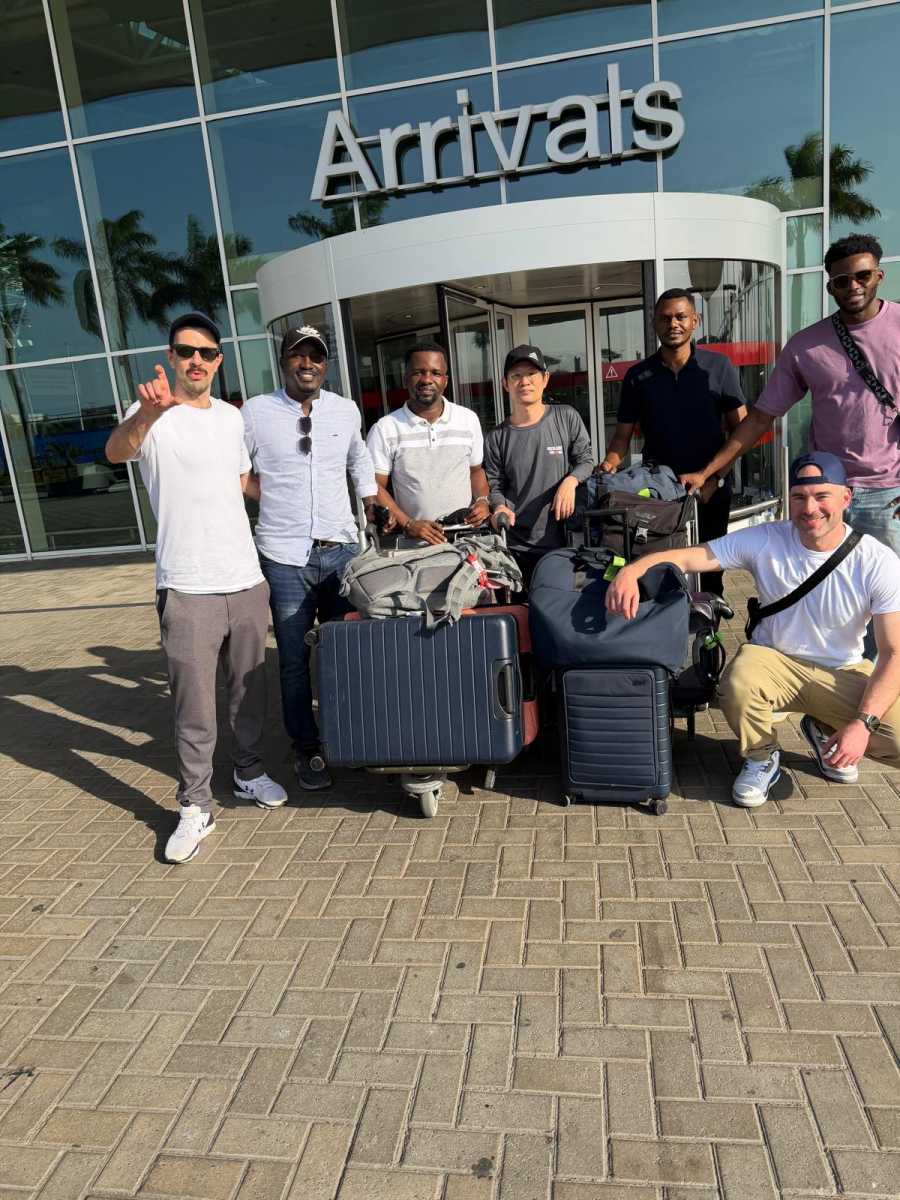
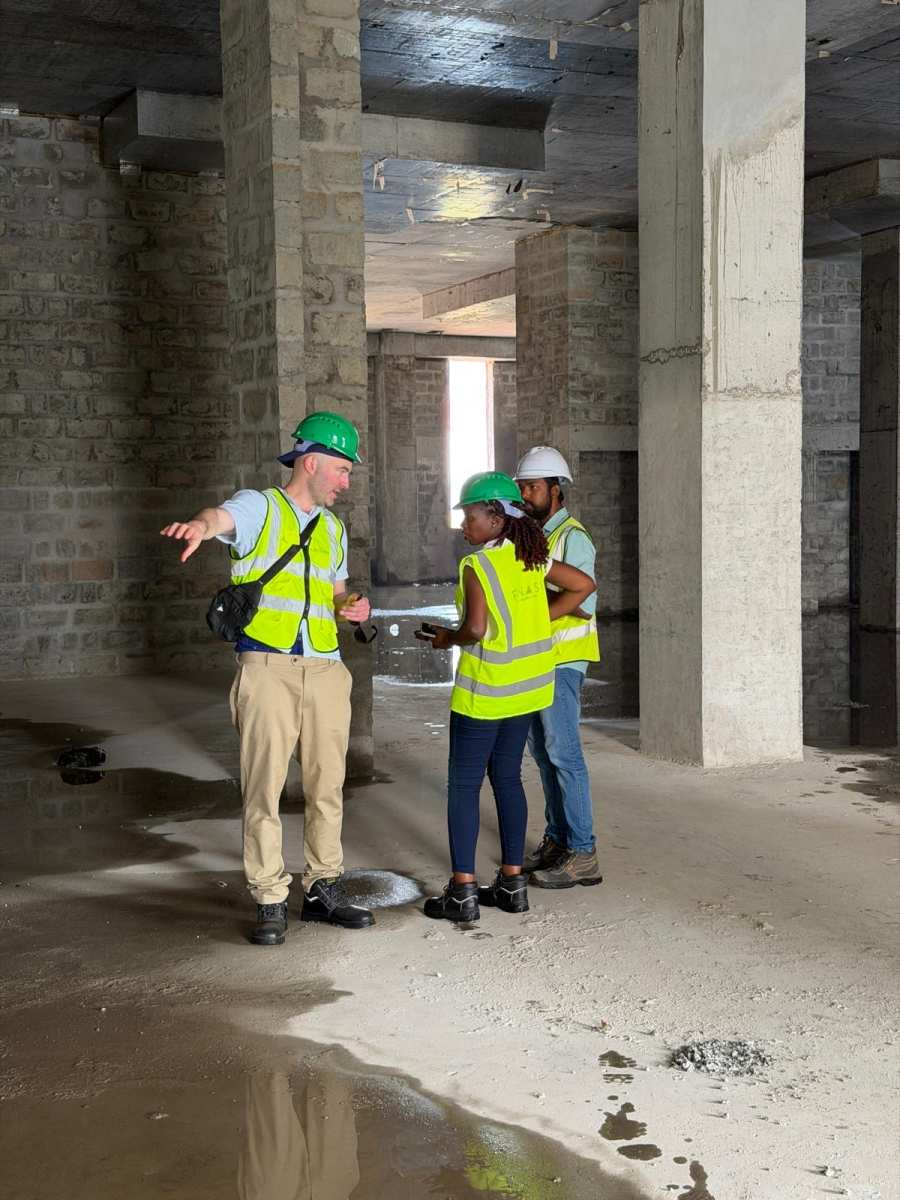
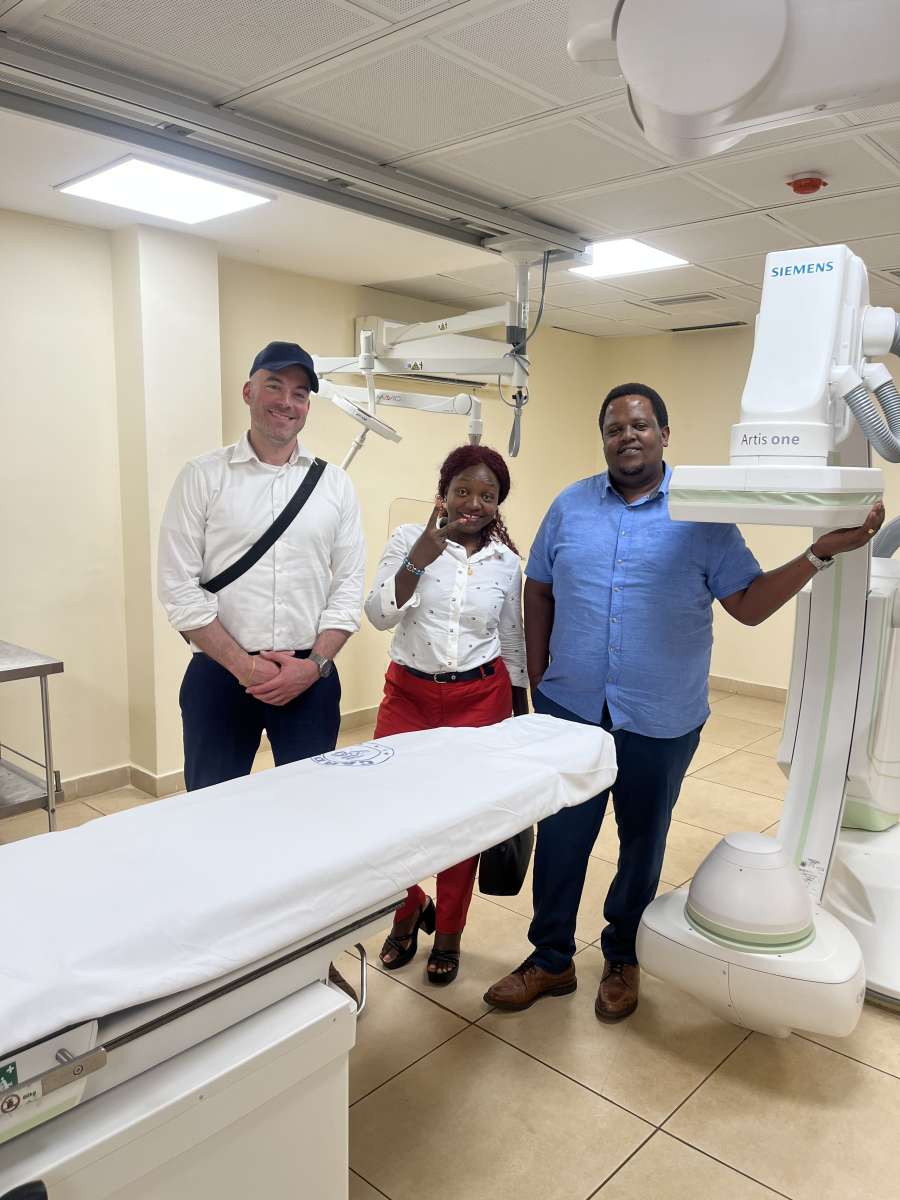
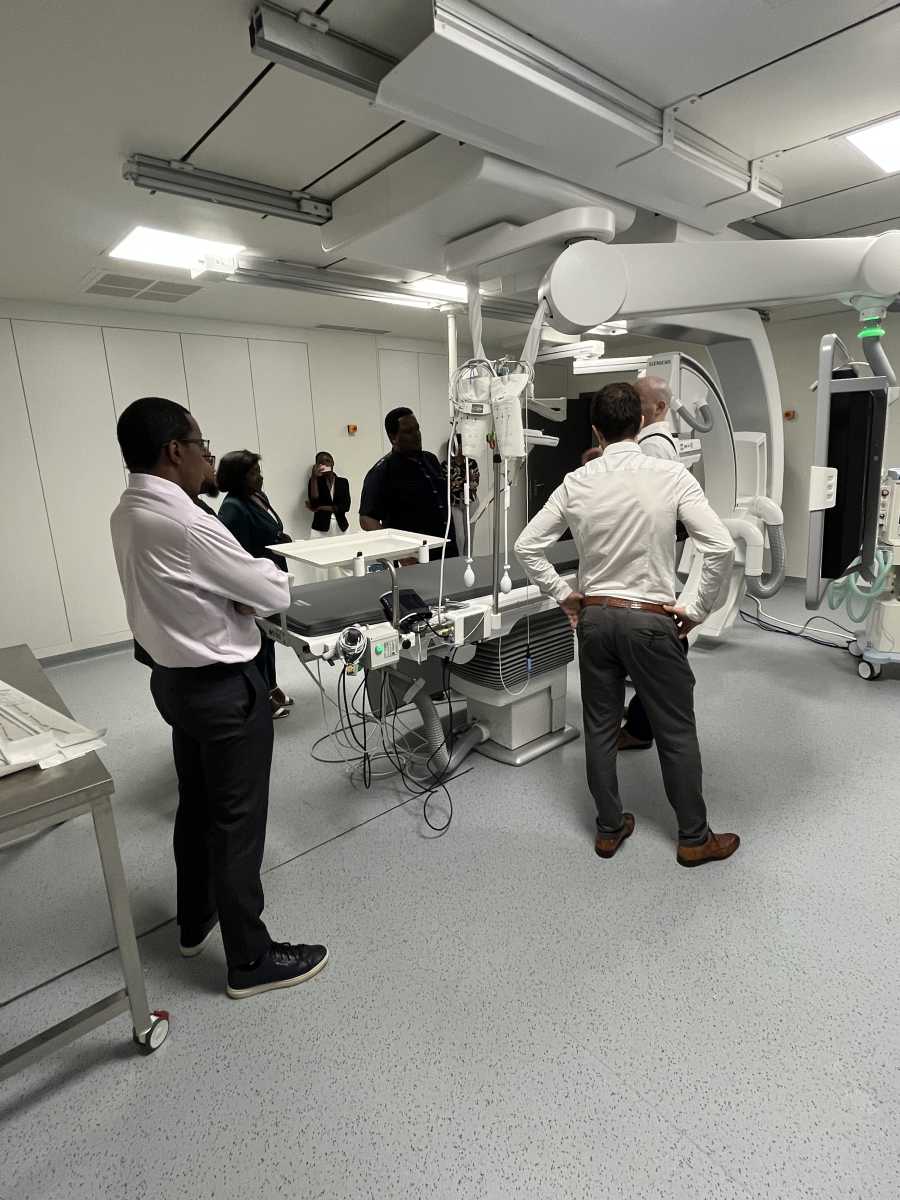
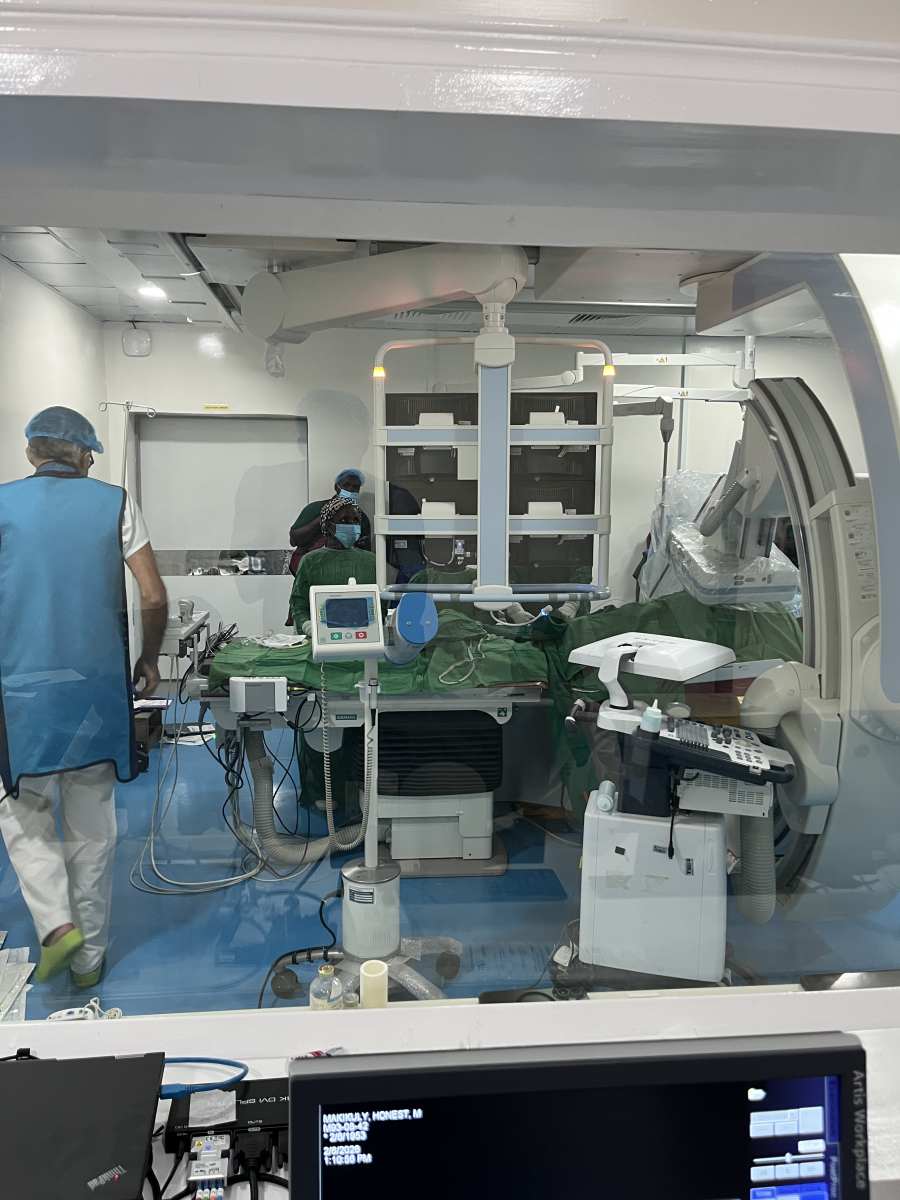
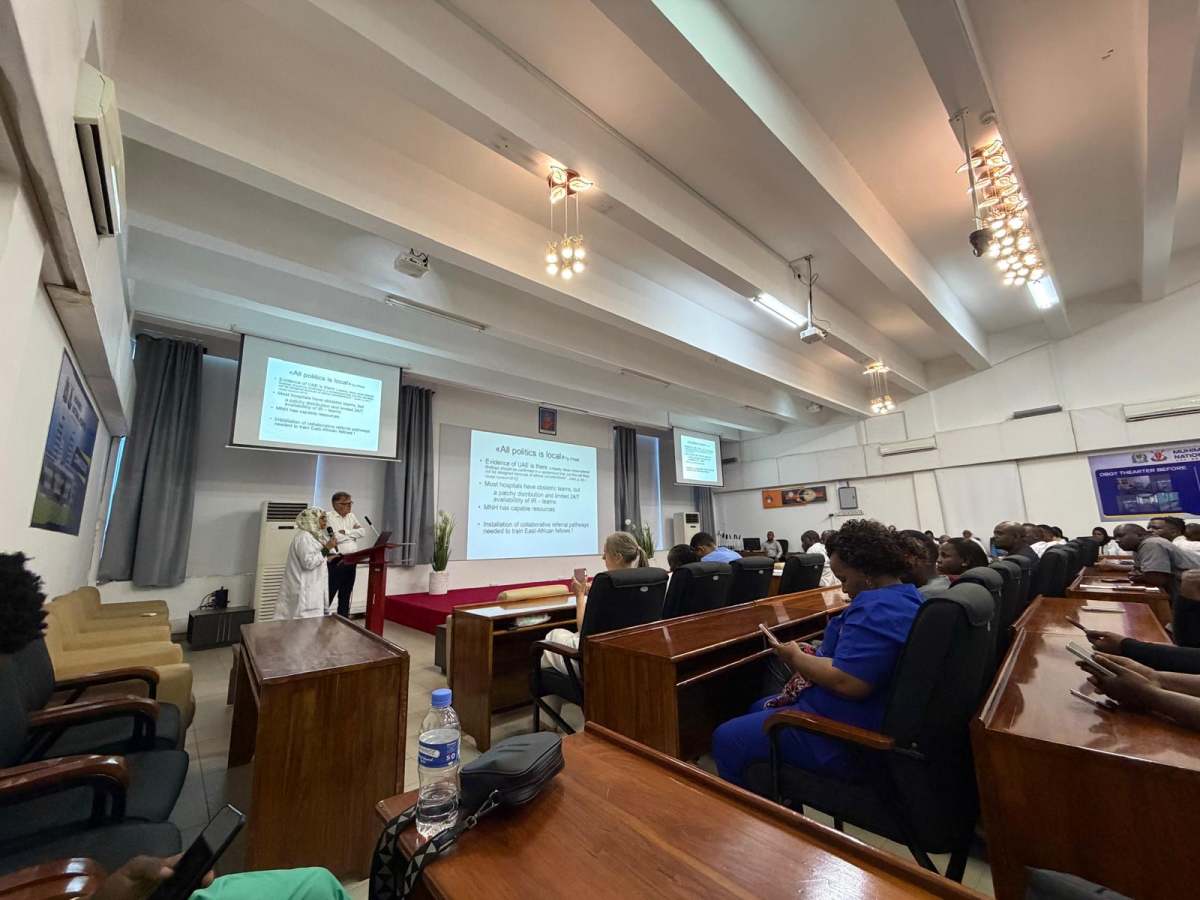
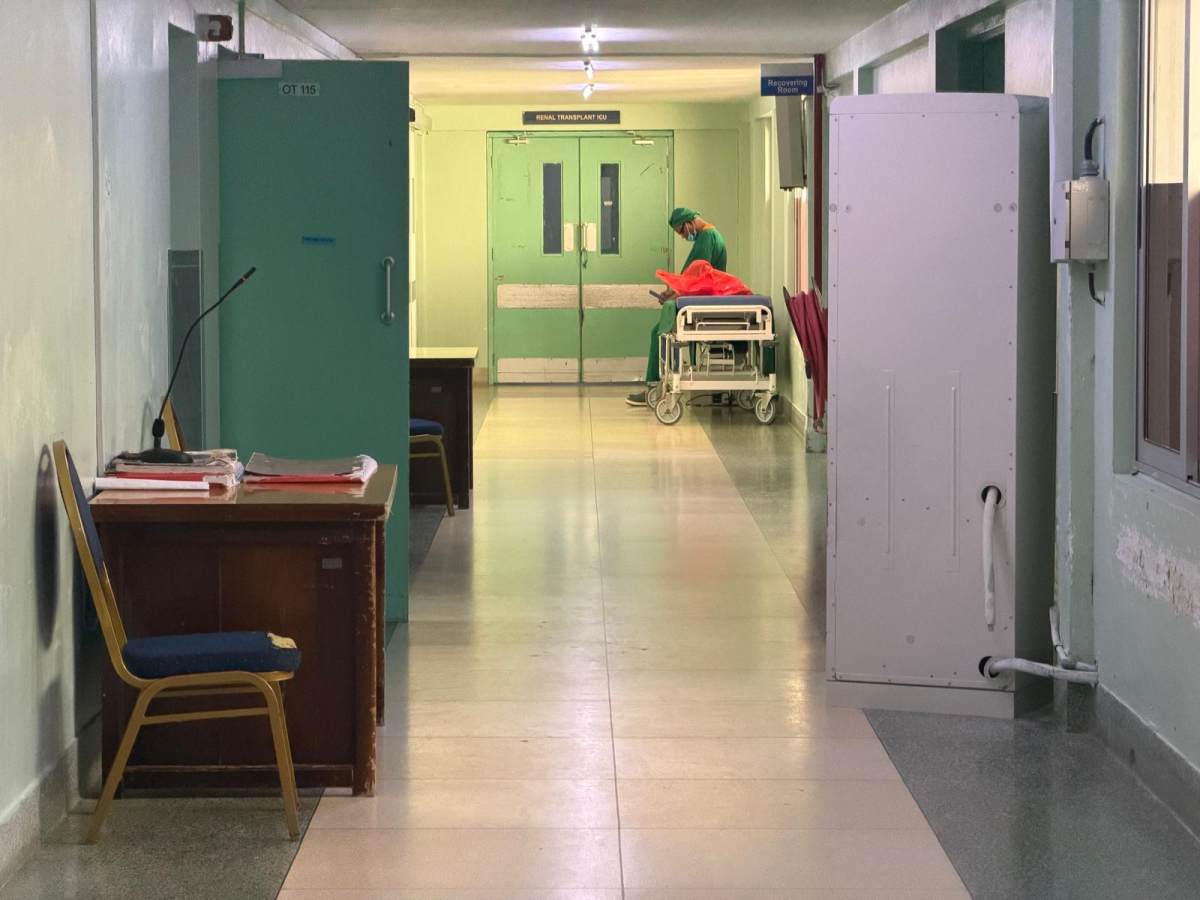

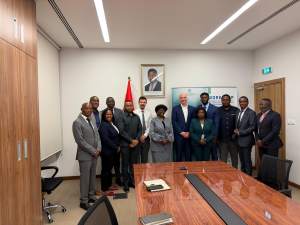
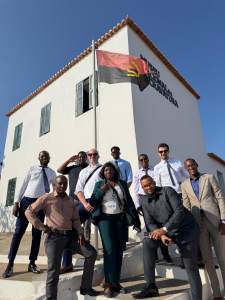
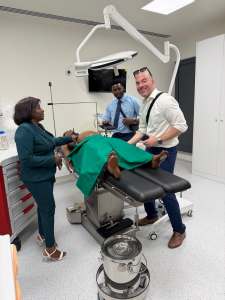
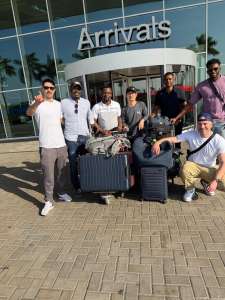
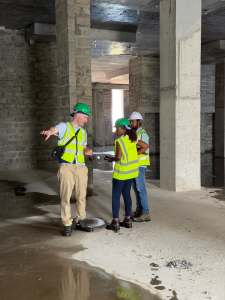
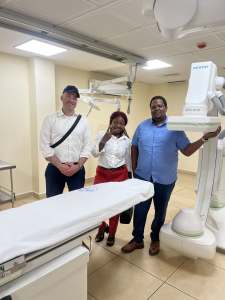
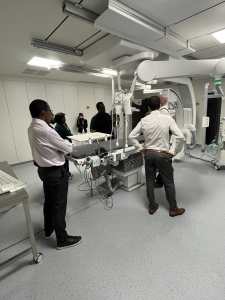
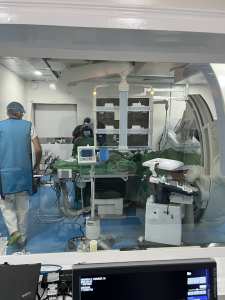
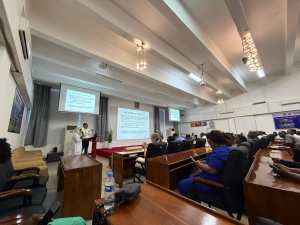
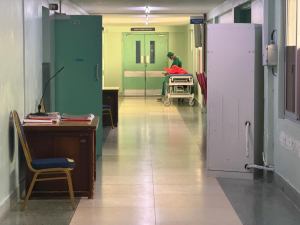
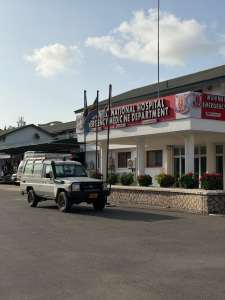
The Road2IR trip was a multi-country initiative across East and Central Africa, spanning Uganda, Rwanda, Tanzania, Angola, and Cameroon. The mission focused on expanding access to Interventional Radiology (IR) services, strengthening local capacity, and advocating for the integration of IR into comprehensive patient care.
Throughout the trip, we collaborated closely with local residents, attending physicians, and hospital teams to assess existing infrastructure, identify gaps in care, and promote the value of IR—Notably in the management of postpartum hemorrhage, where minimally invasive interventions can be life-saving. Emphasis was placed on demonstrating how IR can reduce maternal morbidity and mortality while decreasing reliance on high-risk surgical interventions.
We also engaged hospital leadership in each country to evaluate training needs, discuss residency development, and understand the current state of radiology and surgical services. In Angola and Cameroon, discussions extended to government officials, focusing on the establishment of a dedicated two-year IR residency program. The goal of this initiative is to enable these countries to train their own interventional radiologists, expand sustainable access to minimally invasive care, and improve long-term healthcare outcomes.
By investing in structured IR training and integrating these services into national healthcare systems, the Road2IR initiative aims to reduce complications from open abdominal surgeries, shorten hospital length of stay, and ultimately improve patient outcomes at a population level. This trip represented an important step toward building sustainable, locally driven IR programs that can transform access to care across the region.