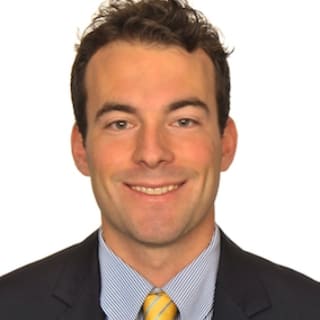
I plan to visit existing road2IR training programs in Uganda and Tanzania and then visit future training sites in Angola and Cameroon
The entire populations of these four nations, approximately 200 million people, more than half of which are under 18 years old.
The impact of increasing access to IR is difficult to measure but it affects almost every aspect of care, ranging from simple biopsies and drainages to complex vascular procedures.










Building Interventional Radiology Across Africa: A Two-Week Road2IR Journey
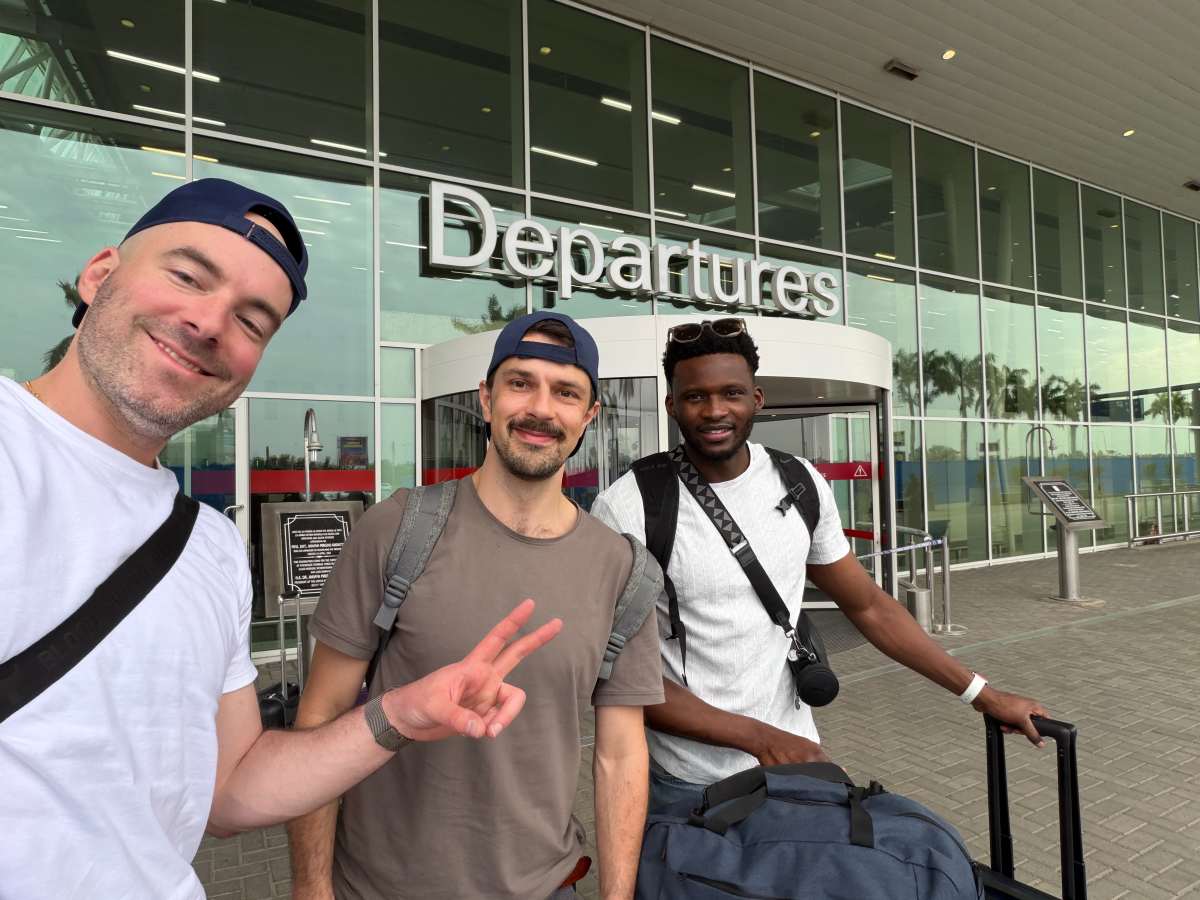
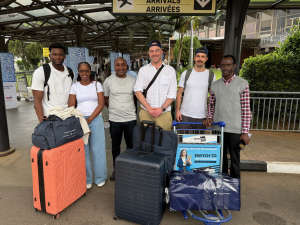
This February, our Road2IR team completed a two-week visit spanning five countries across East and Central Africa. Our goals were twofold: to assess the progress of our three established training programs in East Africa, and to advance plans for launching brand-new programs in Central Africa. What we found was deeply encouraging, a movement that continues to gather momentum, country by country, fellow by fellow.
Uganda
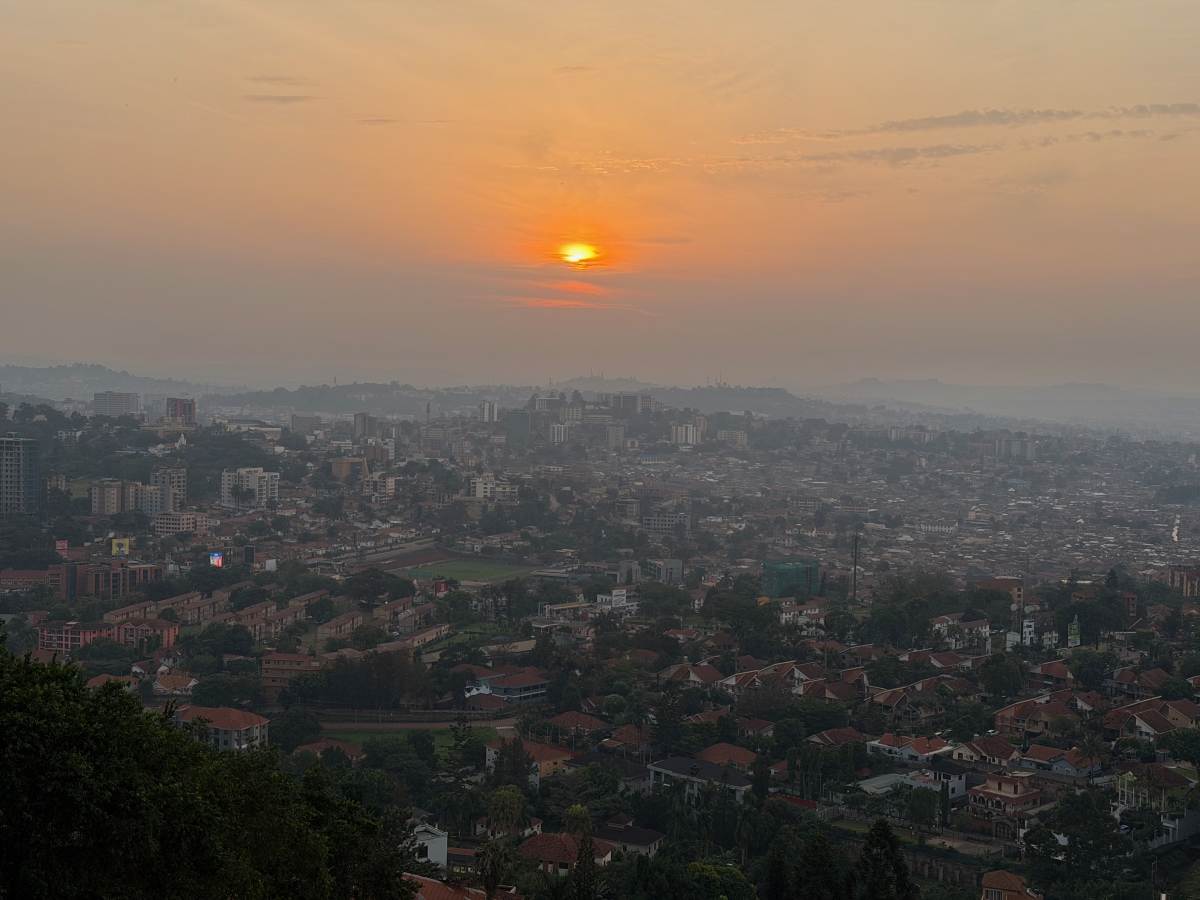
We began in Uganda, home to our second-oldest program, which proudly graduated its first three interventional radiologists last August. The program now trains four fellows, two senior and two junior, drawn from Uganda, Eritrea, and Sierra Leone, the latter being our first fellow sponsored by the IAEA. Even without a dedicated angiography suite (the team currently shares space with cardiology), they are performing up to 15 procedures per day, a remarkable testament to their skill and determination.
The near future looks even brighter. A new C-arm with DSA capability, generously donated by Dr. Sonny Bagla and Prostate Centers, is set to arrive imminently and will be transformative for the program. A Mentice simulator was also delivered just recently through the support of Siemens, adding a valuable tool for hands-on training. Access to disposable equipment remains a challenge, but the trajectory is unmistakably positive.
Rwanda
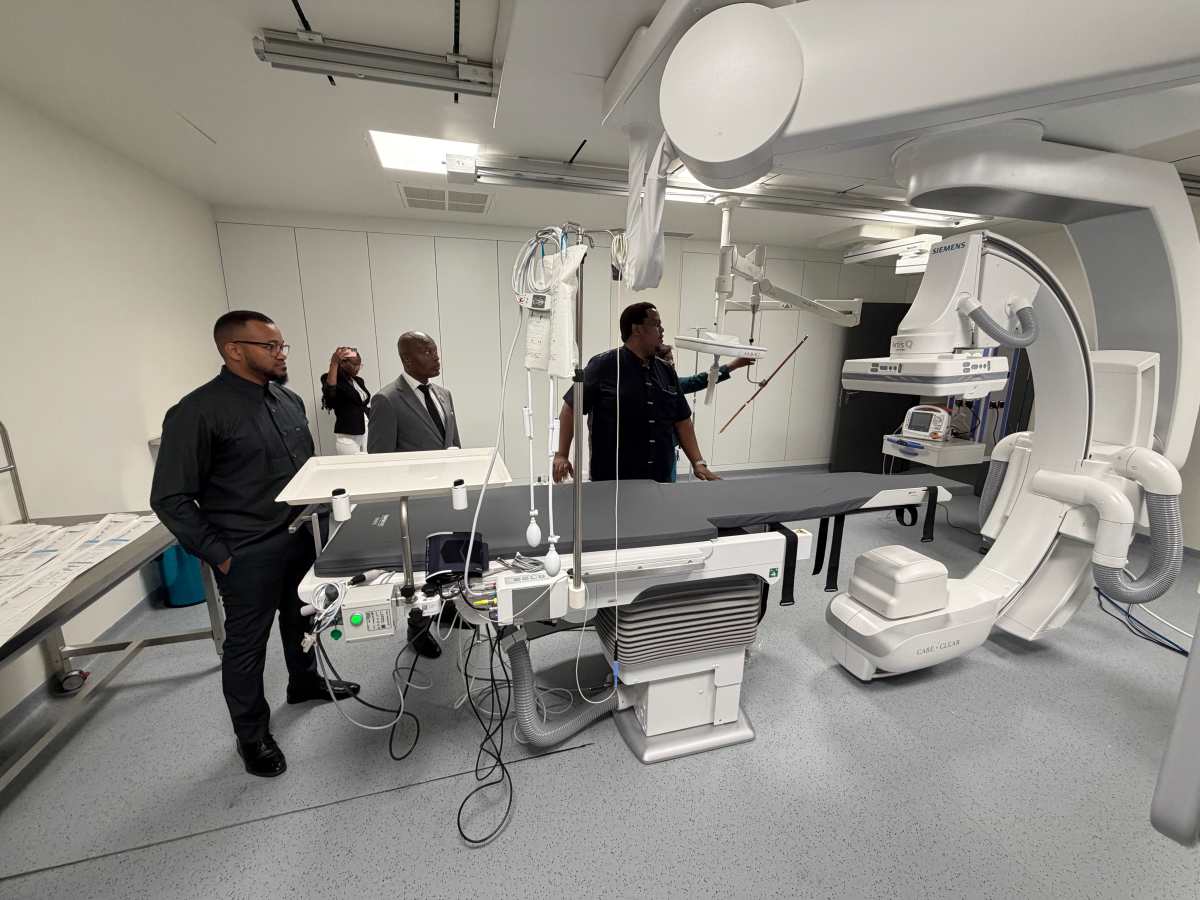
In Rwanda, our youngest program, we saw a story of resilience. Following a difficult period of transition, the program has rebuilt its momentum with real purpose. A new IR curriculum was approved last year, and the first two fellows are now in training, with graduation anticipated in 2027. A new Siemens biplane angiography suite is currently being installed and should be operational within months. The energy and trajectory here are once again very encouraging.
Tanzania
Tanzania, our flagship and the very first Road2IR program, continues to anchor the entire region. It has now produced 19 interventional radiologists and currently trains six fellows representing five countries. The clinical service is thriving, with 10 or more procedures performed daily, including advanced interventions such as TIPS and TACE.
During our visit, Professor Pfammatter and his wife Ann were on site for their second three-month teaching trip, a wonderful example of the long-term, hands-on mentorship that makes this model work. Tanzania remains the regional cornerstone, a living proof of what sustained partnership can achieve.
Angola
From East Africa, we traveled to Angola, a country of 40 million people with, no practicing interventional radiologists yet, but really extraordinary recent investments in healthcare infrastructure. There we joined Professor Sanyika for several productive and genuinely enjoyable days.
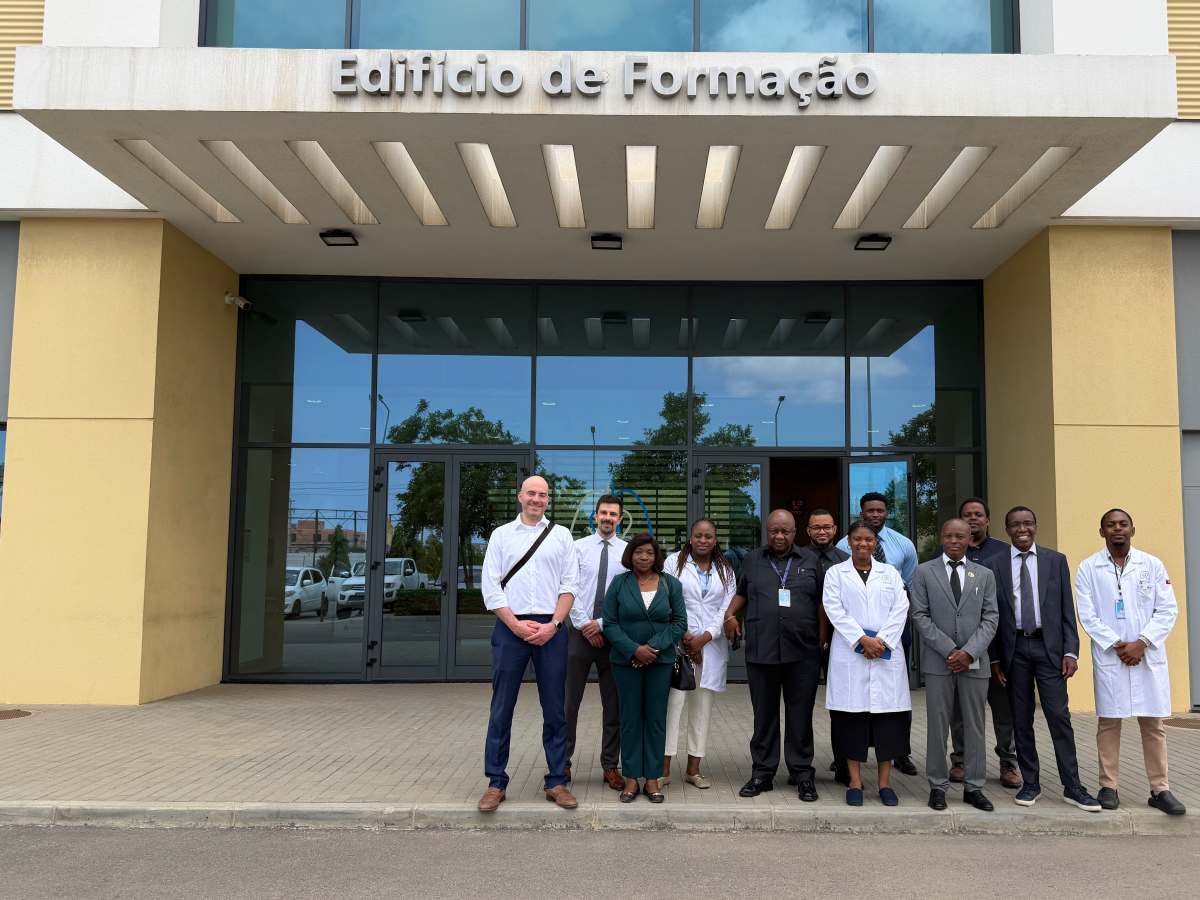
In Luanda alone, there are six new public hospitals and multiple Siemens angiography suites. Our meetings with hospital leadership and the Minister of Health were highly encouraging. We found strong political will, substantial resources, and real readiness to launch a training program this year in partnership with Road2IR, SOBRICE (the Brazilian IR society), and the Portuguese IR Society. The model would mirror East Africa, with two-week visiting teams each month, alternating between Portuguese- and English-speaking faculty. Local leadership has already committed to covering housing, drivers, and flights for visiting teams, an extraordinary show of commitment.
Cameroon
Our final stop was Cameroon, where we met with the Ministry of Health, hospital leadership, and two locally based interventional radiologists, each of whom trained in France for half a year and is now eager to help formalize a national training program. Plans are well underway to submit a university-approved IR curriculum, with the goal of launching this year in collaboration with FairEmbo, Road2IR, and CIRSE. This was my second visit to Cameroon, and the foundation our colleagues have built there is impressive.
Looking Ahead
Across all five countries, the message was the same: the appetite for interventional radiology in Africa is enormous, and the path to building it is real and achievable. In East Africa, our established programs are maturing into self-sustaining engines of training and patient care. In Central Africa, two new programs are poised to launch this year, supported by committed local leaders, eager trainees, and a growing network of international partners.
None of this happens without the generosity of our donors, the dedication of visiting faculty, and above all the talent and drive of our African colleagues and fellows. To everyone who has contributed time, equipment, mentorship, or support: thank you. The progress we witnessed this February belongs to all of you.
The work continues, and the future of IR across the continent has never looked brighter.