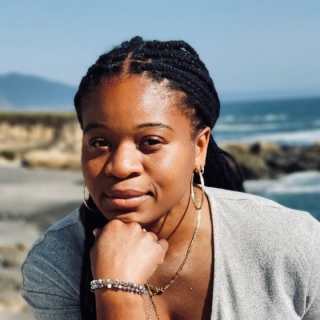
This December, I will be traveling to Ekpoma, Edo State, Nigeria as a volunteer with Journey of Hope, a nonprofit dedicated to advancing sustainable healthcare through education and outreach. As a mental health professional, I am passionate about improving mental health awareness and access in underserved communities.
During the Annual Health Fair, I plan to lead small-group sessions on mental health education for both adults and children along with a licensed psychiatrist and local mental health counselors. My sessions will focus on stress management, depression, anxiety, and trauma, using interactive discussions that encourage open conversation and reduce stigma around mental illness. For children and adolescents, I will use age-appropriate activities to help them identify emotions, express themselves safely, and develop coping skills. For adults, I will focus on recognizing symptoms, challenging cultural misconceptions, and promoting understanding of mental health as an essential part of overall wellness.
Beyond education, I plan to collaborate with local mental health providers and community leaders to identify existing resources and build a framework for continuity of care after the fair. My goal is to help strengthen referral networks, improve coordination between local providers, and foster a sustainable community-based support system.
In a region where mental health is often misunderstood or overlooked, I hope to create safe spaces for dialogue, empower individuals to seek help without shame, and build partnerships that will outlast my visit. By combining culturally sensitive education with collaborative community engagement, I aim to make a lasting impact on the way mental health is perceived and supported in Ekpoma—reflecting the Doximity Foundation’s mission to promote equitable, compassionate care around the world.
The primary beneficiaries of my project will be the children, adolescents, and adults living in Ekpoma, Edo State, Nigeria—a community where mental health services are limited and stigma often prevents individuals from seeking help. Many residents face significant psychosocial stressors, including poverty, unemployment, and trauma related to unstable healthcare access. By providing culturally sensitive education, I aim to empower community members with practical tools for managing stress, recognizing symptoms, and supporting one another’s emotional well-being.
As a woman of Nigerian descent, this project carries deep personal meaning for me. My parents are from Nigeria, and this will be my first time returning to Nigeria in the capacity to serve the very community that shaped their lives. I believe that representation matters—seeing someone who shares their heritage, language, and values speak openly about mental health can break barriers that textbooks and lectures cannot. My presence allows me to connect authentically with participants, address cultural misconceptions, and foster trust in a way that honors both Western medical understanding and traditional perspectives.
Beyond direct participants, local healthcare workers, educators, and faith leaders will also benefit through training and collaboration designed to build sustainable systems of support. By equipping them with knowledge and resources, I hope to help the community continue mental health outreach long after my departure.
Ultimately, this experience will be mutually transformative—offering healing, understanding, and empowerment to the people of Ekpoma while allowing me to reconnect with my cultural roots and contribute to a legacy of compassionate, community-driven care.
Through this project, I hope to make a lasting impact on the mental health landscape of Ekpoma, Nigeria, by increasing awareness, reducing stigma, and strengthening local capacity for ongoing mental health support. In the immediate term, my goal is to empower children, adolescents, and adults with tools to recognize, express, and manage their emotions in healthy ways. By facilitating open discussions and providing culturally sensitive education, I hope to normalize conversations around mental health and encourage early help-seeking behaviors.
A key aspect of this initiative is sustainability. I plan to collaborate closely with local mental health providers, community leaders, and faith-based organizations to identify existing resources and establish a foundation for continuity of care after the health fair. I will help develop simple screening and referral frameworks that local providers can adapt for ongoing community use. By building partnerships and training community members in basic mental-health first aid, I hope to strengthen the support systems that will continue to serve Ekpoma long after my visit.
When I return to the United States, I plan to share the lessons learned through presentations, mentorship, and my continued clinical work. This experience will deepen my understanding of global health disparities, enhance my ability to deliver culturally competent care, and inspire ongoing collaborations that connect diaspora physicians to their ancestral communities.
Ultimately, I hope my work in Ekpoma will spark long-term community conversations, promote resilience, and contribute to a sustainable mental-health infrastructure. This project represents not only a professional mission but also a personal journey of reconnection—honoring my Nigerian roots while advancing mental-health equity in the community that helped shape who I am today.
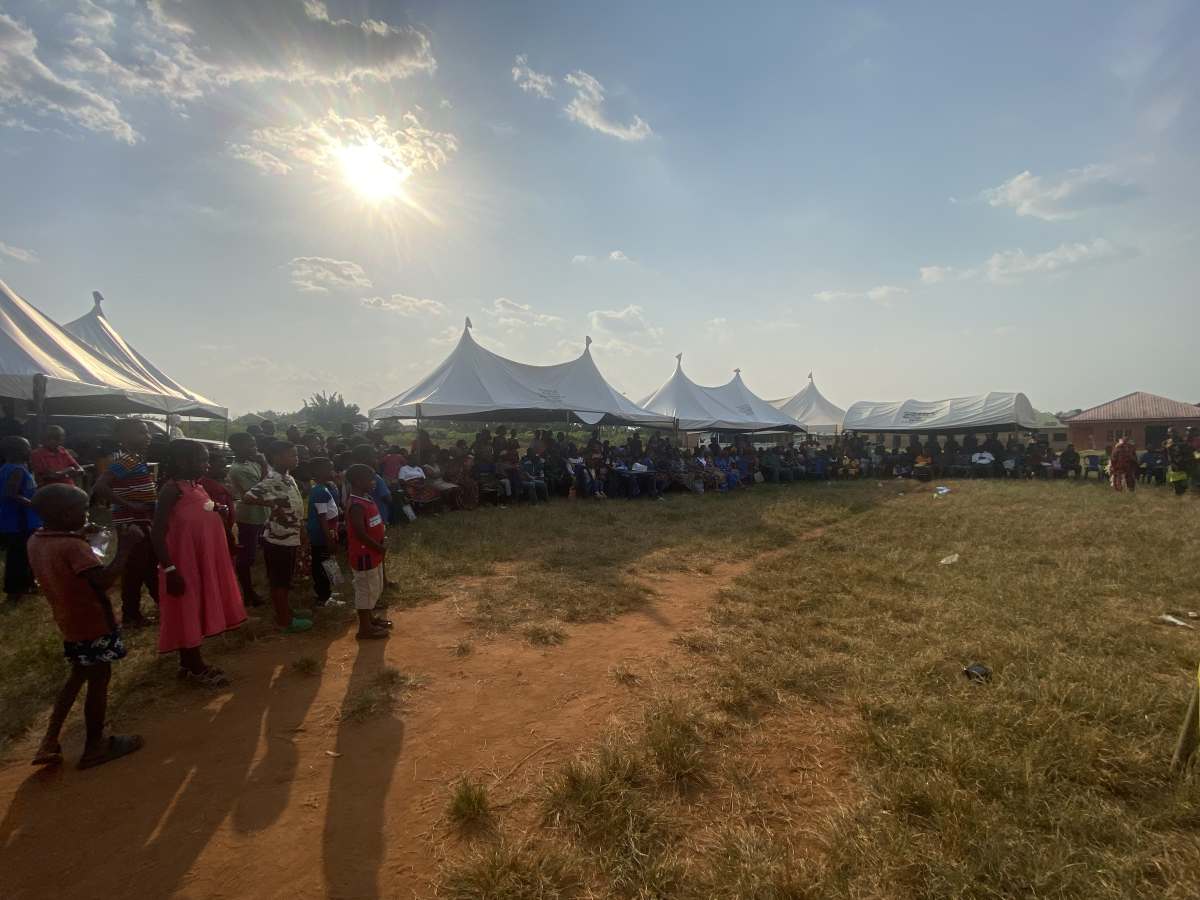
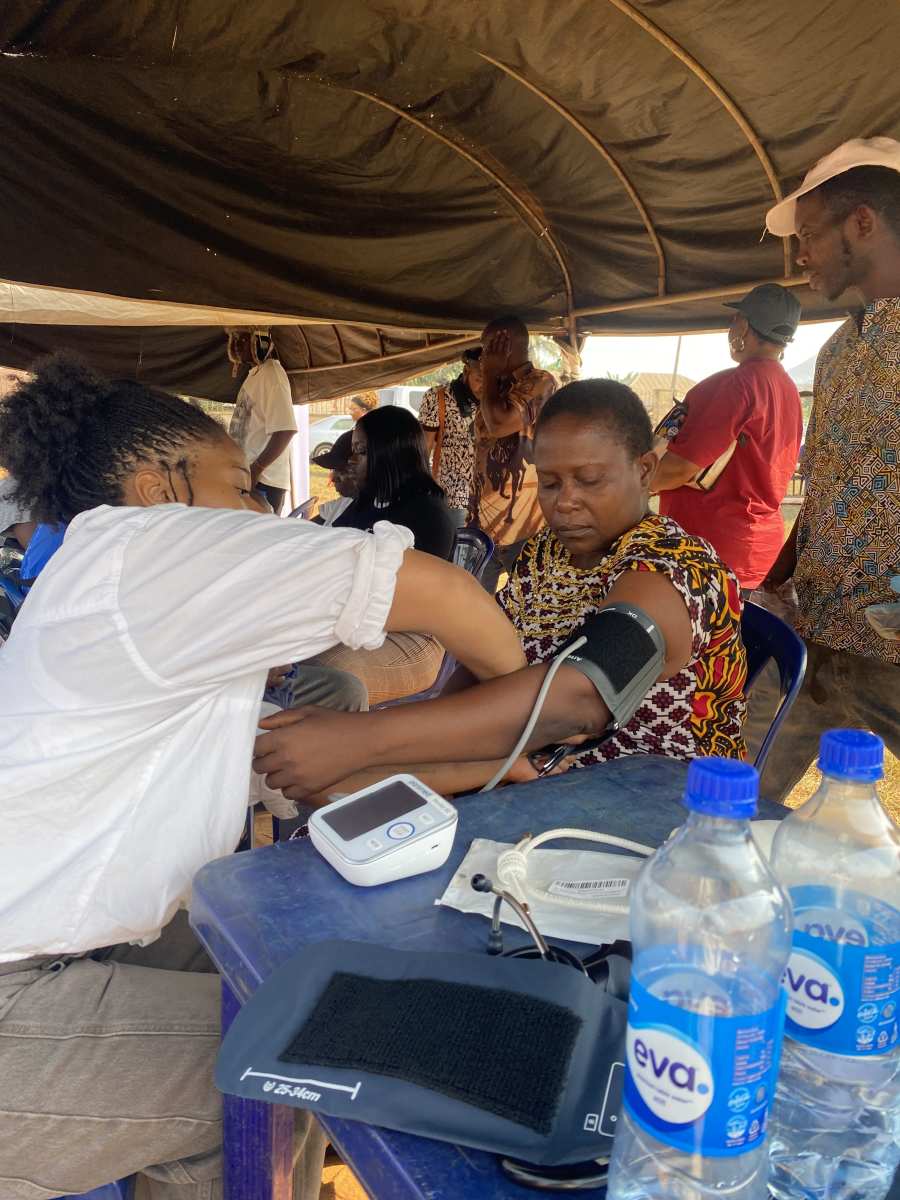
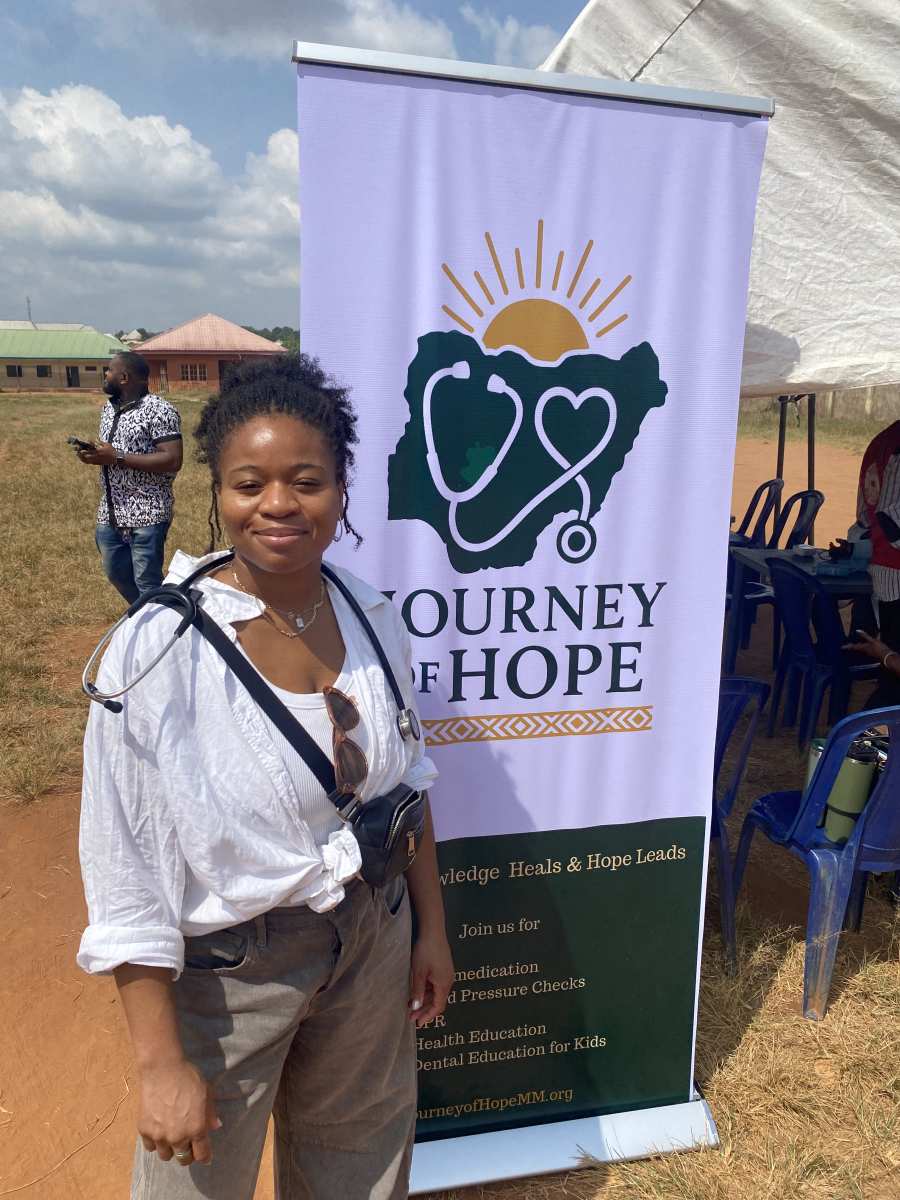
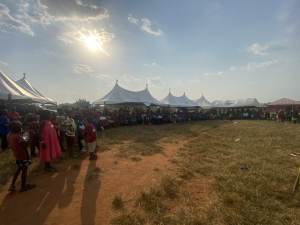
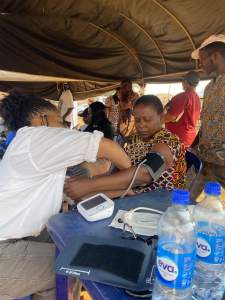
The time spent at the health fair was deeply nurturing—both for myself and for the residents of the village of Ekpoma. It was a comprehensive, community-centered experience designed to provide health education and basic services in a way that was culturally sensitive and aligned with the literacy levels and socioeconomic realities of the population.
We provided education on hypertension, high cholesterol, diabetes, emergency bleeding control, dental hygiene, hand hygiene, and mental health and stress management. On-site blood pressure screenings were conducted, and we were able to identify and connect high-risk individuals with local medical care, supported by the Red Cross. Basic medications for pain management and vitamin supplementation were also distributed. To support overall well-being during the event, meals and beverages were provided to all participants.
Community engagement exceeded expectations, with over 300 participants eagerly attending to access education, screenings, and services. In a setting where poverty and limited healthcare access often place even basic health needs outside daily budgets, the urgency, gratitude, and openness of the community were profoundly evident. Even the most modest services were received with deep appreciation, underscoring the immense impact of accessible care.
At the same time, it was disheartening not to be able to offer the breadth of healthcare services that are considered standard in the United States. This reality further highlighted the significant global disparities and inequities in health access. Despite these limitations, the joy, hope, and sense of empowerment within the community were unmistakable.
With increased investment, partnerships, and support, I strongly believe this health fair can continue to grow and evolve into a powerful annual event—driving meaningful, long-term improvements in health education, disease prevention, and community well-being in Ekpoma.