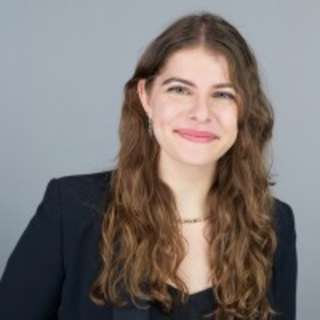
In collaboration with Dr. Tsion Firew and the Africa Health Sciences University (AHSU), I will participate in developing and strengthening Rwanda’s first Emergency Medicine residency program. As an Emergency Medicine PGY-3 from NewYork-Presbyterian Columbia/Cornell, I will assist in teaching procedural skills, simulation-based training, and small-group didactic sessions for Rwandan emergency medicine residents and faculty across multiple teaching sites, including King Faisal Hospital and district hospitals such as Kibuye Level 2.
This project aims to build local emergency care capacity through interactive, competency-based education. Teaching will include hands-on sessions in airway management, resuscitation, ultrasound, and critical procedures, alongside case-based discussions to strengthen clinical reasoning. By engaging residents in simulation and bedside teaching, the project will promote sustainable skill transfer and help advance emergency systems in a setting where acute care access remains limited.
This initiative primarily serves Rwandan Emergency Medicine residents and faculty at AHSU and their patients. Th goal is for the Rwandan population to benefit through improved access to timely, high-quality acute care, especially in underserved regions where emergency services are still developing.
The program includes trainees at district, referral, and tertiary levels, ensuring broad geographic reach and equity of training. By supporting these residents, we contribute to strengthening Rwanda’s healthcare infrastructure, improving outcomes for patients with trauma, infectious diseases, obstetric emergencies, and other time-sensitive conditions common in the region.
The expected impact is two-fold: immediate enhancement of clinical competency among Rwandan EM residents, and long-term sustainability of an indigenous emergency care workforce. Training in simulation, procedural proficiency, and structured didactics will enable residents to teach and mentor future cohorts, ensuring continuity of local expertise.
On return, I will integrate lessons learned into our Columbia–Cornell global health curriculum, sharing insights on cross-system training, resource-adapted care, and curriculum development. Continued collaboration between AHSU and NYP faculty aims to build a lasting academic exchange, fostering mutual growth and the global advancement of Emergency Medicine as an international specialty.




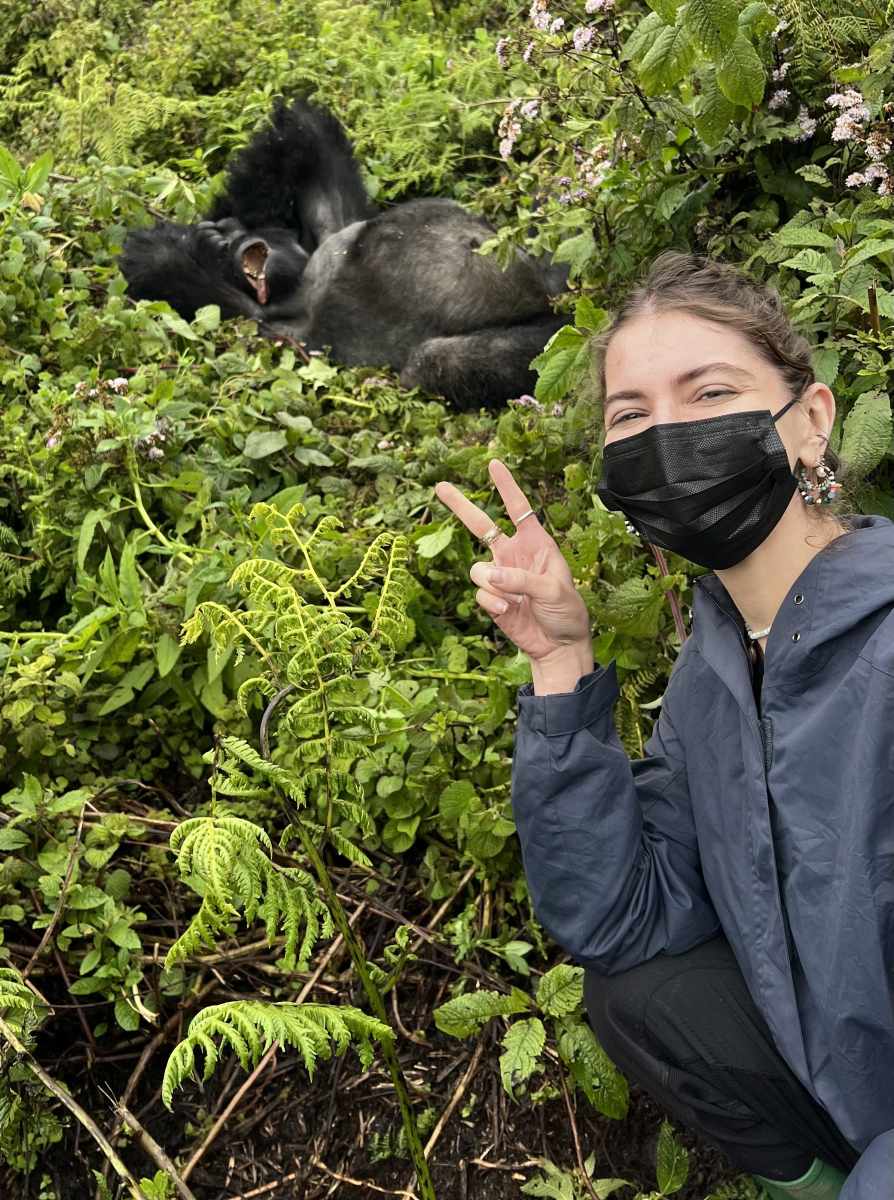
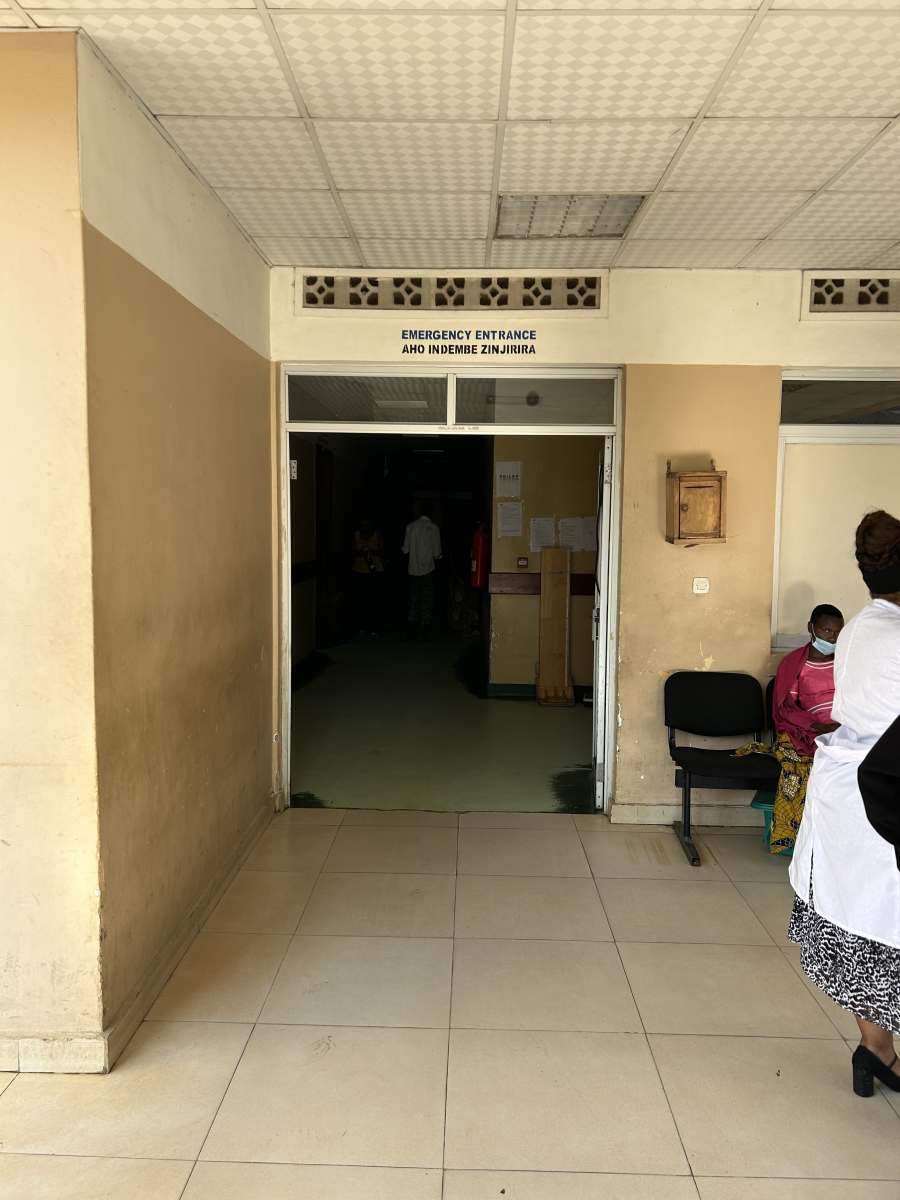


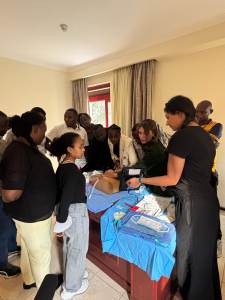


I spent a month in Rwanda working across three different hospitals associated with AHSU (African Health Sciences University) focused on emergency care education and procedural training. Working within a newer emergency medicine residency, the experience was centered not just on teaching, but on helping build something that will hopefully continue to grow long after I leave. This work was supported by funding from Doximity.
A lot of my time was in the emergency department doing bedside teaching, working through cases with residents, using point-of-care ultrasound, and giving more formal lectures. A big focus throughout was sustainability. The goal was to help residents build skills they can pass on to the trainees coming up behind them rather than providing one-time teaching.
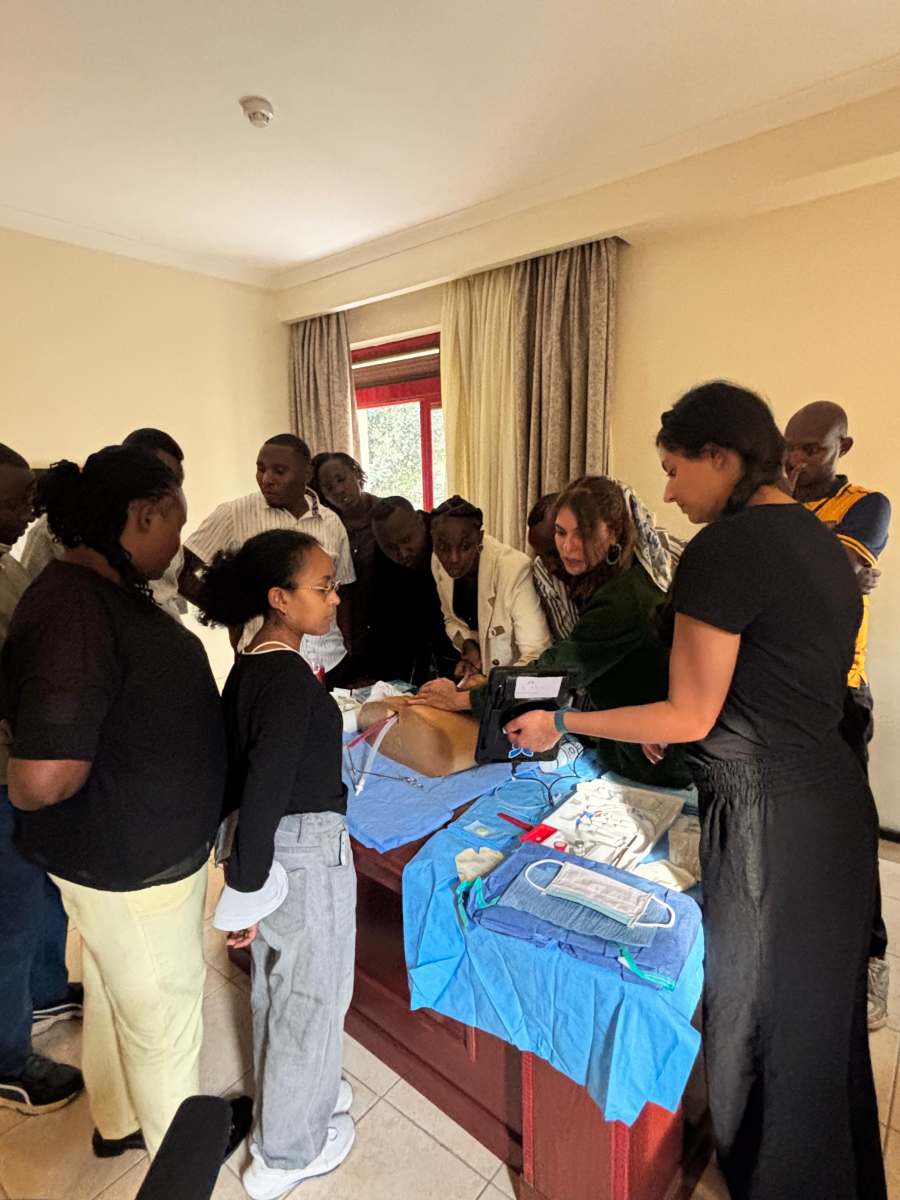
Through bedside teaching and small-group procedural sessions, we focused on practical skills like central line placement, ultrasound-guided IV access, and intranasal sedation. The emphasis was on building confidence through repetition so that these skills can continue to be taught and reinforced within the program in years to come. These sessions extended beyond the emergency department to the ICU and anesthesia teams, with each session adapted to their specific workflows. I used high-fidelity training models brought from the US to make things as hands-on and realistic as possible.
I also learned a huge amount from the residents and teams there. Watching how they approach care, prioritize limited resources, and problem-solve in real time pushed me to think differently and grow in ways I didn’t expect.
It was a month that challenged me, gave me a new perspective on practicing with limited resources, and will definitely shape how I think about teaching and patient care going forward.