This project will facilitate a humanitarian medical service trip to Panama most are traveling Nov 29- I hope to do a pre trip collaboration Nov 29@ AC HOTEL MARRIOTT IN PANAMA CITY (Nov 30- Dec 6, 2025), in collaboration with Floating Doctors, to provide medical care, health education, and community outreach in remote, underserved areas. A team of University of Lynchburg students and faculty will assist in mobile medical clinics, conduct community health assessments, and provide preventive and acute care for indigenous populations with limited healthcare access. The project aims to enhance healthcare delivery, improve patient outcomes, and foster cross-cultural medical training, equipping participants with critical skills in global health, tropical medicine, and emergency response. This initiative will make a difference by directly addressing medical needs in these communities while preparing the next generation of healthcare providers to work in resource-limited settings.
This project will serve the indigenous Ngäbe-Buglé people and other rural communities in Panama, who experience significant healthcare disparities due to geographic isolation, limited resources, and systemic barriers to medical services. Many individuals in these communities face high rates of malnutrition, infectious diseases, chronic conditions, and maternal-child health challenges with little or no access to routine medical care. By providing direct patient care, preventive health education, and capacity-building initiatives, this project will improve short-term health outcomes while supporting Floating Doctors’ long-term mission of sustainable healthcare development in the region.
The expected impact of this project is twofold:
1. Immediate Community Health Benefits – By offering direct medical care, screenings, and health education, this initiative will help address urgent medical needs and chronic health conditions, improve preventive healthcare efforts, and support public health interventions in underserved communities.
2. Long-Term Professional & Educational Growth – For students and faculty, this experience will provide invaluable hands-on training in global health, cultural competence, and field medicine, reinforcing skills in adaptability, leadership, and interdisciplinary collaboration. These learnings will extend beyond the trip, as participants apply their experiences to future careers in medicine, public health, and emergency response, fostering a lifelong commitment to service and humanitarian healthcare.
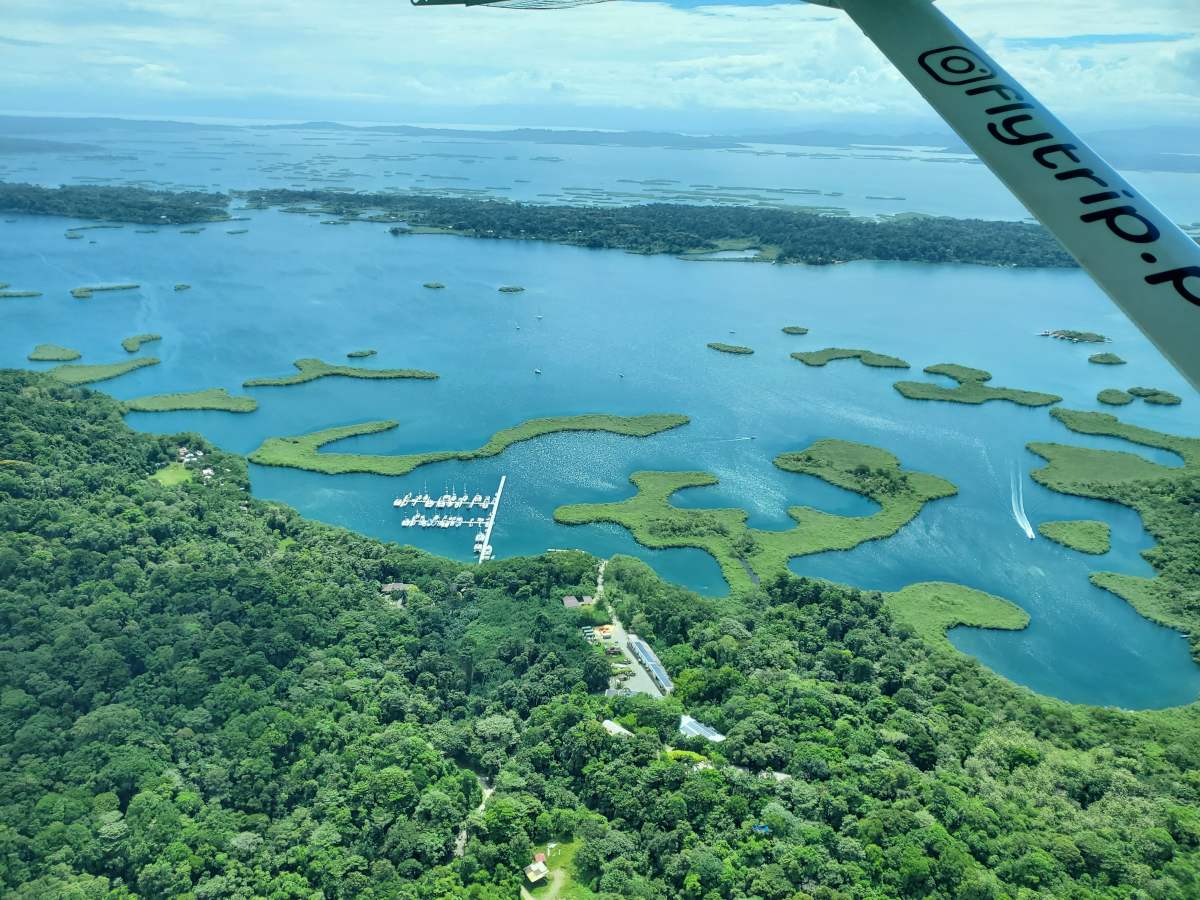
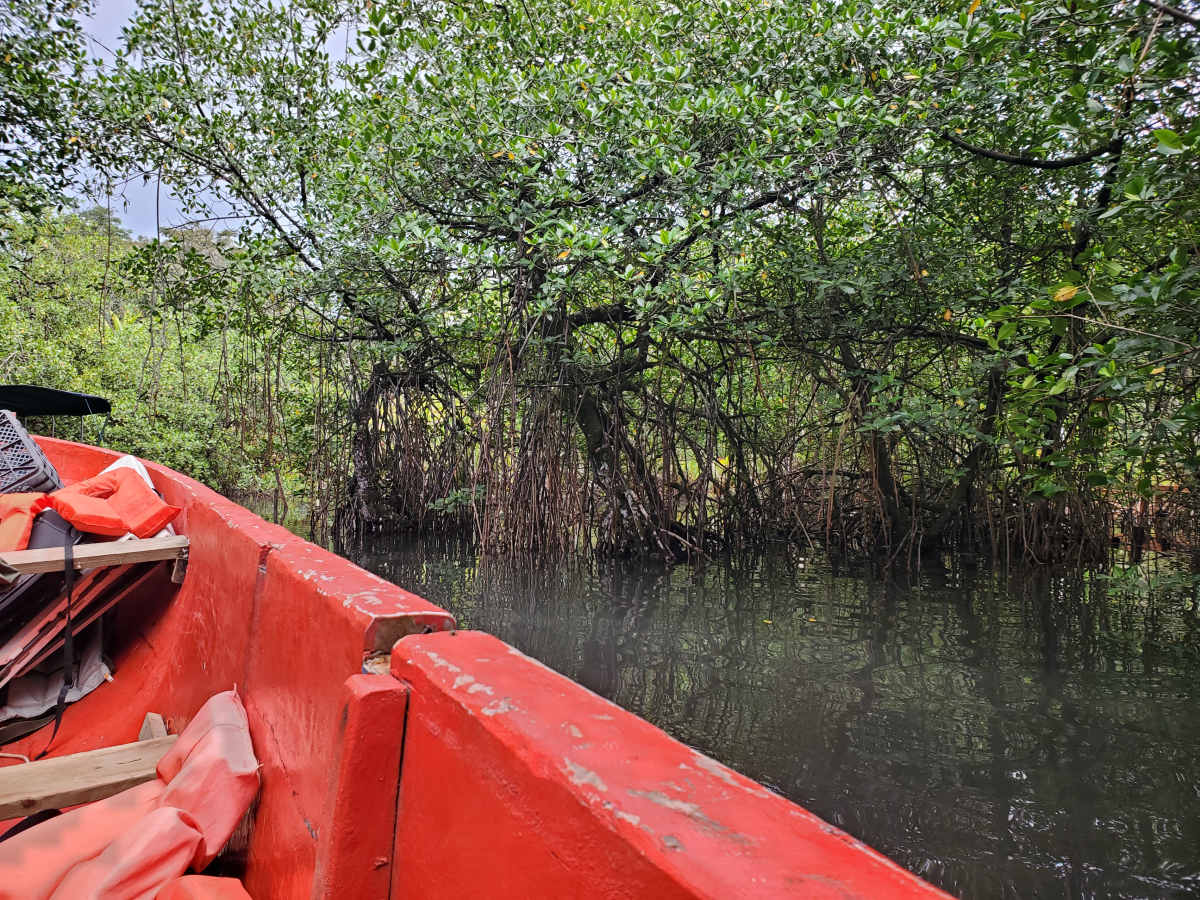
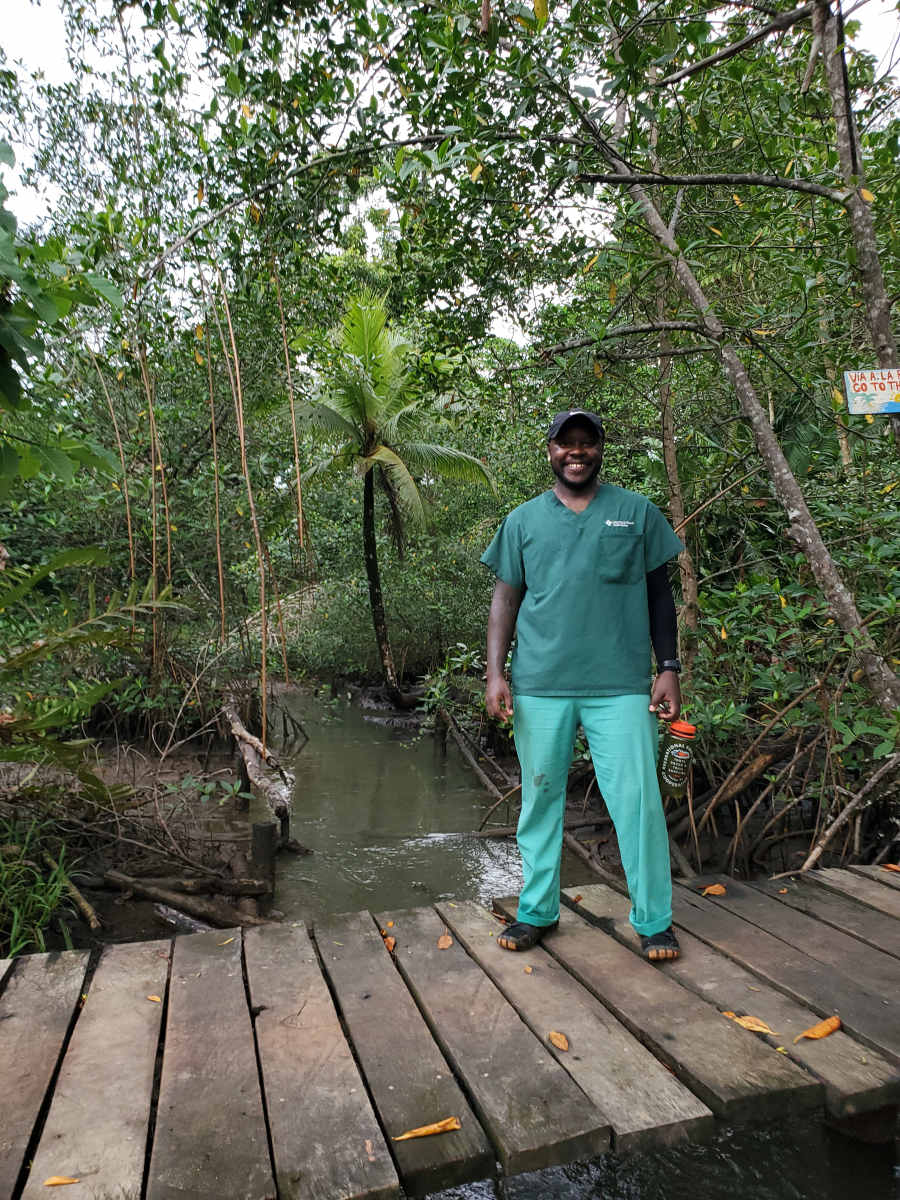
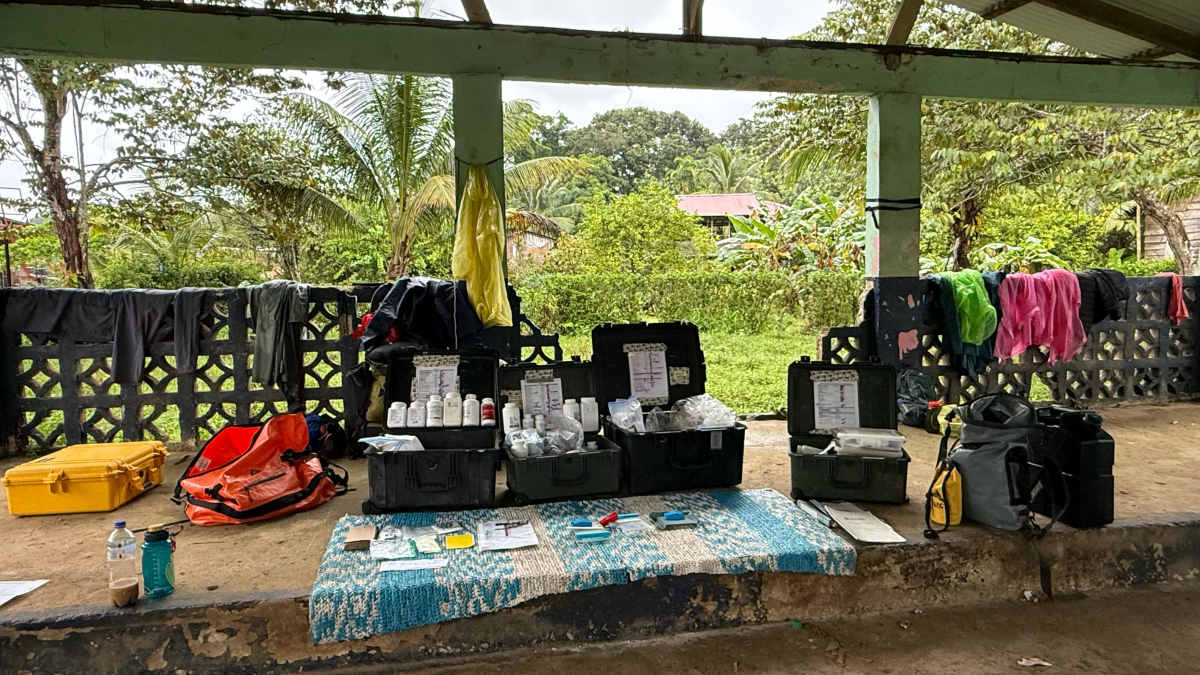
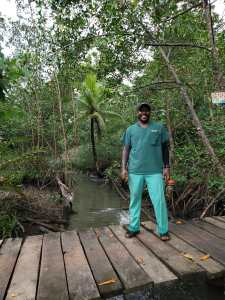
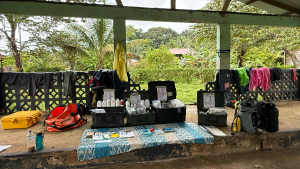
Our team traveled to remote, underserved areas in indigenous Ngabe communities in Panama. Over the course of the week, we saw all ages from infants to elderly, and managed a wide variety of conditions ranging from diabetes and epilepsy to parasites and fungus. We performed single day clinics where we traveled to a community to set up a clinic, saw patients throughout the day, and then departed the community once the day was over. We also performed a multi-day clinic where we traveled to a community and lived among them for multiple days, setting up a clinic at the start of each day. This trip provided experience in humanitarian medicine and served as an introduction to international collaboration, with medical providers from multiple countries present. It was a great way to interact with local communities and bring healthcare to areas with limited access and learn about indigenous cultures.