The goal of this project is to gain a clinical exposure to both the inpatient and outpatient care settings of The Tuba City Regional Healthcare Corporation (TCRHCC) and develop strategies for cancer epidemiology and oncology access needs for this unique population. The TCRHCC is a comprehensive southwestern based Indian Health Service (IHS) site that serves one of the largest Native American populations in America, specifically the Navajo and Hopi nations. The TCRHCC serves patients in remote and low-resource settings with limited access to reliable transport or specialty care. As a frame of reference, 78% of the roads in the Navajo nation are unpaved and are vulnerable to severe weather changes. The TCRHCC in Tuba City offers both an inpatient hospital where patients can access high acuity services and the nation’s only culturally adapted cancer center specifically structured to serve Native American cancer patients in the region. This cancer center offers in-depth cancer screening services as well as financial coverage for cancer-specific testing. This clinic offers access to first line therapies for most cancer types and relies on local academic partnerships for sub-specialty services (i.e., surgery, radiation, cellular therapies) for those requiring more advanced diagnostics/treatments. I am currently applying into heme/onc fellowship to become in an oncologist in the next 3 years. The timing of this rotation is perfect for the end of my internal medicine residency because it can allow me to establish strong connections with the patients and providers at TCRHCC, specifically in their cancer clinic to continue this work into the future during oncology fellowship. In addition to working with native patients with cancer, my deliverables would be to construct a cancer patient survey to aid in building a cancer epidemiology heat map (using patient zip codes) and patient-centered needs assessment to address the major issues patients face when accessing their care.
The TCRHCC serves one of the largest Native American populations in the country comprised of large tribal nations in the southwest such as the Navajo, Hopi, Zuni and Apache tribes. The individuals served by TCRHCC live in rural and low-resourced settings with many living near or at the 100% federal poverty line. They rely heavily on public services offered from the federal and local governments for care access. Cancer epidemiological studies on this population, while limited, display some of the worst cancer disparities in the country for any racial/ethnic group. They include an especially high burden of infection associated cancer such as those related to HPV, HIV, H pylori and Hep B/C. Thus my project's focus will be on low cost and exposure-based strategies that can help target resources for cancer prevention to the most vulnerable patient populations. This population has higher incidence rates for renal cell, hepatobiliary and cervical cancers in addition to a higher baseline burden of chronic disease relative to the rest of the US. Finally, familial exposures are an important and understudied area within this population given the long-standing history of uranium purification and nuclear bomb testing that occurred in the region served by the TCRHCC primarily during the Manhattan Project.
This project will balance both epidemiology work as well as direct clinical work, seeing patients in both inpatient and outpatient settings in the cancer clinic at TCRHCC. The initial impact of this project will include a cancer epidemiology heat map focused on particularly high prevalence cancers in this population. I will aim to pilot a survey offered to patients seen in the cancer clinic and mobile health teams to begin data collection on individuals/families with cancer. My hope is that developing heat maps for notably high prevalence cancers will help cancer-focused public health initiatives to target resources towards the most in-need groups of patients. Further, the survey will also ask about needs assessments (transportation, food, time off work, etc.) so the clinic and public health authorities can focus resources on the primary barriers patient cite as limiting their access to cancer care. After this initial pilot, my long-term goal will be to continue returning to TCRHCC during my heme/onc fellowship and into my career as an oncologist to develop strong ties to this IHS site. I would want to continue working as a consultant for the cancer clinic at TCRHCC and building out their cancer epidemiology resources for the public health infrastructure in the region. I would also wish to aid in supporting the TCRHCC's cancer center in forming connections with academic centers in the region that patients can receive referrals to for subspecialty and tertiary medical care needs.

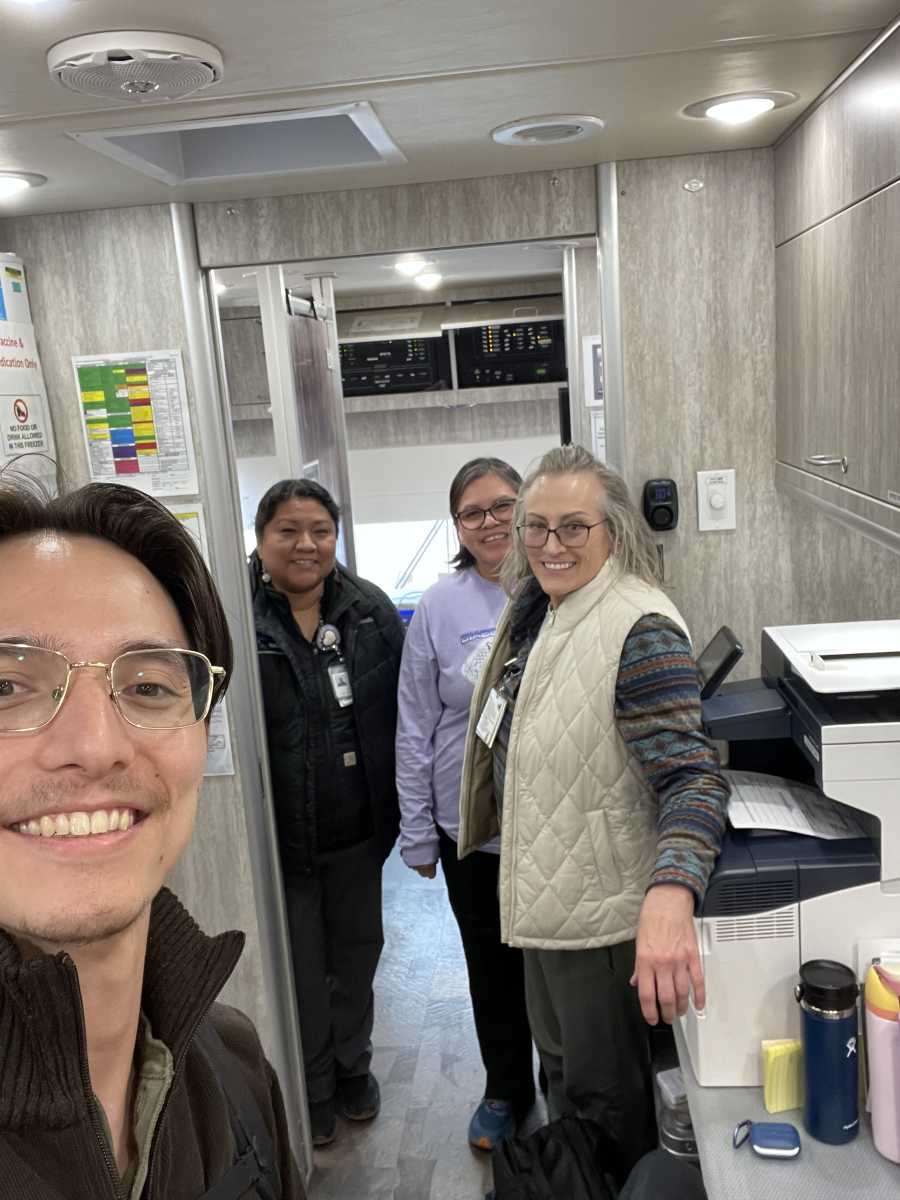

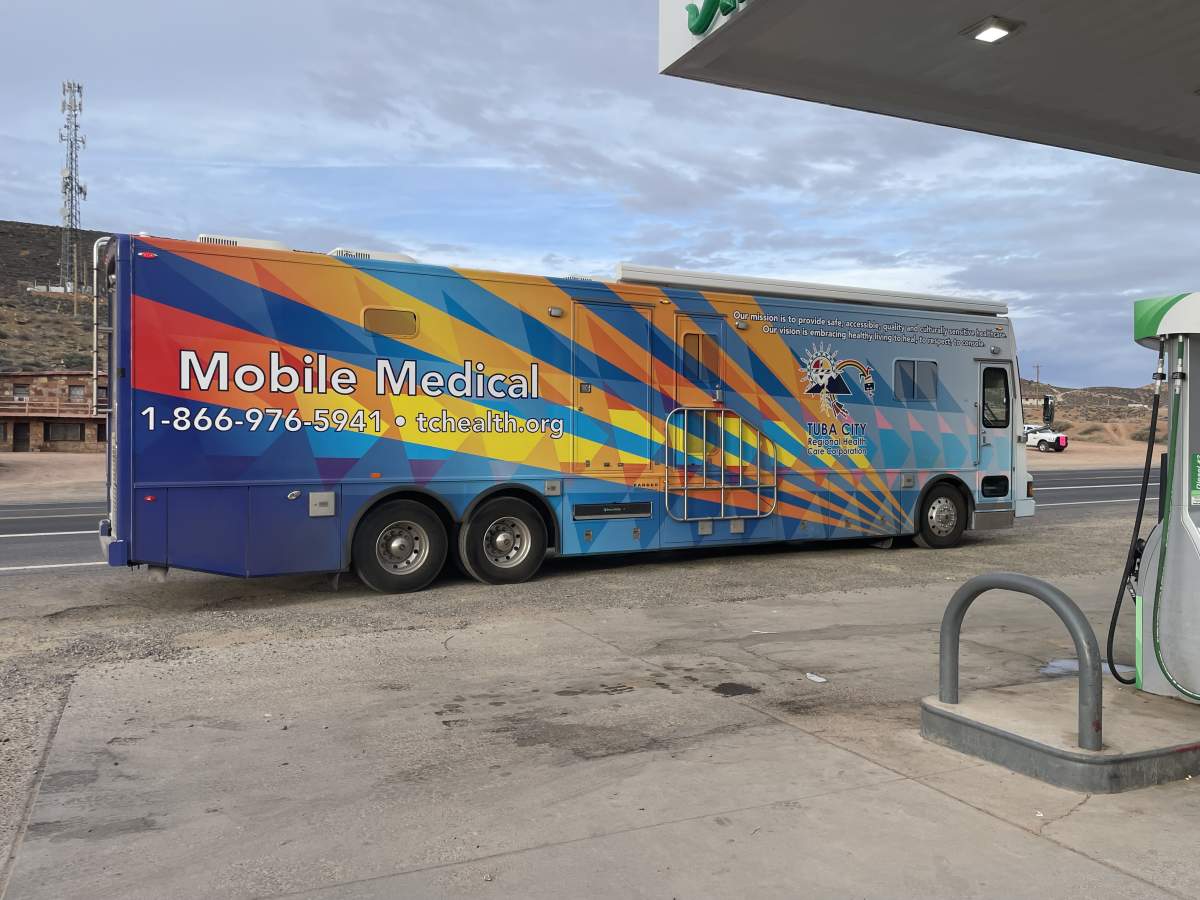


I worked for 4 weeks primarily in the oncology clinic at the Tuba City Regional Health Corporation. It is the only IHS reservation site that provides oncology care to tribal communities. We worked primarily on providing medical infusions and aiding patients with referrals with other subspecialty services. The care provided has a multi disciplinary team of providers, nurses, navigators and social workers to aid with wrap around services for this vulnerable patient population. Finally, I helped with the mobile health unit that drives out to rural communities to provide basic primary care and improve cancer screening uptake in hard to reach communities on the Navajo Nation.