As an emergency medicine physician, I’ve always been drawn to the idea that medicine is both a science and a service — one that extends far beyond the walls of any single hospital. My upcoming opportunity to work in the Emergency Department in Blantyre, Malawi, is not just a chance to practice in a new environment, but to contribute, learn, and grow alongside a team of clinicians who provide high-quality care despite limited resources. I hope to make a difference through collaboration, education, and patient-centered care that strengthens both the system I join and the perspective I bring back home.
My most immediate goal will be to deliver excellent, compassionate patient care. Emergency medicine is about adaptability — using whatever resources are available to stabilize, diagnose, and treat patients in critical need. I plan to use my clinical experience managing high-acuity cases to support the local team.
I know that coming from a resource-rich environment means I’ll have to unlearn certain habits and recalibrate my approach. What makes a difference won’t be the ability to do more, but the ability to do what matters most — efficiently, safely, and respectfully. My goal is not to impose new ways of doing things but to understand the systems already in place and find ways to support them.
A key part of this experience will be cultural exchange. Medicine is universal in its purpose, but local in its practice. To make a genuine difference, I’ll need to approach every interaction with humility — learning about the community’s beliefs, communication styles, and challenges.
Practicing in this environment will also challenge me personally. It will push me to be more mindful about resource utilization, to think critically about what is essential, and to communicate clearly across cultural and language differences. These are skills that will make me a better physician no matter where I practice.
The primary beneficiaries of my project will be patients seeking emergency care in Blantyre, Malawi, as well as the local physicians who provide that care. Many patients arrive at the emergency department with life-threatening conditions such as trauma, infection, or obstetric complications, often after long delays in access to treatment. Limited resources, high patient volumes, and staffing challenges make timely, effective care difficult to deliver. By working alongside the local team, I aim to strengthen clinical processes that improve patient outcomes and support the staff who make that possible.
This population was chosen because the emergency department represents a critical access point in Malawi’s health system. Focusing on this environment allows even short-term efforts to benefit both individual patients and the broader system.
I am particularly drawn to this population because emergency medicine, at its core, is about equity: every person deserves access to life-saving care, regardless of resources. By contributing to a department that manages so many of the country’s most vulnerable patients, I hope to help strengthen both capacity and confidence within the local team. My goal is not to bring external solutions, but to collaborate in ways that empower the clinicians already doing extraordinary work with limited means — ensuring that patients in greatest need receive care that is timely, dignified, and effective.
The expected impact of my time in Blantyre will come from caring for patients alongside the local emergency medicine team. Many people who arrive at the emergency department are critically ill and face long waits or limited resources. By working directly with Malawian clinicians and nurses, I hope to help manage the daily workload—assessing, treating, and stabilizing patients together as a cohesive team. My goal is not to disrupt existing systems but to contribute where I’m needed most: at the bedside, providing timely and compassionate care.
I expect this experience will sharpen my clinical judgment and adaptability. Practicing medicine where every intervention must be thoughtful and efficient will remind me that good emergency care is built on teamwork, communication, and trust—not technology. Watching and learning from local clinicians who deliver excellent care in challenging circumstances will be one of the most meaningful parts of the experience.
The impact I hope to leave is simple: to share the workload, to learn from my colleagues, and to ensure that each patient I encounter receives the best care possible that day.
After returning home, I know the lessons will stay with me. I will carry forward a deeper appreciation for resourcefulness, empathy, and patient-centered care. The experience will remind me that medicine, at its best, is a shared human effort—defined by collaboration, humility, and the universal commitment to relieve suffering, wherever we practice.
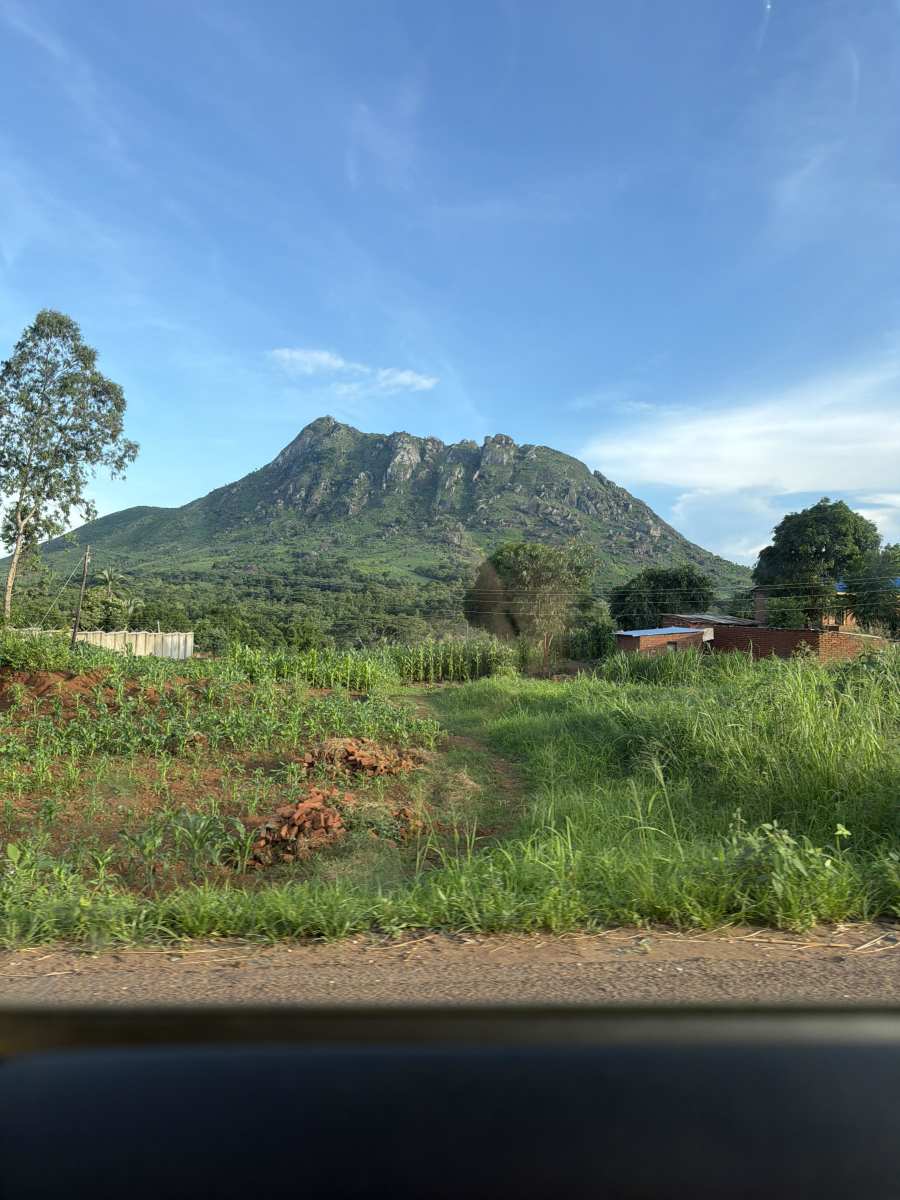
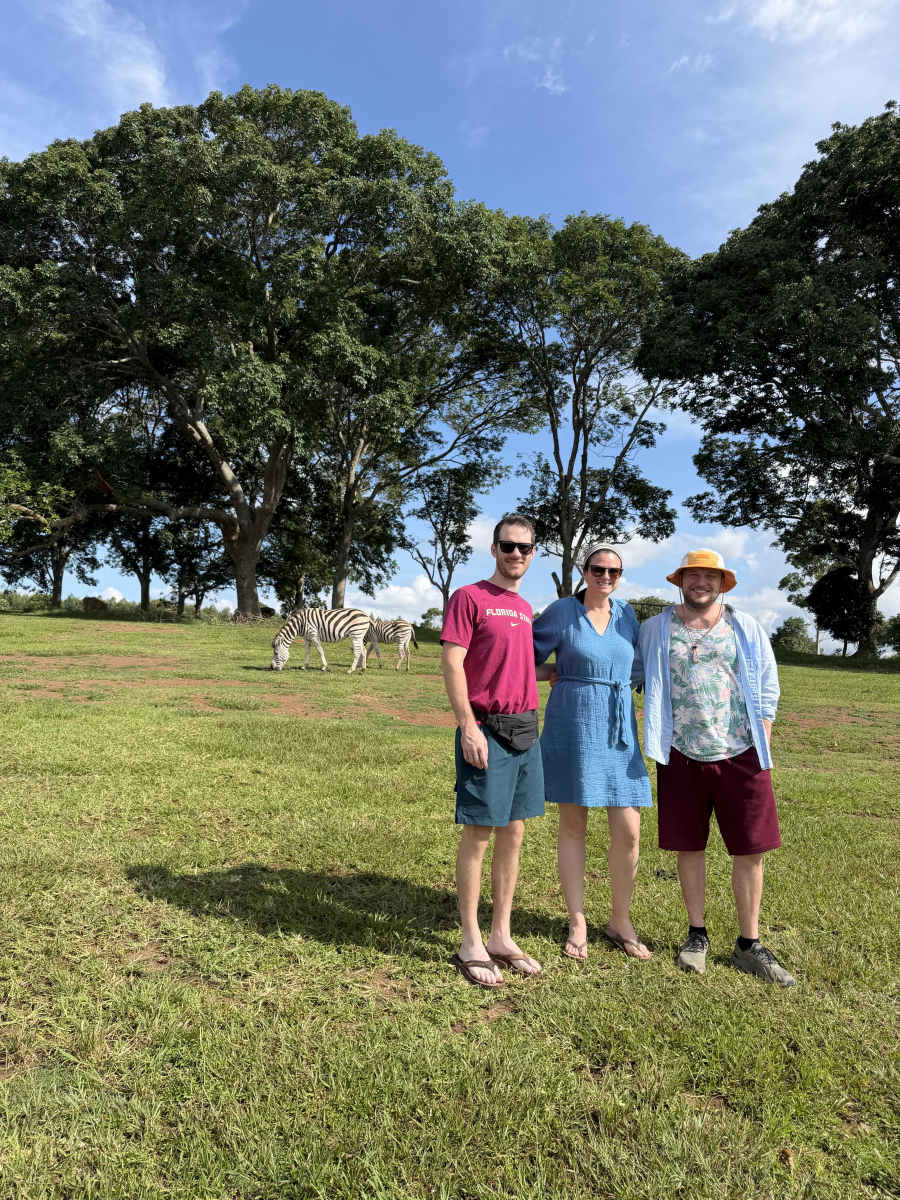
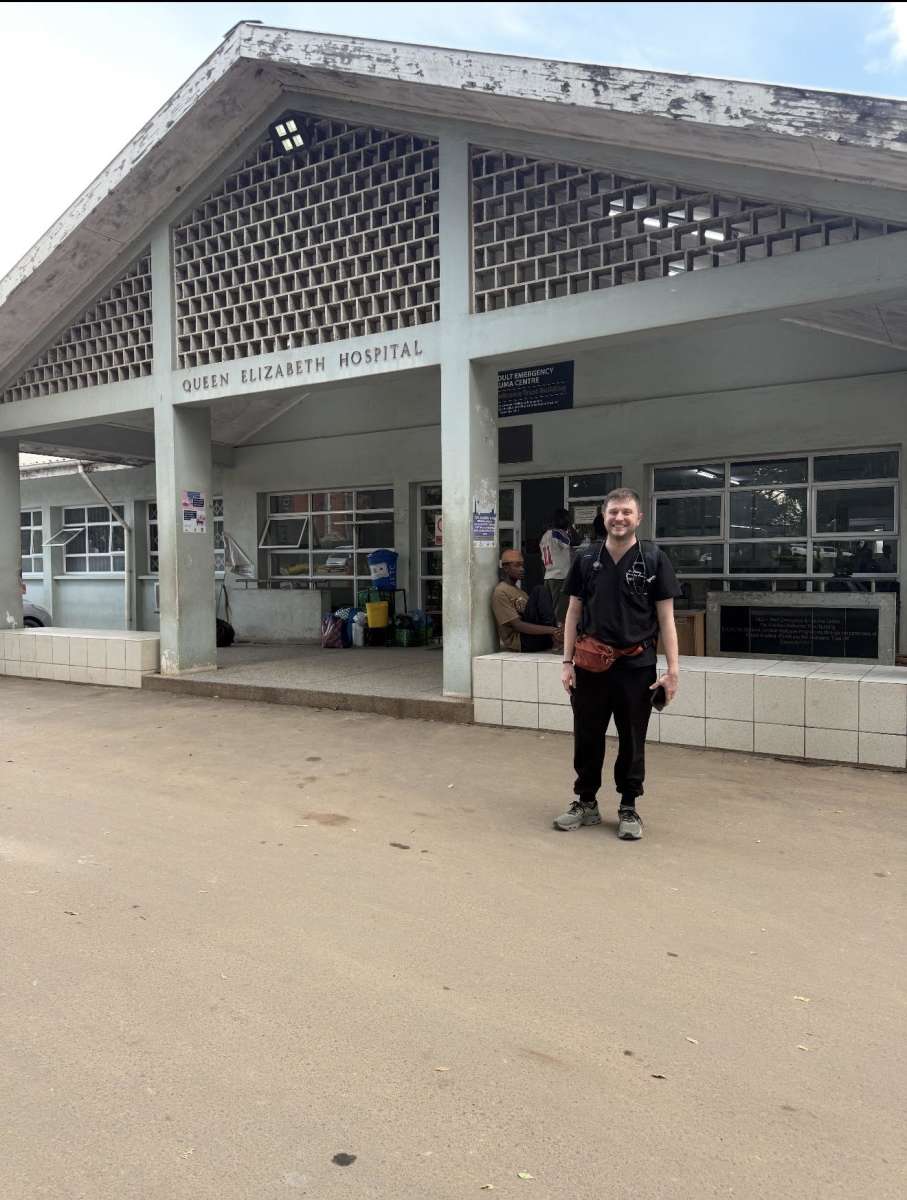
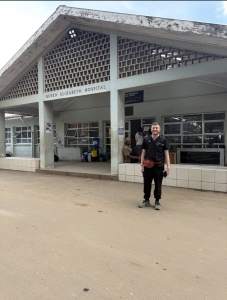
The people most visibly impacted by my trip to Malawi were the patients and families who came through the Emergency Department, but the experience also touched a much broader circle: the local clinicians with whom I worked, the hospital staff who sustain care under difficult conditions, and even those waiting quietly outside the hospital walls. While my presence was temporary, the encounters were real, human, and often deeply personal.
Many of the patients I treated arrived late in the course of illness, having traveled long distances with limited transportation and resources. For some, reaching the hospital meant hours on foot, crowded minibuses, or borrowed funds. In that context, simply being seen—quickly, attentively, and with respect—carried weight. A child with severe malaria whose fever finally broke after treatment, an elderly man in respiratory distress who could sit upright and breathe more comfortably, a young mother whose pain was controlled after hours of suffering—these were modest clinical victories by any emergency medicine standard, yet profoundly meaningful in that setting. Relief was often visible not only in the patient, but in the posture and expressions of accompanying family members who had been quietly bracing for the worst.