Despite national programs distributing micronutrient powders and promoting iron supplementation, anemia prevalence among children and young women remains high. Local rates continue to exceed national averages by significant amounts. Poor adherence to supplementation regimens and inconsistent follow up have been identified as major contributors to this persistent burden. Our hope is to conduct a quality improvement initiative aiming to analyze barriers to care and factors limiting progress in anemia reduction in Arequipa, Peru.
We will use retrospective clinic data and qualitative interviews with caregivers and health personnel from different sites in Arequipa to identify and compare key barriers. We anticipate barriers to include limited and confusing health information during clinic visits, inconsistent follow up, poor adherence due to negative perceptions of supplementation (e.g., side effects, poor taste), and insufficient time and resources for health personnel to address caregiver concerns. Socioeconomic demographic factors further complicate anemia management, adherence, and response to interventions.
Children and women of reproductive age are the most affected by anemia in Peru (and globally), and stand to gain the most from improvement in prevention, diagnostic and treatment strategies. Patients and caregivers will benefit from information, more consistent protocols, and culturally sensitive interventions that address their concerns and beliefs. Health care personnel will gain insights to improve patient education and enhance adherence/outcomes.
We hope findings will guide recommendations to strengthen educational resources, improve patient-centered care, and enhance caregiver engagement to promote adherence and address anemia at these clinical sites in Arequipa.
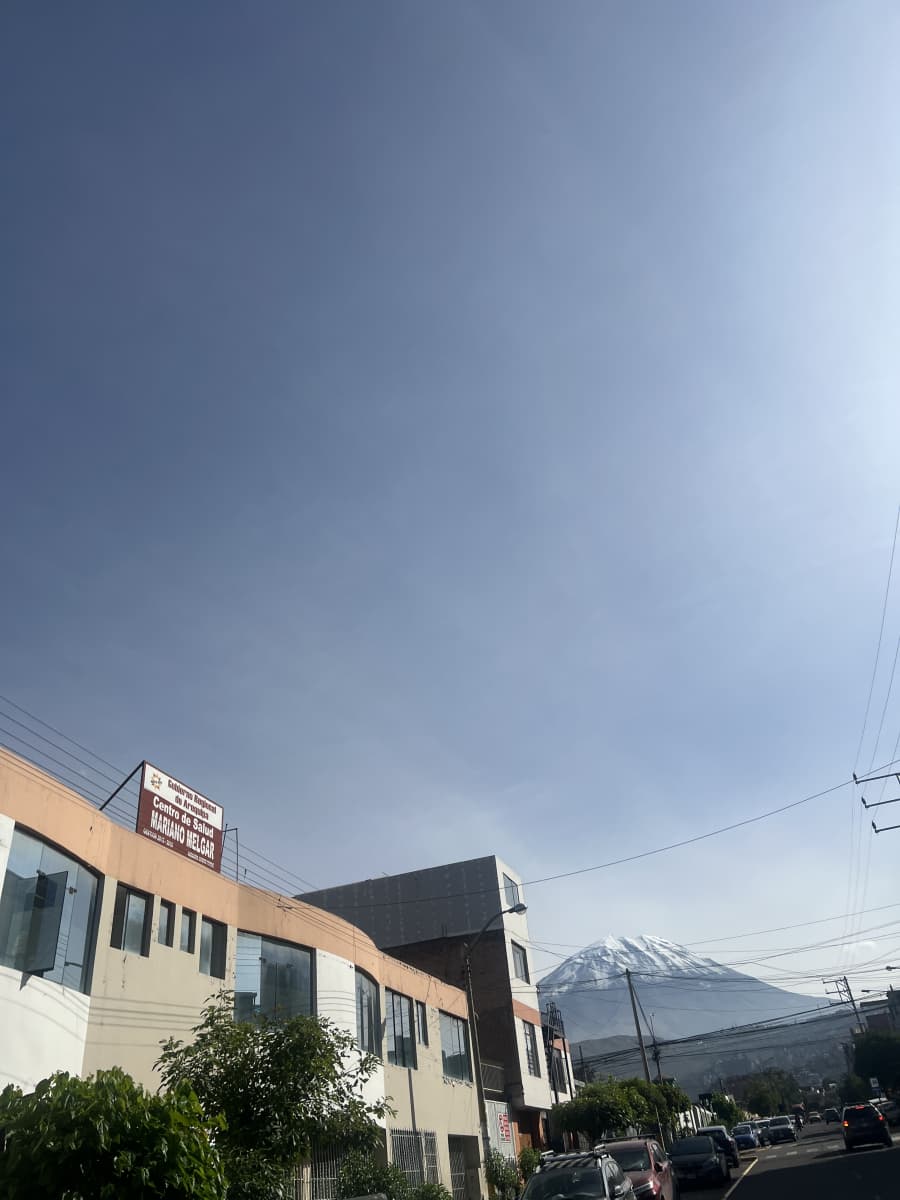

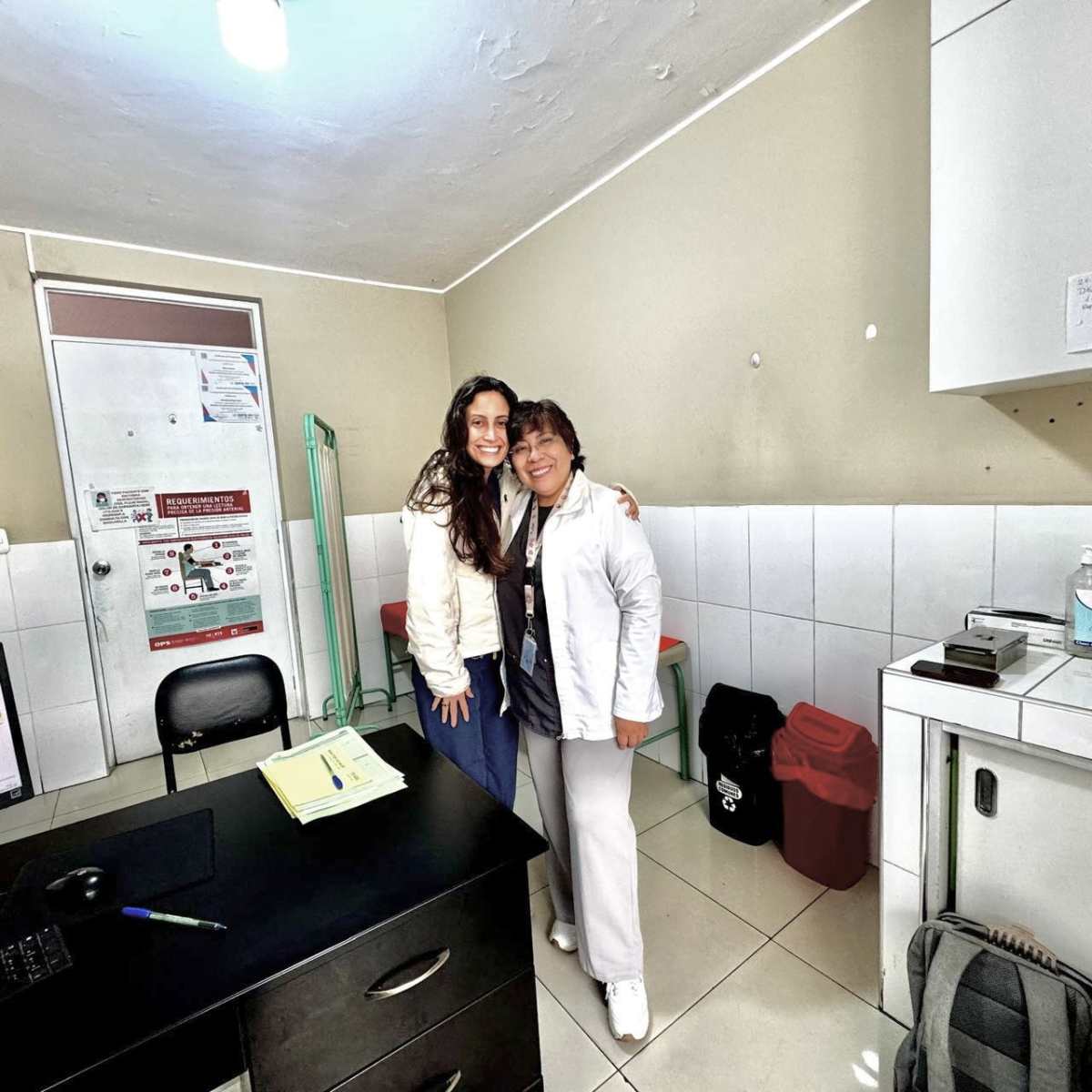


Although initially intended to be a research project, it evolved into a more immersive clinical experience and a practical needs assessment. The clinic relied primarily on paper-based charting systems, which made it difficult to access consistent, comprehensive information. As a result, my role shifted toward acting as an internal advocate, engaging closely with doctors, nurses, and support staff. These interactions allowed me to gain a deeper understanding of the workflow and identify systemic gaps and inefficiencies.
In addition to observing clinical practices, I developed a much broader perspective on healthcare delivery in a resource-limited setting. I learned a great deal about practicing medicine in a Latin American country, particularly the cultural considerations that influence patient care –from differences in approaches to medications to practices surrounding infant nutrition. Overall, the experience not only strengthened my clinical awareness but also deepened my appreciation for culturally responsive care and adaptable problem-solving in diverse healthcare environments.