I plan to use the Doximity Travel Grant to support a trip to Mulago National Referral Hospital and nearby community health centers in Kampala, Uganda, in collaboration with RAD-AID and Vanderbilt University Medical Center. RAD-AID is an international nonprofit that works to expand access to radiology in areas with limited resources by providing education, equipment, and sustainable partnerships.
During this visit, I’ll focus on both education and research in breast imaging. I will lead a series of daily lectures and hands-on sessions for sonographers, medical providers, and radiology residents using a new comprehensive breast ultrasound curriculum that I helped design with other radiologists and trainees. The curriculum combines radiology-pathology correlation, publicly available educational resources, and guidance from the American College of Radiology BI-RADS 5th Edition to help providers learn how to perform and interpret breast ultrasound in a structured and consistent way.
We also plan to pilot a portable breast cancer detection kit that can complete the entire diagnostic process, from initial exam to confirmed diagnosis, in approximately four hours. The kit combines ultrasound and a point-of-care cytology device to improve diagnostic speed and access in both hospitals and community clinics. In Uganda, we will test its accuracy, workflow efficiency, and patient experience compared with standard imaging methods.
This project aims to expand access to breast imaging, strengthen local education, and explore new ways to deliver timely breast cancer diagnosis in underserved settings.
This project will benefit both patients and medical providers in Uganda, including sonographers, radiology residents, and physicians.
As the new Vice Director of the RAD-AID Uganda Program and the Vanderbilt RAD-AID Chapter, I am helping to build partnerships between Vanderbilt, the University of Utah, and hospitals in Uganda to promote shared training and research. I also coordinate visiting Ugandan radiology fellows and residents rotating at Vanderbilt. This trip will allow me to strengthen those relationships through on-site education, mentorship, and patient care.
In Uganda, the average time from the first breast symptom to confirmed diagnosis is more than 11 months, far beyond the World Health Organization’s 60-day recommendation. The portable breast cancer detection kit offers a practical solution for faster, more affordable, and more accessible diagnosis in both urban and rural areas. Early data suggest it could help reduce delays, improve workflow, and make a meaningful difference for women across Uganda.
This project will help improve patient throughput and diagnostic efficiency at Mulago Hospital and regional clinics, while also expanding training opportunities for local providers and radiology residents.
After returning, I’ll continue working on joint research and training initiatives between Uganda and Vanderbilt, building on the relationships and collaborations strengthened during the trip. The breast ultrasound curriculum will remain freely available through the RAD-AID Learning Center, allowing ongoing access for providers around the world. This trip will provide valuable feedback needed to evaluate and refine the curriculum, with future plans of providing a globally accessible breast ultrasound training certificate.
By piloting the portable diagnostic kit, we hope to show that it’s possible to bring breast cancer diagnosis closer to patients which will reduce travel, time, and cost barriers while empowering local clinicians. This has potential to improve local medical care in remote areas of Tennessee as well as far reaching implications for providing care in remote areas globally.
In the long term, this project supports my goal of expanding global radiology education and creating sustainable opportunities for Vanderbilt trainees and faculty to engage in meaningful global health work.


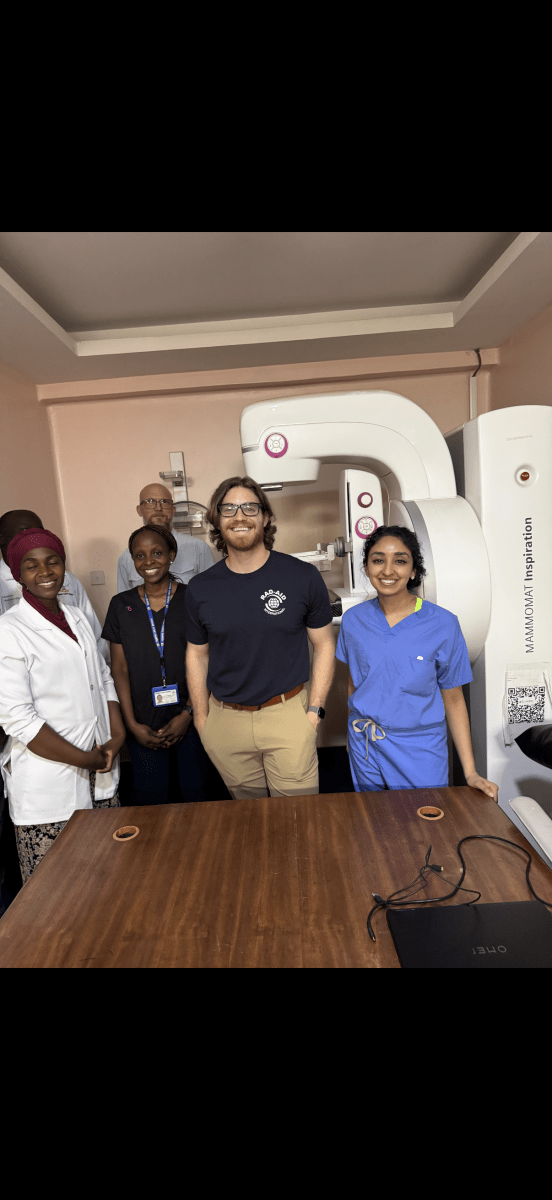


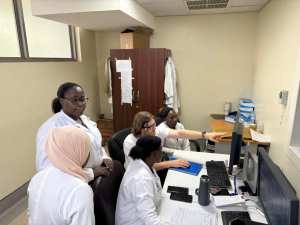



Uganda Educational and Clinical Collaboration – Mulago National Referral Hospital
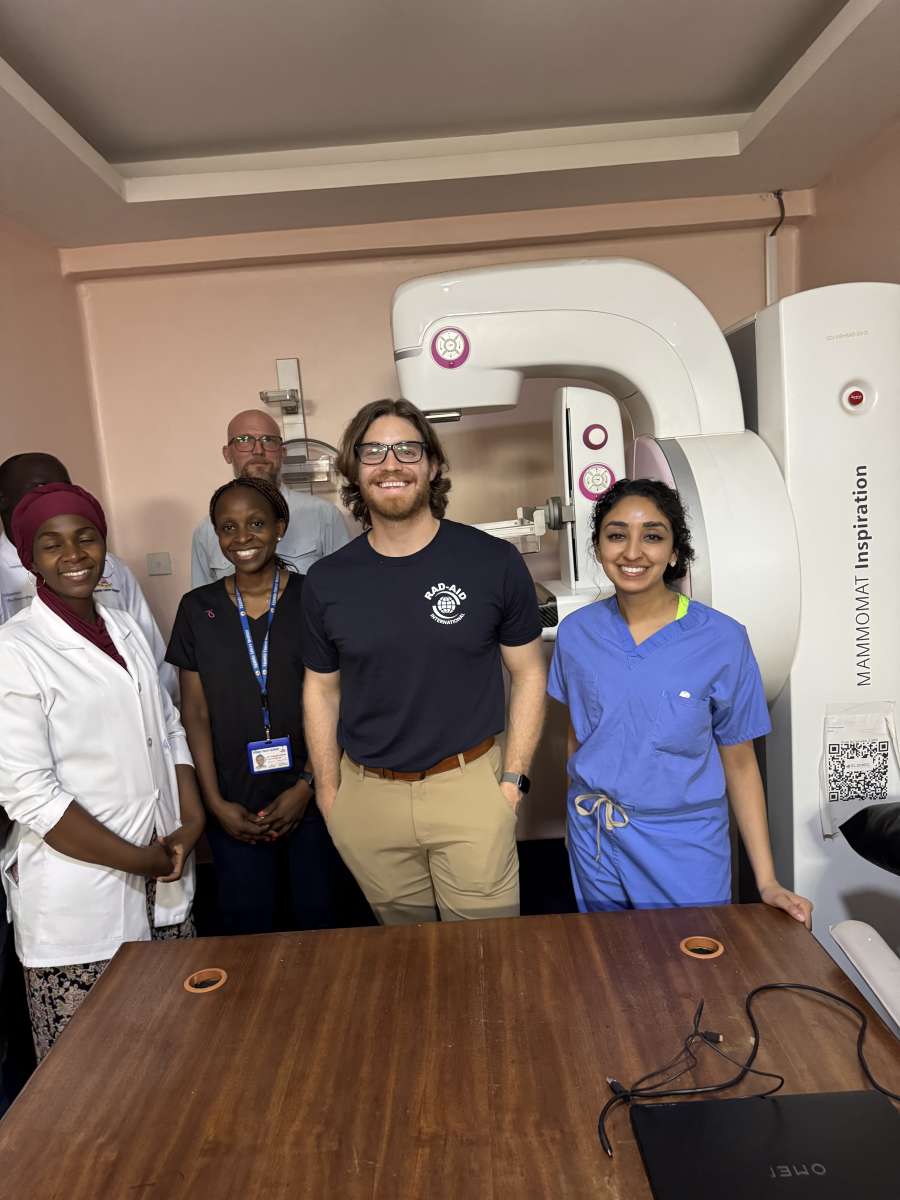
A multidisciplinary team consisting of radiologists and fellows subspecialized in emergency, neuroradiology, and breast imaging, along with an OB-GYN resident and an anesthesiologist, traveled to Mulago National Referral Hospital in Kampala, Uganda for educational collaboration and clinical capacity building.
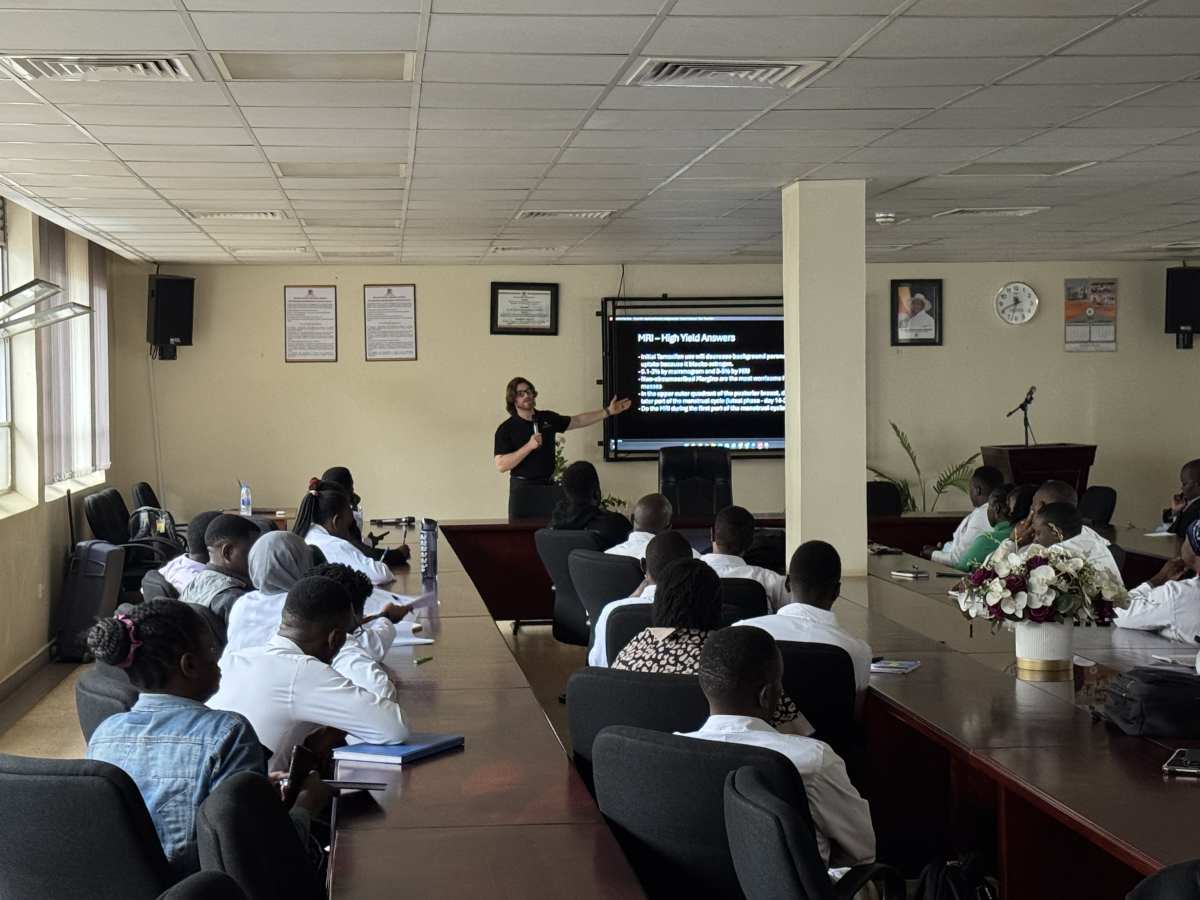
During the visit, we delivered a series of academic sessions and hands-on training focused on breast imaging and cancer diagnosis. Specifically, I delivered a Grand Rounds lecture on Breast MRI BI-RADS updates, reviewing current standards in MRI interpretation and reporting. I also presented the breast ultrasound curriculum I helped spearhead in collaboration with RAD-AID, providing structured education for radiology residents and radiography students/technicians on ultrasound fundamentals, lesion characterization, and practical scanning techniques.
Working directly with local radiologists and trainees, I reviewed and helped refine the hospital’s breast MRI protocol, and conducted small group teaching sessions demonstrating a structured breast MRI search pattern to support consistent interpretation in clinical practice.
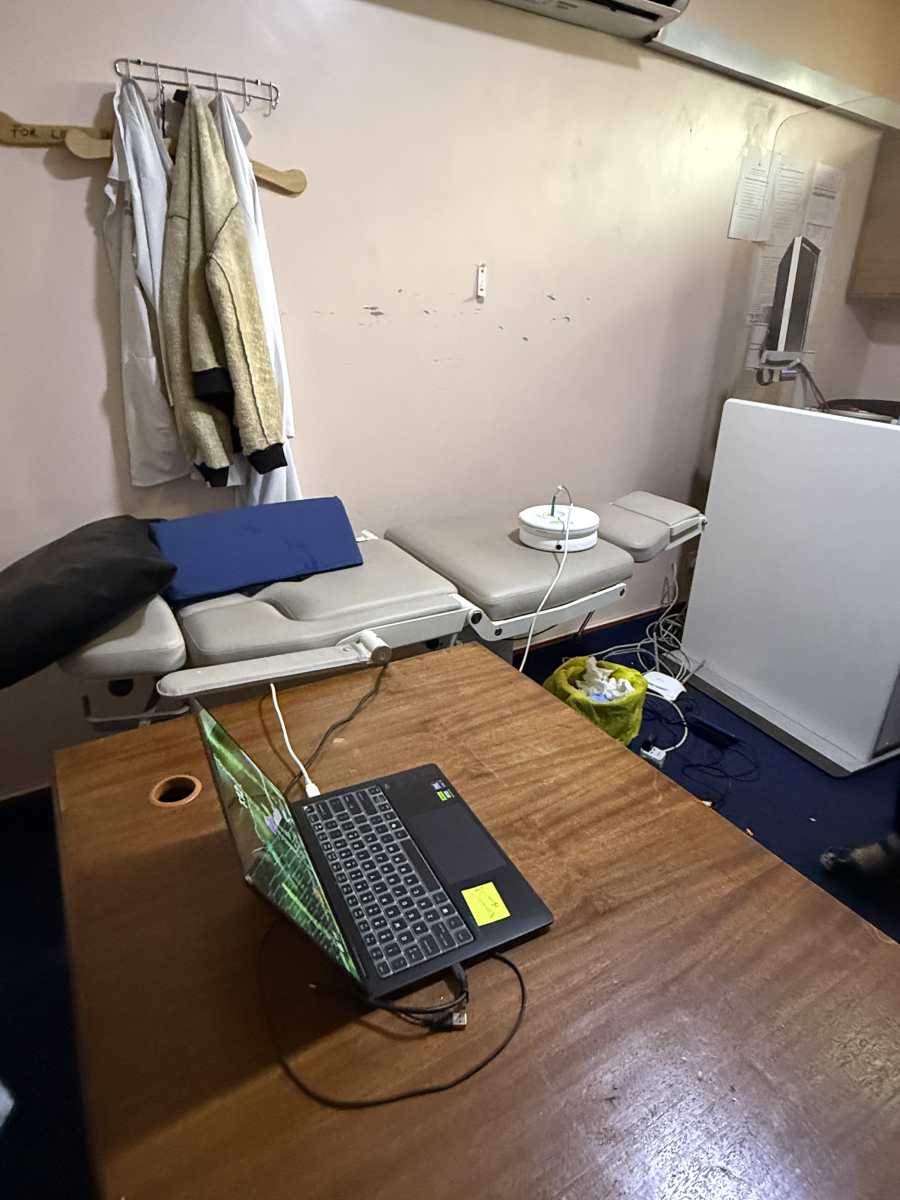
In collaboration with the Uganda Cancer Institute, I helped pilot a portable breast ultrasound detection kit designed to expand access to diagnostic breast imaging. Our team trained local providers, technologists, and residents on system setup, image acquisition, and integration into clinical workflow.
This collaboration helped strengthened breast imaging education, optimized imaging protocols, and is provided pilot data to evaluate innovative technologies that could expand access to timely breast cancer diagnosis in resource-limited settings.
This experience contributed to my own professional development by expanding my skilling in teaching across different levels of training. Additionally, this trip has helped me adapt my educational content to different variable resource environments. Traveling with a multidisciplinary team gave me a fresh perspective on global health and strengthened my own team-building capacity within global health. Finally, this visit helped reinforce my ongoing relationships with clinicians and trainees at Mulago National Referral Hospital and Uganda Cancer Institute. Prior to this visit, my relationship with hospital staff has been entirely virtual, by traveling in person, I was able to build a new level of trust and collaboration which will allow for continued future and on going collaboration with Mulago Referral Hospital and Uganda Cancer Institute. This trip helped establish a foundation for future breast imaging education, protocol development, and research initiatives that will allow for improved access to timely care for patients throughout Kampala, Uganda.