Pediatric emergency medicine is an emerging subspecialty in Rwanda. We are teaching residents in pediatrics and emergency medicine in Kigali as well as some of the referring hospitals in Rwanda. We are utilizing didactic lectures, case conferences and simulation as teaching modalities.We are also offering hands on training to the nursing staff who treat pediatric emergency patients along with these residents in these locations. We are working with medical school faculty and governmental officials to determine the feasibility and implementation of a pediatric emergency medicine and critical care fellowship in Rwanda.
We are also hoping to develop virtual conferences and lectures between our pediatric and emergency medicine residents at Brown Medical School and those at University of Rwanda and Africa Health Sciences University.
Our direct audience is residents in pediatrics and emergency medicine at the University Teaching Hospital of Kigali and King Faisal Hospital in Kigali and their affiliated referring hospitals. We will also provide educational opportunities for the nursing staff who work side by side with them in these locations pediatric emergency care areas. Ultimately this will benefit the children and families they treat both in the larger teaching hospitals in Kigali and the smaller and more rural referring and district hospitals that transfer patients to them.
In the process of advising the development of a subspecialty pediatric emergency medicine and critical care fellowship in Rwanda there would be a systematic benefit on health care throughout the country. The residency programs in Kigali also train a number of residents from other African countries so progress in Rwanda could have wide reaching affects throughout the region.
The direct impact is educational with are targeted audiences being young physicians who will be leading the fields of pediatrics and emergency medicine in Rwanda over the next 25 years or more. We leave educational materials with them and several of the residents have adapted modules for teaching in more remote sites in Rwanda and beyond already. Most of the residents we interacted with were fluent in a number of languages and able to reach audiences we could not. They also had direct knowledge of the resources available at these sites and adapt accordingly. From past experience we have seen that their goal is not to give a watered down version of what is done in the United States but to provide the same high quality care in sometimes challenging environments.
As economic development rapidly progresses across Rwanda pediatric emergencies that have been plaguing American and European countries are more and more common. Traumatic injuries such as motor vehicle crashes with significant head injuries and scald and electrical burns are more and far more prevalent. Medical emergencies such as sepsis and emerging infections are rising. And as infant mortality decreases and more children with congenital conditions survive, more complications of these conditions in childhood are being seen. We are preparing this next generation of physicians to treat children and young adults with these conditions.

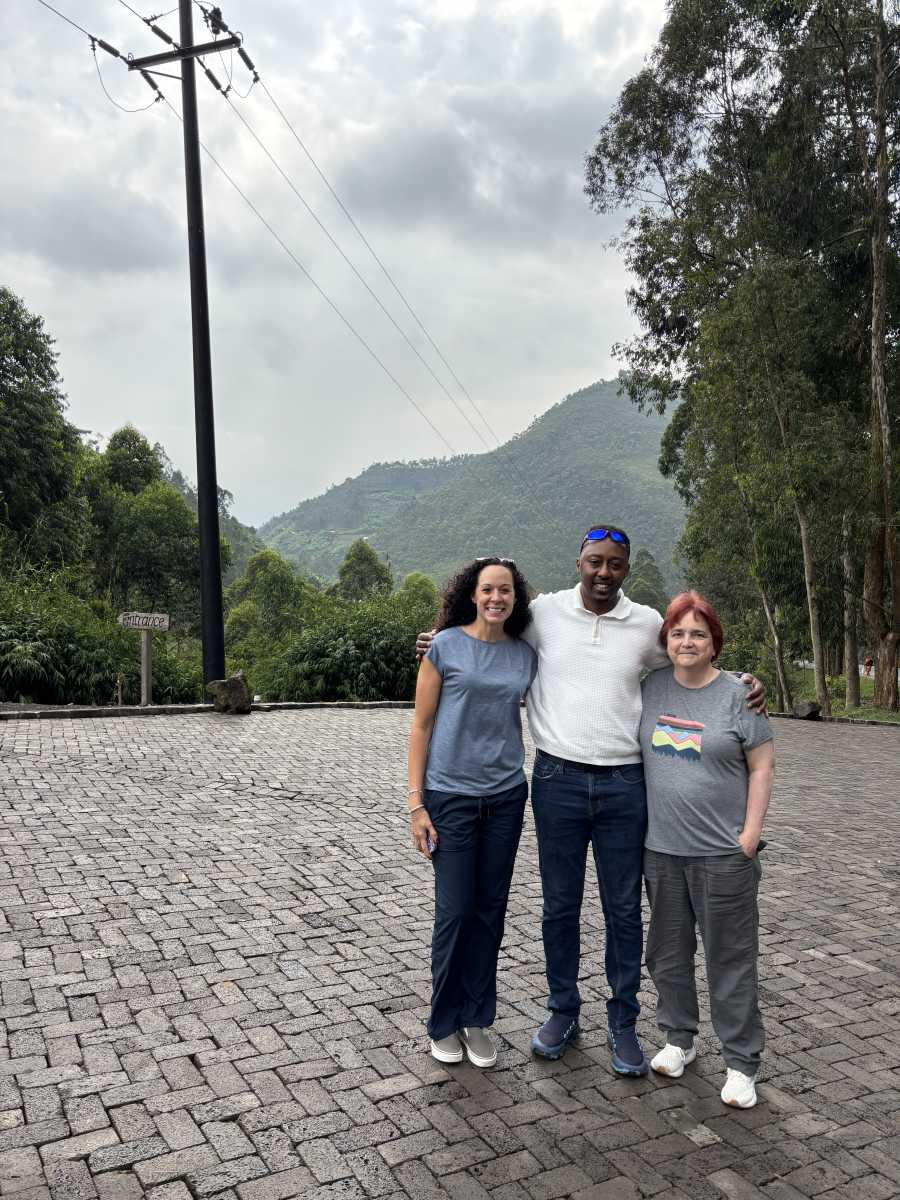
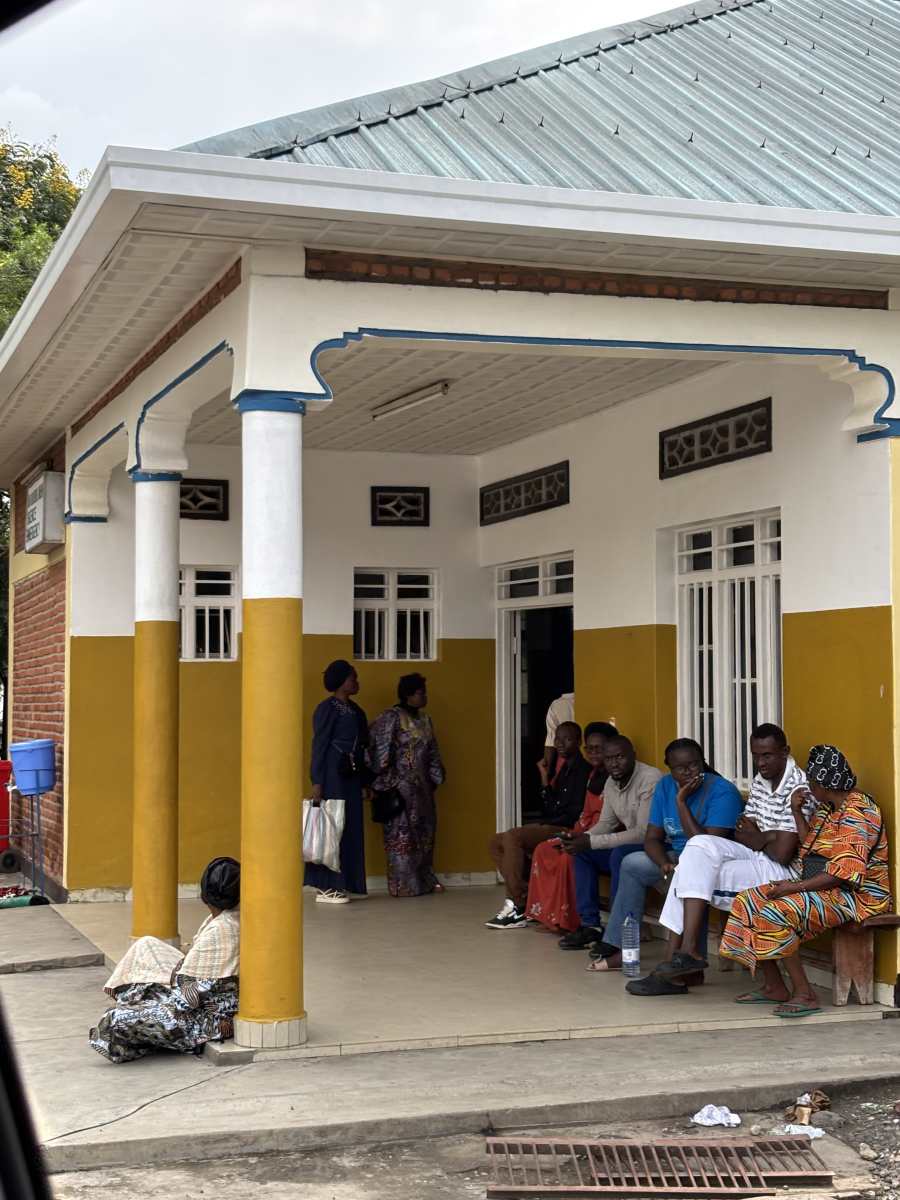
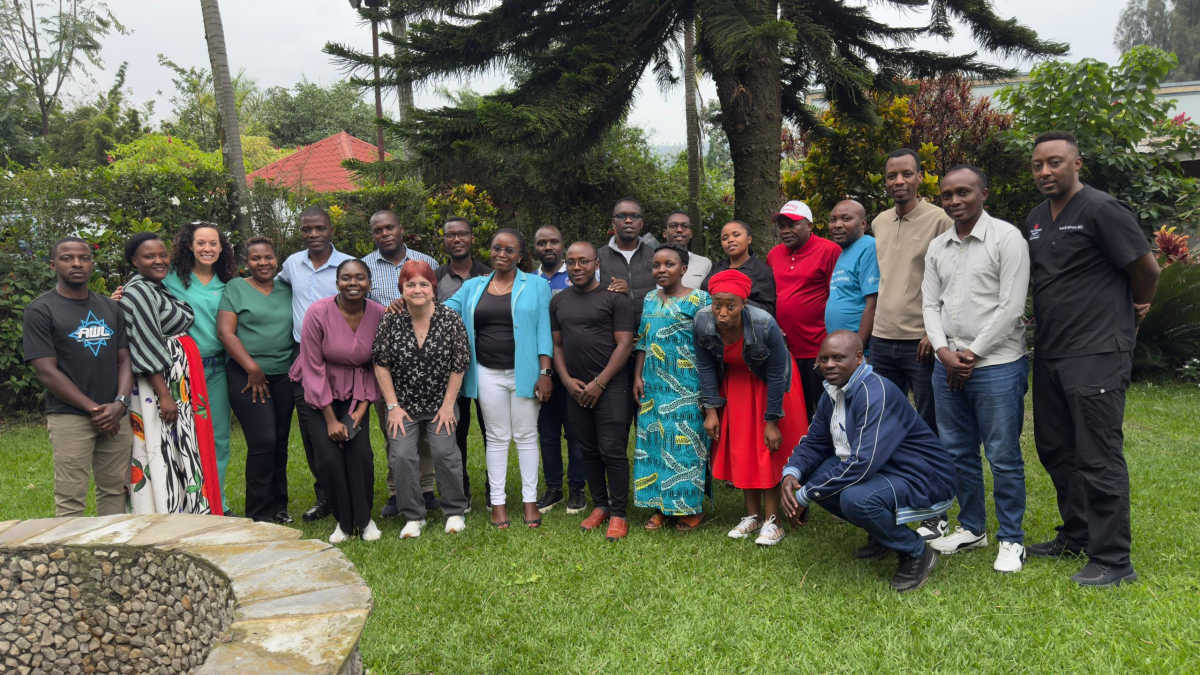


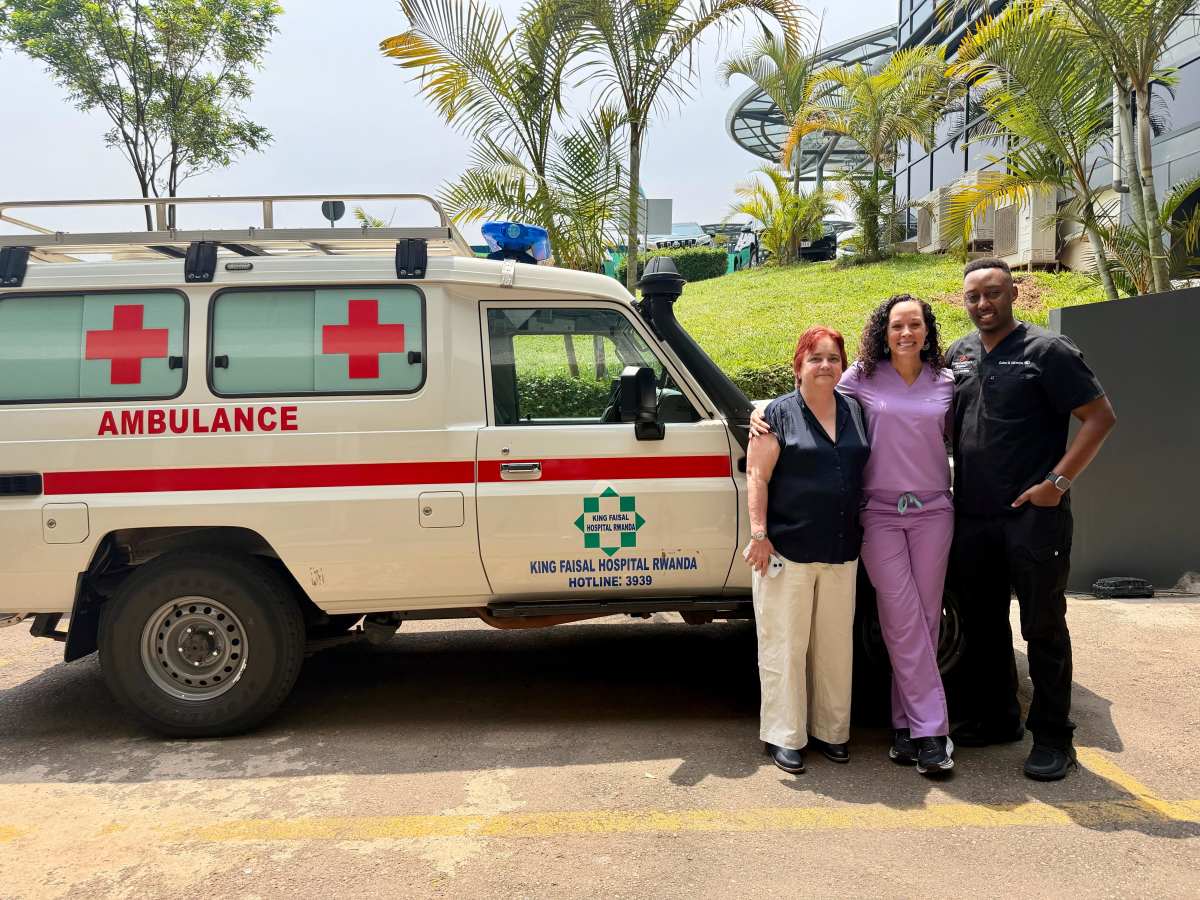
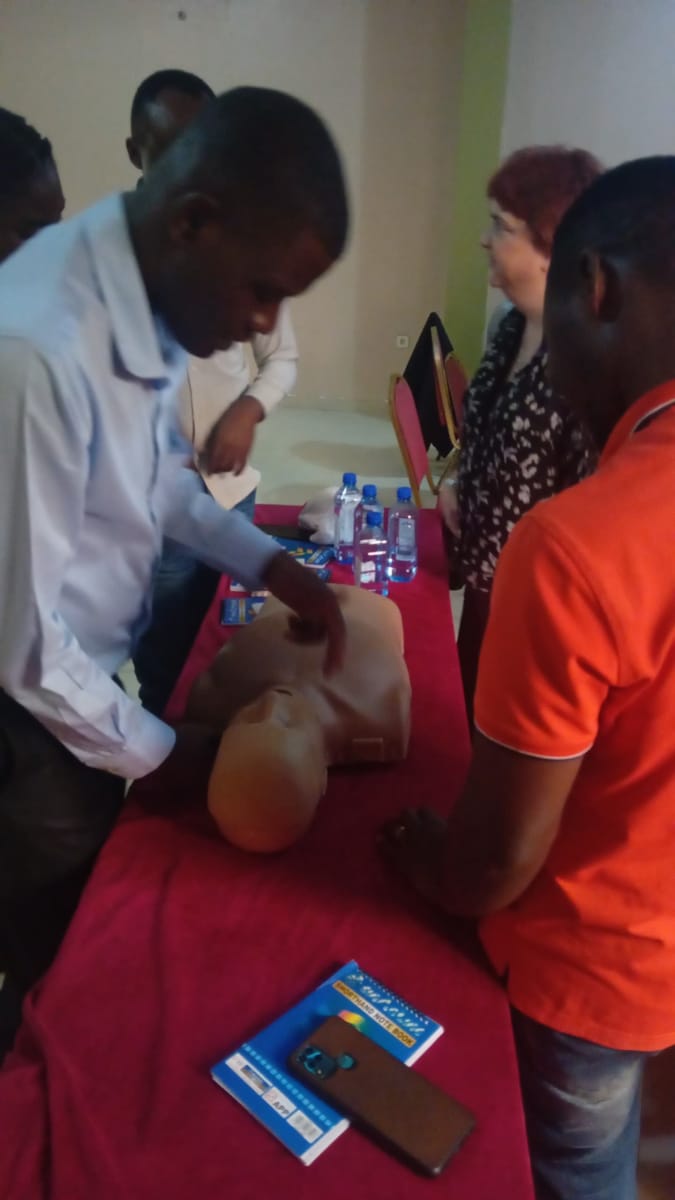
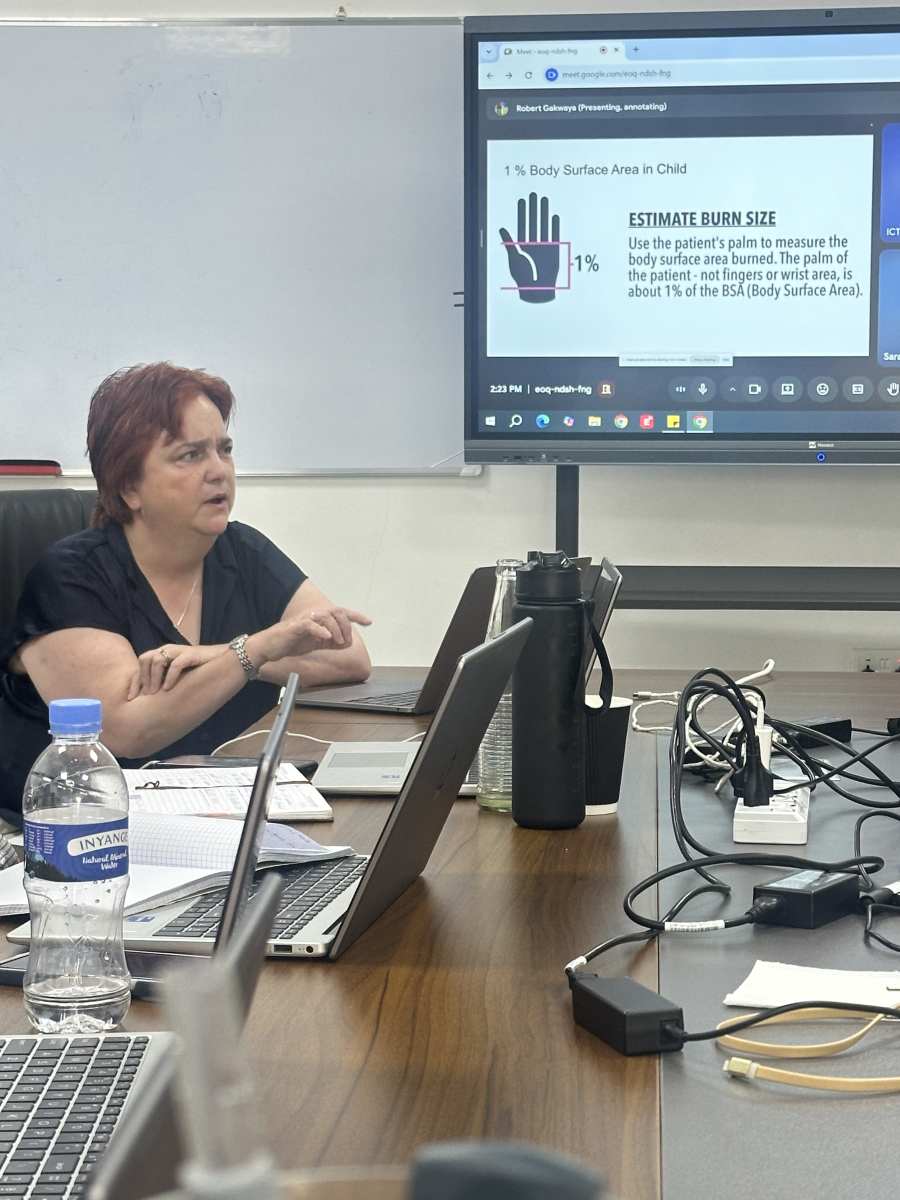

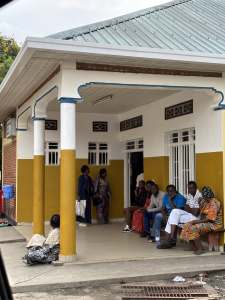
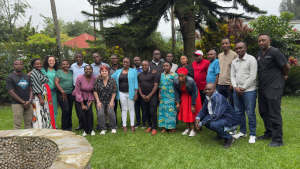

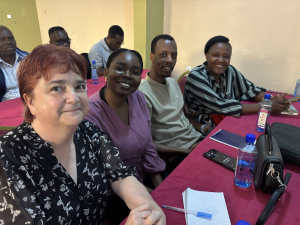

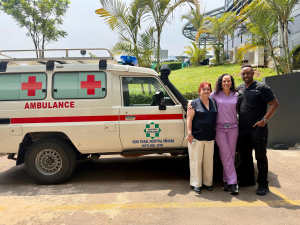
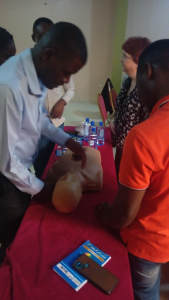
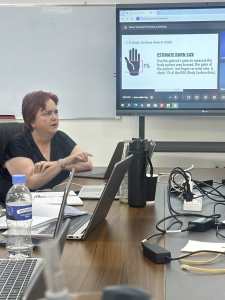
We interacted with health care providers in a variety of settings. The overall goal was to improve the recognition and treatment of pediatric emergencies especially in traumatic injuries. We started by working with residents in Emergency Medicine at the University Teaching Hospital of Kigali (CHUK) and King Faisal Hospital both of which are affiliated with the University of Rwanda. Through a variety of didactic lectures, case presentations and simulation we covered a number of topics in pediatric trauma including trauma resuscitation, orthopedics, burn injuries and child abuse. Emergency Medicine is a relatively new specialty in Rwanda and we anticipate these residents will be the future leaders in their field both in Rwanda and throughout Africa. They will be running emergency departments, residency training programs and advising the Ministry of Health on future initiatives. We also ran training with pediatric residents and nurses at CHUK. This is the primary tertiary care center for pediatrics admitting about 1800 patients per year and taking referrals from across the country. Pediatric trauma patients were previously carried for in the general emergency department and only started being triaged to the pediatric emergency department in the last several years. there is considerable skill in pediatric procedures and comfort with weight based dosing of medications in the pediatric ED but initial rapid assessment and management of pediatric trauma is relatively new and this was the focus of out training.
Our second audience was medical staff in more rural and remote district hospitals. Nurses and physicians from a number of disciplines participated in pediatric trauma conferences focusing on recognition and early treatment of traumatic conditions in children. This included a combination of didactic teaching and simulation. Given that many of their patients are often facing a 2-4 hour transport to another hospital with advanced imaging or surgical teams capable of definitive treatment, these initial interventions are literally lifesaving.
Although our audiences were medical providers we anticipate the people impacted will include all of the patients in their catchment areas. Much of our audience consisted of emerging leaders in pediatrics and emergency medicine. We anticipate they will be passing the knowledge acquired on to their coworkers and that this education will become self sustaining. Ultimately we hope that our efforts will improve the quality of pediatric emergency care for Rwandan children both in the tertiary care centers in Kigali and in the more remote district hospitals throughout the country.