
Our goal is to establish a urologic oncology fellowship where we can provide Rwandan urologists training necessary to be able to surgically manage urologic cancers including bladder, prostate, kidney, and penile cancers. As the Rwandan population ages, the incidence of urologic cancers continues to increase. We aim to provide robust training and support for the current cohort of Rwandan urologic faculty and residents to allow them to independently manage the urological cancers that they encounter. After our first visit, we have developed a fellowship curriculum that allows for some remote training and tumor boards as well as in person components with the goal of independence in the next 3-5 years.
Rwandan people and urologists. The aging Rwandan population is now beginning to develop urological cancers that are currently managed at an advanced stage. With further training, we aim to enable the Rwandan urologists to diagnose and treat these cancers hopefully in a curative manner and at an earlier stage. After our initial visit in August 2025, we have realized that the Rwandan urologists we are working with in Kigali are ideal partners and the Rwandan government is very invested in further growing the capacity of surgical and cancer care in the country.
We initially anticipate several visits each year over the next few years to provide ample support and training to the Rwandan urologists to establish a urologic oncology fellowship. Once the fellowship is established, we expect it to be self sustaining and independently run by the Rwandans leaving a permanent skillset within the country and a mechanism for training future urologic oncologists.


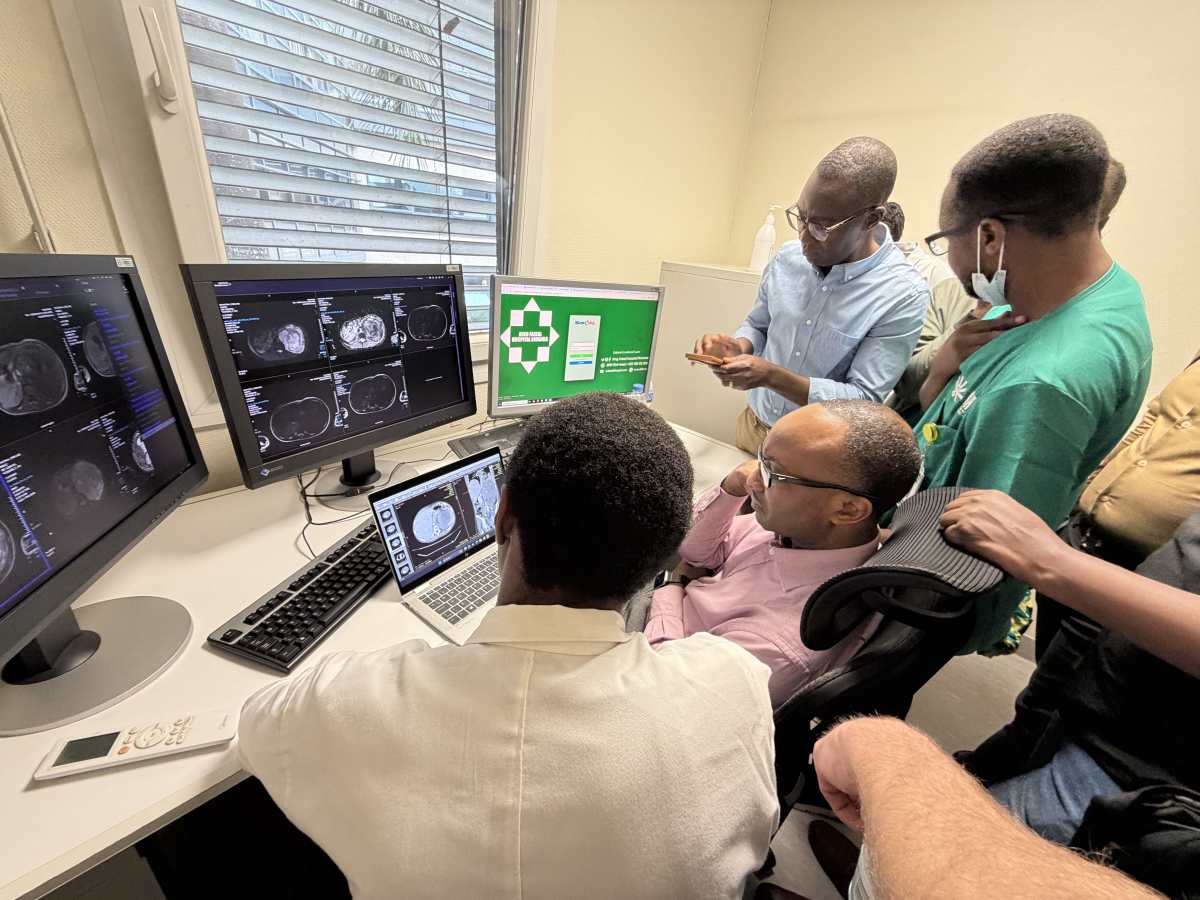


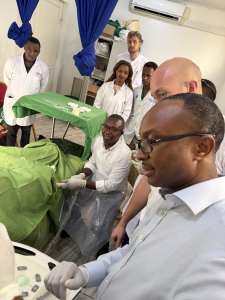

Outside of the personal and career growth that this trip had on me, the people who had the greatest impact from this trip were the Rwandan people including the urologists, residents, and current and future patients. Our goal with this work is to build a sustainable urologic oncology training program. We started with a partnership between several of the current urologists in Rwanda who noted a significant growth in the number of patients they are encountering with urological cancers and their ability to safely perform advanced oncologic surgeries. This is our second trip and we are forming a longitudinal partnership to help fill this gap permanently through training the current workforce and building capacity to care for patients with urological cancers in perpetuity. On this trip we were able to attend the first meeting of the Rwandan Urological Association and have continued to build deeper ties to the community, the urologists, the trainees, as well as new connections with insurance providers, the Ministry of Health, hospital leadership, and leadership from the University of Rwanda. These meetings are critical to building the support and infrastructure for a urologic oncology fellowship program. During this trip we focused on a few clinical aspects as well including teaching ultrasound guided prostate biopsy and performing curative surgeries to treat kidney and bladder cancers. Each patient provides us an opportunity to better understand the healthcare delivery system in Rwanda, build multidisciplinary teams to delivery high quality cancer treatments (e.g., radiology, general surgery, etc), understand the burden of disease in the country, and educate urologists and trainees on cancer treatments. I remain eternally grateful for the support from Doximity Foundation in making trips like these possible to help advance healthcare globally.