I will be working at a hospital as well as a clinic in Riobamba, Ecuador through the program at the Cacha Medical Spanish Institute (Cachamsi). I will also be working at a clinic (Subcentro de Salud) that serves indigenous communities in the surrounding area who would otherwise not have access to care. In addition, I will have the opportunity to perform pediatric well checks at local schools. As a pediatrician, I will be focusing on working with children and young people, and I am planning to engage with community programs to address local concerns. For example, Ecuador has the highest rate of adolescent pregnancy in Latin America, and a federal program called Atencion Integral de Adolescents (AIDA) was formed to help mitigate this issue. I am in communication with Cachamsi regarding developing an initiative to identify at risk adolescents and refer them to AIDA. I am also working on resources that will provide counseling regarding contraception, as lack of knowledge and use of contraception were both found to be significantly associated with adolescent motherhood in a case control study published in 2023. Cachamsi had previously instituted a “train-the-trainer” model of sexual education for implementation in public schools. Unfortunately, this program was cancelled in 2019 due to political turnover, but I plan to work on a similar project that creates materials to train providers and teachers regarding sexual education. Finally, I will be taking medical Spanish courses at the end of each clinic day to develop my language skills in an immersive learning environment.
I am planning to work with the local population in Riobamba, specifically pediatric patients. I am also excited to provide care for the surrounding indigenous communities through the Subcentro de Salud clinic. I hope that my project to address adolescent motherhood will benefit the young adult population in Riobamba and will be carried forward there as well as expanded and adapted to other sites. I chose to work with Cachamsi, because I live in the Southwestern US, and most of my patients are Latin American and/or indigenous and speak Spanish. I am planning to continue working with this population at an FQHC after graduating residency, and while Latin American and indigenous peoples are certainly not homogenous, I hope to learn about culture/region-specific factors and their impacts on pediatric health. Furthermore, I am looking forward to taking medical Spanish courses while I am there and being able to build upon my language skills while I am working in the hospitals and clinics. Speaking Spanish proficiently will allow me to better connect with and care for patients both in Ecuador and during the rest of my career.
I am interested in working with adolescents to promote reproductive health. First, I will partner with Cachamsi to utilize a set of risk factors for adolescent motherhood including rural residency, habitation with parents or caregivers, and age of first sexual encounter to identify patients who may benefit from referral to AIDA and to facilitate the process for them. Second, I am creating written materials that providers can review with patients regarding contraception to ease counseling. These resources will help to clarify the options available for patients as well as the risks and benefits of each one. Finally, I will work to establish a curriculum that can be used to train providers and educators regarding sexual education so they can guide patients and students towards understanding safe sex practices and achieving well-being. I plan to incorporate these interventions in a sustainable way so that Cachamsi will keep the resources we develop and continue to use them after I return.
In addition, I anticipate that this rotation will prepare me to be an independent clinician in an under-resourced healthcare environment in the US, as I will learn how difficulty accessing care in rural Ecuador impacts children’s well-being. It will also broaden my knowledge base of primary care as well as chronic pediatric illnesses, which will enable me to pass on this awareness to learners in the future.
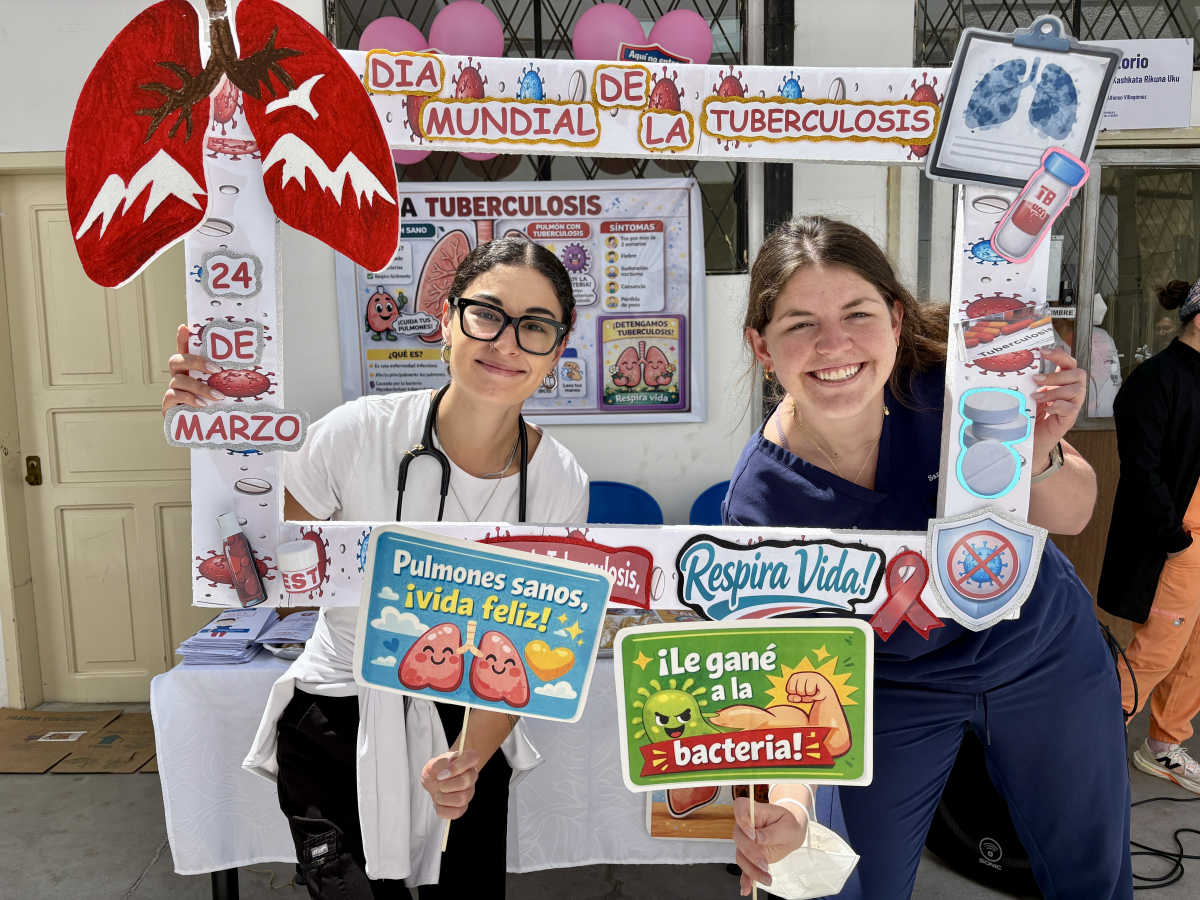
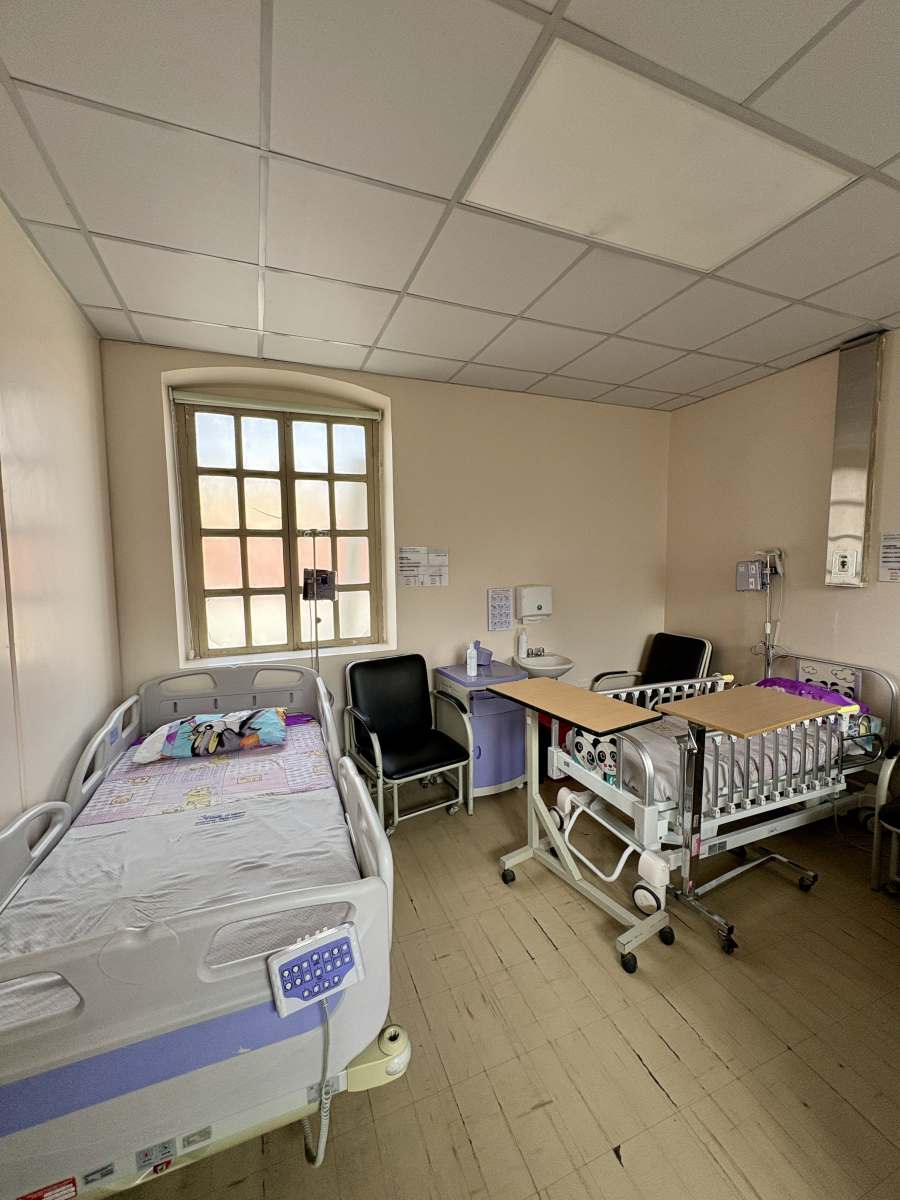
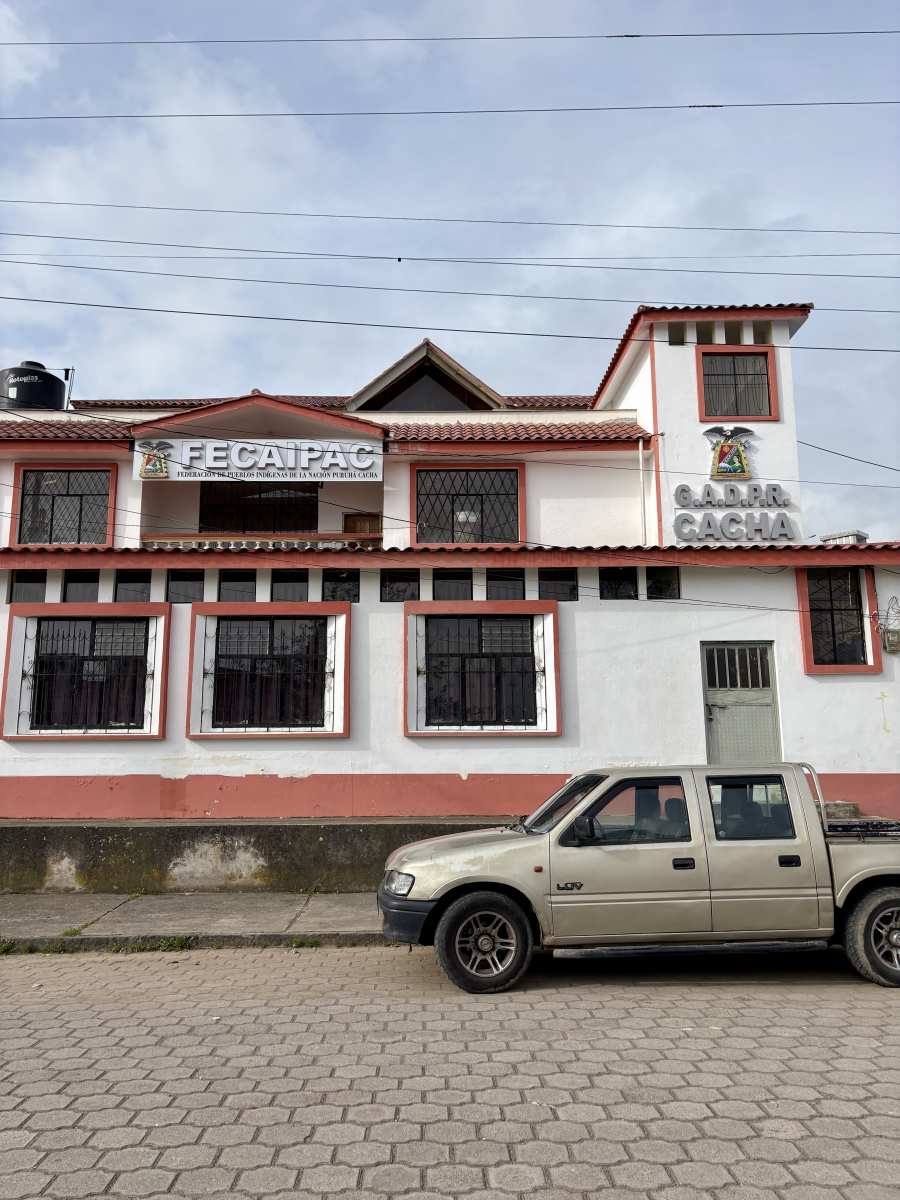
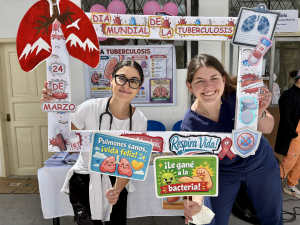
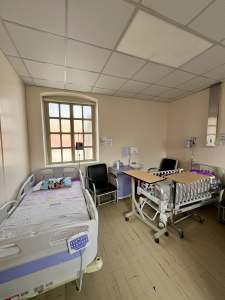
We ended up working in several settings, including the children's hospital in Riobamba, a rural indigenous clinic in Cacha, and a health center (centro de salud) in Riobamba. We were able to participate in multiple community engagement initiatives, including putting on a public education event for International Tuberculosis Day, complete with various demonstrations and games for younger attendees as well as informational sessions and brochures. We also created a presentation regarding the importance of sleep and sleep hygiene and delivered it during an adolescent clinic. We distributed a survey to the attendees and recorded the presentation so that it could be used in the future as well. Finally, we worked with local providers to create training materials regarding contraception and safe sex that can be used to support education efforts in the adolescent clinic. In addition to the community efforts we engaged in, we took medical Spanish classes every day, and I have already been able to put the knowledge I acquired to use in order to be able to communicate with my many Spanish-speaking patients here in the US, which has been invaluable. It has felt like a much more humanized experience to be able to speak to my patients directly without an interpreter, and I look forward to continuing to build upon the skills I gained during my global health program to better serve my patients. I also learned a lot about medical and cultural practices in Ecuador and Latin America that have helped me to understand some of my patients' experiences here, and that has helped me to connect more with them. I am exceptionally grateful for everything I was able to achieve during this experience.