Dear Doximity Team,
From January 31st through February 18th, I will join a multidisciplinary team of interventional radiologists working to expand interventional radiology procedures, clinical coverage, and local training across Sub-Saharan Africa. I will participate in my capacity as a board-certified anesthesiologist.
As the Road2IR program continues to undertake increasingly complex procedures, the need for dedicated anesthesia support has grown substantially. My goal is to provide safe and reliable anesthesia care for patients undergoing these advanced interventions, while simultaneously supporting local clinicians in building sustainable, evidence-based anesthesia practices. By partnering with the Road2IR team and collaborating with local health care institutions, I aim to help strengthen perioperative safety, enhance patient outcomes, and contribute to the long-term development of interventional radiology services in the region.
Thank you for your consideration of this application.
This mission will serve two primary groups: patients requiring interventional radiology procedures and the local medical providers responsible for their ongoing care.
Patients:
The Road2IR program cares for patients who often have limited access to advanced interventional procedures due to resource constraints and a shortage of specialized expertise. Many present with conditions that are treatable but would otherwise go unmanaged. By providing safe, reliable anesthesia coverage, I aim to ensure that each patient undergoing a procedure receives high-quality perioperative care that supports both safety and procedural success.
Local Medical Providers:
A central goal of this mission is to strengthen the capacity of local anesthesia and interventional radiology teams. I will work alongside clinicians to implement safe anesthesia practices, reinforce evidence-based perioperative protocols, and participate in hands-on training. I also hope to build long-term professional relationships with local anesthesia providers to facilitate continued mentorship, shared learning, and sustainable growth of anesthesia services after the mission concludes.
This mission is designed to produce both immediate and long-term impact. In the short term, I will provide safe, high-quality anesthesia care for patients undergoing interventional radiology procedures, ensuring that each patient benefits from reliable perioperative support despite the resource limitations within their health systems. In the long term, the mission aims to strengthen the infrastructure of anesthesia care in Sub Saharan Africa by building meaningful, collaborative relationships with local anesthesia leaders and educators. Because I am also fluent in both French and Portuguese, I expect to communicate more effectively with local teams, especially when visiting Angola (Portuguese) and Cameroon). I want to foster stronger connections, and accelerate the exchange of knowledge. By partnering with clinicians on the ground, I hope to contribute to the expansion of interventional radiology capacity, support the development of sustainable anesthesia training, and help advance safe anesthesia practices that continue to benefit patients well beyond the duration of this trip.
Road2IR East & Southern Africa Mission
February 1–11, 2026
Overview
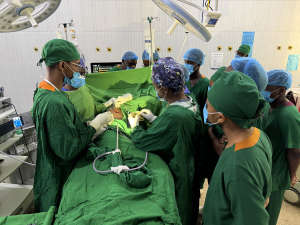
From February 1–11, 2026, I participated in a four-country mission across Uganda, Rwanda, Tanzania, and Angola as part of Road2IR. While Road2IR focuses on establishing sustainable interventional radiology (IR) training programs, my role as an anesthesiologist was to ensure that these developing services are supported by safe, scalable anesthesia systems.
I did not travel to perform anesthetics. Instead, my objective was to build long-term institutional partnerships with local anesthesiology departments, support structured sedation training, and align anesthesia infrastructure with expanding IR capabilities.
The flights for this mission were funded by Doximity. This multi-country engagement — including expansion into Angola — would not have been possible without that support.
Mission Context
Road2IR has worked for approximately a decade to build IR training capacity in low- and middle-income countries. Its model emphasizes sustainability: partnering with public hospitals, training local physicians, and developing systems that remain long after visiting teams depart.
As IR programs mature and procedural complexity increases, anesthesia support becomes essential. My involvement reflects a commitment to growing anesthesia capacity in parallel with IR expansion. Importantly, Road2IR partners exclusively with public institutions, ensuring that advancements benefit broad patient populations.
Country Engagements
Uganda (Feb 1–3)
Mulago National Referral Hospital, Kampala
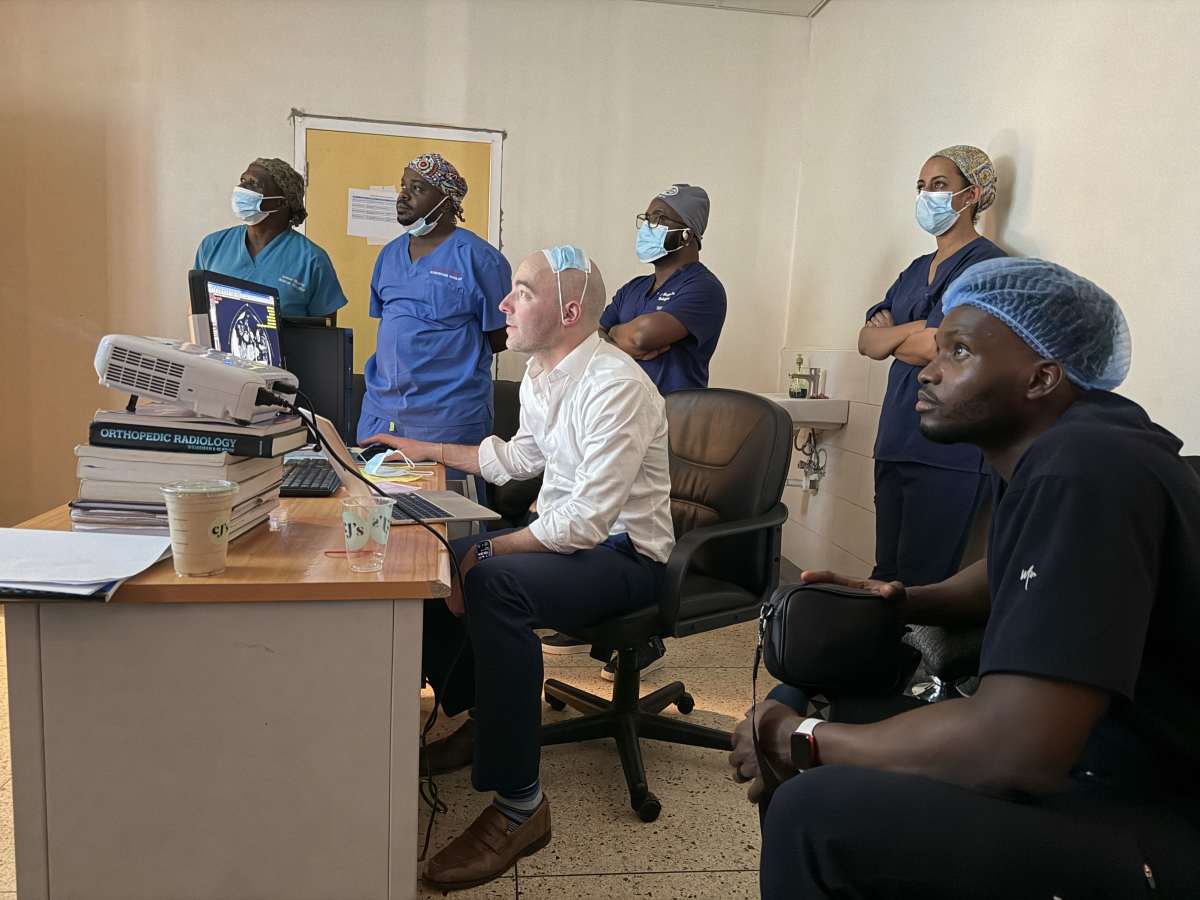
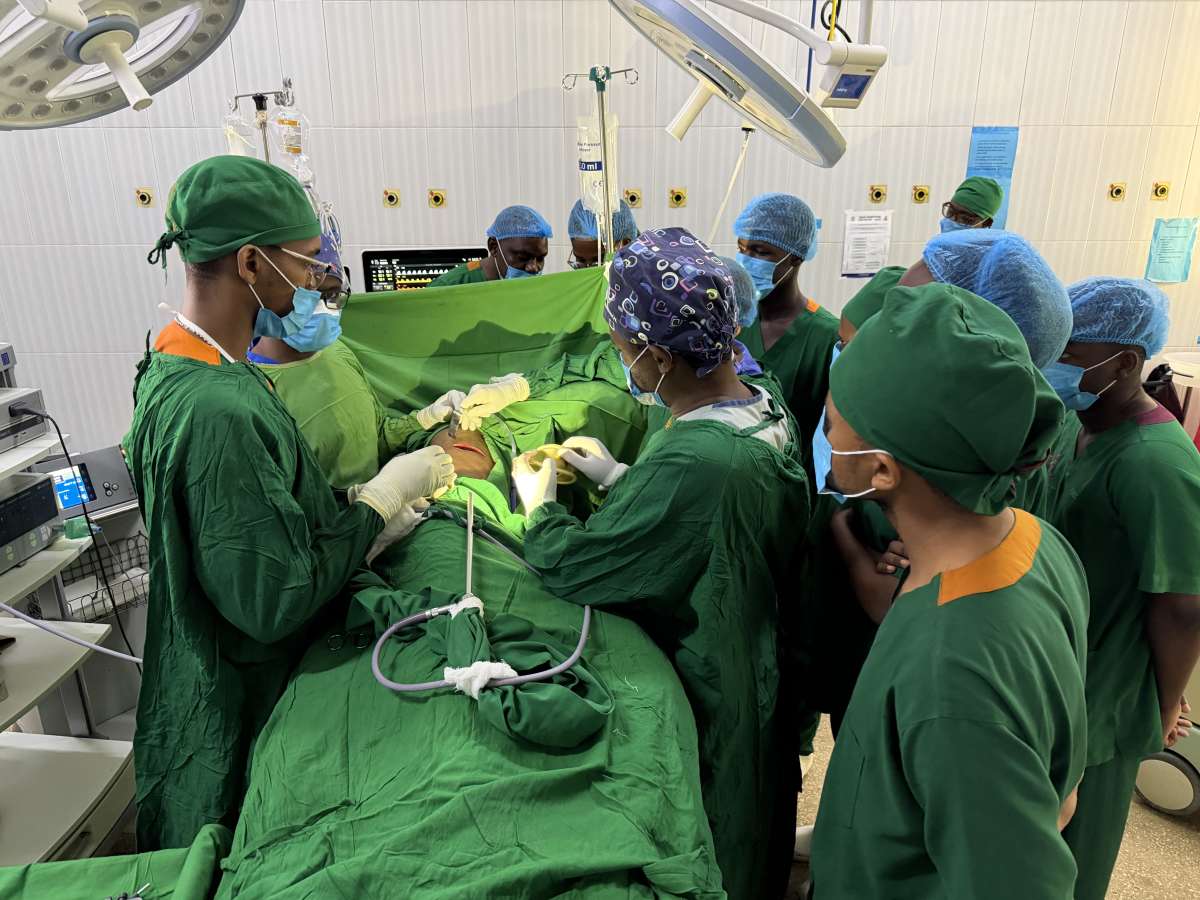
I met with Dr. Paul, Head of Anesthesiology, to formalize collaboration between anesthesia and the developing IR service. I presented a mild and moderate sedation protocol tailored to local resources and workforce realities. This protocol was informed by the existing sedation framework and training curriculum at Muhimbili National Hospital in Tanzania, ensuring regional alignment and practical applicability.
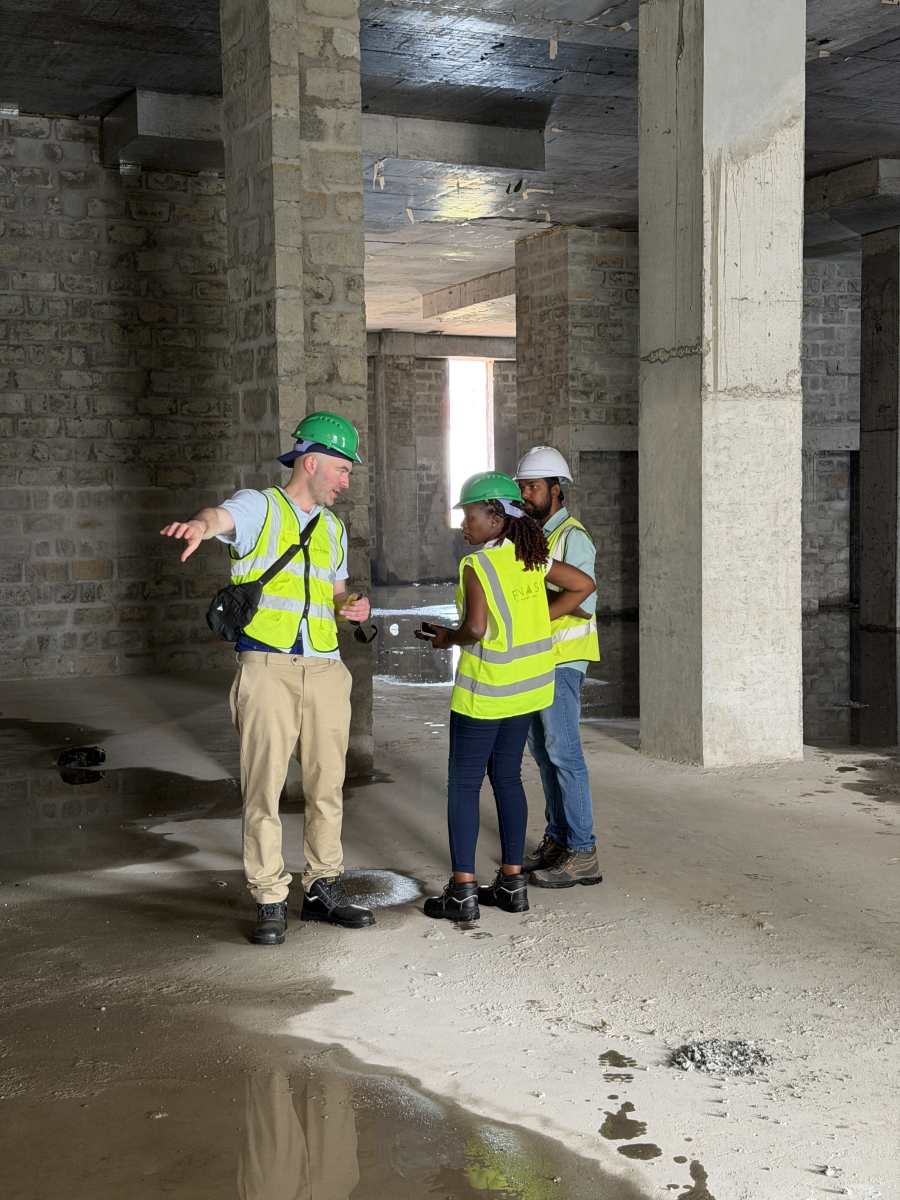
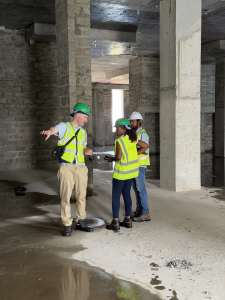
The document is currently under review at Mulago and is intended to serve as a scalable model. We also visited a newly constructed government hospital to advise on operating room planning, emphasizing early interventional radiology and anesthesia integration in infrastructure design.
Rwanda (Feb 3–4)
Masaka Hospital
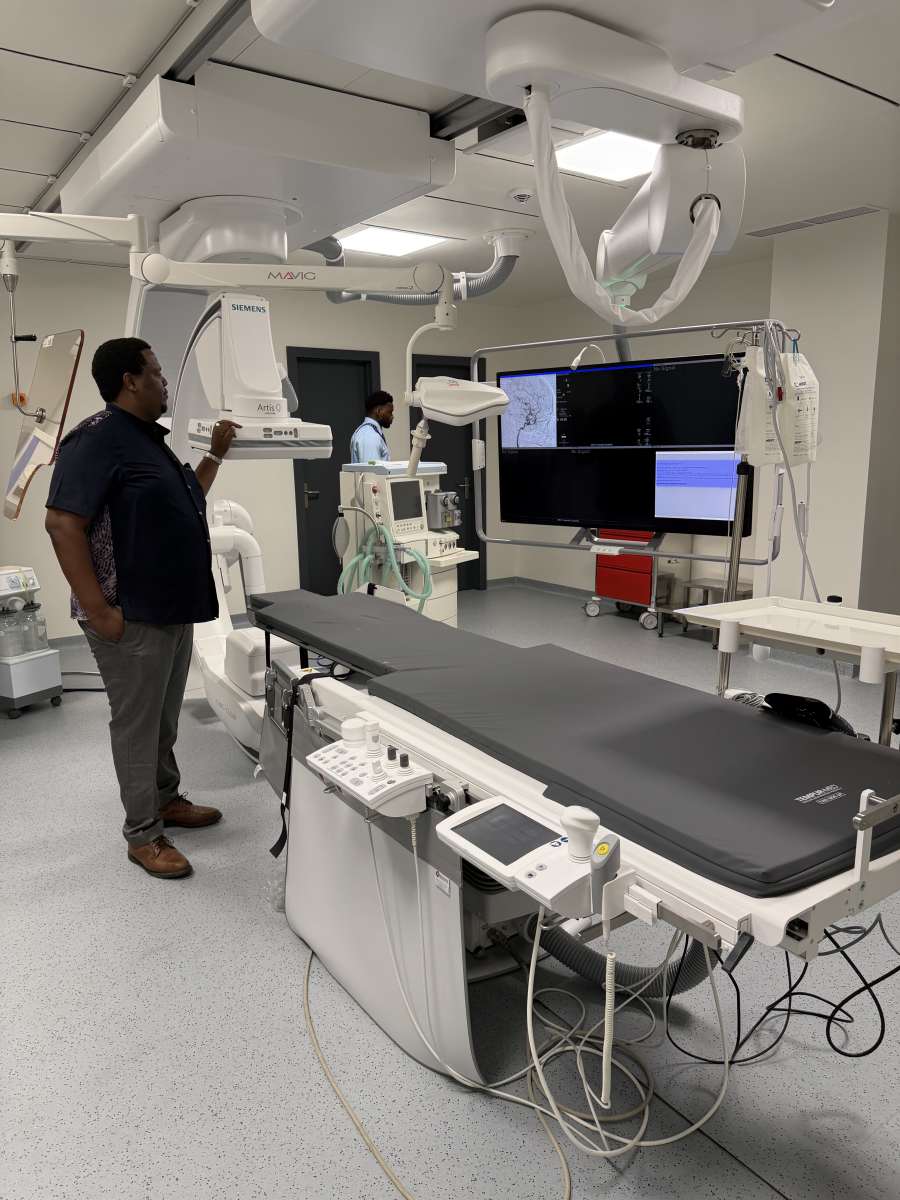
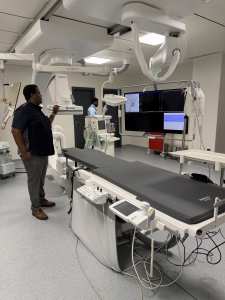
This was primarily a consultative site visit. We evaluated a newly constructed angiosuite and reviewed anesthesia equipment readiness, monitoring standards, and educational needs. Early alignment between IR and anesthesia leadership helps prevent fragmentation as services grow.
Tanzania (Feb 4–7)
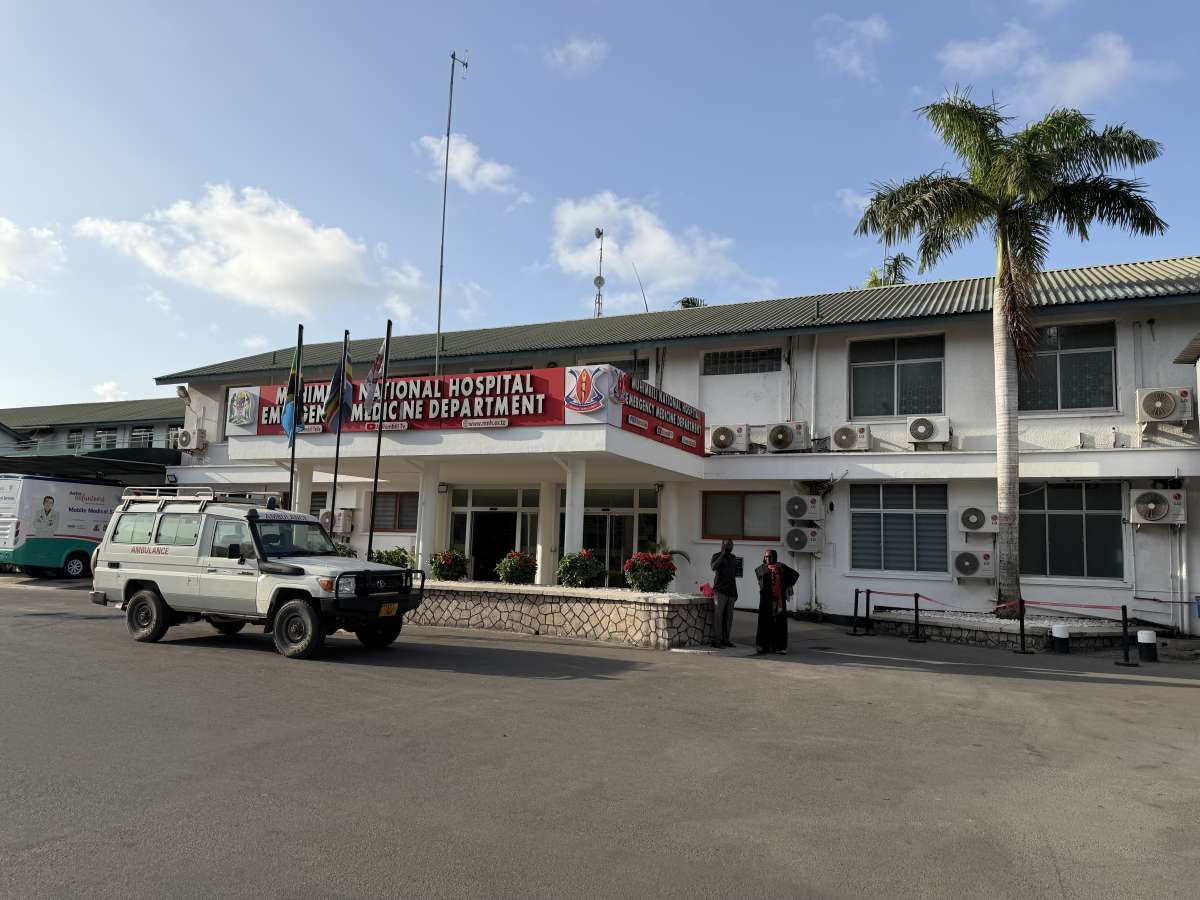
Muhimbili National Hospital
Head of Anesthesiology: Dr. Luca Mabusi
At Muhimbili, discussions focused on structured nurse-delivered sedation models, escalation pathways, and anesthesiologist involvement in higher-acuity cases. Muhimbili’s established sedation curriculum significantly informed our work in Uganda and provides a strong regional example of sustainable anesthesia-supported IR growth.
Discussions were also had about supporting the anesthesia department with the establishment of a liver transplant program as well as a focus on the growth on regional anesthesia capabilities at this institution.
Angola (Feb 8–11)
Hospital Pedalé & Hospital Cardeal Dom Alexandre do Nascimento, Luanda
Head of Cardiac Anesthesia: Dr. Belmira
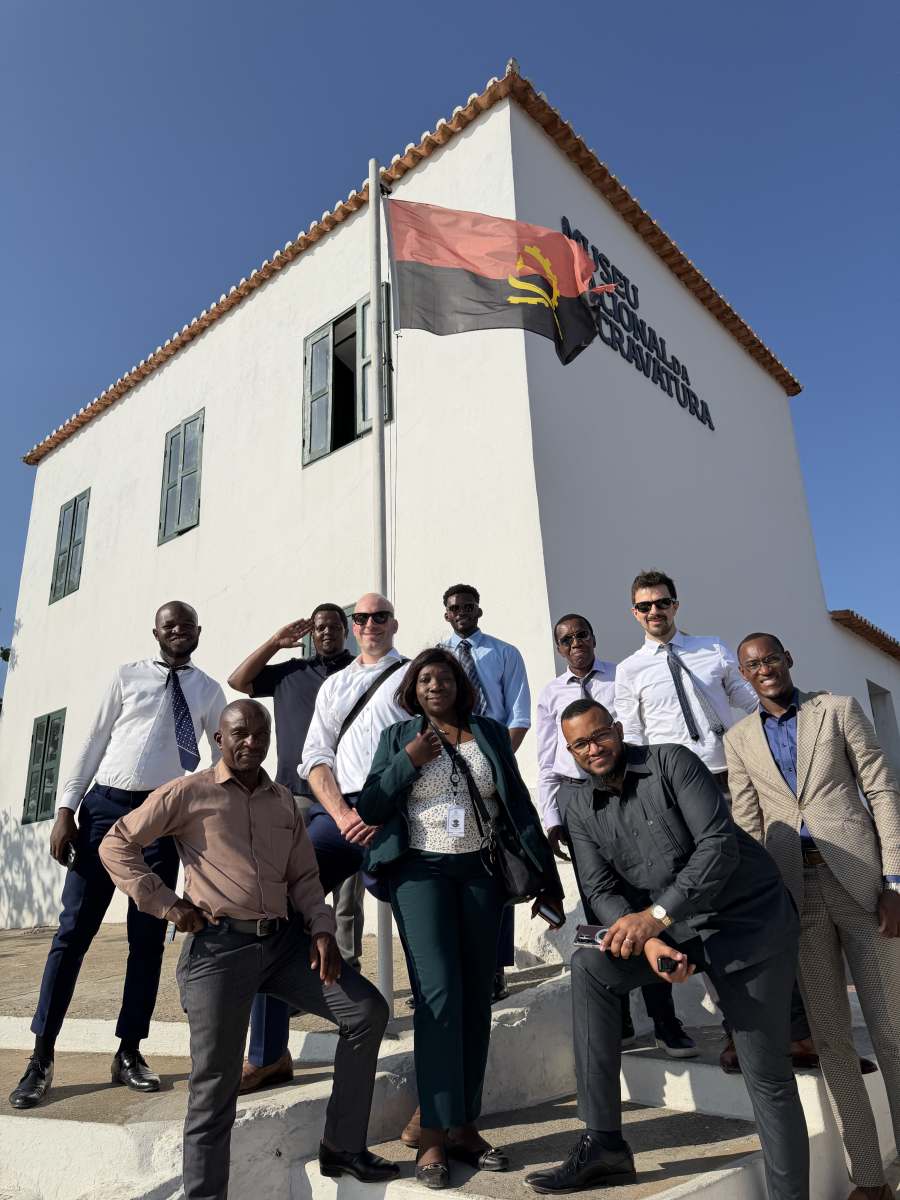
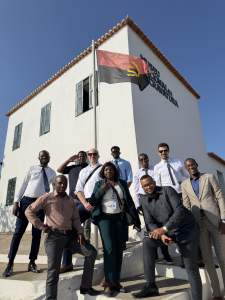
This mission marked the expansion of Road2IR into Angola. Portuguese fluency was instrumental in building trust and facilitating direct engagement with clinicians and administrators.
While Angola’s IR program has not yet launched, foundational anesthesia partnerships are now in place. Once services begin, the Uganda sedation protocol — adapted to local context — will be shared to support structured implementation. We also met with the Minister of Health to secure governmental alignment for future IR program development.
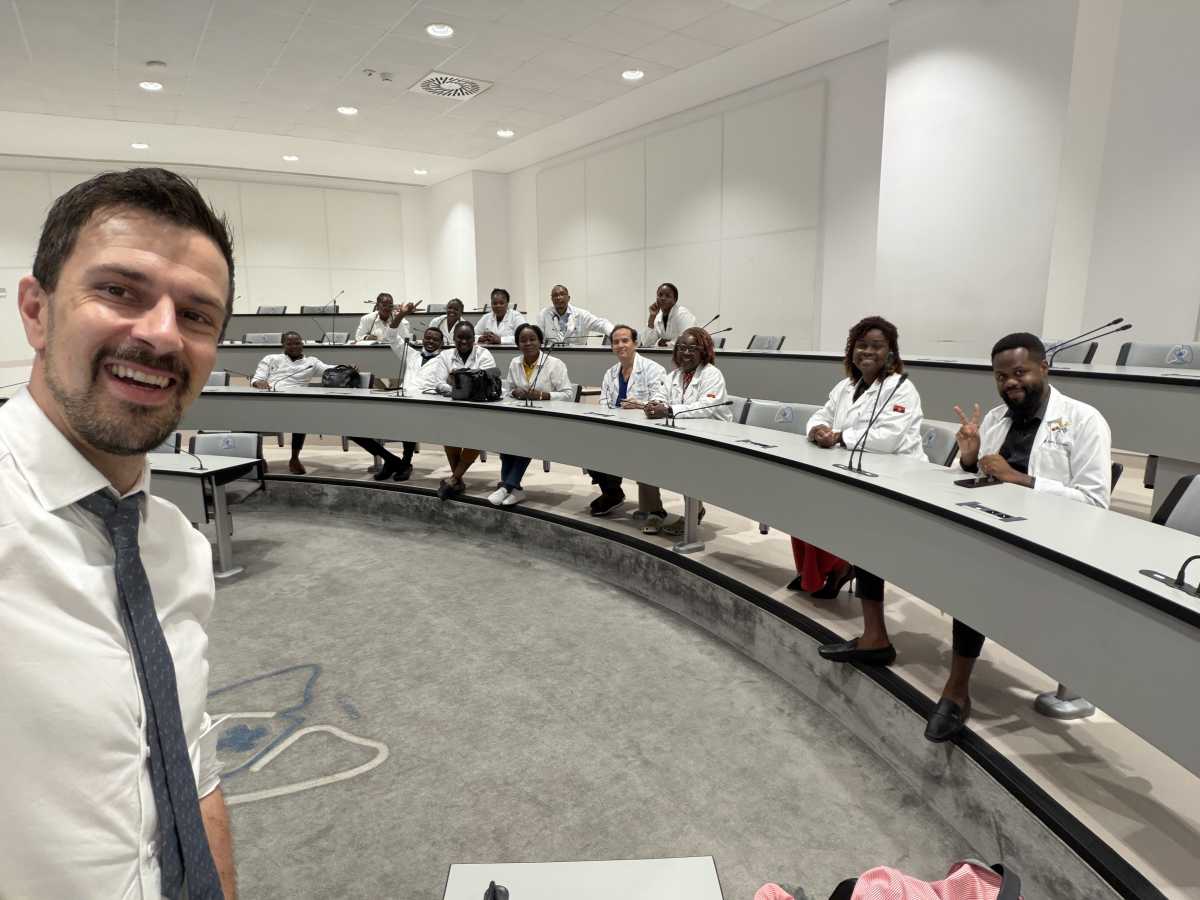
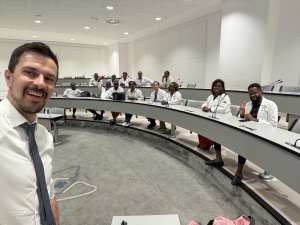
Towards the end of my visit, I delivered a lecture on perioperative ultrasound to approximately 20 anesthesia department members and established an ongoing virtual education relationship.
Impact & Sustainability
Across four countries, I engaged directly with departmental anesthesia leaders and multiple faculty members. In institutions with functional IR services, daily case volumes may reach 10–20 patients requiring anesthesia or sedation support. Establishing safe systems now will allow responsible expansion.
This mission centered on systems-building, not short-term procedural output. The strategy includes:
• Long-term institutional partnerships
• Remote mentorship and online education
• Curriculum development
• Equipment alignment appropriate to local settings
• Planned return visits
My training in general, obstetric, and cardiac anesthesiology allows contribution across a spectrum of procedural complexity, not only as IR services advance.
Road2IR continues to expand regionally, and anesthesia collaboration will become increasingly critical as case complexity grows.
Importance of Doximity’s Support
Doximity’s funding enabled engagement across four nations in eleven days and directly supported:
• Expansion of Road2IR into Angola
• Development of a regionally informed sedation protocol
• Government-level discussions
• Educational programming for anesthesia departments
• Long-term cross-institutional collaboration
Because these partnerships are built within public hospitals, the long-term impact will extend to broad populations.
This mission would not have occurred without Doximity’s financial support. The true return on that investment will be measured in years of safe procedural growth, locally trained anesthesiologists, and expanded access to minimally invasive care.
Thank you for making this work possible.
Respectfully
Marius Fassbinder