As part of an upcoming medical mission to rural Cambodia at SKMH, the focus will be on advancing women’s health through both direct surgical care and education through hands-on learning and didactics. The mission will focus on conducting gynecologic surgeries, especially for complex conditions that frequently remain untreated due to a lack of access to specialized care. This encompasses procedures facilitated by the generous donation of hysteroscopic and laparoscopic equipment from Stryker. These advancements enable minimally invasive techniques that not only shorten recovery time but also enhance patient outcomes.
In addition to clinical care, a key component of the mission will be education. Local nurses, residents, and physicians will participate in on-site training sessions that focus on the latest best practices in obstetrics and gynecology. Through these initiatives, we envision a future where every woman has the opportunity to receive comprehensive healthcare tailored to her specific needs. Ultimately, this mission strives not only to improve immediate health outcomes but also to cultivate a sustainable and resilient healthcare environment for generations to come. These sessions will encompass updates on global standards, evidence-based protocols, and groundbreaking advancements in surgical and preventive care. This collaborative exchange of knowledge is designed to empower local providers, enhance clinical confidence, and support long-term improvements in patient care.
The impact of this mission is twofold: for providers, it offers relief from overwhelming caseloads and fosters professional growth through shared learning. For patients, it means access to timely, high-quality surgical care using modern equipment, care that might otherwise be delayed or unavailable. The goal here is to boost both the tools we use and the team behind them, so we can really make a positive impact on the health system and improve the lives of the women we are helping.
This project will provide direct benefits to the women in rural Cambodia, especially those seeking care at SKMH, along with the local healthcare providers who support them. This initiative aims to enhance access to timely, high-quality gynecologic care by providing surgical services, modern equipment, and clinical education. In doing so, it will also foster the professional development of the local medical team.
This population has been recognized as a priority because of its restricted access to specialized women's health services, coupled with a longstanding collaboration with Health Volunteers Overseas (HVO), which has consistently offered funding and support to this site. However, due to travel restrictions and global disruptions, the site has not been reassessed since 2019. A follow-up visit is crucial for restoring continuity, assessing current needs, and applying revised learning objectives that align with the latest standards in obstetrics and gynecology.
This mission aims to address vital needs by delivering essential surgical care with donated hysteroscopic and laparoscopic equipment. Additionally, it will promote knowledge sharing through education and mentorship for healthcare providers. Enhancing this partnership guarantees that both patients and providers gain from lasting advancements in care delivery, increased clinical confidence, and significant long-term effects on the program.
This mission aims to create a significant and enduring effect on patient care and enhance provider capacity at SKMH, a rural facility located near Kampot, Cambodia. The clinical team there serves a high-volume population with limited access to specialized women’s health services. This project aims to ease the burden on local residents and physicians by offering direct support through OB/GYN surgeries and clinical consultations.
Alongside providing hands-on care, the mission will emphasize targeted education in crucial areas, including incontinence, menopause management, abnormal uterine bleeding, Pap smear protocols, OB ultrasounds, obstetric emergencies, and genetic testing. These topics were chosen to address existing gaps and align with provider interest, and will be presented through engaging, collaborative case-based learning and hands-on bedside instruction.
To guarantee continuity once the mission wraps up, our objective is to develop a well-structured online educational curriculum specifically designed to meet the facility's requirements. This will allow providers to access ongoing education and reference materials year-round, supporting clinical growth and reinforcing best practices. The donated hysteroscopic and laparoscopic equipment will empower the team to extend their ability to provide minimally invasive procedures well beyond the mission's timeframe.
This visit is crucial for reestablishing a robust working relationship with the site, which has remained unassessed since 2019, despite continued support from Health Volunteers Overseas (HVO). Establishing a consistent schedule for visits and communication will enhance long-term collaboration and mentorship, ultimately leading to significant improvements in women's health outcomes.




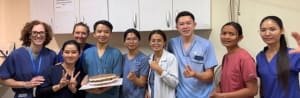
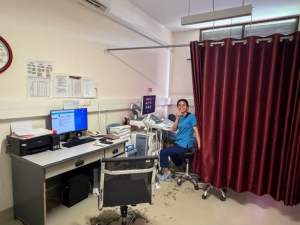

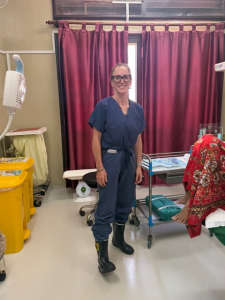
I arrived in Cambodia and within hours, I was scrubbed into a Csection already in progress.
No orientation. No easing in. Right into the operating room, where a skilled and well-coordinated team of OB doctors, anesthesiologists, and nurses were already busy at work.
That moment conveyed everything: this was not about “coming to help.” It was about partnering with a team already delivering strong care and building on it together.
I volunteered at Sonja Kill Memorial Hospital through Health Volunteers Overseas, receiving travel support from Doximity, to concentrate on practical and sustainable improvements in OB/GYN care.
One of the most meaningful wins came from something simple: improving laparoscopic surgical access.
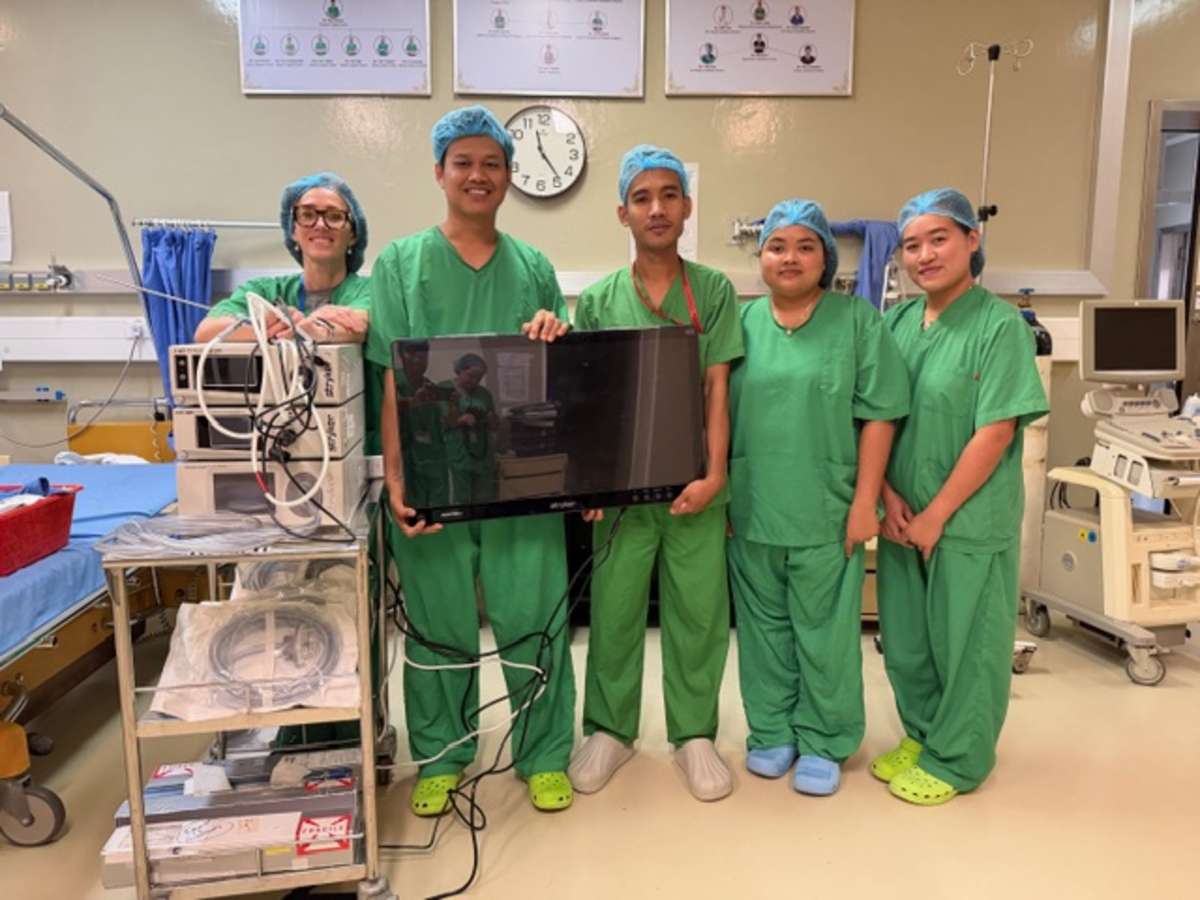
We diagnosed two ectopic pregnancies early by ultrasound, then managed both laparoscopically using newly available equipment from Stryker.
The impact was immediate:
• Shorter recoveries
• Less time in the hospital
• Faster return home to their families
Though the real goal was not just individual cases, it was strengthening systems:
• Training local gyn surgeons
• Supporting in office diagnostic skills
• Creating workflows that will last long after any single visit
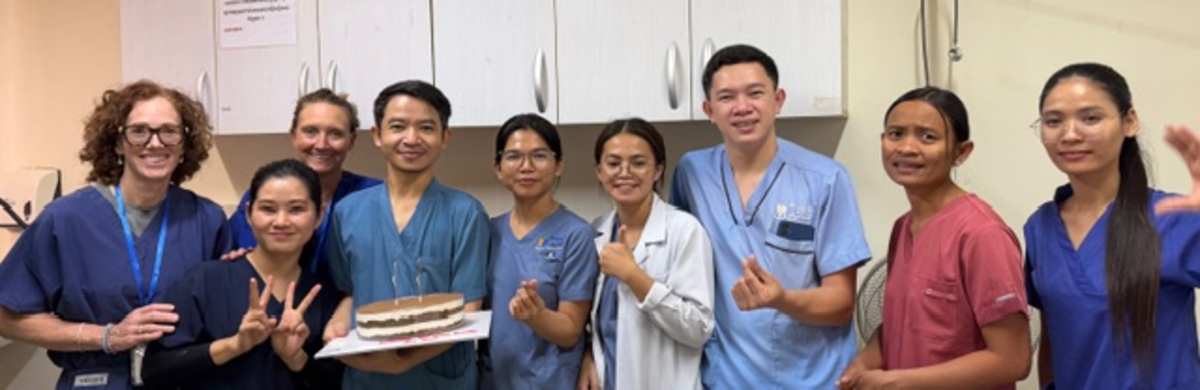
By the end of the trip, the most significant change was not in the protocols but in the confidence and ownership displayed by the local team. I am excited to return next year to help enhance the ongoing projects. Thank you to Doximity for the travel grant, to Stryker for donating an entire laparoscopic OR setup, and to HVO for continuing the coordination with SKMH. Thank you to all the incredible providers at SKMH and to the volunteers who were in Kampot alongside me. We grew, shared and learned together. I am blessed to have had such an amazing experience.